Award-Winning Microbiology Tutors
serving Omaha, NE
Microbiology
Tutors in Omaha
Private 1-on-1 tutoring, weekly live classes for academic support, test prep & enrichment, practice tests and diagnostics, and more to elevate grades and test scores.
Based on 3.4M Learner Ratings
UniversitiesSchools & Universities
DeliveredHours Delivered
ProficiencyGrowth in Proficiency
Who needs tutoring?
No obligation. Takes ~1 minute.
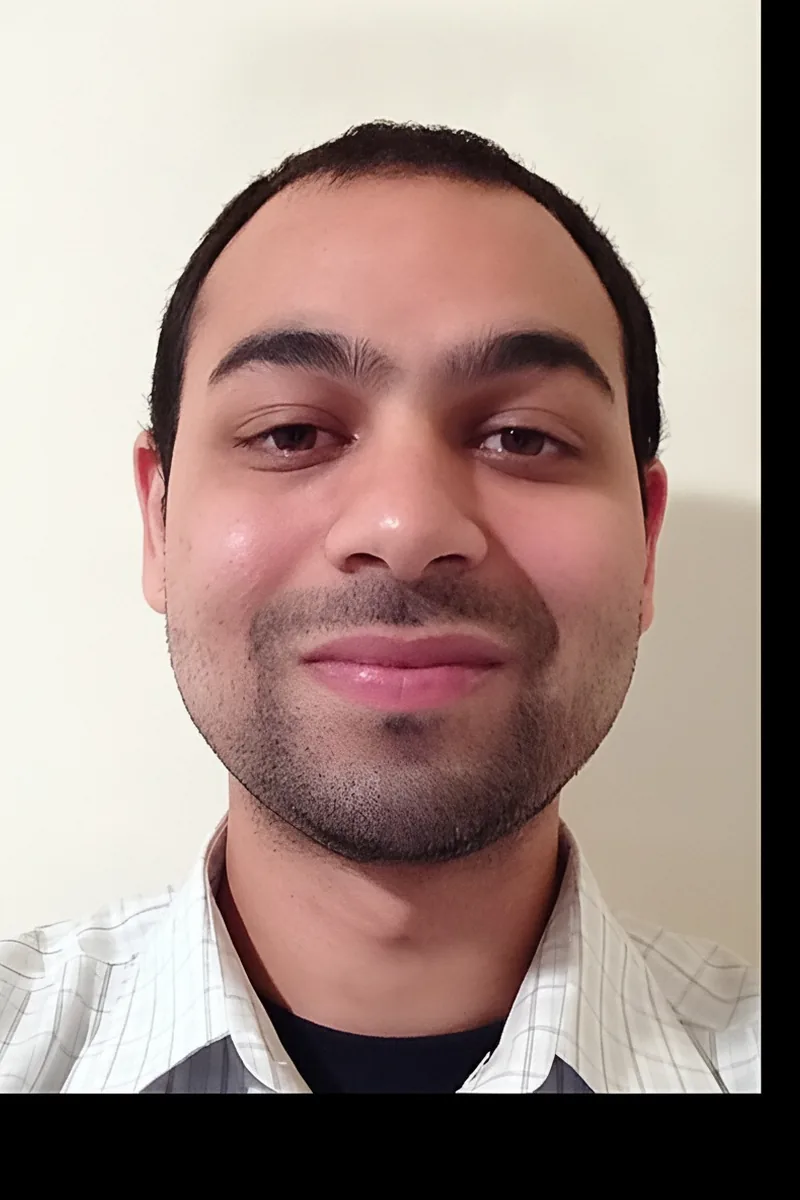
As a second-year medical student with an undergraduate degree in Molecular, Cell, & Developmental Biology from UCLA, Vinay brings clinical context to microbiology topics like bacterial pathogenesis, viral replication cycles, and antimicrobial resistance mechanisms. He connects each organism's structure to its behavior — explaining *why* gram-negative bacteria respond differently to antibiotics, not just *that* they do. His pharmacology knowledge adds an extra layer for students studying micro in a pre-health context.
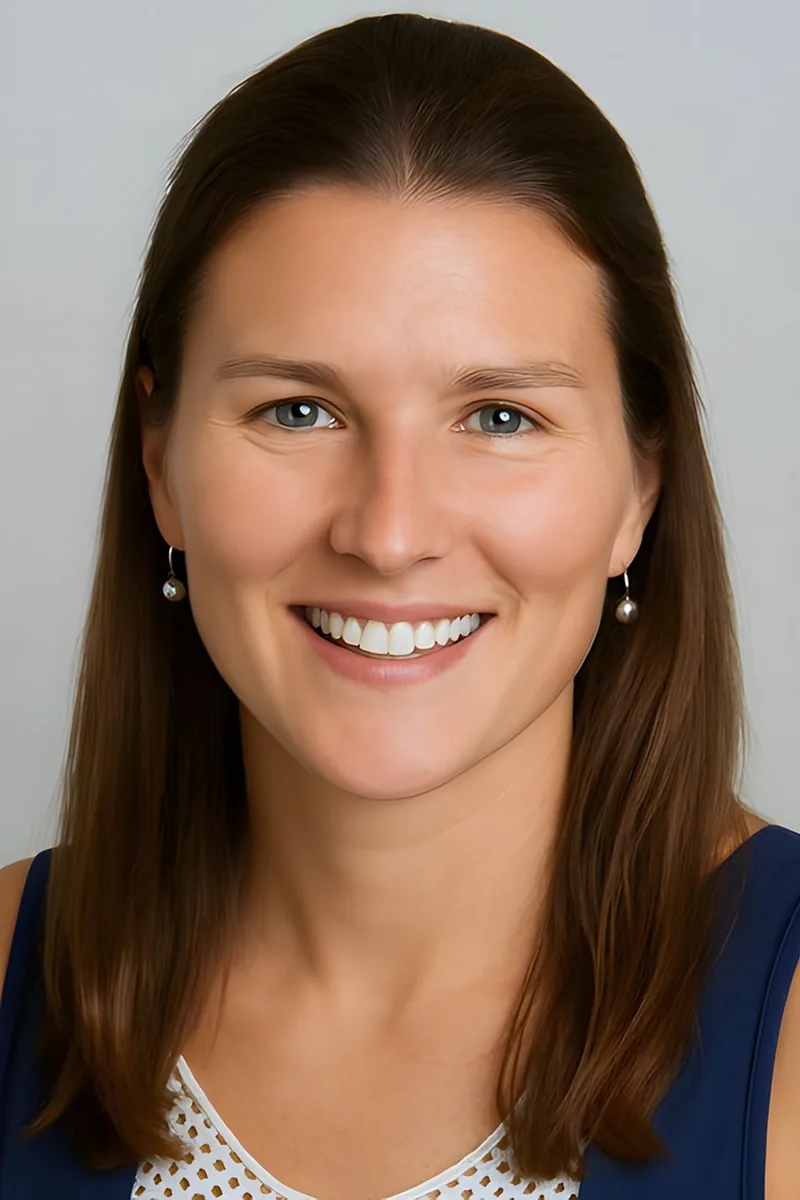
Between bacterial genetics, metabolic pathways, and immune evasion strategies, microbiology covers an enormous range of material in a single semester. Emily's current research position at UTHealth keeps her immersed in lab techniques and microbial concepts daily, so she explains topics like Gram staining, virulence factors, and antibiotic resistance with the fluency of someone who actually uses this knowledge at the bench.
Medical school at Penn's Perelman School of Medicine gave Daniel hands-on exposure to microbiology that goes well beyond a standard textbook — from bacterial virulence factors to antibiotic resistance mechanisms to the clinical presentations they produce. He connects microbial physiology to real infectious disease scenarios, which makes distinguishing gram-positive from gram-negative organisms or understanding viral replication cycles far more intuitive.
From bacterial gene regulation to viral replication strategies, microbiology demands comfort with both molecular detail and big-picture ecology. Zachary's graduate work in molecular biology gave him hands-on familiarity with the techniques and concepts — Gram staining, quorum sensing, antibiotic resistance mechanisms — that form the backbone of most microbiology courses.
Gram stains, bacterial metabolic pathways, and viral replication cycles all require a kind of systematic memorization that falls apart without conceptual scaffolding. Anni's graduate work in biomedical sciences at UMDNJ gave her direct experience with microbial concepts, and she teaches them by linking each organism's structure to its clinical significance.
Understanding microbiology means keeping dozens of organisms, metabolic pathways, and virulence mechanisms straight — and knowing when the differences actually matter. Jonathan's human biology training and pre-med preparation at Cornell gave him a clinical lens for bacterial genetics, host-pathogen interactions, and antimicrobial resistance that makes the material more intuitive than rote flashcard review.
Josef's life sciences research at Cornell gave him hands-on familiarity with microbial systems, from bacterial cell structure and gram staining to pathogenic mechanisms and antibiotic resistance. He teaches microbiology by linking each organism's biology to its clinical or ecological significance, which makes classification and virulence factors far easier to retain.
Between her biology degree and her public health graduate work at UT, Anna has spent years immersed in the microbial world — from bacterial cell structure and Gram staining to viral replication cycles and host-pathogen interactions. She unpacks dense microbiology material by tying pathogens and immune responses to real epidemiological case studies.
Neuroscience at Brown doesn't let you skip the micro — Owen's coursework in biology and chemistry built a working understanding of how microorganisms operate at the cellular level, from membrane transport to metabolic regulation. He brings that mechanistic thinking to topics like bacterial growth curves and immune evasion, breaking down each process into the molecular steps that actually explain it.
Michelle's PhD thesis centered on bacterial infections, so microbiology isn't a textbook subject for her — it's the system she lived in for years. She digs into topics like biofilm formation, antimicrobial resistance mechanisms, and host-pathogen dynamics with the kind of specificity that comes from designing experiments around those exact processes.
Studying biomedical engineering means Cassandra has spent serious time with microbial physiology, from bacterial cell structure and metabolic pathways to how pathogens interact with host immune systems. She teaches microbiology by linking each organism's characteristics to the mechanisms that make it clinically or industrially relevant, turning dense material into a coherent story.
Studying microbiology in preparation for medical school gave Nishad a detailed command of bacterial physiology, viral replication cycles, and immune response pathways. He teaches students to connect structure to function — understanding why Gram-negative bacteria resist certain antibiotics, for instance, by tracing the architecture of their outer membrane.
Testimonials
Because the right Microbiology tutor makes all the difference.
Average Session Rating – Based on 3.4M Learner Ratings
Nearby Microbiology Tutors
Other Omaha Tutors
Related Science Tutors in Omaha
Frequently Asked Questions
Microbiology students often struggle with visualizing microscopic organisms and processes that can't be directly observed, understanding how different microorganisms interact with their environments, and connecting lab observations to broader theoretical concepts. Additionally, memorizing the characteristics of various bacteria, viruses, and fungi while also grasping the mechanisms behind microbial growth and metabolism can feel overwhelming without personalized guidance.
Personalized 1-on-1 instruction helps students understand the reasoning behind experimental procedures, not just follow steps mechanically. Tutors can help you interpret lab results, troubleshoot unexpected outcomes, connect your observations to microbial theory, and develop stronger scientific reasoning skills that make future experiments clearer and more meaningful.
Your first session is designed to understand your current level, learning style, and specific challenges—whether that's struggling with staining techniques, grasping metabolic pathways, or preparing for exams. The tutor will ask about your course goals and any topics causing confusion, then develop a personalized plan to build your confidence and understanding from there.
While Microbiology does require learning terminology and characteristics of different microorganisms, true mastery comes from understanding the 'why' behind microbial behavior—how they reproduce, metabolize, and interact with hosts and environments. Tutoring focuses on building conceptual understanding first, which makes memorization stick better and helps you apply knowledge to new situations, lab scenarios, and exam questions.
Personalized tutoring includes strategies for visualizing abstract microbial structures and processes through diagrams, models, and real-world examples. Tutors can help you understand cell wall structures, flagellar movement, viral replication cycles, and metabolic pathways by breaking them into manageable pieces and connecting them to concepts you already understand.
Effective exam prep goes beyond cramming facts—it involves understanding core concepts, practicing application questions, and identifying your weak areas early. Tutors help you develop study strategies tailored to your learning style, work through practice problems, and build confidence with the types of questions you'll encounter, whether they're multiple choice, short answer, or lab-based scenarios.
Varsity Tutors connects you with expert tutors who have strong backgrounds in Microbiology and experience helping students in Omaha succeed. We consider your specific needs, schedule, and learning preferences to ensure a great fit, so you get personalized instruction from someone who understands both the subject and how you learn best.
Connecting Microbiology concepts to real-world applications—like how antibiotics work, why food spoils, or how vaccines function—makes the material more meaningful and easier to retain. Tutors help you see how microbial processes affect medicine, industry, and everyday life, which deepens your understanding and makes studying feel more relevant to your goals.
Let’s find your perfect tutor
Answer a few quick questions. We’ll recommend the right plan and match you with a top 5% tutor.