Award-Winning Literature Tutors
serving Virginia Beach, VA
Literature
Tutors in Virginia Beach
Private 1-on-1 tutoring, weekly live classes for academic support, test prep & enrichment, practice tests and diagnostics, and more to elevate grades and test scores.
Based on 3.4M Learner Ratings
UniversitiesSchools & Universities
DeliveredHours Delivered
ProficiencyGrowth in Proficiency
Who needs tutoring?
No obligation. Takes ~1 minute.
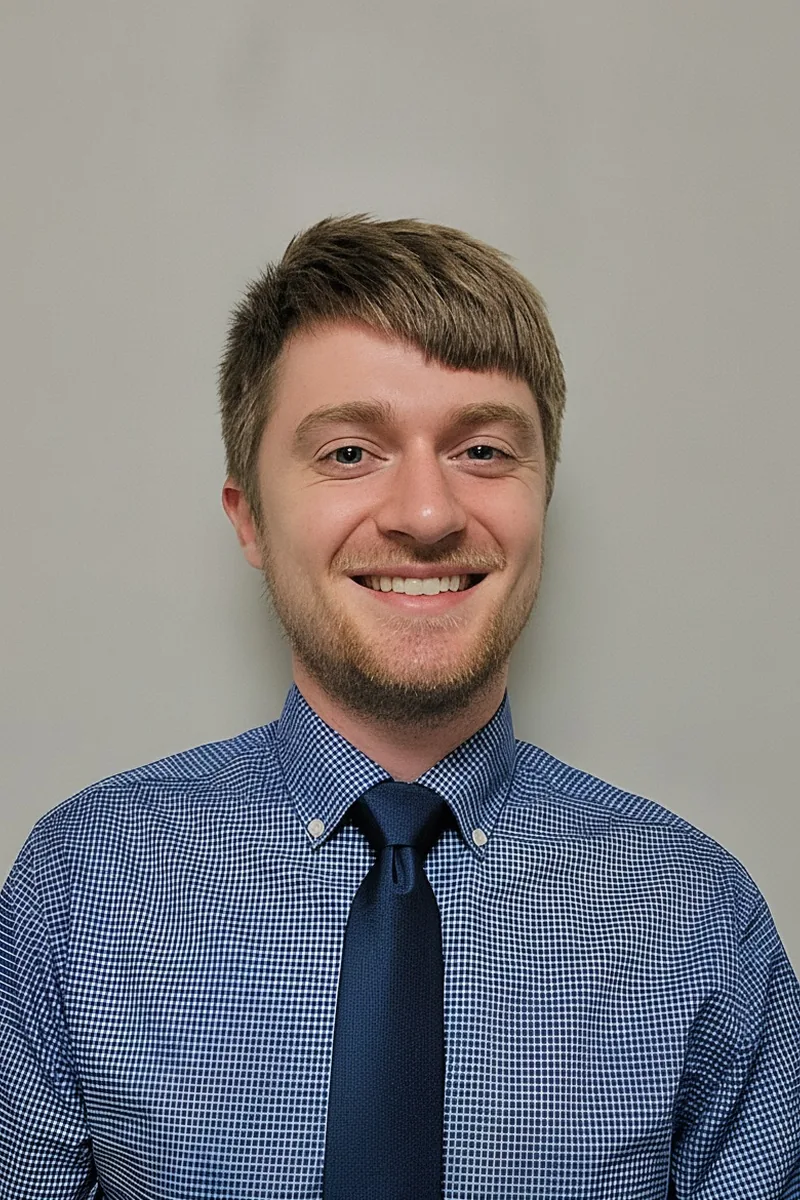
Reading literature analytically is closer to solving a physics problem than most students expect — both require identifying what's actually happening beneath the surface and building an argument from evidence. Bryan applies that same structured thinking to close reading, teaching students to trace motifs, unreliable narration, and authorial choices through specific passages rather than vague thematic summaries.

Reading widely across languages and cultures — from Amsterdam to Moscow to Beijing — shaped how Cole approaches literary analysis. He teaches students to dig into how an author's choices around structure, imagery, and point of view create meaning, turning vague "I liked this book" reactions into precise, text-grounded arguments.
Reading literature well means learning to ask better questions of a text — why does this narrator withhold information, what does this recurring image do, how does the structure shape meaning? While literature isn't Waleed's primary discipline, his lifelong reading habit and analytical engineering mindset give him a sharp eye for close reading and evidence-based interpretation. He's rated 5.0 by students across subjects.
Reading literature through a historian's lens — Amber holds a BA in History and Sociology — means she naturally connects a novel's themes to the social forces behind them. Whether a student is unpacking symbolism in *The Great Gatsby* or analyzing narrative voice in a contemporary short story, she teaches them to build interpretations grounded in the text rather than surface-level summaries.
Three years of studying Arabic literature and Middle Eastern texts at BYU taught Gary to read closely across cultural contexts — a skill that translates directly to analyzing symbolism, narrative voice, and thematic development in any literary tradition. He's particularly sharp at teaching students how to build an interpretive argument and support it with textual evidence rather than plot summary.
Studying anthropology taught Marin to read texts as cultural artifacts — asking not just what a work says but what assumptions it carries and whose perspective it centers. She brings that same analytical lens to literature, whether a student is dissecting symbolism in Toni Morrison or tracing narrative structure in a Victorian novel. Her approach turns close reading into a skill students can replicate independently on any text.
Reading literature well means learning to ask the right questions of a text — what's the narrator withholding, why does the structure shift here, how does imagery carry an argument the dialogue won't say outright. Molly's Yale coursework trained her in exactly this kind of close analytical reading across genres and periods. She teaches students to build interpretations from textual evidence rather than relying on SparkNotes summaries.
Austin approaches literary analysis the way he approaches a proof: by identifying the underlying structure before drawing conclusions. He teaches students to trace how an author's choices — imagery, syntax, narrative perspective — build toward a specific effect, turning vague impressions into arguments they can defend on paper.
An avid reader across genres, Joel approaches literature by teaching students to trace how authors use recurring motifs, narrative structure, and figurative language to build meaning. He walks through close-reading techniques that turn vague impressions into specific, text-supported arguments — the skill that separates strong literary analysis from plot summary.
An avid fiction reader with a particular love for sci-fi and fantasy, Briana brings genuine enthusiasm to literary analysis — whether the text is Shakespeare or Toni Morrison. She teaches students to unpack how devices like symbolism, unreliable narration, and structural choices create meaning, then translate those observations into well-argued analytical essays.
Reading literature closely is a lot like reading a building: every detail serves a purpose, and the interesting questions are about *why* the creator made those choices. Christianna teaches students to analyze symbolism, narrative structure, and authorial intent by slowing down and interrogating the text rather than skimming for plot.
Reading literature analytically means slowing down enough to ask why an author made a specific choice — a shift in point of view, an unusual metaphor, a structural break. Anurag approaches literary analysis the way he approached scientific research at VCU: form a hypothesis about the text, gather evidence from the language itself, and build an argument that holds up under scrutiny.
Reading literature through a philosopher's lens changes what students notice — suddenly a passage isn't just plot summary but an argument about free will, identity, or power. Calin's philosophy background gives him a knack for teaching close reading as a form of logical analysis, which translates directly into stronger thesis statements and textual evidence.
An avid reader across genres, Bhumi approaches literature by teaching students to slow down and interrogate a text — what is the author doing with point of view, why does this metaphor recur, how does structure shape meaning. She's particularly skilled at showing students how to move from a surface-level observation about a passage to a layered, arguable thesis.
Emma's background is in engineering, but her education at Maggie L. Walker Governor's School included rigorous humanities coursework that sharpened her ability to analyze themes, narrative structure, and authorial intent. She approaches literature analytically, teaching students to build interpretive arguments grounded in textual evidence rather than vague impressions.
An avid reader who counts books among her top hobbies, Roshni approaches literature by teaching students to trace motifs, analyze narrative perspective, and build arguments about a text rather than just summarize plot. She's particularly strong at connecting close reading skills to essay writing — showing how a single passage can anchor a thesis about theme or character development. Her 4.9 rating speaks to how well that analytical approach lands with students.
Reading literature through the lens of philosophy changes what students notice — suddenly a novel isn't just a plot but an argument about human nature, power, or identity. Kyle holds degrees spanning history, philosophy, psychology, and political science, which means he can unpack a text's themes from multiple disciplinary angles and teach students to write sharper analytical essays as a result.
Analyzing literature isn't so different from diagnosing a patient — both require close reading, pattern recognition, and building an argument from evidence. Sanam applies that same analytical framework to literary texts, teaching students to trace themes and dissect an author's choices rather than just summarizing plot.
Reading literature closely means learning to ask why an author made specific choices — why a metaphor lands in one context and falls flat in another, or how narrative structure shapes meaning. Ying's analytical training as an engineer might seem unrelated, but it sharpens the same skill literature demands: breaking a complex whole into parts and explaining how they fit together.
Reading a novel is one thing — understanding how an author uses symbolism, narrative voice, or unreliable narration to build meaning is another skill entirely. Samantha's psychology background gives her a unique lens for literary analysis, especially when it comes to character motivation and the emotional architecture of a text. She teaches students to build interpretive arguments that go beyond plot summary.
Reading a novel closely means noticing what an author does with point of view, symbolism, and narrative structure — and then articulating why those choices matter. Stephanie's English degree and her own fiction writing practice give her a dual perspective: she reads like a scholar and thinks like a storyteller, which makes literary analysis feel less like guesswork.
Kendra approaches literary analysis as an exercise in asking better questions — not "What happened?" but "Why did the author structure this scene as a flashback?" or "What does this recurring image actually do for the reader?" Her background in international development also gives her a sharp lens for examining texts across cultural contexts and historical periods.
I am currently a lead preschool teacher. I received my Bachelor's in Psychology from VCU and am looking to return to school to further my education. While in college, I worked as a Supplemental Instruction leader, teaching general biology and anatomy. I have also worked in an after school program with elementary age children, but I have my fondest memories volunteering as a counselor for Camp Kesem. In my own experience, I loved school and now I love teaching even more at all age levels! I especially enjoy the challenge of getting creative to discover what approach and mediums work best for each student. I am available for in person as well as online tutoring.
Reading literature as a biology student at UVA gave Kara an unusual lens — she teaches students to dissect a text's argument the way a scientist tests a hypothesis, pulling evidence from structure, imagery, and diction rather than relying on surface-level summaries. Whether the assignment involves close reading a Shakespeare soliloquy or tracing symbolism across a full novel, she makes the analytical process concrete and repeatable.
I am a graduate of Tufts University. I received my Bachelor of Arts in English as well as a minor in History. Since graduation, I have worked as a 7th grade Reading Language Arts teacher in Dallas Texas at a newly formed public all boys school. This has provided me with great experience and insight into how students best learn and how to create culturally responsive lessons that students will engage with. I am most passionate about English, Literature, History, and Spanish. In my experience, working to prepare students for state standardized tests has had the additional benefit of helping students to discover what they enjoy reading about. This increase in intrinsic motivation to read has had an important impact on struggling students. I am dedicated towards ensuring that students are provided with an education that increases their quality of life.
Unpacking a novel or poem means reading beyond plot — tracking symbolism, unreliable narrators, shifts in tone, and the choices an author makes at the sentence level. Megan's interdisciplinary background in cognitive science and studio art at UVA trained her to analyze how meaning is constructed, a skill she carries directly into close reading and literary analysis.
Reading literature analytically means learning to ask what a text is doing, not just what it's about — tracking how an author uses imagery, structure, or point of view to build meaning. Allison's science background might seem unrelated, but it trained her to read closely and construct evidence-based arguments, skills she applies directly to poetry explication and essay-driven literary analysis.
Shahad approaches literature by teaching students to read like investigators — tracking how a symbol shifts meaning across chapters, or why an author chooses a particular narrative structure. Her science background actually sharpens this: she's trained to look at evidence closely and build an interpretation that the text supports. Students come away knowing how to construct a literary argument, not just summarize a plot.
Reading widely across science and the humanities gives Yashwant an unusual lens for literary analysis — he's comfortable dissecting symbolism in a novel or unpacking an author's argument in a dense essay. He teaches students to build interpretive claims from textual evidence rather than summarizing plot, a skill that transfers directly to timed AP and college-level writing.
Studying English and comparative literature taught Julia to read on multiple levels — tracking symbolism in a novel while also analyzing how narrative structure shapes a reader's experience. She unpacks everything from Shakespeare's verse to contemporary fiction by asking students to build interpretations from the text outward, grounding every claim in specific passages.
An avid reader outside the classroom, Devan approaches literature by teaching students to trace themes and motifs across a text rather than summarizing plot. He breaks down close-reading techniques — examining diction, tone, and narrative structure — so students can build arguments that hold up in class discussion and on essays.
Close reading is a skill that transfers across every genre, and Zeke approaches literature by teaching students to track patterns — recurring imagery, shifts in tone, unreliable narration — rather than hunting for a single "correct" meaning. His economics background at UVA actually sharpened this: analyzing arguments and evidence in dense texts was a daily requirement. He's especially comfortable with the essay-driven analysis that AP and honors English courses demand.
Reading literature well means tracking how form shapes meaning — why a narrator withholds information, how a metaphor shifts across a novel, what a poem's line breaks actually do. Armando's deep background in composition makes him especially attuned to structural choices in texts, and he teaches students to analyze prose and poetry with the same close attention a composer gives to a score.
Reading literature closely — identifying narrative voice, tracking symbolic patterns, building a defensible interpretation — requires the same analytical discipline Braveen developed studying policy arguments and public health case studies. He teaches students to treat a novel or poem as something to interrogate, pulling specific textual evidence before forming a thesis.
Reading a novel and actually analyzing it are two very different skills, and Amanda bridges that gap by teaching students to interrogate a text's choices — why an author uses an unreliable narrator, how symbolism threads through chapters, what a shift in tone signals about theme. Her English degree from VCU grounded her in everything from American realism to contemporary fiction.
Reading a novel closely and actually writing about it persuasively are two different skills, and the second one is where most students struggle. Anmol approaches literary analysis the way he approaches code — breaking a text into its components (imagery, structure, character motivation) and examining how each piece functions within the whole. It's a methodical style that works especially well for students who don't consider themselves "English people."
A science major who reads closely by training — dissecting research papers, pulling apart arguments, identifying what evidence actually supports — Shona brings that same analytical rigor to literary texts. She teaches students to move beyond plot summary and dig into how authors use structure, imagery, and voice to build meaning.
Completing the full IB Diploma — including Higher Level English — gave Brittany practice dissecting everything from poetry to novels under timed, analytical pressure. She teaches students to build literary arguments around specific devices like imagery, narrative voice, and symbolism rather than summarizing plot. Her 5.0 rating speaks to how well that close-reading approach clicks.
Palak approaches literature as close reading first: identifying how an author's choices in diction, structure, or imagery build meaning before jumping to thematic arguments. Her own love of reading and writing gives her a natural ear for textual detail, and she teaches students to build interpretive claims that are grounded in the language of the passage itself.
Pre-med coursework means Monika spends most of her time in biology and chemistry textbooks, but her college essays and writing background reveals a second gear — she knows how to slow down with a piece of writing and pull apart how an author uses specific language to shape a reader's response. She teaches students to move from noticing something interesting in a passage to articulating exactly why it matters in a clear, thesis-driven argument.
Testimonials
Because the right Literature tutor makes all the difference.
Average Session Rating – Based on 3.4M Learner Ratings
Other Virginia Beach Tutors
Related English Tutors in Virginia Beach
Frequently Asked Questions
Many students struggle with literary analysis—moving beyond plot summary to interpret themes, symbolism, and author's intent. Others find it difficult to develop strong thesis statements for essays or organize their arguments coherently. Time management is another challenge, especially when balancing multiple reading assignments with essay deadlines. Personalized tutoring helps students break down these skills into manageable steps and build confidence in their analytical writing.
Tutors work with you on every stage of the writing process—from brainstorming and thesis development to drafting and revision. They provide personalized feedback on your arguments, help you strengthen your evidence with textual support, and guide you through organizing your ideas logically. With one-on-one instruction, you'll develop a clearer writing voice and learn strategies for tackling different essay types, whether analytical, comparative, or persuasive.
Expert tutors teach you strategies for active reading—annotating text, identifying key passages, and asking critical questions as you read. They help you move beyond surface-level understanding to analyze how authors use literary devices like symbolism, imagery, and tone to convey meaning. Through guided discussions and practice with different texts, you'll develop stronger interpretive skills and confidence in class discussions and written analysis.
Your first session focuses on understanding your goals, learning style, and specific challenges—whether that's essay writing, test preparation, or understanding a particular text or author. The tutor will assess your current skills, discuss what you're working on in class, and create a personalized plan tailored to your needs. This foundation helps ensure all future sessions are targeted and effective.
Writer's block often stems from perfectionism or unclear thinking about your topic. Tutors teach practical techniques like freewriting, outlining before drafting, and breaking essays into smaller sections to make the task feel less overwhelming. They also help you clarify your thesis and main arguments first, which gives you a roadmap to follow. With regular practice and personalized guidance, you'll develop confidence and momentum in your writing.
Absolutely. Proper citation is a crucial part of literary analysis essays, and tutors can teach you the specific format your class requires—whether MLA, APA, Chicago, or another style. They'll show you how to integrate quotes smoothly into your writing, format your works cited or reference page correctly, and avoid plagiarism. Since citation rules can feel tedious, personalized instruction makes the process clearer and less frustrating.
Yes, Varsity Tutors connects students in Virginia Beach with expert tutors who understand the literature curriculum across the area's schools and districts. Whether you attend a public or private school, tutors are familiar with common texts, essay requirements, and standards taught at your grade level. This local knowledge helps them provide relevant, targeted support for your specific coursework.
The right frequency depends on your goals and challenges. Some students benefit from weekly sessions to build skills over time, while others prefer bi-weekly meetings or intensive support before major essays or exams. Your tutor will help you determine a schedule that fits your needs and allows time to practice between sessions. Consistency matters more than frequency—regular practice with feedback leads to real improvement.
Let’s find your perfect tutor
Answer a few quick questions. We’ll recommend the right plan and match you with a top 5% tutor.