Award-Winning Latin Tutors
serving Washington, DC
Latin
Tutors in Washington
Private 1-on-1 tutoring, weekly live classes for academic support, test prep & enrichment, practice tests and diagnostics, and more to elevate grades and test scores.
Based on 3.4M Learner Ratings
UniversitiesSchools & Universities
DeliveredHours Delivered
ProficiencyGrowth in Proficiency
Who needs tutoring?
No obligation. Takes ~1 minute.

Headed to Columbia's medical school, Tyler knows firsthand how Latin vocabulary threads through anatomy, pharmacology, and clinical terminology — but his Latin teaching goes beyond roots and prefixes into the grammatical scaffolding that makes the language work. He covers both Latin 1 and Latin 2, walking students through conjugation patterns and case usage with the same methodical approach he applies to his biology and standardized test prep.
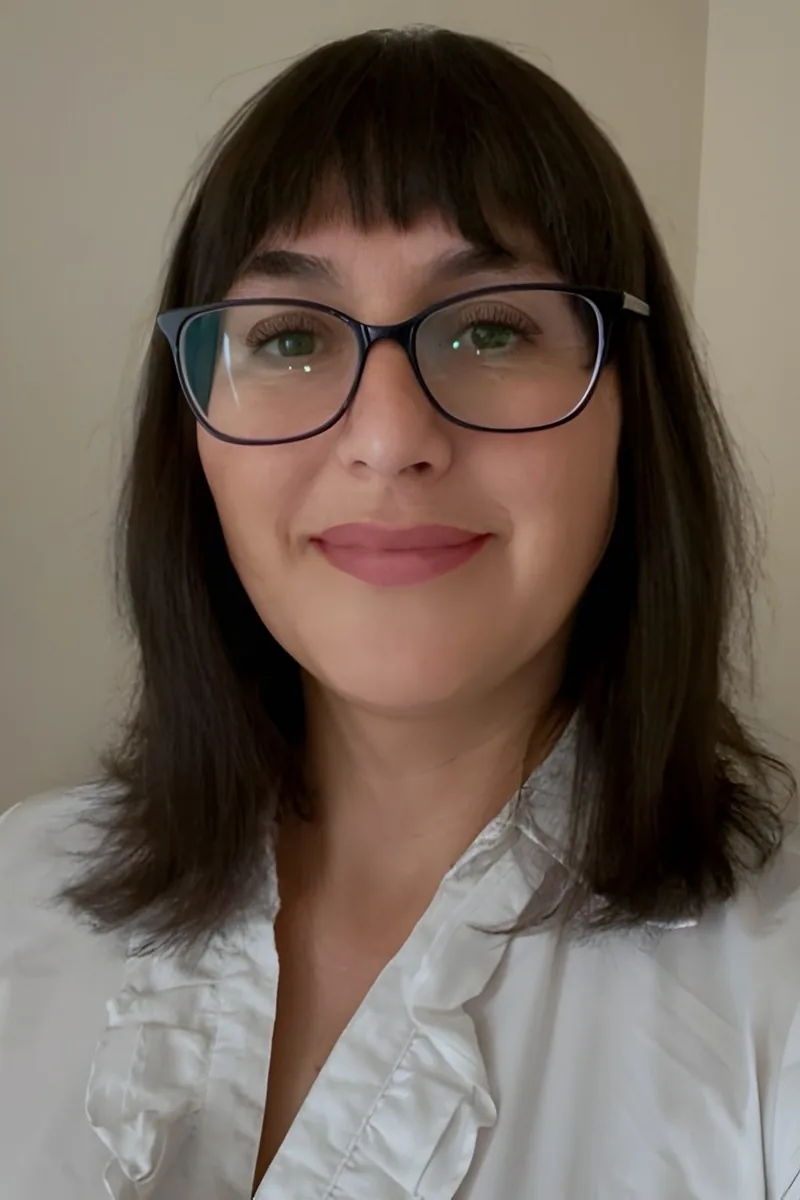
Cristiana earned her BA in Classics from Tor Vergata University in Rome, where Latin wasn't just an academic exercise but part of the scholarly air she breathed daily. She tackles declensions, conjugations, and prose composition by connecting grammar to the literature students actually want to read — Caesar, Cicero, Virgil — so syntax rules stick because they're attached to real sentences.
Reading original Latin manuscripts is central to James's paleography work at Yale, giving him a relationship with the language that goes well beyond grammar drills. He breaks down complex constructions — ablative absolutes, indirect discourse, purpose clauses — by connecting them to real passages from Vergil, Caesar, and Cicero so the syntax starts to feel intuitive.
Four levels of Latin coursework gave Noah deep familiarity with declensions, conjugations, and the sentence structures that trip students up most — ablative absolutes, indirect statements, and purpose clauses. He approaches Latin translation almost like parsing code: breaking a sentence into its grammatical components before assembling meaning. That systematic method makes even dense passages from Caesar or Virgil feel manageable.
Zachary's PhD work at Harvard sits squarely at the intersection of German philosophy and classics, meaning he reads Latin not as a classroom exercise but as a daily tool for engaging with primary texts in their original language. He teaches all four levels and is especially sharp on the grammatical precision needed for dense philosophical and literary passages — ablative constructions, purpose clauses, and the kinds of nested relative clauses that make students' eyes glaze over until someone unpacks the logic holding them together.
Physics training builds a habit of reading equations as sentences — every symbol has a role, every operation has a reason — and Cory applies that same structural decoding to Latin grammar, where case endings and verb forms function like variables in a well-defined system. He's not a classicist, but his 4.9 rating across dozens of subjects reflects someone who can break any rule-driven discipline into logical, learnable steps, which is exactly what first- and second-year Latin students need when declension tables start to blur together.
Psychology's technical vocabulary is packed with Latin — terms like "affect," "stimulus," "ego," and "corpus callosum" all come straight from the language, and Aneri's neuroscience coursework at Cornell means she hits these roots constantly. She teaches Latin 1 and 2 with a knack for turning conjugation and declension patterns into something systematic, drawing on the same analytical rigor that earned her a 1520 SAT. Her SAT Subject Test preparation in Latin adds direct experience with the kind of grammar and reading comprehension the language demands.
Having studied Latin intensively through advanced levels at Yale, Malina treats the language as a system of interlocking patterns rather than a list of endings to memorize. She digs into how ablative absolutes, indirect discourse, and subjunctive clauses actually function in passages from Caesar, Virgil, and Cicero — so students learn to read Latin, not just decode it.
As a Classics major at Carleton who aspires to teach high school Latin full-time, Emma has spent years immersed in the language — not just grammar drills, but reading original texts alongside Ancient Greek and the historical contexts that bring both languages to life. She covers all four levels plus AP Latin, and her weekly tutoring at a nearby high school means she's constantly refining how she explains everything from first-year noun declensions to the subjunctive constructions that trip up advanced students.
Holding a Master's degree in Latin, Catherine doesn't just teach the language — she lives in its literature, grammar, and history at a level most tutors can't match. She covers every level from Latin 1 through AP, with particular strength in guiding students from early declension patterns into reading authentic prose and poetry with real confidence. Rated 5.0 by students, she also teaches Greek, giving her the kind of cross-classical perspective that illuminates how Latin syntax and vocabulary function within the broader ancient world.
Four years of Latin at Notre Dame — enough to earn a minor — gave Lauren deep fluency with declensions, conjugations, and the grammatical logic that makes translating Virgil or Caesar feel less like guesswork. She teaches students to parse sentence structure methodically, starting with verb identification and working outward, so even complex passages become manageable. Rated 5.0 by students.
Having taught Latin 1 through Latin 4, Cassandra covers everything from first-declension nouns to translating Virgil and Cicero at an advanced level. Her literary training means she doesn't just parse grammar mechanically — she unpacks how word order, meter, and rhetorical figures create meaning in the original text.
Testimonials
Because the right Latin tutor makes all the difference.
Average Session Rating – Based on 3.4M Learner Ratings
Other Washington Tutors
Related Languages Tutors in Washington
Frequently Asked Questions
Latin builds a strong foundation for understanding English vocabulary, grammar, and the Romance languages like Spanish and French. Beyond academics, studying Latin develops critical thinking skills and provides insight into ancient Roman culture, history, and literature—knowledge that enriches understanding of Western civilization. Many Washington, DC students find Latin particularly valuable for standardized test preparation, as Latin roots appear frequently in vocabulary sections of the SAT and ACT.
Verb conjugation is one of the most challenging aspects of Latin, requiring students to master multiple tenses, moods, and person-number combinations. Personalized 1-on-1 instruction allows tutors to break down conjugation patterns systematically, identify where your student is struggling, and provide targeted practice with immediate feedback. Rather than moving through conjugations at a classroom pace, tutors can spend as much time as needed on specific verb families and tenses until your student builds confidence and automaticity.
Effective vocabulary retention relies on spaced repetition, active recall, and connecting new words to familiar English cognates and roots. Tutors can help your student organize vocabulary by semantic categories, create mnemonic devices, and use retrieval practice techniques—reviewing words at strategic intervals rather than cramming. With personalized instruction, tutors also tailor vocabulary practice to your student's specific curriculum and upcoming assessments, ensuring study time is focused and efficient.
Latin reading comprehension requires understanding grammar, vocabulary, and cultural context simultaneously. Tutors work with students to develop systematic approaches to parsing sentences, recognizing grammatical structures, and translating accurately. Personalized instruction allows tutors to select texts matched to your student's level, provide guided practice with challenging passages, and build the confidence needed to tackle longer works like Cicero or Ovid independently.
Yes—understanding Roman culture, history, and society enriches Latin study significantly. Tutors can connect vocabulary and texts to the historical periods in which they were written, explain cultural references, and help students appreciate the literature and ideas that shaped Western civilization. This contextual approach makes Latin more engaging and helps students understand not just how to translate Latin, but why the language and culture matter.
During an initial session, a tutor will assess your student's current Latin level, identify specific challenges (whether verb conjugation, translation, or comprehension), and learn about their academic goals. The tutor will then develop a personalized plan tailored to your student's needs and pace. This first meeting establishes the foundation for focused, effective instruction and gives you and your student a clear sense of how tutoring will help them succeed.
Absolutely. Tutors can review homework assignments, clarify concepts your student finds confusing, and work through practice problems together. For test preparation, tutors help students review key grammar concepts, practice translation passages, and build test-taking strategies. With Washington, DC having 292 schools across 71 school districts, curriculum standards vary—tutors work with your student's specific coursework and assessments to ensure preparation is targeted and effective.
Varsity Tutors connects you with expert tutors who specialize in Latin instruction. You'll share information about your student's current level, specific challenges, and learning goals. Tutors are matched based on expertise, availability, and teaching style to ensure a strong fit. Once matched, you can schedule sessions at times that work for your family and begin personalized instruction right away.
Let’s find your perfect tutor
Answer a few quick questions. We’ll recommend the right plan and match you with a top 5% tutor.