Award-Winning Korean Tutors
serving Los Angeles, CA
Award-Winning
Korean
Tutors in Los Angeles
Private 1-on-1 tutoring, weekly live classes for academic support, test prep & enrichment, practice tests and diagnostics, and more to elevate grades and test scores.
Based on 3.4M Learner Ratings
UniversitiesSchools & Universities
DeliveredHours Delivered
ProficiencyGrowth in Proficiency
Who needs tutoring?
No obligation. Takes ~1 minute.
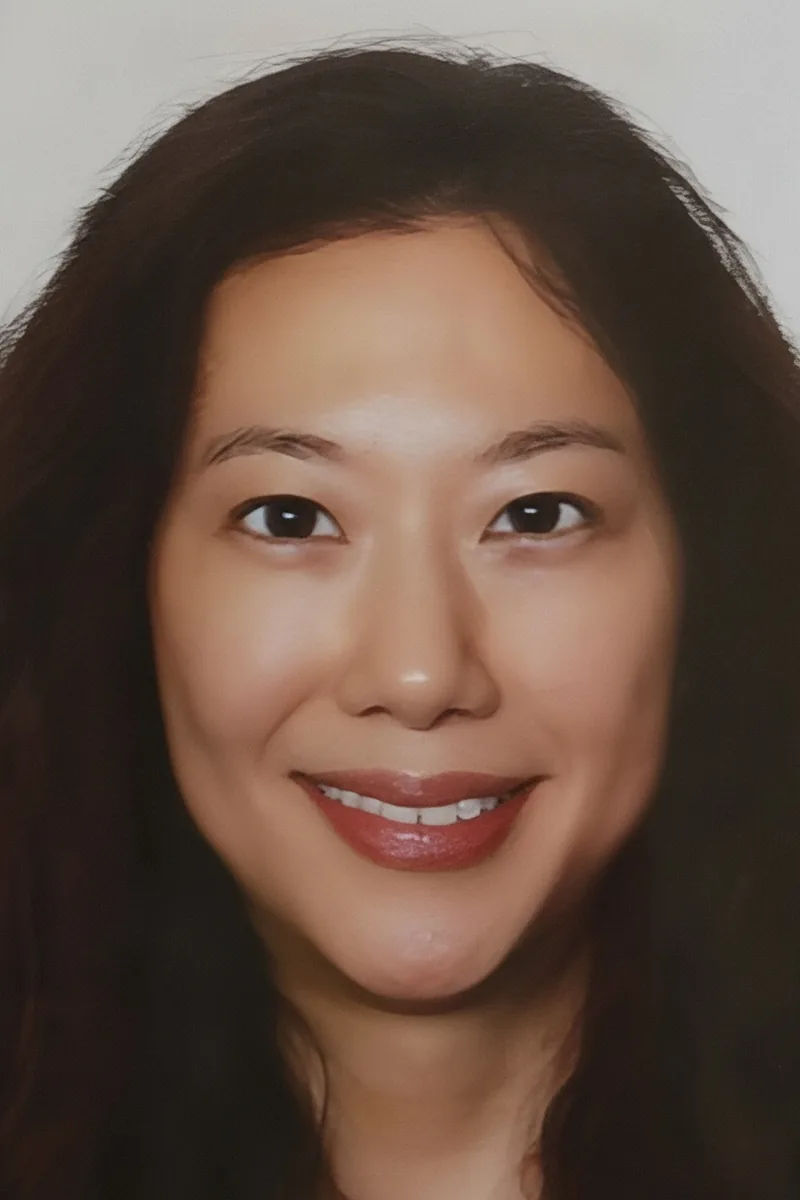
As a native-level Korean speaker with a philosophy background, Moon breaks down the language's hierarchical speech levels and grammatical particles in a way that actually makes structural sense to English speakers. Whether a student is tackling 존댓말 for the first time or working through reading comprehension of longer passages, the explanations stick because they're grounded in logic, not rote repetition.
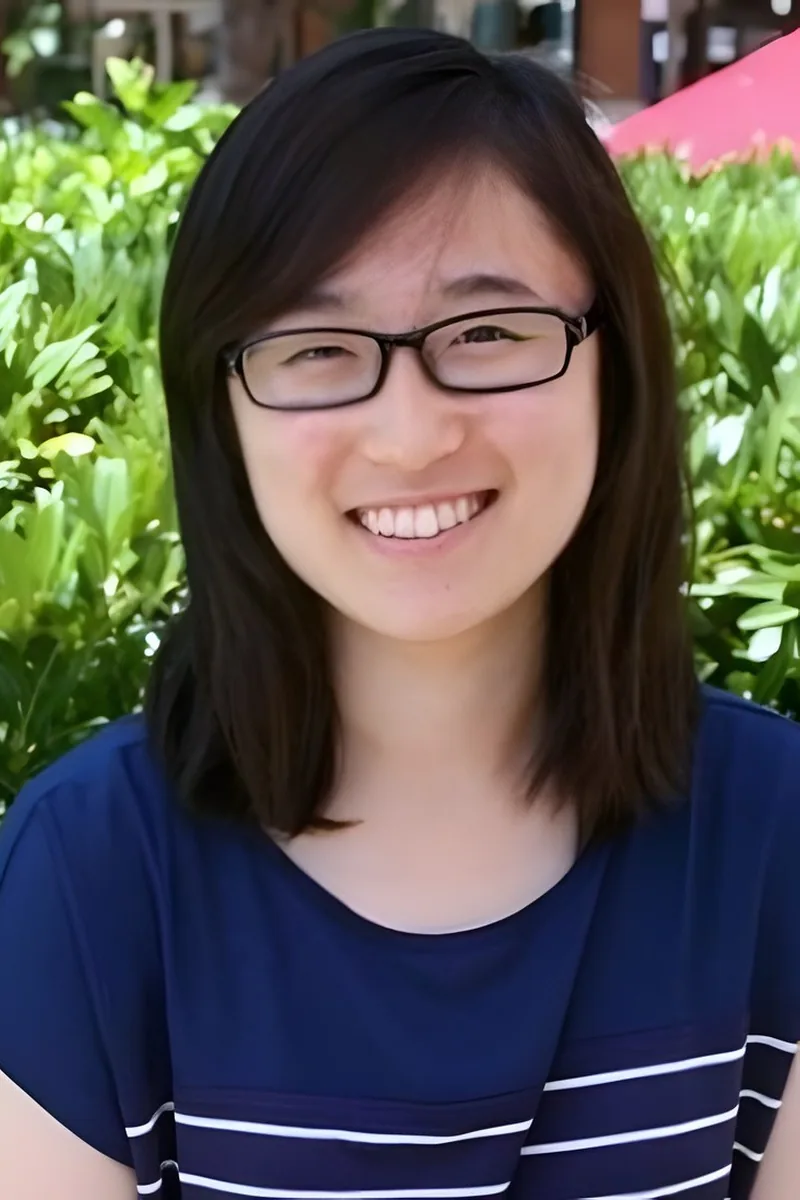
Grace scored high enough on the SAT Subject Test in Korean with Listening to tutor the language at multiple levels, from hangul basics and sentence structure to more nuanced reading and conversational fluency. She approaches Korean with the same structured methodology she uses in her UChicago teaching program — breaking grammar patterns into manageable pieces and building from there.
Sophia's pharmacy doctorate required years of dense scientific reading and precise technical communication — skills she now channels into teaching Korean at the beginner level, where careful attention to hangul syllable blocks and basic sentence patterns makes all the difference early on. She keeps lessons relaxed and conversational, building vocabulary and grammar fundamentals at a pace that doesn't overwhelm new learners.
Seong is a heritage Korean speaker who also prepared for the SAT Subject Test in Korean with Listening, giving her both native fluency and an understanding of how Korean grammar is formally tested. She digs into the particles, honorific levels, and sentence-ending structures that trip up learners at every stage. Whether a student is building conversational skills or preparing for a standardized exam, she can adjust the pace and complexity accordingly.
Teresa's double major in Biology and Hispanic Studies at Boston College means she's no stranger to learning languages with discipline and structure — Korean is one she speaks and loves teaching most. She zeroes in on the rhythm of natural conversation, helping learners internalize speech patterns and vocabulary through context rather than isolated drills. Rated 4.8 by her students.
As a teaching assistant for Elementary Korean at Georgia Tech's School of Modern Languages, Brian taught everything from Hangul character recognition to basic verb conjugation and particle usage. He breaks down Korean sentence structure — subject-object-verb order, honorific levels, topic vs. subject markers — in ways that make the grammar intuitive for English speakers. Rated 5.0 by students.
Studying neuroscience at Brown doesn't obviously connect to Korean — but James's experience learning the language alongside rigorous coursework means he understands how to fit consistent practice with hangul, vocabulary, and grammar into a demanding schedule. He takes a structured, patient approach to building reading and speaking skills, rated 4.9 by his students.
Peace teaches Korean with attention to the specific hurdles English speakers face — from mastering Hangul's syllable blocks to internalizing subject-object-verb word order and the honorific speech levels that shape everyday conversation. Her approach connects grammar patterns to real usage so vocabulary and sentence structure stick beyond flashcard drills.
Addison is a Korean speaker who has prepared for the SAT Subject Test in Korean with Listening, giving her familiarity with formal grammar patterns, honorific levels, and vocabulary that trips up heritage speakers and new learners alike. She explains conjugation rules and sentence structure with the same precision she brings to her science coursework at Rice.
I am a undergraduate freshman of the University of Michigan, studying business at the Ross School of Business. Working together with students and having a good time while seeing steady improvements has proven to provide me great joy. I believe that communication and relationship building is crucial for students to open up about their struggles and also for me to identify problems they don't realize they can improve on, so this is a key aspect of all of my lessons. During my free time, I enjoy playing sports or snacking on desserts while binge-watching Friends!
As a member of a Korean hip-hop dance group at Cornell, Andrew engages with Korean language and culture well beyond the classroom. He tackles tricky concepts like honorific levels, particle usage, and Hangul reading fluency by grounding them in real conversational contexts — music, media, and everyday dialogue — so students build practical skills alongside formal grammar.
I am a graduate from UCLA and currently working as a CPA; however, I have been enjoying time to teach the Korean language and culture when I have extra time.
Testimonials
Because the right Korean tutor makes all the difference.
Average Session Rating – Based on 3.4M Learner Ratings
Nearby Korean Tutors
Other Los Angeles Tutors
Related Languages Tutors in Los Angeles
Frequently Asked Questions
Your first session is designed to understand your current level, learning goals, and preferred pace. A tutor will assess your Korean proficiency—whether you're starting from scratch or building on existing skills—and discuss what you want to achieve, whether that's conversational fluency, test preparation, or academic coursework. This foundation helps create a personalized learning plan tailored to your needs.
Many students struggle with Korean's writing system (Hangul) initially, though it's actually one of the most logical alphabets to learn. Others find the grammar structure—including particles, verb conjugations, and formal vs. informal speech levels—quite different from English. Pronunciation and listening comprehension can also be challenging, especially distinguishing similar sounds. Personalized instruction addresses these specific pain points with targeted practice rather than one-size-fits-all classroom approaches.
According to the Foreign Service Institute, reaching professional-level proficiency in Korean requires approximately 2,200 hours of study. However, conversational fluency—the ability to handle everyday situations—typically develops much faster with consistent, focused practice, often within 6-12 months of regular study. The timeline depends on your starting point, study frequency, and immersion level, which is why personalized tutoring can accelerate progress by targeting your specific goals.
In a typical Los Angeles classroom with an average student-teacher ratio of 19:1, instruction moves at a set pace that may not match your learning speed. Personalized tutoring allows a tutor to focus entirely on your needs—spending extra time on grammar concepts that confuse you, accelerating through material you grasp quickly, and adjusting teaching methods to match how you learn best. You also get immediate feedback and can ask questions without worrying about holding back the class.
Absolutely. Whether you're in a Korean language course, AP Korean, or an IB program, tutoring can reinforce classroom learning and help you master specific skills like reading comprehension, writing essays, or oral presentations. A tutor can also help you prepare for standardized assessments like the TOPIK (Test of Proficiency in Korean) or AP exams, which have specific formats and vocabulary requirements that benefit from targeted practice.
Speaking anxiety is common when learning a new language, especially with grammar rules and pronunciation concerns. Personalized tutoring creates a low-pressure environment where you practice speaking regularly with immediate, constructive feedback. A tutor can help you build confidence through conversation practice, correct pronunciation issues in real-time, and teach you strategies for handling unfamiliar situations—skills that classroom settings often don't prioritize.
Look for tutors with native or near-native fluency, ideally with teaching experience or background in Korean language instruction. Many expert tutors have lived in Korea, studied Korean linguistics, or taught in language programs. When you connect with Varsity Tutors, you can discuss a tutor's specific experience with your goals—whether that's conversational Korean, test prep, or academic coursework—to ensure the best fit.
Yes. Advanced learners often benefit from tutoring focused on business Korean, formal writing, nuanced grammar, or preparing for proficiency exams like TOPIK Level 5-6. A tutor can also help with cultural context, idioms, and media comprehension—skills that take learners from conversational to truly fluent. Personalized instruction is especially valuable at advanced levels, where classroom options in Los Angeles may be limited.
Let’s find your perfect tutor
Answer a few quick questions. We’ll recommend the right plan and match you with a top 5% tutor.