Award-Winning English Tutors
serving Miami, FL
English
Tutors in Miami
Private 1-on-1 tutoring, weekly live classes for academic support, test prep & enrichment, practice tests and diagnostics, and more to elevate grades and test scores.
Based on 3.4M Learner Ratings
UniversitiesSchools & Universities
DeliveredHours Delivered
ProficiencyGrowth in Proficiency
Who needs tutoring?
No obligation. Takes ~1 minute.

Between her literature coursework at Duke and her deep experience with essay editing, Michelle covers the full range of English skills — analytical reading, argumentative writing, and rhetorical awareness. She's particularly sharp at teaching students how to dissect an author's choices and translate that analysis into well-organized, evidence-driven essays. Rated 5.0 by students.
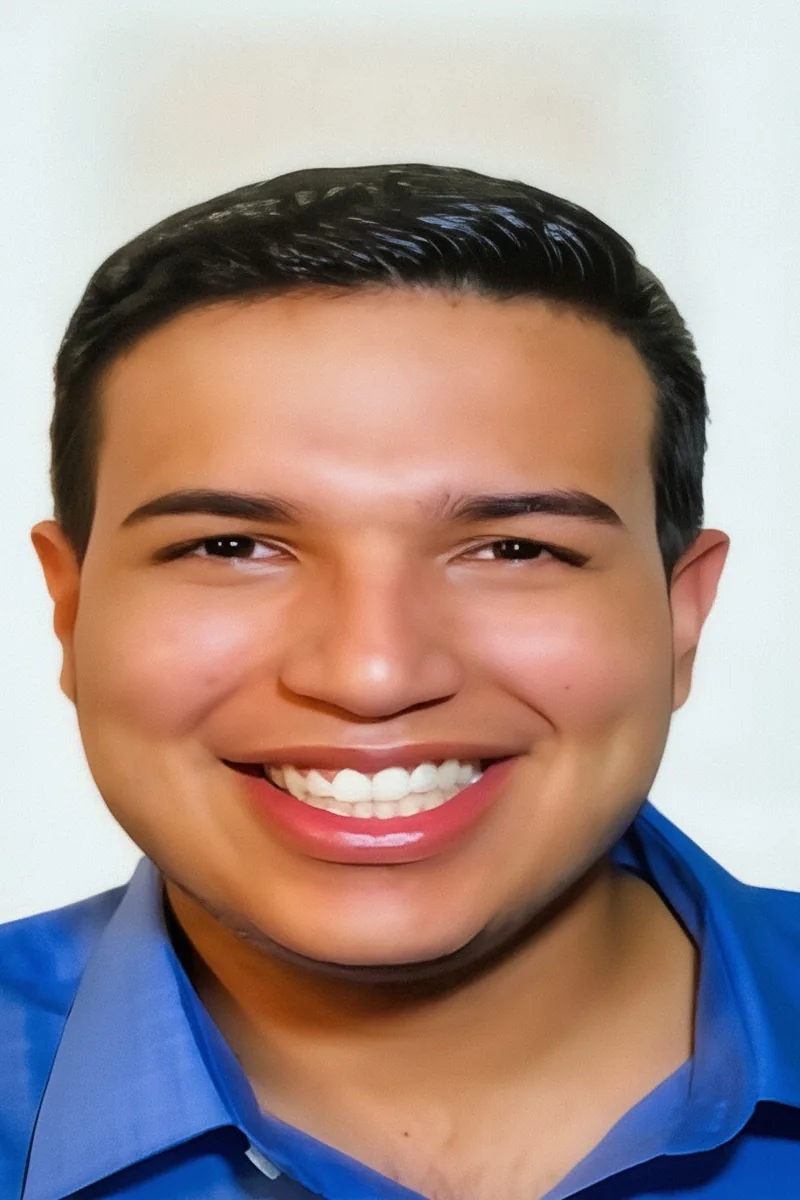
Between writing college essays that earned a Harvard acceptance and analyzing literature across 16 AP courses, Derek developed a practical command of reading comprehension and written argument. He teaches students to identify an author's structural choices — how a thesis is supported, how tone shifts, how evidence is woven in — so they can both analyze texts and strengthen their own writing.
Reading closely and writing persuasively are skills Caitlin sharpens daily as a humanities major at Duke, where her coursework demands constant analysis of complex texts across cultures and time periods. She teaches students to identify an author's argument, track how evidence builds, and craft thesis-driven essays with specific textual support — the exact skills that show up on standardized tests and in classroom assignments alike.
Even as an engineering student, Nicolas earned his way into Princeton partly through sharp reading and writing skills — his 1580 SAT reflects command of both quantitative and verbal reasoning. He tackles English fundamentals like thesis construction, close reading, and evidence integration with the same structured, logical approach he brings to technical subjects.
Reading closely and writing persuasively are skills Manuela sharpened across two disciplines — literary analysis in her Romance Languages major and evidence-based argumentation in her pre-med sciences. She teaches students to dissect a passage for tone, structure, and rhetorical moves before building their own thesis-driven essays. Her 1520 SAT score speaks to the same analytical reading and writing abilities she brings to every session.
Beyond her math expertise, Dalila is an avid reader and writer who brings analytical precision to English. She teaches students to dissect a prompt, build a thesis with clear supporting evidence, and revise their own work with a critical eye — skills that turn scattered ideas into polished, persuasive writing.
A lifelong reader and writer who pursued a formal Writing minor alongside his science degree, Andrew brings genuine enthusiasm for language to every session. He breaks down grammar rules, thesis construction, and close-reading techniques by connecting them to whatever a student is already reading — making the analytical side of English feel less abstract and more like a conversation about ideas.
Engineering students write more than most people expect — lab reports, technical proposals, literature reviews — and Apoorva brings that precision to English tutoring. She's particularly effective at teaching students how to build an argument with textual evidence and structure paragraphs so each one advances a single claim. Her experience with SAT reading and literature gives her a solid handle on both analytical writing and close reading.
Robert's English Literature degree gives him a deep well to draw from, whether a student is annotating a Shakespeare sonnet or drafting a five-paragraph essay on *The Great Gatsby*. He teaches reading and writing as connected skills — showing students how analyzing an author's choices on the page directly improves their own ability to construct clear, compelling arguments.
Between a history degree, a master's in global health, and years of academic writing, Adriana has produced everything from close literary analyses to research-driven policy papers. She teaches English skills — thesis development, evidence integration, rhetorical awareness — through the kind of iterative drafting process that actually improves writing over time. Rated 5.0 by students.
Every day in his middle school Language Arts classroom, Conor walks students through close reading of complex texts, from dissecting an author's argument to identifying tone and figurative language. His experience prepping students for Florida's state reading and writing assessments sharpened his ability to pinpoint exactly where a student's comprehension breaks down — whether it's making inferences, citing textual evidence, or organizing a written response.
Between triple-majoring in math, computer science, and chemistry and now pursuing his MD, Lance has written everything from literary analyses to lab reports to medical case studies — and the analytical reading and argumentation skills transfer across all of them. He teaches students how to build a thesis from textual evidence, structure paragraphs for maximum impact, and revise their own prose with a critical eye.
Earning her associate's degree while still in high school meant Marissa was writing college-level analytical essays and reading literature at a pace most students don't encounter until freshman year. That experience shows up in how she tackles English — she walks through thesis construction, close reading of texts, and evidence integration as connected skills rather than separate assignments. Rated 4.8 by students.
Between literature analysis, essay writing, and language mechanics, English class asks students to juggle very different skills at once. Ashley's approach is to anchor everything in close reading — once a student can pull apart what a passage actually says, the writing and grammar follow more naturally. Her international law background adds a sharp eye for argument and evidence.
Reading comprehension and essay writing both improve when a student learns to ask better questions of a text — what's the author's claim, what evidence supports it, and where are the gaps? Marina teaches these analytical habits across fiction and nonfiction, drawing on her UCLA humanities training and her experience tutoring English learners in Guatemala. She's comfortable adjusting complexity from paragraph-level responses to full literary analysis essays.
Between literature analysis, college essay coaching, and years of SAT verbal prep, Viraj has developed a knack for teaching the connective tissue of English — how to read a passage critically, construct a clear argument about it, and revise until the writing actually says what you mean. His scientific training makes him unusually precise about evidence and logic in literary analysis. Students who think of themselves as 'math people' often click with his structured approach to reading and writing.
Scoring a 1500 SAT required Cavan to sharpen his reading comprehension and analytical writing alongside his math skills. He brings that balanced skill set to English tutoring, walking students through how to build a thesis from textual evidence and how to revise their own writing with a critical eye.
Between her SAT score of 1500 and her personal love of reading and writing, Veronica brings both tested skill and genuine enthusiasm to English. She unpacks how to analyze literary devices in context — not just identify a metaphor, but articulate what it accomplishes in the passage's larger argument or narrative arc.
Covering everything from reading comprehension to essay structure, Juan draws on his experience tutoring American literature, editing college essays, and coaching ACT English and Reading. He tackles English by connecting grammar mechanics to real writing tasks — showing students how sentence variety, evidence selection, and clear thesis statements transform a rough draft into a polished piece.
Kelsey reads everything from philosophy to comic books, and that range is exactly what makes her effective with students who think they hate English. Her Great Books education at St. John's College trained her to pull arguments out of dense texts and build written responses around evidence — skills she now teaches by connecting readings to whatever a student actually cares about. She's found that once a student sees how a piece of literature speaks to their own life, the analytical writing follows naturally.
Between IB literature courses, AP history essays, and polishing her own Dartmouth application, Solange has spent years dissecting how written arguments actually work — from thesis construction to close reading of figurative language. She's 5.0-rated and especially sharp at teaching students to move from "I sort of get the passage" to writing a clear, evidence-driven analysis.
Reading dense material and constructing clear, evidence-based arguments are skills Felix sharpened across years of scientific literature review and medical education. He teaches students to dissect a passage's structure — identifying thesis, supporting evidence, and rhetorical moves — before attempting to respond to it. That analytical framework transfers directly to timed essay writing, literary analysis, and close reading assignments.
Between her love of reading novels and her experience crafting college-level research papers in medicinal chemistry, Madeline tackles English from both the creative and analytical sides. She teaches students to break down an author's argument or literary technique, then translate that analysis into well-organized, evidence-driven essays.
Max's background spans close reading, analytical writing, and literary interpretation — skills he honed through both his history training and his work on standardized test prep. He tackles English by connecting reading comprehension to writing craft, showing students how an author's word choice and structure create meaning they can identify on the page and then apply in their own essays.
A voracious reader of everything from poetry to fiction to nonfiction, Dylann earned her English degree with a creative writing focus at the University of Miami and brings that literary range to her tutoring. She digs into close reading techniques — analyzing tone, identifying rhetorical strategies, building thesis-driven arguments — so students learn to engage with texts actively instead of skimming for surface-level answers.
Between literature analysis, essay writing, and grammar fundamentals, English class asks students to juggle very different skills at once. Valerie zeroes in on the writing side — crafting thesis statements, organizing body paragraphs with clear evidence, and revising for clarity — an approach shaped by years of producing polished business and academic documents through her MBA program.
Minoring in English Literature while earning her science degree at the University of Miami gave Veena an unusual range — she's as comfortable unpacking a novel's themes as she is dissecting a persuasive argument. She teaches close reading techniques that sharpen how students interpret texts and build written arguments, skills her 5.0 rating suggests are landing well.
Strong English skills require more than just reading — they demand the ability to analyze an author's choices and articulate a clear argument about them. Gianfranco teaches students how to move from vague observations about a text to structured, evidence-driven claims, drawing on his experience with both literature analysis and essay editing. His math-trained mind gives his approach to thesis construction and paragraph organization a satisfying logical clarity.
An English major at the University of Chicago, Isabella lives inside close-reading and argumentation every day — dissecting how authors build meaning through diction, structure, and rhetorical strategy. She's particularly sharp at teaching students how to move from a vague observation about a text to a specific, defensible thesis they can support with evidence.
Between writing college-level lab reports and crafting her own application essays, Sofia developed a sharp eye for clear, well-organized prose. She tackles English skills like reading comprehension, thesis development, and textual analysis by encouraging students to ask what a passage is actually doing — not just what it says. Her 5.0 rating speaks to how well that analytical approach translates for students.
I am working towards a Bachelor of Arts in Pure and Applied Mathematics as well as a Bachelor of Arts in Astronomy and Physics. I have enjoyed studying math and science since I was in elementary school. I would always help my friends out by answering their questions about the material. For about the last five years, I have had my own tutoring business where I have tutored a wide variety of math courses from elementary school math to pre-calculus and calculus. I like to make sure my students have a complete understanding of the core concepts before going into practice questions. I have also had experience helping my peers with physics and computer science courses.
Preparing for law school sharpened Noah's reading comprehension and argumentative writing in ways that translate directly to high school and college English. He digs into thesis construction, textual evidence, and paragraph-level organization, teaching students to build essays that say something specific rather than circling a topic. His 32 ACT composite also reflects strong verbal reasoning skills he puts to work in every session.
An avid reader and writer outside the classroom, Stephanie tackles English by getting students to engage with texts on a structural level — identifying how authors build arguments, develop themes, and use literary devices to shape meaning. She's particularly sharp at walking through the revision process for essays, turning rough drafts into polished, well-supported pieces of writing.
Grammar, sentence structure, and clear argumentation are second nature to Jessica — skills she sharpened writing lab reports and research papers throughout her biology degree at Florida International University. She breaks down everything from thesis development to paragraph-level revision so students learn to self-edit, not just follow corrections. Rated 5.0 by students.
A Slavic Languages degree from Indiana University means Mary studied literature, composition, and language acquisition from multiple angles — skills she now channels into teaching reading comprehension, essay structure, and textual analysis. She draws on her background evaluating K-12 standardized English assessments to understand exactly what strong student writing looks like at every level.
I am looking to help you with your math and physics questions. I am a graduate student studying hurricane physics and enjoy using my deep understanding of material to help others. Hope to meet you soon!
Jairo's economics training at the undergraduate level meant constant reading of dense academic texts and writing argument-driven papers — skills that translate directly into teaching essay structure, thesis development, and grammar mechanics. His current preparation for a PhD program keeps him actively writing and revising every day, which gives him a sharp, practiced eye for the kinds of sentence-level errors and organizational weaknesses that hold student writing back. Rated 4.9 by students.
Between her ACT score of 32 and coursework spanning multiple writing-intensive disciplines, Christine brings both tested skill and daily practice to English tutoring. She breaks reading comprehension down into active strategies — annotating for argument structure, identifying an author's tone through word choice — and applies the same precision to strengthening a student's own writing voice.
I am certified in the state of Florida to teach Middle Grades Mathematics 5-9. I have a bachelors degree in Finance and Masters degree in Sustainable Real Estate Development from Tulane University. I previously worked in real estate for two years prior to moving to Miami and was involved as a mentor with Big Brothers Big Sisters for much of that time.
Michelle approaches English through an analytical lens shaped by years of scientific reading and writing, which turns out to be surprisingly useful for building skills like thesis construction and evidence-based argumentation. She's an avid reader and writer outside of tutoring, and that genuine engagement with language comes through when she tackles essay organization or close reading with students.
Testimonials
Because the right English tutor makes all the difference.
Average Session Rating – Based on 3.4M Learner Ratings
Nearby English Tutors
Other Miami Tutors
Related English Tutors in Miami
Frequently Asked Questions
Students in Miami often struggle with reading comprehension, essay writing, and grammar fundamentals—challenges that can compound as coursework becomes more demanding. With an average student-teacher ratio of 18.6:1 across Miami's school districts, many students benefit from personalized attention to address these gaps. Personalized 1-on-1 instruction allows tutors to identify whether a student needs help with foundational skills like sentence structure or more advanced concepts like literary analysis and argumentation.
During the first session, a tutor will assess your current reading and writing level, discuss your specific goals (whether that's improving grades, preparing for standardized tests, or building confidence), and identify areas where you need the most support. This personalized evaluation helps the tutor create a customized learning plan tailored to your pace and learning style. Subsequent sessions build on this foundation with targeted instruction in grammar, writing mechanics, comprehension strategies, or literary analysis—whatever will have the biggest impact on your success.
In a classroom with 18+ students, teachers have limited time to address individual writing struggles, reading comprehension gaps, or learning preferences. Personalized 1-on-1 tutoring focuses entirely on your needs—a tutor can spend time on the specific grammar rules that confuse you, provide detailed feedback on your essays, or adjust pacing based on how quickly you grasp concepts. This targeted approach, supported by decades of learning science research, typically leads to faster improvement and stronger foundational skills than classroom instruction alone.
Expert tutors work with you on every stage of the writing process—from brainstorming and organizing ideas to drafting, revising, and editing. They provide specific, actionable feedback on your essays, help you understand grammar and style conventions, and teach you strategies for tackling different writing assignments (persuasive essays, research papers, creative writing, etc.). With consistent practice and personalized guidance, most students see measurable improvement in clarity, organization, and confidence within a few weeks.
Varsity Tutors connects you with tutors who are familiar with Florida's English Language Arts standards and the specific expectations of Miami's three school districts. Whether your student is working on elementary reading foundations, middle school essay writing, or high school literature analysis, tutors tailor instruction to match grade-level benchmarks and your school's curriculum. This alignment ensures that tutoring directly supports classroom success and test performance.
Tutors teach evidence-based strategies like active reading, annotation, questioning, and summarization to help students understand and retain what they read. They work with you on identifying main ideas, making inferences, analyzing author's purpose, and connecting themes across texts—skills that are essential for both classroom discussions and standardized tests. Through guided practice with texts at your level, you'll build confidence and develop habits that improve comprehension across all subjects.
Yes. Tutors can help you prepare for reading and writing sections of tests like the SAT, ACT, AP English Language, AP English Literature, and Florida's state assessments. They teach test-specific strategies for managing time, analyzing questions, and crafting strong responses under pressure. With personalized practice and targeted feedback on your performance, you'll build both the skills and test-taking confidence needed to perform well.
Varsity Tutors makes it easy to connect with an expert English tutor who matches your needs, schedule, and learning preferences. Simply tell us about your goals—whether that's improving grades, building writing skills, or preparing for a test—and we'll match you with a qualified tutor. Your first session is a great opportunity to discuss expectations and see if the fit is right before committing to ongoing instruction.
Let’s find your perfect tutor
Answer a few quick questions. We’ll recommend the right plan and match you with a top 5% tutor.