Award-Winning English Tutors
serving Cape Coral, FL
English
Tutors in Cape Coral
Private 1-on-1 tutoring, weekly live classes for academic support, test prep & enrichment, practice tests and diagnostics, and more to elevate grades and test scores.
Based on 3.4M Learner Ratings
UniversitiesSchools & Universities
DeliveredHours Delivered
ProficiencyGrowth in Proficiency
Who needs tutoring?
No obligation. Takes ~1 minute.

Penn's Critical Writing Department trained Jessica to evaluate arguments, analyze texts, and give precise feedback — skills she now applies when teaching reading comprehension, thesis development, and close textual analysis. Her background spans literature, essay writing, and standardized test prep, so she can adapt whether a student is dissecting a novel or structuring a five-paragraph response. A 1540 SAT scorer herself, she knows what polished academic English looks like under pressure.
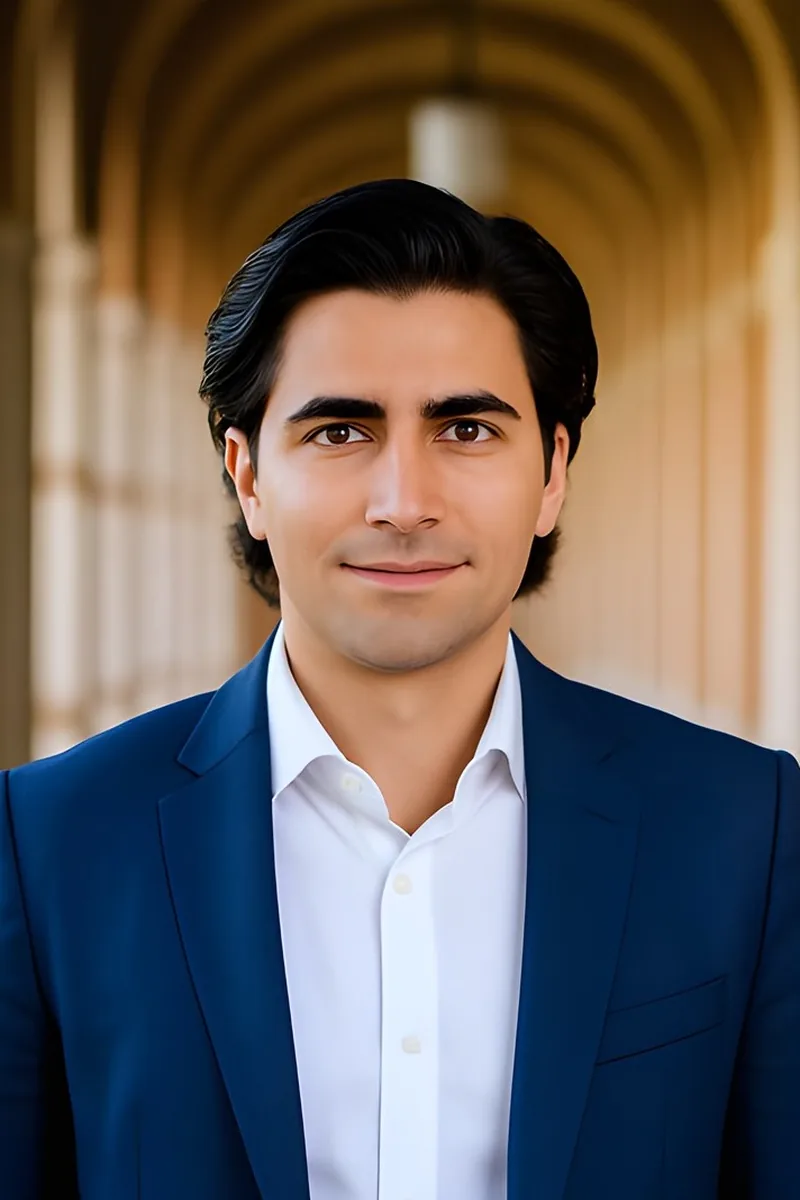
Perry's Medical Humanities minor at Rice required close reading of literature, philosophy, and narrative nonfiction — the kind of analytical work that builds strong skills in thesis development, textual interpretation, and evidence-based argumentation. He approaches English as a discipline where every claim needs support, teaching students to move from gut reactions to structured, persuasive analysis. Rated 5.0 by students.
Between her literature coursework at Duke and her deep experience with essay editing, Michelle covers the full range of English skills — analytical reading, argumentative writing, and rhetorical awareness. She's particularly sharp at teaching students how to dissect an author's choices and translate that analysis into well-organized, evidence-driven essays. Rated 5.0 by students.
Between writing college-level research papers, editing essays, and analyzing literature, Kaylah has spent years turning rough ideas into polished, well-argued prose. She teaches students how to build a thesis that actually drives an essay forward and how to use textual evidence effectively — skills that transfer from English class to nearly every other subject.
Between writing college essays that earned a Harvard acceptance and analyzing literature across 16 AP courses, Derek developed a practical command of reading comprehension and written argument. He teaches students to identify an author's structural choices — how a thesis is supported, how tone shifts, how evidence is woven in — so they can both analyze texts and strengthen their own writing.
Reading a case brief and reading a novel require the same core skill: figuring out what the author is actually arguing beneath the surface. Tiffany's legal training sharpened her ability to dissect texts for tone, structure, and purpose, and she teaches students to annotate strategically and build written arguments that are organized and evidence-driven.
A self-described lover of literature who counts *Good Omens* among her favorites, Andrea brings genuine enthusiasm to close reading, thesis development, and textual analysis. She teaches students to build arguments from evidence in the text rather than summarize plot, a skill that transfers directly to stronger essays and sharper critical thinking across subjects.
Hari approaches English through the lens of argumentation: how to read a text critically, identify an author's central claim, and build a well-structured response with real evidence. His finance and marketing background means he's written across genres — analytical reports, persuasive essays, case studies — and he brings that range to students working on everything from literary analysis to college-level composition. Rated 5.0 by students.
Between her 1580 SAT and a genuine love of reading, Joshitha approaches English by teaching students to dissect how an author builds an argument or develops a character — not just summarize what happened. She also brings sharp editing instincts to writing assignments, walking through thesis development and paragraph structure one draft at a time.
Reading a text closely and then translating that understanding into a clear, compelling essay is the core challenge of English — and it's what Santiago enjoys most as a tutor. His English minor at Duke trained him to pull apart everything from Toni Morrison's narrative structure to the rhetoric of a persuasive editorial, and he brings that same close-reading instinct to whatever his students are assigned. Rated by students who value a tutor who treats literature as genuine thinking, not just homework to get through.
Reading closely and writing persuasively are skills Caitlin sharpens daily as a humanities major at Duke, where her coursework demands constant analysis of complex texts across cultures and time periods. She teaches students to identify an author's argument, track how evidence builds, and craft thesis-driven essays with specific textual support — the exact skills that show up on standardized tests and in classroom assignments alike.
An American Studies degree is essentially an English degree with a wider lens — Olivia spent her undergraduate years doing the same close reading, thesis construction, and literary analysis that high school and college English courses demand. She digs into everything from annotating poetry to structuring a five-paragraph essay to unpacking themes in novels, adjusting her approach based on whether a student struggles more with comprehension or with putting their ideas on paper.
Between literature analysis, essay writing, and ACT Reading prep, Gabriel covers the full range of what English classes actually ask students to do — close reading, thesis development, and evidence-based argumentation. His approach treats every essay draft as a chance to tighten structure and sharpen claims, not just fix surface-level errors.
Neuroscience research at Vanderbilt means Anabel reads and writes dense scientific literature daily — parsing complex arguments, synthesizing evidence, and communicating findings with precision. She applies that same rigor to English tutoring, especially when it comes to essay structure, thesis development, and teaching students how to build an argument that holds together from first sentence to last.
I am graduated from Penn State University in Industrial Engineering in 2017. I've tutored ever since I was in high school, and I love helping people! I like to help my students understand math (and other topics) instead of just doing it blindly. My goal is to help my students improve their math (and other topics) and build skills that will help them find learning easier in the future! Fun fact, I used to work for Disney and I like to salsa dance!
Teaching English across every grade level in New York City's public schools gave James a clear map of how reading comprehension and analytical writing develop from middle school through college. He digs into close reading techniques — identifying tone, tracking argument structure, pulling evidence from a text — and then connects those skills to essay writing. His background spanning literature, economics, and Japanese also means he can engage students across a wide range of reading material.
Reading closely and writing persuasively are skills Manuela sharpened across two disciplines — literary analysis in her Romance Languages major and evidence-based argumentation in her pre-med sciences. She teaches students to dissect a passage for tone, structure, and rhetorical moves before building their own thesis-driven essays. Her 1520 SAT score speaks to the same analytical reading and writing abilities she brings to every session.
Even as an engineering student, Nicolas earned his way into Princeton partly through sharp reading and writing skills — his 1580 SAT reflects command of both quantitative and verbal reasoning. He tackles English fundamentals like thesis construction, close reading, and evidence integration with the same structured, logical approach he brings to technical subjects.
From close reading of literary texts to crafting thesis-driven essays, Libby covers the full range of skills that English courses demand. Her anthropology training gives her a distinctive lens for analyzing literature — she's particularly sharp at drawing out themes of culture, identity, and power in the texts students are already reading for class.
Teaching engineering courses to students with limited English proficiency in Colombia gave Miriam a sharp eye for the specific grammar patterns, sentence structures, and vocabulary gaps that trip up learners at every level. Her PhD training in scientific writing — crafting NASA grant proposals and research papers — means she can break down how to build clear, persuasive paragraphs whether the assignment is a literary analysis or a personal essay. Rated 5.0 by students.
Between her IB tutoring roots, her Brandeis humanities training, and years of working across AP English, SAT prep, and college essays, Amanda has seen nearly every flavor of English assignment a student can face. She's particularly sharp at teaching the connection between reading carefully and writing persuasively — showing students how to mine a text for evidence and then build that evidence into a coherent, well-structured argument.
Not every English tutor comes from a literature-first background, and that's sometimes an advantage — Jacob approaches essay structure and argument-building with the logical rigor of a mathematician. He's particularly effective at teaching students how to outline a thesis-driven essay, organize supporting evidence, and revise for clarity rather than just length.
Studying human biology at Harvard means Destiny reads and writes constantly — dissecting dense journal articles, crafting lab reports, and building evidence-based arguments in papers where every claim needs support. That same rigor translates directly to English skills like textual analysis, thesis development, and tightening prose until each sentence earns its place. Rated 5.0 by students.
Reading comprehension and analytical writing require the same structured thinking Shellee honed through her Princeton engineering and Indiana MBA programs. She walks students through how to dissect a passage's argument, identify literary devices, and organize written responses that stay on point from first sentence to last.
Paulkey approaches English by connecting reading comprehension to writing output — if a student can identify how an author builds an argument or develops a character, they can apply those same techniques in their own essays. His background spans literature analysis, essay editing, and college essay coaching, so he tackles everything from thesis construction to evidence integration in a single session.
Beyond her math expertise, Dalila is an avid reader and writer who brings analytical precision to English. She teaches students to dissect a prompt, build a thesis with clear supporting evidence, and revise their own work with a critical eye — skills that turn scattered ideas into polished, persuasive writing.
Engineering students write more than most people expect — lab reports, technical proposals, literature reviews — and Apoorva brings that precision to English tutoring. She's particularly effective at teaching students how to build an argument with textual evidence and structure paragraphs so each one advances a single claim. Her experience with SAT reading and literature gives her a solid handle on both analytical writing and close reading.
Reading a passage closely and writing a clear argument about it are two different skills, and most students need targeted practice on each. Ankit sharpens both — teaching students to identify an author's rhetorical choices and then structure their own essays with specific, well-supported claims. His experience with college essay coaching and literature analysis gives him a practical toolkit for building stronger readers and writers.
A lifelong reader and writer who pursued a formal Writing minor alongside his science degree, Andrew brings genuine enthusiasm for language to every session. He breaks down grammar rules, thesis construction, and close-reading techniques by connecting them to whatever a student is already reading — making the analytical side of English feel less abstract and more like a conversation about ideas.
Benjamin's English tutoring draws on the extensive writing he did during his master's program at the University of Essex, where constructing clear, logical arguments on paper was just as important as solving equations. He tackles reading comprehension and essay structure by teaching students to identify a text's central claim and trace how evidence supports it — skills that transfer across every class on their schedule.
Because English is her second language, Mariam learned to read analytically from the start — she couldn't coast on intuition, so she developed deliberate strategies for identifying tone, tracking themes, and pulling meaning from complex texts. She applies that same structured approach when teaching literary analysis and close reading, walking students through how to build an interpretation from textual evidence rather than guessing at what the author meant.
Brandon's background might start in computer science, but his tutoring spans essay writing, reading comprehension, and grammar — skills he's sharpened across years of academic and professional writing. He breaks down tasks like thesis construction and textual analysis into clear, repeatable steps, giving students a concrete process instead of vague advice about "just writing more."
Engineering programs demand clear, precise writing — lab reports, technical proposals, research summaries — and that training sharpened Wanqi's ability to teach the fundamentals of strong prose. She digs into thesis construction, paragraph organization, and evidence integration, making sure students can articulate an argument on paper as clearly as they can in conversation. Her 4.8 rating speaks to how well that structured approach translates across essay types.
Robert's English Literature degree gives him a deep well to draw from, whether a student is annotating a Shakespeare sonnet or drafting a five-paragraph essay on *The Great Gatsby*. He teaches reading and writing as connected skills — showing students how analyzing an author's choices on the page directly improves their own ability to construct clear, compelling arguments.
Between a history degree, a master's in global health, and years of academic writing, Adriana has produced everything from close literary analyses to research-driven policy papers. She teaches English skills — thesis development, evidence integration, rhetorical awareness — through the kind of iterative drafting process that actually improves writing over time. Rated 5.0 by students.
Between literature, essay editing, college essays, and GRE writing prep, Daniel covers the full arc of English skills — reading critically, building an argument, and revising until the prose is clean. His background in Latin gives him a structural lens on English that's especially useful for students who struggle with sentence-level clarity and organization.
Whether a student is analyzing a novel's narrative voice or building an argument from a nonfiction passage, Emerson connects close-reading techniques to clear, structured writing. His experience spans AP English Literature, AP English Language, and college-level composition at the University of Chicago, giving him a sharp sense of what each course expects. He holds a 5.0 rating from students.
Strong English skills come down to two things: reading critically and writing clearly — and Matthew tackles both by connecting them. He teaches students to analyze how authors build arguments and use evidence, then applies those same structural principles to their own essays and compositions. His experience with college essays and literature gives him a practical toolkit for everything from thesis development to close reading.
Muriel didn't speak English until she was sixteen, which means she learned to read and write in the language with the kind of deliberate attention native speakers rarely develop. That experience gives her a sharp eye for essay structure, thesis development, and close reading — she teaches English composition and literature by making students see the choices authors and writers make, not just the surface content.
Between his Yale undergraduate education and decades of academic writing, Stephen approaches English through the lens of argument and evidence — skills that transfer whether a student is analyzing a novel, crafting a thesis statement, or revising a draft for clarity. He's especially effective at teaching students how to move from a vague reaction to a text toward a precise, well-supported claim. Rated 4.9 by students.
Testimonials
Because the right English tutor makes all the difference.
Average Session Rating – Based on 3.4M Learner Ratings
Nearby English Tutors
Other Cape Coral Tutors
Related English Tutors in Cape Coral
Frequently Asked Questions
Many students struggle with reading comprehension, essay writing, and grammar fundamentals—especially when classroom instruction moves quickly through multiple concepts. With an average student-teacher ratio of 19.7:1 across Cape Coral schools, personalized attention to these foundational skills can make a significant difference. Personalized 1-on-1 instruction allows tutors to identify whether a student's challenge stems from vocabulary gaps, sentence structure confusion, or simply needing more practice with feedback.
In a classroom setting, teachers must pace instruction for 20+ students with varying needs, which means some students get left behind while others aren't challenged enough. Personalized tutoring adapts in real-time to your student's learning style, pace, and specific gaps—whether that's close reading strategies, essay organization, or test-taking skills. A tutor can spend an entire session on what your student actually needs rather than moving through a preset curriculum.
Varsity Tutors connects you with tutors who understand Florida's English Language Arts standards and the specific expectations at your student's school. Whether your student is working on foundational reading skills, literary analysis, persuasive writing, or AP-level critical thinking, tutors can align instruction with what's being taught in class and help fill gaps that emerge. This ensures tutoring complements classroom learning rather than working in isolation.
Strong writing requires practice with feedback, which is hard to get in a classroom where teachers grade 100+ essays per week. Tutors work through the writing process with your student—brainstorming, outlining, drafting, and revising—providing real-time guidance on thesis development, evidence integration, and clarity. Over time, students internalize these skills and become more confident and independent writers.
Effective reading comprehension builds through active strategies: previewing text, asking questions while reading, annotating key ideas, and summarizing main points. Tutors teach these techniques through guided practice with texts at your student's level, then gradually release responsibility so your student can apply them independently. This approach—combining explicit strategy instruction with lots of practice—is far more effective than simply assigning more reading.
The first session is about building rapport and understanding your student's specific needs. The tutor will likely assess current skills through conversation and sample work, ask about academic goals, and identify areas where your student feels most stuck. This information shapes the tutoring plan going forward, so you'll leave with a clear picture of focus areas and realistic timelines for improvement.
Improvement timelines vary based on the specific skill and your student's starting point. Confidence with basic grammar or essay structure often shows progress within 4-6 weeks of consistent tutoring, while deeper reading comprehension or advanced writing skills may take 8-12 weeks. Consistency matters more than duration—regular sessions (1-2 per week) produce better results than sporadic, intensive sessions.
Yes. Standardized tests require both strong foundational English skills and test-specific strategies. Tutors help students strengthen reading speed and accuracy, understand question types, manage time effectively, and practice with real test materials. Many students see meaningful score improvements—especially when tutoring addresses both skill gaps and test-taking confidence.
Let’s find your perfect tutor
Answer a few quick questions. We’ll recommend the right plan and match you with a top 5% tutor.