Award-Winning Biology Tutors
serving Virginia Beach, VA
Biology
Tutors in Virginia Beach
Private 1-on-1 tutoring, weekly live classes for academic support, test prep & enrichment, practice tests and diagnostics, and more to elevate grades and test scores.
Based on 3.4M Learner Ratings
UniversitiesSchools & Universities
DeliveredHours Delivered
ProficiencyGrowth in Proficiency
Who needs tutoring?
No obligation. Takes ~1 minute.
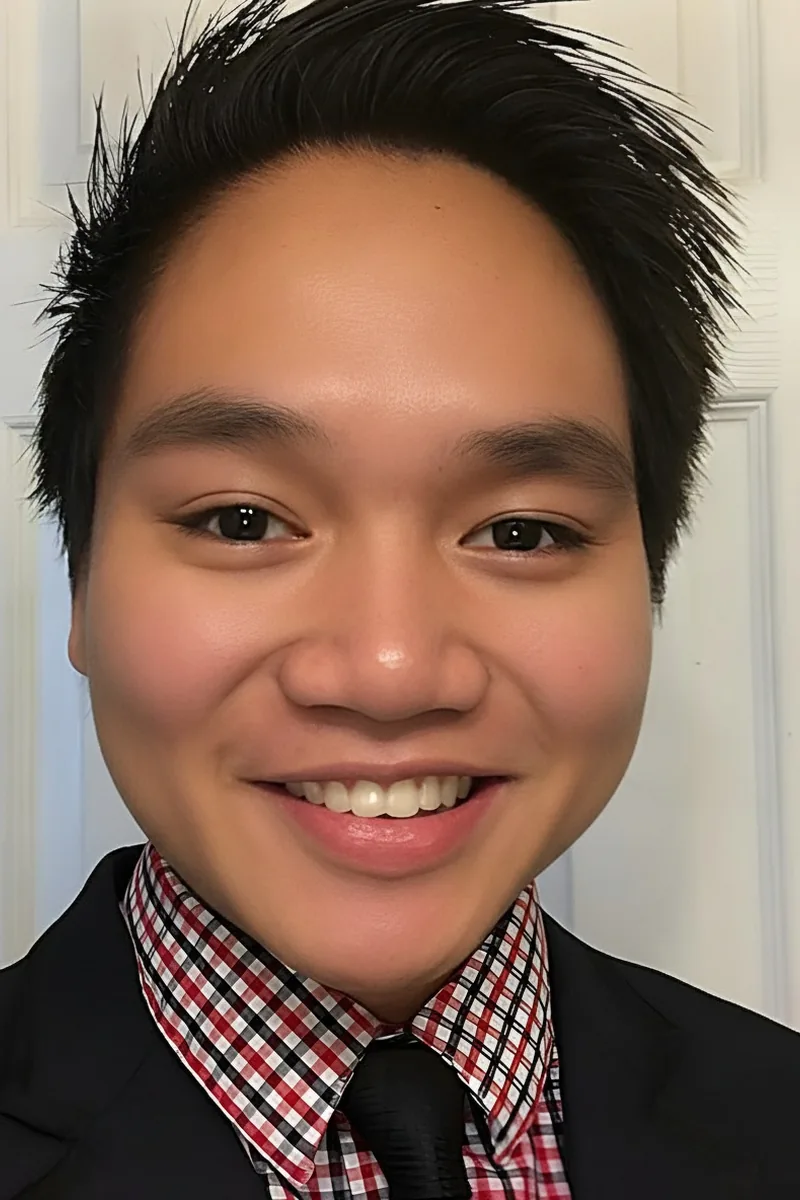
Joel's biochemistry degree means biology isn't a separate subject for him — it's the foundation everything else builds on. He's especially sharp on cell biology, metabolism, and molecular genetics, the areas where biology and chemistry overlap and where students often need someone who can explain both sides of the equation. His 5.0 student rating backs that up.
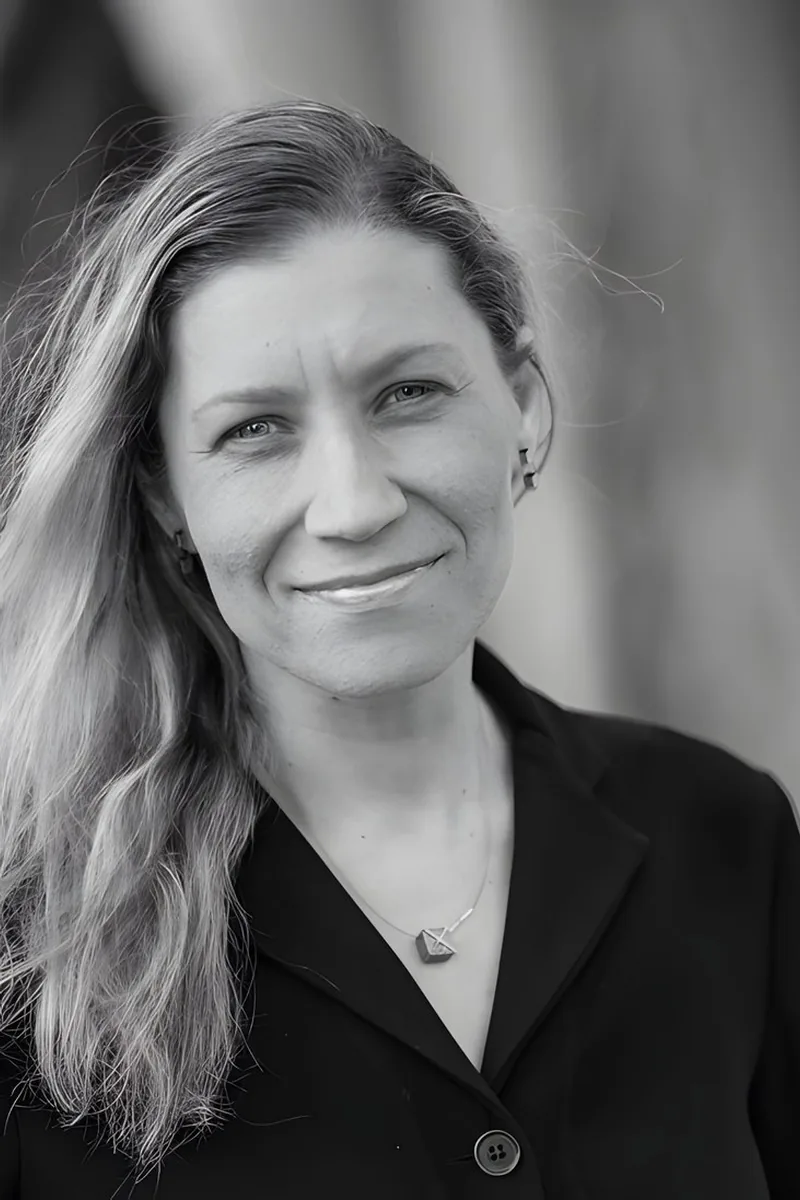
From cell structure to organ systems, biology rewards students who can organize large amounts of information into clear mental models. Christianna's design training makes her especially good at creating diagrams, flowcharts, and visual summaries that turn dense textbook chapters into something a student can actually retain and apply on exams.
From cell signaling cascades to Mendelian genetics to ecological energy flow, biology covers an enormous range — and Bhumi has seen it from both the undergraduate and medical school side. She unpacks complex processes like the Krebs cycle or DNA replication by walking through each step with clear cause-and-effect logic, so students understand the system rather than just labeling a diagram.
Being in a guaranteed medical admissions program means Roshni doesn't just know biology from a textbook — she's actively building on it every semester, from cell signaling pathways to ecology and genetics. She breaks down dense topics like DNA replication or membrane transport by tying them to the bigger picture of how living systems actually function.
Genetics, ecology, evolution, cellular respiration — biology covers enormous ground, and Sanam ties it all together through the biomedical perspective she's built across an engineering degree and medical school. She's particularly strong at teaching students how to interpret experimental data and diagrams, a skill that shows up on nearly every biology exam. Rated 5.0 by her students.
From photosynthesis and cellular respiration to genetics and evolutionary theory, biology rewards students who can see how individual facts link into bigger systems. Kara is earning her biology degree at UVA while also directing a youth science mentoring program, so she's practiced at explaining everything from DNA replication to ecological interactions at whatever level a student needs.
I am currently a lead preschool teacher. I received my Bachelor's in Psychology from VCU and am looking to return to school to further my education. While in college, I worked as a Supplemental Instruction leader, teaching general biology and anatomy. I have also worked in an after school program with elementary age children, but I have my fondest memories volunteering as a counselor for Camp Kesem. In my own experience, I loved school and now I love teaching even more at all age levels! I especially enjoy the challenge of getting creative to discover what approach and mediums work best for each student. I am available for in person as well as online tutoring.
Allison earned her biochemistry degree while also spending years working with special needs students, which gave her a knack for explaining dense biological concepts in more than one way. She digs into topics like cell signaling, gene expression, and metabolic pathways with the molecular-level detail her coursework demanded — then translates that detail into language that actually clicks.
As a fourth-year medical student, Braveen lives inside biology every day — from cellular respiration and genetics to organ-system physiology. He unpacks complex processes like signal transduction or the immune response by walking through each step with clear cause-and-effect logic, drawing on the clinical context that made these concepts stick for him.
Studying both biology and bioinformatics means Shahad tackles everything from cell structure and genetics to ecology with a data-driven perspective that most biology tutors can't offer. She's especially strong on molecular biology and genomics, where she connects classroom concepts like DNA replication and protein synthesis to the computational research she does at VCU's Honors College.
Shona earned her bachelor's degree in Biology from Virginia Commonwealth University while also completing a chemistry and psychology minor — giving her an unusually broad view of how biological systems connect to chemical processes and behavior. She digs into topics like cell signaling, genetics, and ecology with the kind of detail that comes from someone actively preparing for medical school. Whether it's sketching out mitosis or tracing energy through metabolic pathways, she makes the material concrete.
As a biology major on the pre-med track, Monika has taken the full sequence — cell biology, genetics, ecology, physiology — and knows which details professors and standardized tests actually care about. She teaches topics like mitosis, Mendelian inheritance, and enzyme kinetics by building visual models that make memorization far less painful.
Raksha's biochemistry major at Pitt means she's simultaneously learning biology from two directions — the organismal scale in her biology coursework and the molecular scale in her chemistry labs — which gives her a practical sense for how topics like enzyme function or gene expression connect across levels. She also draws on her psychology background to explain biological concepts like neurotransmitter signaling and hormonal feedback in ways that bridge the gap between brain and body, making those systems feel less like separate chapters and more like one continuous story.
Studying biology and Spanish simultaneously in college means Amanda is actively learning the material she teaches — she knows which topics in genetics, ecology, and cell biology trip students up because she's recently worked through them herself. That proximity to the coursework makes her especially effective at breaking down processes like mitosis or energy flow in ecosystems into clear, logical steps that stick.
I'm a current medical student at VCU School of Medicine, and a graduate of Johns Hopkins University. I received my Bachelor of Science in Molecular and Cellular Biology. I've had the pleasure of tutoring a diverse range of students for 5 years; while I tutor a broad set of subjects, I'm most passionate about biology, psychology, and chemistry. I'm a big proponent of ensuring understanding over memorization and teaching concepts that last for years to come (particularly for other students interested in medicine!) In my free time, I love to write poetry, edit essays, and gush about game writing with friends.
I am a recent graduate of Virginia Commonwealth University, where I earned a Bachelors of Science in Biology. Throughout my three years of undergrad, I have been a preceptor for Cell Biology and Genetics. In addition, I was a supplemental instruction leader in CHEM 101 and CHEM 102. I am currently a Medical Scribe, but I will be attending VCOM for medical school starting Fall 2018.
I am currently and undergraduate student at Virginia Commonwealth University. I am a Pre-Medicine student that is working on a double major in Biology and Economics along with a minor in Chemistry. I am currently a tutor at VCU as well and have a thorough understanding of the subjects I have listed for tutoring. While I tutor a broad range of subjects, I am most passionate about Math and Science related subjects, specifically Chemistry and Biology. In my spare time, I tend to lift and play sports, specifically basketball and soccer and I love to read as well. I am here to help you with what you struggle with and will do my best to provide a comfortable learning environment for you!
Sugi's dual undergraduate degrees in Cognitive Science and Biochemistry & Cell Biology at Rice mean she studied living systems from two directions at once — the molecular machinery inside cells and the neural architecture that emerges from it. Now a fourth-year medical student at Baylor, she teaches biology by linking foundational topics like signal transduction or gene expression to the cognitive and clinical contexts that make them stick. Rated 5.0 by students.
Annie's cancer immunotherapy research at Cornell means she doesn't just teach biology concepts like cell signaling and immune response — she uses them daily in a working lab. As a teaching assistant for introductory biology courses, she's developed a knack for breaking down dense topics like gene expression and cellular metabolism into language that actually clicks.
Li's medical doctoral training and undergraduate work in speech and hearing gave her a deep understanding of biological systems — from cellular respiration and DNA replication to the physiology of complex organ systems. She breaks down dense topics like gene expression and enzyme kinetics into clear, logical steps that stick.
Abrahim earned his Biology degree cum laude from UCLA and is now completing his M.D. at the Medical College of Wisconsin, so he's spent years living inside biological concepts — from cellular respiration and genetics to ecology and evolution. His tutoring style zeroes in on knowledge gaps quickly, then builds understanding through targeted practice rather than passive review. Rated 5.0 by students.
Cellular and molecular biology was Pranav's original academic focus before he moved into Biomedical Engineering at Johns Hopkins, so he brings genuine depth to topics like gene expression, cell signaling, and membrane transport. He approaches biology as a set of interconnected systems rather than isolated facts, which makes dense material like metabolic pathways or the immune response easier to retain. That dual perspective — biology plus engineering — gives him a unique way of explaining how biological mechanisms actually work.
An English major might seem like an unusual fit for biology, but Ayako's well-rounded academic profile — including SAT Subject Test prep in Biology E/M — means she's comfortable breaking down topics like ecology, evolution, and cellular processes for high school students who need concepts explained clearly rather than clinically. Her 5.0 rating speaks to a teaching style that translates dense scientific vocabulary into language that actually sticks.
Josef's undergraduate teaching assistant work in introductory biochemistry at Cornell gave him a front-row seat to the exact moments biology students stumble — particularly when topics like metabolism, enzyme function, or gene expression shift from descriptive to mechanistic. His dual science degrees and deep comfort with the chemistry underlying living systems mean he can anchor a concept like signal transduction in its molecular details without losing the biological big picture. Rated 5.0 by students.
Vinay's dual UCLA degrees — one in Molecular, Cell, & Developmental Biology, one in Mathematics-Economics — mean he learned biology with a quantitative rigor that most life science majors skip, which pays off when students hit topics like population genetics, enzyme kinetics, or any concept where the math and the biology have to click at the same time. Now a medical student, he traces those foundational ideas forward into human physiology, giving students a clear line from textbook mechanisms to how they actually play out in living systems. Rated 5.0 by students.
Stanford's biology program has Helen tackling everything from molecular genetics to ecology in real time, which means she's teaching the same material she's actively being tested on — a perspective that keeps her explanations current and exam-aware. She's particularly strong at breaking down processes like photosynthesis and gene expression into logical sequences that stick, drawing on four years of peer tutoring and TA experience in STEM courses. Rated 5.0 by students.
Three science bachelor's degrees plus medical school means Sydny has taken biology exams at nearly every level the subject offers — from introductory ecology and genetics through the histology and pathophysiology of clinical training. What stuck with her from that journey is how to think through a biological problem rather than just recall an answer, and she teaches that same reasoning process when tackling topics like inheritance patterns, cellular energy, or organ-system integration.
Between conducting autism research at Yale's School of Medicine and pursuing a pre-med track in biomedical engineering, Ellie lives and breathes biology at both the classroom and laboratory level. She digs into topics like cell signaling, genetics, and organ system physiology with the kind of detail that turns rote memorization into real understanding. Her 5.0 rating speaks to how well that depth translates when she's teaching one-on-one.
From cell division to ecological systems, biology rewards students who can see how details connect to larger themes — like understanding how DNA replication errors link to both evolution and cancer biology. Zachary earned his degree in biochemistry and biophysics, which means he teaches biological concepts with molecular-level depth while keeping the big picture clear.
Testimonials
Because the right Biology tutor makes all the difference.
Average Session Rating – Based on 3.4M Learner Ratings
Practice Biology
Free practice tests, flashcards, and AI tutoring for Biology
Other Virginia Beach Tutors
Related Science Tutors in Virginia Beach
Frequently Asked Questions
Many students struggle with balancing memorization of complex terminology and processes—like cellular respiration or photosynthesis—with truly understanding how these systems work. Others find it difficult to visualize abstract concepts like molecular structures, enzyme interactions, or DNA replication. Additionally, connecting theoretical concepts to real-world applications helps students see why biology matters, which is where personalized 1-on-1 instruction can make a significant difference in both comprehension and retention.
During your first session, a tutor will assess your current understanding of biology concepts, identify specific areas where you're struggling, and learn about your learning style and goals. This might include reviewing recent assignments, discussing which topics feel confusing, and creating a personalized plan to address gaps in understanding. The tutor will then begin working with you on one of those priority areas, giving you a clear sense of how personalized instruction can help.
Expert tutors focus on building conceptual understanding by breaking down complex processes into manageable pieces, using visual aids and real-world examples to make abstract concepts concrete. Rather than drilling vocabulary, tutors help you understand *why* things happen—like why cells need ATP or how natural selection drives evolution—so you can apply that knowledge to new problems. This approach strengthens both your test performance and your ability to think scientifically.
Absolutely. Tutors can help you understand the scientific method, design experiments, interpret data, and write lab reports with clarity and accuracy. Whether you're struggling to form a testable hypothesis, troubleshoot why an experiment didn't work as expected, or communicate your findings effectively, personalized instruction helps you develop the practical scientific skills that complement classroom lab work.
AP Biology requires deep understanding of cellular and molecular biology, genetics, evolution, and ecology—plus the ability to apply concepts to novel scenarios on the exam. Tutors can help you master the AP Biology curriculum, practice free-response questions, develop test-taking strategies, and build confidence with the scientific reasoning required for the exam. Many students benefit from starting tutoring several months before the May exam to build a strong foundation.
Varsity Tutors connects you with expert tutors in Virginia Beach who have strong backgrounds in biology and experience teaching students at your level—whether that's high school biology, honors, AP, or college-level courses. You can discuss your specific goals and challenges when getting matched, ensuring you work with someone who understands what you need to succeed.
Since you can't see molecules, cells, or organelles with your naked eye, tutors use diagrams, animations, physical models, and step-by-step explanations to help these abstract concepts become concrete and memorable. For example, a tutor might walk you through protein synthesis using visuals and analogies, or help you understand how the electron transport chain works by connecting it to energy flow. This multi-sensory approach makes complex biology much easier to grasp and retain.
The ideal frequency depends on your current level, goals, and challenges. Some students benefit from weekly sessions to build a strong foundation, while others might meet twice a week during exam prep or when tackling particularly difficult units. Your tutor can help you determine what schedule works best based on your progress and what you're working toward—whether that's improving your grade, preparing for AP Biology, or mastering specific concepts.
Let’s find your perfect tutor
Answer a few quick questions. We’ll recommend the right plan and match you with a top 5% tutor.