Award-Winning Biochemistry Tutors
serving Portland, OR
Biochemistry
Tutors in Portland
Private 1-on-1 tutoring, weekly live classes for academic support, test prep & enrichment, practice tests and diagnostics, and more to elevate grades and test scores.
Based on 3.4M Learner Ratings
UniversitiesSchools & Universities
DeliveredHours Delivered
ProficiencyGrowth in Proficiency
Who needs tutoring?
No obligation. Takes ~1 minute.
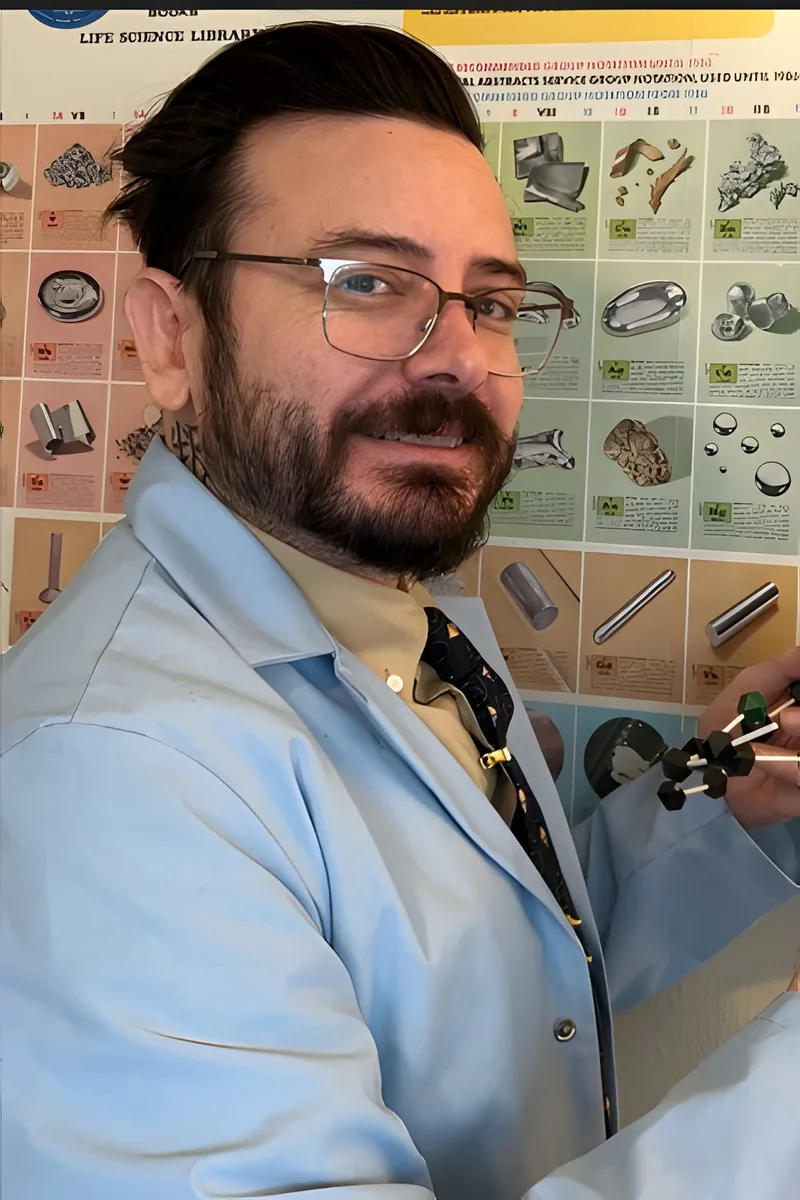
As a passionate educator with a Doctorate in Biochemistry, Biophysics, and Structural Biology from the University of California, Berkeley, I bring over 25 years of dedicated tutoring and classroom experience to the table. My expertise spans subjects such as Algebra, Chemistry (including Organic and General Chemistry), and Statistics. I believe in fostering a supportive learning environment where students feel empowered to engage with complex concepts. By employing a hands-on approach, I connect theoretical ideas to real-world applications, making learning not only relevant but also enjoyable. My commitment to academic success drives me to inspire students to embrace their studies with confidence. Outside of teaching, I enjoy exploring scientific advancements and innovative educational methodologies, continually seeking ways to integrate my business acumen in biotech and education. - Charles Olea, MBA, PhD
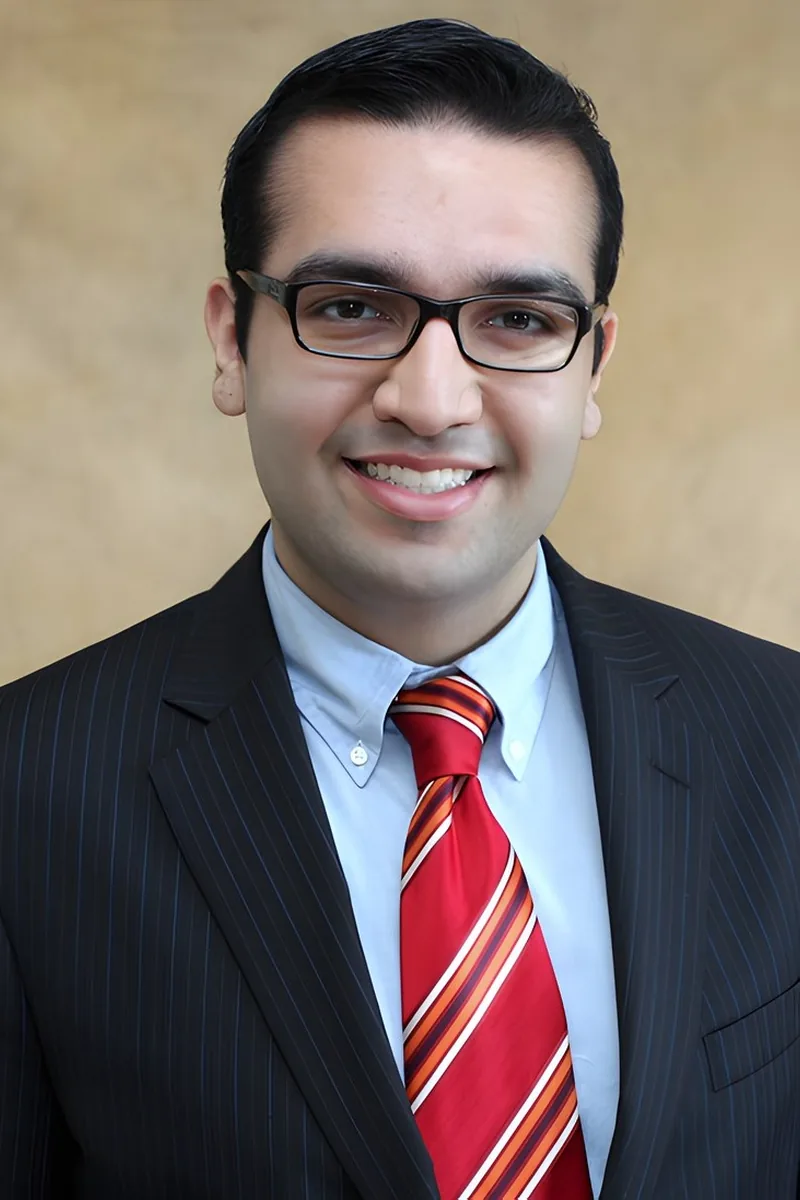
Rohan's economics training might seem distant from biochemistry, but econometrics and metabolic pathway analysis share a core skill — tracing how one variable's change cascades through an interconnected system. He applies that quantitative reasoning to topics like enzyme kinetics and metabolic regulation, breaking down rate equations and feedback loops with the same rigor he brings to economic models. Rated 4.9 by students.
I am a PhD student at SUNY Downstate Medical Center studying Molecular & Cellular Biology. I graduated from Columbia University with a Bachelor of Arts in Biochemistry. I love to teach, mostly because of the impact of great teachers throughout my academic career. I think learning can be really fun, if teachers think outside the box and really challenge themselves to find novel ways of conveying concepts to students. Tried and true methods are always great in the classroom, but to work one-on-one with students requires a different approach. It's also critical that learning be something students want, not grudgingly sit through, so that their academic success is tied to their ability to understand and engage the material, not to what score they get on an arbitrary test.
Enzyme kinetics, metabolic pathways, protein structure — biochemistry demands that students hold chemistry and biology in their heads simultaneously, which is exactly what medical school trains you to do daily. Jamie is currently at Sidney Kimmel Medical College and brings firsthand fluency with topics like Michaelis-Menten kinetics, amino acid chemistry, and the regulation of glycolysis and the citric acid cycle. He breaks down dense pathway diagrams into step-by-step logic that actually makes sense.
Few tutors can teach biochemistry from the perspective of someone who lived it at the graduate level. Dennis holds a Masters in Chemical and Physical Biology from Vanderbilt and an undergraduate degree in Biochemistry, so topics like enzyme kinetics, metabolic regulation, and protein structure are second nature. He walks through reaction mechanisms and pathway logic in a way that builds real understanding rather than rote memorization.
Enzyme kinetics, metabolic pathways, protein structure — biochemistry sits at the intersection of biology and chemistry, and most students struggle because they try to memorize it as one or the other. Michael's biomedical engineering background means he approaches biochemistry as an integrated system, linking molecular structure to biological function. He unpacks topics like Michaelis-Menten kinetics and amino acid chemistry by tying them to the physical principles that drive them.
A chemistry degree from Rhodes College plus hands-on clinical internships — including work at Methodist Transplant Institute — means Eric has encountered biochemistry from both the bench and the bedside. He tackles topics like amino acid structure and metabolic regulation by walking through the underlying organic chemistry step by step, so reaction pathways read as logical progressions rather than disconnected diagrams.
Enzyme kinetics, metabolic pathways, protein folding — biochemistry lives at the intersection of biology and chemistry, and Varshini's neuroscience major with a chemistry minor put her squarely in that overlap. She unpacks complex pathways like glycolysis and the citric acid cycle by connecting each reaction to its biological purpose, which makes the logic behind regulation and inhibition far easier to retain.
Zachary earned both his BS in Biology and a master's in Molecular Biology, which means he's traced biochemical pathways from two different altitudes — the broad cellular view and the granular molecular detail. That dual training comes through when he unpacks topics like lipid metabolism or allosteric enzyme regulation, building each concept from its chemical logic so the bigger metabolic map starts to make sense on its own.
Mitchell's neuroscience degree means he learned biochemistry through the brain's lens — tracing how neurotransmitter precursors feed into synthesis pathways, how ATP production keeps neurons firing, and how lipid biochemistry shapes every membrane in the nervous system. That background lets him teach topics like oxidative phosphorylation and amino acid metabolism by connecting each reaction to the cellular machinery that depends on it.
Studying biochemistry at Penn as part of a pre-health track, Shayan lives in the world of enzyme kinetics, metabolic pathways, and protein structure daily. He breaks down dense topics like the citric acid cycle or amino acid chemistry using visual analogies and step-by-step logic that make the connections between reactions stick long after the session ends.
Lab research and patient care gave Sophie a dual perspective on biochemistry — she's traced metabolic pathways at the bench and seen what happens clinically when those pathways break down. Her biological and physical sciences degree means she teaches topics like enzyme mechanisms and pathway regulation by pulling in the organic chemistry and thermodynamics that explain *why* each step occurs, not just what comes next. Rated 4.9 by students.
Enzyme kinetics, metabolic pathways, protein structure — biochemistry demands that students think simultaneously about chemistry and biology, which is exactly how Nathaniel trained. His degree in biochemistry and his MCAT preparation mean he can walk through everything from Michaelis-Menten plots to amino acid properties with the depth a college-level course requires.
Testimonials
Because the right Biochemistry tutor makes all the difference.
Average Session Rating – Based on 3.4M Learner Ratings
Practice Biochemistry
Free practice tests, flashcards, and AI tutoring for Biochemistry
Nearby Biochemistry Tutors
Other Portland Tutors
Related Science Tutors in Portland
Frequently Asked Questions
Biochemistry requires mastering both chemistry and biology concepts simultaneously, which can feel overwhelming. Students often struggle with visualizing molecular structures and metabolic pathways, balancing complex chemical equations, and understanding how abstract concepts like enzyme kinetics apply to real cellular processes. Many also find it difficult to move beyond memorization to develop the deeper conceptual understanding needed for exams and lab work.
Personalized 1-on-1 instruction allows tutors to identify exactly where your understanding breaks down—whether it's protein folding, metabolic pathways, or thermodynamics—and build from there. Tutors can use visual models, real-world examples, and targeted practice problems to help you move from memorization to genuine understanding. This approach also develops your scientific reasoning skills, which transfers directly to lab work and exam performance.
Your first session is designed to understand your current level, learning style, and specific goals—whether you're preparing for an exam, struggling with a particular unit, or trying to improve your overall grade. The tutor will likely review your course materials, ask diagnostic questions, and identify the concepts causing the most difficulty. From there, you'll develop a personalized plan that focuses on your biggest challenges and builds confidence through targeted practice.
Yes. Tutors can help you understand the scientific principles behind lab procedures, interpret experimental results, and develop stronger scientific reasoning skills. This includes learning how to approach data analysis, troubleshoot unexpected results, and connect lab observations back to the theoretical concepts you're studying in lecture. Strong conceptual understanding makes lab work more meaningful and helps you write better lab reports.
Understanding comes from seeing the "why" behind each step—why does glycolysis produce ATP, what drives the citric acid cycle, how do enzymes make reactions possible. Tutors help by breaking down complex pathways into smaller, logical pieces and connecting each step to energy flow, electron transfer, or molecular structure. Using visual representations, analogies, and real-world examples makes these abstract processes concrete and memorable in a way pure memorization never can.
Look for tutors with strong backgrounds in both chemistry and biology, ideally with experience teaching or tutoring Biochemistry specifically. They should be able to explain complex concepts clearly, use visual models effectively, and connect theory to real applications. Varsity Tutors connects you with expert tutors who understand the specific challenges of Biochemistry and know how to build both content knowledge and scientific thinking skills.
Portland's universities and community colleges often have excellent science facilities and study groups that can supplement personalized tutoring. Many high schools in the Portland area also have peer tutoring programs and science clubs. Combining these resources with 1-on-1 instruction gives you multiple ways to engage with the material and connect with other students interested in biochemistry.
Starting 4-6 weeks before a major exam gives you time to work through difficult concepts systematically and build confidence before test day. However, even 2-3 weeks of focused tutoring can make a significant difference if you're targeting specific weak areas. The key is identifying your problem areas early and working with a tutor to develop a study strategy that emphasizes understanding over last-minute cramming.
Let’s find your perfect tutor
Answer a few quick questions. We’ll recommend the right plan and match you with a top 5% tutor.