Award-Winning Anatomy Tutors
serving Columbia, SC
Anatomy
Tutors in Columbia
Private 1-on-1 tutoring, weekly live classes for academic support, test prep & enrichment, practice tests and diagnostics, and more to elevate grades and test scores.
Based on 3.4M Learner Ratings
UniversitiesSchools & Universities
DeliveredHours Delivered
ProficiencyGrowth in Proficiency
Who needs tutoring?
No obligation. Takes ~1 minute.
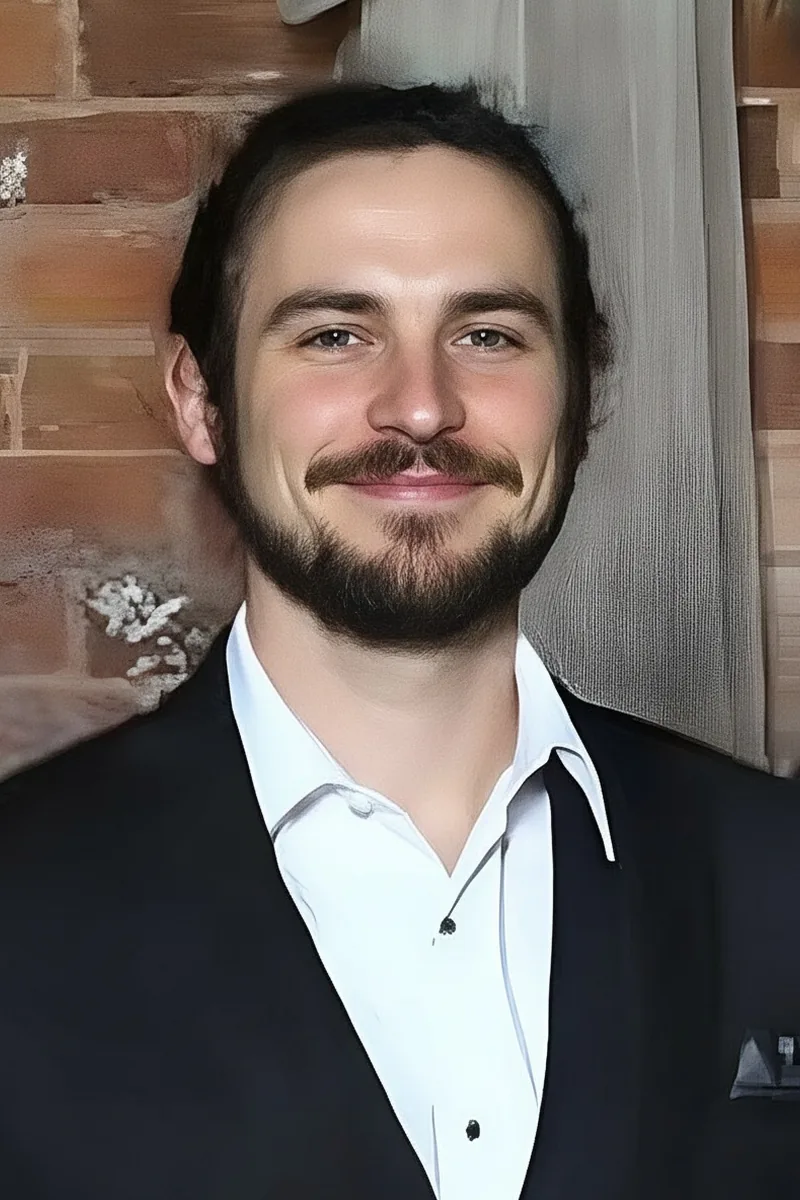
I'm 6 parts biologist, 3 parts psychologist, 1 part artist, 4 parts programmer, 5 parts educator, 7 parts researcher, 2 parts neuroscientist, and 10 parts gamer. During my sophomore year of college, I realized how games and game research could help people. My academic background in biology, psychology, biomedical engineering, and educational technology have been productive stepping stones towards that future. I work a lot. I play a lot. I read a lot. And I do a lot.
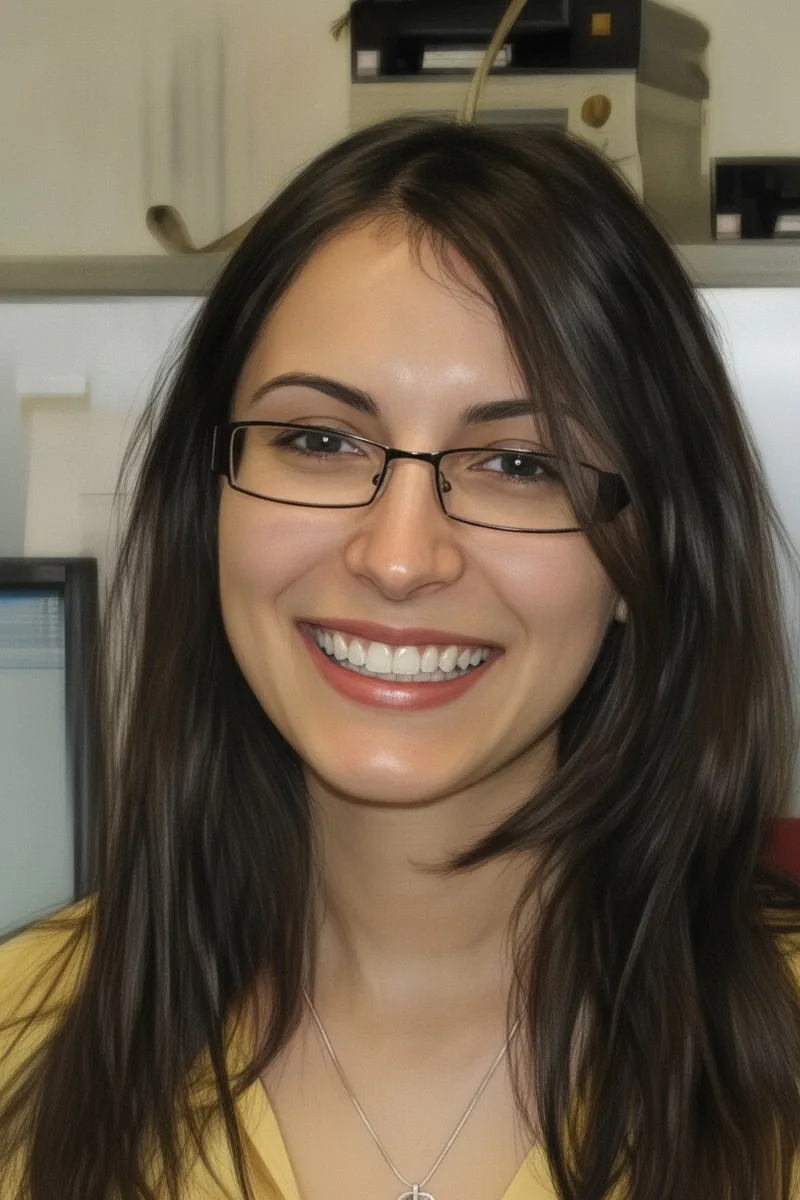
Studying anatomy means memorizing hundreds of structures, but retention depends on understanding how those structures function together. Gita's background in biology and physiology means she can explain why the brachial plexus is organized the way it is, or how the nephron's architecture drives filtration — turning rote memorization into something that actually sticks.
Memorizing every bone, muscle insertion, and nerve pathway in anatomy can feel like drinking from a fire hose. Laura's biology training and current work in environmental health sciences at Columbia gave her practical strategies for organizing anatomical structures by region and function — turning a massive vocabulary list into a system that actually sticks.
Learning anatomy often feels like memorizing a phone book — until someone shows you the logic behind how structures are named and organized. Nikolas spent his Exercise Science program at Ohio State dissecting musculoskeletal relationships, nerve pathways, and organ systems, so he teaches anatomy through spatial reasoning and functional connections rather than pure rote recall.
Jill's pre-med coursework and biology minor at NYU mean she's worked through the full gauntlet of body systems — cardiovascular, respiratory, nervous — in the kind of detail that introductory anatomy courses demand. Her psychology training also gives her a practical understanding of how to chunk dense material like cranial nerve pathways into smaller, retainable pieces, which is half the battle in a subject where volume is the main obstacle.
Memorizing bones, muscles, and organ systems can feel overwhelming without a framework to hang it all on. Benjamin approaches anatomy by teaching students to think in terms of structure-function relationships — why the femur is shaped the way it is, how alveoli maximize gas exchange — so the details stick. His psychology training gives him a sharp sense of how memory and recall actually work, which he applies directly to study strategies.
Four years of medical school at Harvard meant Jean didn't just study anatomy from a textbook — she learned it through cadaver dissection, clinical rotations, and diagnostic reasoning. She teaches students to think spatially about structures like the brachial plexus or the abdominal vasculature, building the kind of three-dimensional understanding that makes identification and relationships between structures click.
Studying both speech and hearing science and medicine means Li has spent years learning the human body at every level — bones, muscles, nerves, and the way they interact as functional systems. She teaches anatomy by connecting structure to function, so students understand why the brachial plexus is organized the way it is, not just its branches.
Memorizing every bone, muscle, and nerve pathway in anatomy can feel overwhelming without a framework to organize it all. Justin tackles the subject regionally and functionally — connecting the brachial plexus to actual arm movements, or tracing blood flow through the heart to explain why valve defects produce specific symptoms. His Human Science background keeps the focus on how structures serve the living body, not just their Latin names.
Dental school demands a level of anatomical knowledge most undergrads never encounter — Daniel spent years learning cranial nerves, musculoskeletal structures, and histological tissue types in clinical detail. He breaks down complex systems like the brachial plexus or cardiac anatomy into logical relationships rather than brute-force memorization lists. That clinical lens makes abstract structures feel real and easier to retain.
Learning anatomy is as much about spatial reasoning as it is about vocabulary — you need to picture where the brachial plexus runs or how the heart's chambers connect to the great vessels. Amir, currently finishing medical school, teaches anatomy through detailed visual cues and diagrams that map structures in three dimensions, turning rote memorization into genuine understanding.
As a doctoral physical therapy student at Washington University, James studies human anatomy with a level of detail that goes well beyond introductory courses — from musculoskeletal origins and insertions to the brachial plexus and cranial nerves. He teaches anatomy by organizing structures into functional groups rather than isolated facts, which makes large volumes of material far more manageable. His 4.9 rating speaks to how well that approach lands with students.
Belinda's neuroscience degree required her to learn anatomy from the brain outward — tracing cranial nerves, mapping spinal cord regions, and understanding how the central and peripheral nervous systems connect to every major organ system. That top-down perspective means she teaches body structures as parts of functional circuits rather than standalone vocabulary, which is especially effective for students struggling to see how individual bones, muscles, and vessels fit into the bigger picture. Rated 5.0 by students.
Testimonials
Because the right Anatomy tutor makes all the difference.
Average Session Rating – Based on 3.4M Learner Ratings
Practice Anatomy
Free practice tests, flashcards, and AI tutoring for Anatomy
Nearby Anatomy Tutors
Other Columbia Tutors
Related Science Tutors in Columbia
Frequently Asked Questions
Anatomy involves memorizing hundreds of structures, but true mastery means understanding how systems work together. Personalized tutoring helps you connect individual components—like how the skeletal, muscular, and nervous systems coordinate movement—rather than treating them as isolated facts. This deeper understanding makes the material stick longer and prepares you for lab practicals, exams, and advanced coursework where you'll need to apply concepts to real scenarios.
Many anatomy students find it challenging to translate 2D textbook diagrams into 3D mental models. Tutors can help you develop visualization strategies using models, interactive diagrams, and spatial reasoning techniques that make complex structures like the brain, heart, or skeletal system easier to understand. Regular practice with these tools—combined with drawing and labeling exercises—significantly improves your ability to identify structures on exams and in lab settings.
Lab practicals require you to identify structures quickly and explain their functions under pressure. Personalized tutoring includes targeted practice with specimen identification, understanding anatomical terminology, and learning how to approach unknown structures systematically. Tutors can simulate practical exam conditions and help you develop efficient study strategies specific to your course's lab format, whether you're working with models, preserved specimens, or virtual labs.
Your first session focuses on understanding your specific challenges—whether you're struggling with a particular system, preparing for an upcoming exam, or building foundational knowledge. The tutor will assess your current level, identify which topics need the most attention, and create a personalized plan tailored to your course requirements and learning style. You'll leave with concrete strategies you can start using immediately.
The most effective approach combines both strategies. Studying system-by-system (nervous, cardiovascular, respiratory, etc.) helps you understand how structures work together, while focusing on individual structures ensures you can identify and describe them precisely. Personalized tutoring helps you balance these approaches based on your course's emphasis and your learning style, so you develop comprehensive knowledge that works for both conceptual questions and practical identification.
Anatomical terminology—like superior, inferior, medial, and lateral—is the foundation of anatomy communication. Tutors use systematic approaches to help you internalize these terms through consistent practice and real-world application rather than isolated memorization. Once you're comfortable with directional language and anatomical planes, describing structures and understanding relationships between them becomes significantly faster and more accurate.
Yes. Varsity Tutors connects you with tutors who understand the specific anatomy curricula taught across Columbia's schools and districts. Whether you're in a high school anatomy course, AP Biology, or a college-level anatomy and physiology class, tutors familiar with local course requirements can provide targeted support that aligns with your specific syllabus and exam format.
Anatomy requires both short-term recall for exams and long-term retention for future health sciences coursework. Personalized tutoring uses spaced repetition, active recall practice, and meaningful connections between concepts to strengthen memory. Rather than cramming before tests, consistent sessions build cumulative knowledge that sticks, so you're prepared not just for your current course but for advanced biology, physiology, or health profession prerequisites.
Let’s find your perfect tutor
Answer a few quick questions. We’ll recommend the right plan and match you with a top 5% tutor.