Award-Winning AP Calculus BC Tutors
serving Providence, RI
AP Calculus BC
Tutors in Providence
Private 1-on-1 tutoring, weekly live classes for academic support, test prep & enrichment, practice tests and diagnostics, and more to elevate grades and test scores.
Based on 3.4M Learner Ratings
UniversitiesSchools & Universities
DeliveredHours Delivered
ProficiencyGrowth in Proficiency
Who needs tutoring?
No obligation. Takes ~1 minute.
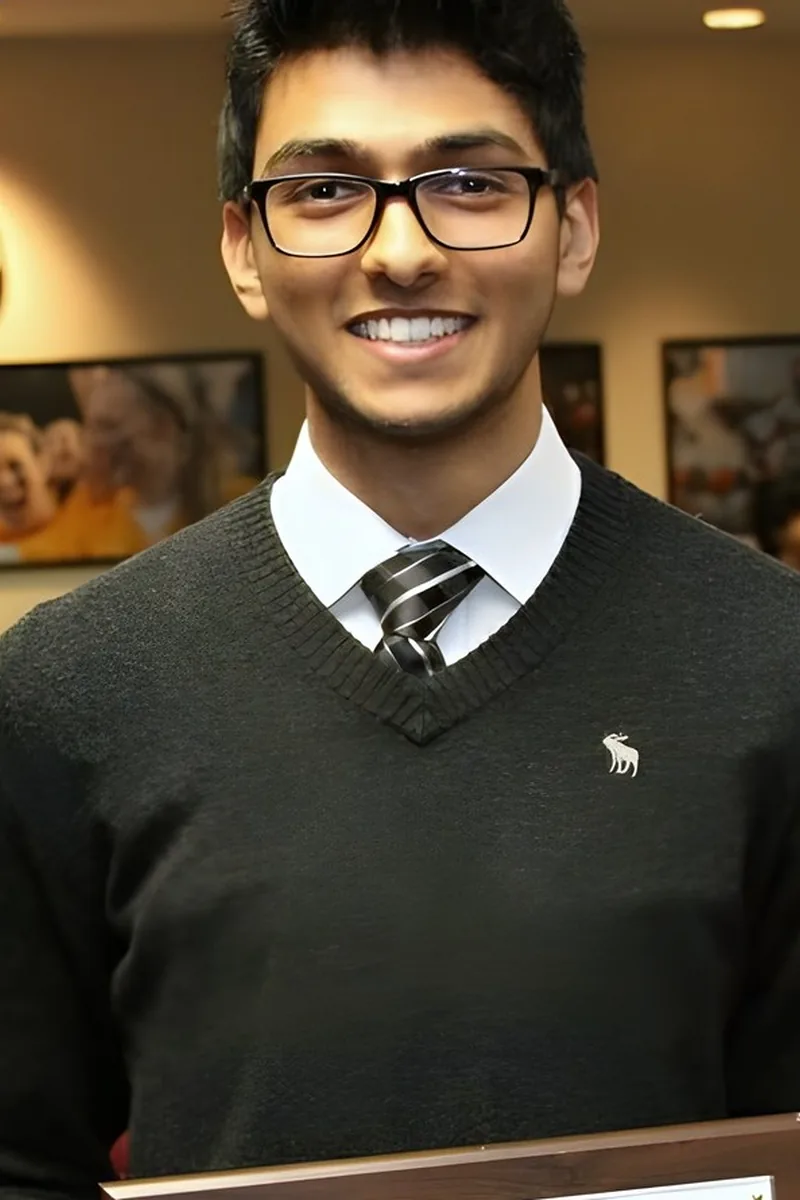
Molecular biophysics at Brown means Srini is constantly using series approximations and integration techniques to model protein folding dynamics and molecular interactions — BC Calculus isn't a prerequisite he passed, it's a toolkit he reaches for weekly. That active use sharpens how he teaches convergence tests and parametric problems, grounding each in the kind of quantitative reasoning his 1600 SAT and 35 ACT reflect. Rated 4.8 by students.
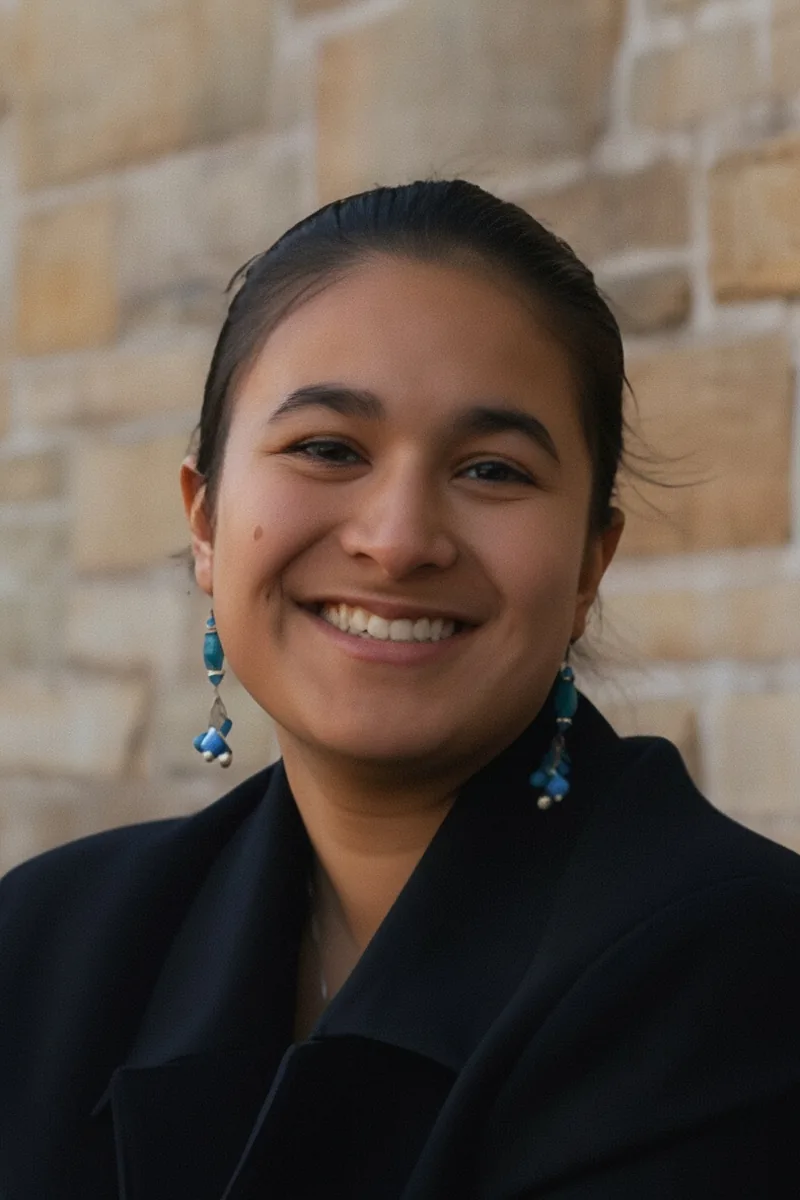
BC Calculus layers convergence tests, parametric equations, and polar curves on top of an already demanding AB foundation, and keeping all of it organized is half the battle. Tessa's approach is to unpack each new topic by tying it back to core ideas students already understand — showing, for instance, how Taylor series are really just an extension of local linearity. She's a math major at Yale with a 4.9 client rating.
Mackenzie scored a 35 on the ACT and tutors math at every level from elementary through AP, which means she knows exactly which algebra and AB gaps trip students up once BC introduces new integration techniques and series. She walks through problems like setting up improper integrals or applying ratio tests by tracing each step back to the reasoning behind it, so students build intuition they can rely on during the exam.
Series convergence, parametric equations, and polar curves make BC the course where strong calculus students finally have to slow down and think carefully. Anthony earned his BS in physics and math from Yale, where these concepts weren't just exercises — they were the language of electromagnetism and classical mechanics. He teaches BC topics by connecting each technique to why it exists and when it matters.
BC Calculus piles on series convergence, parametric equations, and polar coordinates on top of an already demanding AB curriculum. Julie's Princeton training in statistics and machine learning means she regularly uses advanced calculus as a tool, giving her an intuitive sense for which techniques apply where. She tackles integration strategies and Taylor series by connecting each method back to the core idea it extends.
Scoring a perfect 1600 on the SAT while studying computer science at MIT suggests Brice isn't just comfortable with calculus — he's fluent in it, and BC's extension into series, parametric equations, and advanced integration techniques sits squarely in his daily coursework. He breaks down topics like convergence tests by tracing each one back to the limit reasoning students already built in AB, turning what feels like a grab bag of rules into a coherent decision-making process. Rated 4.9 by students.
BC Calculus throws students into deep water fast — Taylor and Maclaurin series, parametric equations, and convergence tests all pile up in a single semester. Rahi's applied mathematics engineering background means he can unpack these topics by connecting them to the real-world modeling problems they were designed to solve. He builds each concept from its AB foundation so students see how the BC extensions actually work.
A year as a course assistant in Harvard's math department teaching introductory calculus gave Richard a close-up view of exactly where students' AB foundations crack under the weight of BC material — particularly when series convergence and parametric functions demand a more flexible kind of reasoning. He breaks down topics like interval of convergence arguments and integration techniques by rebuilding the underlying logic rather than layering on new formulas. His perfect 1600 SAT and 36 ACT suggest the kind of precision he brings to each explanation.
Coming out of Thomas Jefferson High School for Science and Technology — one of the most rigorous STEM pipelines in the country — Rhamy had BC Calculus concepts like series convergence and parametric integration locked down before most students even encounter them. His computer engineering program at Vanderbilt keeps those tools sharp daily, since signal analysis and circuit design lean heavily on the same Taylor expansions and differential equations that define the BC curriculum. Rated 5.0 by students.
Until age 16, Viktor saw math as blind formula memorization — then a series of teachers at the right moment revealed the deeper logic underneath, and he ended up majoring in math at UChicago, where rigorous proof-based coursework made concepts like convergence and infinite series feel inevitable rather than arbitrary. That shift from "memorize the ratio test" to "understand why it works" is exactly what he brings to BC Calculus, especially when students hit the wall where AB intuition stops and formal reasoning about Taylor polynomials and error bounds needs to take over. His 1600 SAT and current CS master's work at NYU keep that analytical edge sharp.
Biology majors at WashU don't just memorize — Laura's upper-level coursework in evolutionary modeling and physical chemistry means she's actively using integration techniques, differential equations, and series approximations to solve problems outside a math classroom. That cross-disciplinary fluency is especially useful for BC's trickiest conceptual leap: understanding what a Taylor polynomial actually approximates and why specific convergence tests apply in specific situations. Rated 5.0 by students.
Derek scored a 5 on the AP Calculus BC exam and now studies applied mathematics at Harvard, which means series convergence tests, parametric equations, and polar area problems are still part of his daily toolkit. He breaks down intimidating topics like Taylor series error bounds and integration by parts into repeatable strategies that click on exam day. Rated 4.9 by students.
Most people who breeze through math can't explain it — Daniel learned BC Calculus by grinding through the logic of every convergence test, every parametric derivative, every series expansion until it genuinely made sense, and that's exactly how he teaches it. As an applied mathematics undergrad, he's currently using these tools in upper-level coursework, so he knows which BC concepts tend to feel arbitrary and how to make the reasoning behind them stick.
Testimonials
Because the right AP Calculus BC tutor makes all the difference.
Average Session Rating – Based on 3.4M Learner Ratings
Practice AP Calculus BC
Free practice tests, flashcards, and AI tutoring for AP Calculus BC
Other Providence Tutors
Related Math Tutors in Providence
Frequently Asked Questions
AP Calculus BC builds on AB concepts and covers limits, derivatives, integrals, differential equations, and sequences/series. The course includes parametric equations, polar coordinates, and vector-valued functions—topics that distinguish BC from AB. For students in Providence, understanding this expanded scope helps you choose the right preparation strategy and identify which areas need the most focus before the May exam.
Score improvement depends on your starting point and consistency with practice. Students who work with tutors typically see gains of 1-2 score levels (on the 1-5 scale) when they focus on weak areas and practice problem-solving under timed conditions. The key is identifying whether your struggles are conceptual (understanding derivatives/integrals) or procedural (execution and pacing), then targeting those gaps systematically.
Many students struggle with series convergence tests, parametric/polar problem setup, and managing time during the exam—especially the free-response section. Others find the transition from AB to BC concepts difficult, particularly when integrating new topics with foundational calculus. Tutors for students in Providence can diagnose whether you're weak on specific topics or need help with test strategy and pacing.
Your first session focuses on assessment and planning. A tutor will review your current understanding of key BC topics, identify your strongest and weakest areas, and learn about your test timeline and goals. From there, you'll build a personalized study plan that prioritizes high-impact topics and incorporates practice tests, problem-solving drills, and test-taking strategies tailored to your needs.
Practice tests are essential—they reveal pacing issues, question format familiarity, and content gaps you might not catch in regular studying. Taking full-length, timed practice exams every 2-3 weeks helps you build stamina and refine strategy. Tutors can review your practice test results with you, pinpoint error patterns, and adjust your prep plan so you're confident on exam day.
The exam has two sections: multiple choice (45 minutes for 30 questions) and free response (1 hour 30 minutes for 6 questions). A solid strategy is spending about 1.5 minutes per multiple-choice question, then allocating 15 minutes per free-response question. Tutors help you practice this pacing under timed conditions so you're not rushing on test day and can maximize points on questions you know how to solve.
Look for tutors with strong calculus backgrounds—ideally those who've taught or tutored AP Calculus BC before and understand the College Board's exam format and scoring rubrics. They should be able to explain both conceptual understanding and problem-solving techniques, and help you develop test-taking strategies specific to BC's unique topics like series and parametric equations. Varsity Tutors connects you with expert tutors who meet these standards.
Ideally, you start tutoring in the fall or early winter if your exam is in May—this gives you 4-6 months to build understanding and practice. If you're starting closer to the exam, focused tutoring on high-yield topics and intensive practice testing can still help. Tutors can assess where you are now and create a realistic prep timeline based on your current level and target score.
Let’s find your perfect tutor
Answer a few quick questions. We’ll recommend the right plan and match you with a top 5% tutor.