Award-Winning Python Tutors
serving Manhattan, NY
Who needs tutoring?
FEATURED BY


TUTORS FROM
- YaleUniversity
- PrincetonUniversity
- StanfordUniversity
- CornellUniversity
Award-Winning Python Tutors serving Manhattan, NY
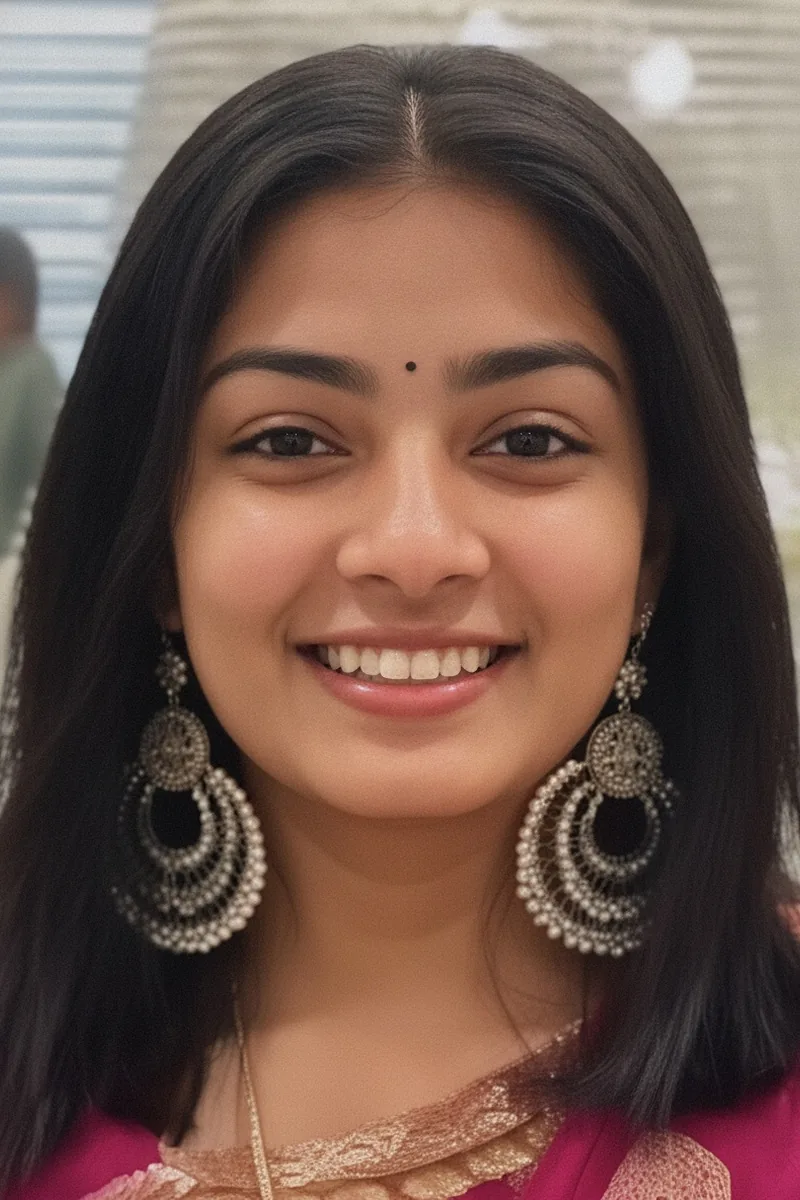
Certified Tutor
5+ years
Sabira
From writing your first for-loop to building out functions with libraries like NumPy or pandas, Python rewards clear logical thinking — which is exactly what a dual math-and-CS major trains for. Sabira breaks down concepts like list comprehensions, recursion, and file I/O so students understand the ...
Johns Hopkins University
Bachelor of Science, Applied Mathematics
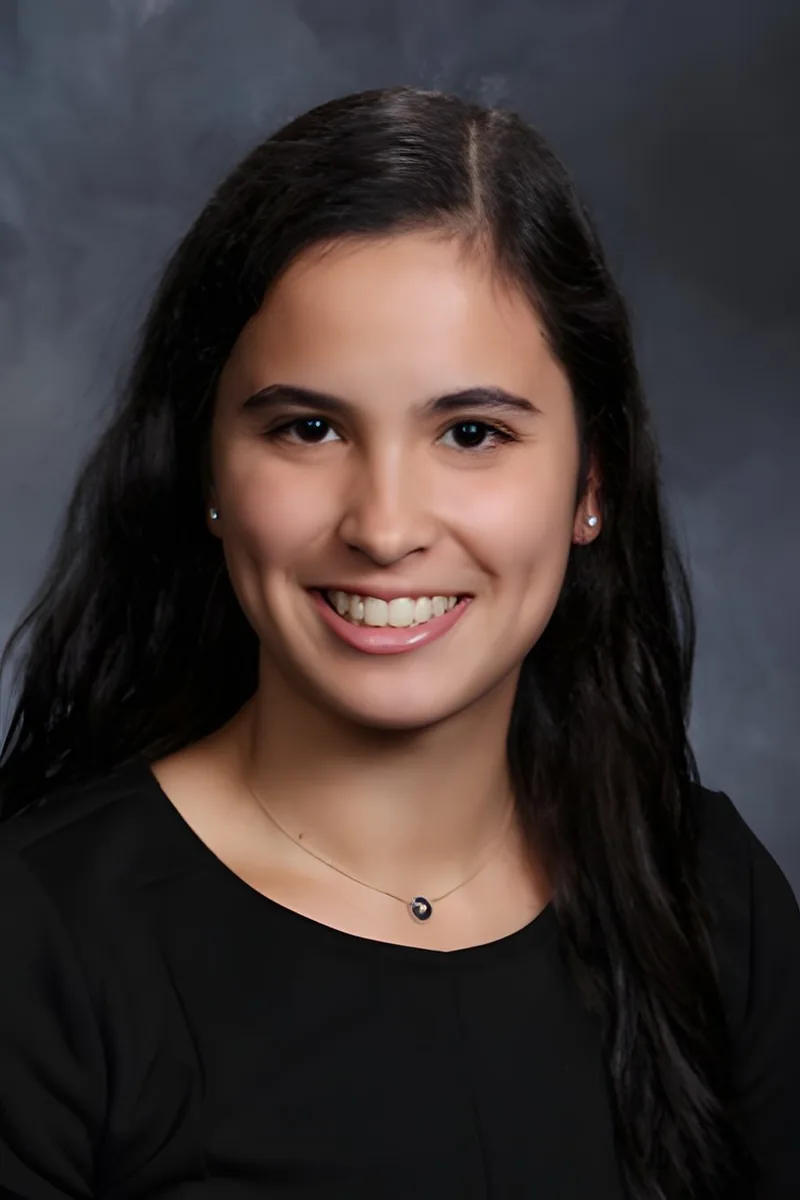
Certified Tutor
9+ years
Isabella
TA'ing college-level computer science courses at MIT and Georgia Tech gave Isabella a clear picture of where students stumble in Python — from misunderstanding how mutable default arguments behave to writing tangled spaghetti code when a clean function would do. Her operations research background me...
Massachusetts Institute of Technology
Bachelor of Science in Mathematics (minors in Management Science and Ancient and Medieval Studies)
Georgia Institute of Technology-Main Campus
Current Grad Student, Operations Research
Certified Tutor
9+ years
Brian
From list comprehensions to object-oriented class design, Brian teaches Python with an emphasis on writing clean, efficient code — not just code that runs. His Caltech CS background included heavy use of Python for data analysis and algorithm implementation, which means he can adapt sessions to what...
University of California-Santa Cruz
PHD, Technology & Information Mgmt (Indef. deferred)
California Institute of Technology
Bachelors in Economics and Computer Science
Certified Tutor
Matthew
Bioinformatics at Stanford meant writing Python daily — parsing genomic datasets, automating lab analyses, and building scripts to visualize biological data. Matthew teaches Python fundamentals like loops, functions, and data structures through real problem-solving rather than abstract exercises. St...
Stanford University
Bachelors in Human Biology (concentration in Bioinformatics and Stem Cell Science)
Certified Tutor
6+ years
Elyse
From writing first scripts with loops and conditionals to building out classes and working with libraries like pandas or matplotlib, Elyse tailors Python sessions to wherever a student's project or coursework demands. Her Stanford CS training means she doesn't just teach syntax — she instills habits...
Stanford University
Bachelor of Science, Computer Science
Certified Tutor
6+ years
Annie
Annie uses Python daily in her biomedical engineering work at Cornell, from writing scripts to analyze immunotherapy research data to building computational models in MATLAB and Python side by side. She teaches core concepts like loops, functions, data structures, and libraries such as NumPy by conn...
Cornell University
Bachelor of Science, Biomedical Engineering
Certified Tutor
6+ years
Dane
Dane's double major in Electrical & Computer Engineering and Computer Science at Duke means Python is part of his daily toolkit — from scripting hardware simulations to automating data pipelines across engineering coursework. He teaches students to think like engineers when they code: breaking a pro...
Duke University
Bachelor of Engineering, Computer Software Engineering
Certified Tutor
6+ years
Tim
Tim writes Python daily as part of his Computational Neuroscience work at MIT, building scripts for data analysis and simulation rather than just textbook exercises. That real-world coding context means he can walk students through everything from basic syntax and control flow to libraries like NumP...
Massachusetts Institute of Technology
Bachelor of Science, Computational Science
Certified Tutor
6+ years
Kevin
Python's readability makes it a great first language, but it also powers serious work in machine learning, data analysis, and scripting — and Kevin has used it across all three at Stanford. Whether a student is debugging their first for-loop or building a neural network with NumPy and PyTorch, he ex...
Stanford University
Master of Science, Computer Science
Stanford University
Bachelor of Science
Certified Tutor
8+ years
Kerr
Learning Python means learning to think in loops, conditionals, and data structures before worrying about syntax. Kerr, a computer science student at Vanderbilt currently building iOS and game projects, walks students through writing actual programs — from simple scripts to projects involving lists,...
Vanderbilt University
Bachelor of Economics, Economics
Certified Tutor
Tashina
Tashina picked up Python as a research tool during her PhD in Psychological and Brain Sciences — writing scripts for data cleaning, statistical analysis with pandas and NumPy, and automating repetitive lab tasks. That practical origin means she teaches coding the way she learned it: by building some...
Johns Hopkins University
PHD, Psychological and Brain Sciences
Barnard College
Bachelor in Arts, Psychology
Certified Tutor
7+ years
Clive
Python's readability makes it a great first language, but students still hit walls with list comprehensions, dictionary manipulation, and debugging runtime errors. Clive tackles these sticking points by writing code live with students, explaining his reasoning at each step so they learn to think lik...
Brown University
Bachelor of Economics, Economics
Certified Tutor
5+ years
Nicholas
Python's readability makes it a great first language, but students still hit walls around list comprehensions, recursion, and object-oriented design. Nicholas uses Python daily in his applied mathematics and engineering work at Johns Hopkins, so he teaches it as a practical tool — writing scripts th...
Johns Hopkins University
Bachelor of Science, Biomedical Engineering
Certified Tutor
4+ years
Corrina
Python's simplicity makes it a great first language, but students still get tripped up by list comprehensions, object-oriented design, and debugging logic errors they can't quite see. Corrina writes Python regularly and teaches it by building small projects — from data analysis scripts to simple gam...
Massachusetts Institute of Technology
Bachelor of Science, Mechanical Engineering
Certified Tutor
6+ years
Lauren
Working in a neuroscience research lab at Duke meant Lauren had to learn Python for real tasks — cleaning datasets, running statistical analyses, and visualizing experimental results. She teaches Python through that practical lens, covering loops, functions, and libraries like NumPy by connecting ea...
Duke University
Bachelor of Science, Neuroscience
Other Manhattan Tutors
Related Technology and Coding Tutors in Manhattan
Frequently Asked Questions
Python is an excellent choice for beginners because its syntax is clean and readable, making it easier to focus on programming logic rather than getting bogged down in complex syntax rules. Many students find that Python's straightforward structure helps them understand fundamental concepts like loops, conditionals, and functions before moving to more complex languages. This foundation makes it much easier to learn other programming languages later if needed.
Students often struggle with understanding error messages and debugging code—knowing where to look when something breaks is a critical skill. Another common challenge is the jump from writing simple scripts to thinking algorithmically about how to solve problems, especially when working with data structures like lists and dictionaries. Many students also find it difficult to move from following tutorials to building their own projects from scratch. Personalized tutoring helps by providing hands-on code review and walking through debugging strategies in real-time.
Syntax is the specific rules of Python—how you write a for loop or define a function—while logic is the problem-solving approach behind it. You can memorize syntax, but logic requires understanding *why* you'd use a loop instead of an if statement, or how to break a complex problem into smaller steps. Many students get stuck because they know the syntax but can't figure out how to apply it to new problems. Working with a tutor helps you develop that logical thinking by working through real problems together and learning to approach challenges systematically.
Building real projects is one of the most effective ways to learn Python because it forces you to apply concepts in context rather than just studying isolated lessons. Whether you're building a game, a web scraper, or a data analysis tool, projects help you understand how different pieces fit together and give you something concrete to show for your work. Tutors can guide you through project development, help you plan the architecture, review your code, and push you to solve problems independently while being there when you get stuck.
Python is used across many fields—web development (Django, Flask), data science and machine learning, automation, game development, and scientific computing. For students in Manhattan, this opens doors to internships and careers in tech companies, finance firms, startups, and research institutions. Learning Python gives you a versatile skill that's in high demand, and tutors can help you focus on the specific areas that interest you most, whether that's building web applications or analyzing data.
Your first session is about understanding where you're starting from—what programming experience you have, what your goals are, and what's been challenging so far. A tutor will likely assess your current level by looking at any code you've written or working through a simple problem together. From there, you'll build a plan that matches your pace and goals, whether you're learning Python from scratch, preparing for a computer science class, or working toward a specific project.
Debugging is a skill that improves with practice and guidance. A tutor can teach you systematic approaches—like reading error messages carefully, using print statements strategically, or understanding how to trace through your code step-by-step. Instead of just telling you what's wrong, good tutoring helps you develop the mindset to find and fix errors independently. Over time, you'll recognize common mistake patterns and know exactly where to look when something breaks.
Data structures like lists, dictionaries, and sets determine how efficiently your code runs and how easily you can solve problems. Understanding which structure to use for a specific task is crucial for writing good code. Rather than memorizing definitions, learning data structures is best done through hands-on practice—building projects that require you to choose and use the right structure. A tutor can help you see why a dictionary makes more sense than a list for a particular problem, and guide you through real examples until it clicks.
Connect with Python Tutors in Manhattan
Get matched with local expert tutors