Award-Winning AP European History Tutors
serving Albuquerque, NM
AP European History
Tutors in Albuquerque
Private 1-on-1 tutoring, weekly live classes for academic support, test prep & enrichment, practice tests and diagnostics, and more to elevate grades and test scores.
Based on 3.4M Learner Ratings
UniversitiesSchools & Universities
DeliveredHours Delivered
ProficiencyGrowth in Proficiency
Who needs tutoring?
No obligation. Takes ~1 minute.

From the Renaissance patronage system to the ideological fractures of the Cold War, AP European History covers an enormous sweep that rewards students who can think thematically rather than chronologically. Laura's own deep reading in art, literature, and cultural history gives her a way into the material that connects political shifts to the cultural moments students can actually visualize and remember.
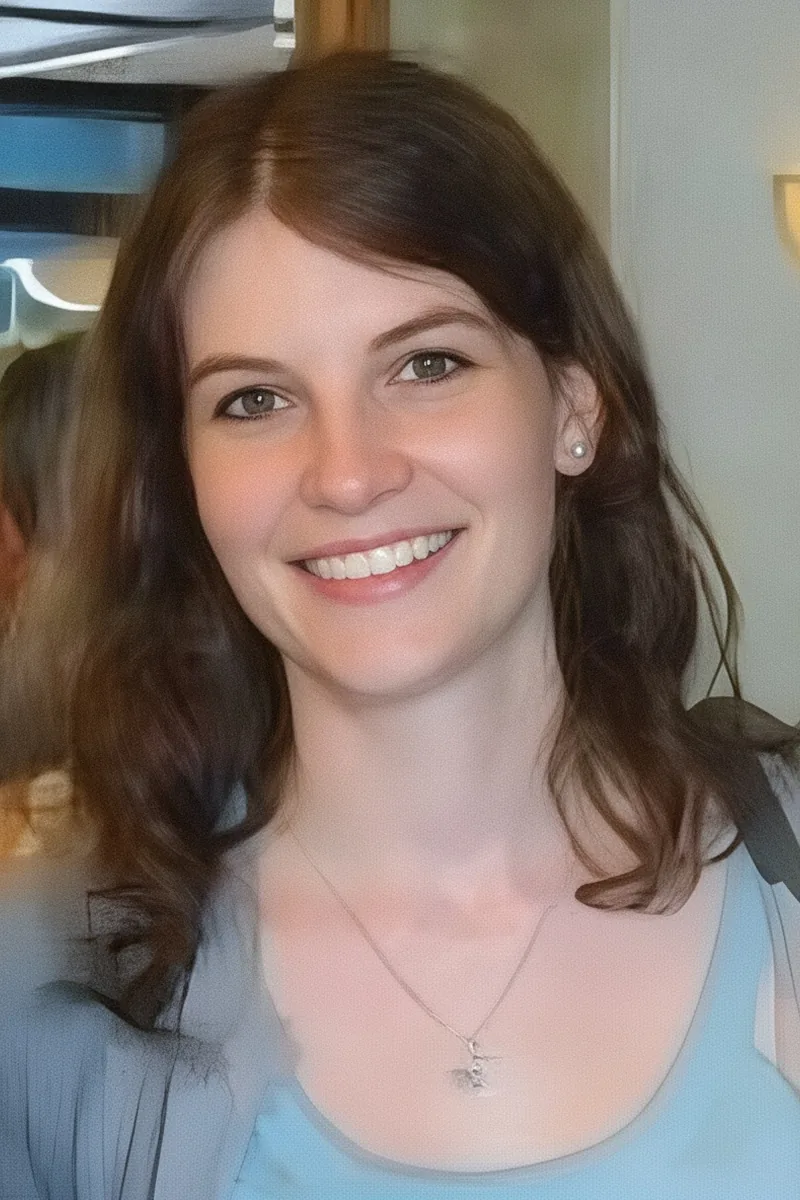
Elena's graduate research in medieval art took her deep into the political and religious upheavals that shaped Europe — from Justinian's Ravenna to the fragmentation of Christendom. That immersion in primary visual and textual sources is exactly what AP European History demands, and she teaches students to analyze everything from Reformation-era woodcuts to Enlightenment treatises with the same critical eye.
The AP European History exam asks students to do more than recall dates — it tests whether they can dissect a document set and construct an argument about, say, how Enlightenment thought reshaped political legitimacy. Brian approaches these document-based questions the way he approaches any analytical problem: identify the claim, weigh the evidence, and build a tight logical structure. His interdisciplinary background spanning economics and the humanities makes him especially effective at connecting Europe's intellectual, economic, and political threads.
**"BYE TO AI" DISCLAIMER: In an environment where tutors use AI to research, plan lessons, and even give students feedback, I have a zero tolerance policy for AI tools and materials, and I commit to NOT using them in our work together whatsoever.** ABOUT ME: Award-winning writer and classical soprano. Bachelor's degree from Vanderbilt University in history; second major in voice; minor in Italian; concentration in musicology. Master's degree from the University of Rochester. Professional editor (both journalistic and creative prose) experienced in the Chicago Manual of Style and AP Style Guide. Areas of specialty include classical music (bel canto vocal instruction, musicology, and music theory), 18th and 19th century American and European history and literature, research skills, creative writing, test prep, and college admissions. My instruction in college essay writing has enabled over 30 students to gain admissions to top schools.
Jeff's master's in history from UC Berkeley, where he taught both history and philosophy to undergraduates, gave him the kind of dual training AP Euro rewards — understanding not just what happened during periods like the Reformation or the French Revolution, but the philosophical ideas driving those events. His philosophy degree from Princeton sharpens how he teaches argumentation, showing students how to construct the layered, thesis-driven essays that score well on the DBQ and LEQ.
Ethan's environmental science and public policy degree trained him to analyze how economic forces, ideological movements, and institutional decisions interact — the same kind of multi-causal thinking AP Euro rewards on every essay. He applies that analytical framework to periods like the Industrial Revolution's social upheaval or the political calculus behind European imperialism, showing students how to build arguments that weave together evidence rather than just list events. Rated 5.0 by students.
Studying European history at Vanderbilt alongside her education degree means Jessica isn't just learning pedagogy — she's actively immersed in the content AP Euro covers, from absolutism and revolutionary movements to twentieth-century ideological conflict. That dual focus gives her a practical edge when it comes to breaking down how the exam's periodization works and what kinds of historical reasoning each question type actually rewards. Rated 4.5 by students.
Arthur's economics degree gives him an unusual angle on AP European History — he naturally gravitates toward the economic engines behind major shifts, whether it's how the Commercial Revolution fueled state consolidation or how interwar hyperinflation destabilized Weimar Germany. That economic lens is especially useful for the LEQ, where students who can weave together political, social, and economic causation consistently outscore those who stick to a single thread. His 36 ACT speaks to the reading and analytical writing chops the exam's document-based questions demand.
I am a 2009 graduate of the University of Chicago in Statistics and Political Science. I have been a tutor for test prep (including ACT, SAT, LSAT and AP testing), academic and creative writing, and general academic assistance for three years.
I'm a graduate of Columbia University with a B.A. in History. I'm passionate about history and English, but I'm a competent math tutor as well. I have received outstanding scores on my SAT and AP tests, and am confident in my ability to pass on these skills to the next generation.
Patrick is completing his PhD in Modern European History at Rutgers, which means he doesn't just teach the AP Euro curriculum — he lives in the primary sources, historiographical debates, and periodization that the exam tests. His exchange year at the École Normale Supérieure in Paris deepened his command of topics like the French Revolution, Enlightenment thought, and Cold War diplomacy. He also worked at the Educational Testing Service developing standardized exams, so he understands how AP questions are constructed from the inside.
The AP European History exam rewards students who can trace causation across centuries — linking, for instance, the Protestant Reformation to the Peace of Westphalia to the rise of the nation-state. Sanoja's political science training at Yale centered on exactly this kind of structural analysis, and her Fulbright year in Colombia deepened her understanding of how European colonialism reshaped global power dynamics. She teaches students to write DBQs that argue rather than narrate.
From the Protestant Reformation to the Congress of Vienna to decolonization, AP European History covers centuries of political, intellectual, and social change at a pace that overwhelms most students. Blake's history degree gives him the content depth to connect these threads, and he zeroes in on the skill AP graders actually reward: crafting a thesis that takes a defensible position and supports it with precise historical evidence.
Testimonials
Because the right AP European History tutor makes all the difference.
Average Session Rating – Based on 3.4M Learner Ratings
Practice AP European History
Free practice tests, flashcards, and AI tutoring for AP European History
Other Albuquerque Tutors
Related Social Studies Tutors in Albuquerque
Frequently Asked Questions
The AP European History exam tests knowledge of European history from 1450 to the present, divided into four time periods. The exam includes 55 multiple-choice questions, short-answer questions, document-based questions (DBQ), and a long essay question that requires you to analyze historical themes, causes, and consequences across different eras. Success requires understanding major events, key figures, and historical processes—not just memorizing dates.
Personalized 1-on-1 instruction focuses on your specific weak areas—whether that's analyzing primary sources, understanding causation, or managing essay timing—which research shows is far more effective than general test prep. Many students improve by multiple score points when they work with a tutor to develop stronger analytical skills and test-taking strategies tailored to the AP format. The amount of improvement depends on your starting point and how consistently you apply the strategies you learn.
Students typically struggle with three main areas: analyzing complex primary documents under time pressure, connecting historical events across different time periods to show broader patterns, and writing clear, evidence-based essays within strict time limits. Many also find it challenging to distinguish between similar events or movements, or to understand causation versus correlation. A tutor can help you develop strategies for each of these challenges and build confidence through targeted practice.
Your first session focuses on understanding where you stand. Varsity Tutors connects you with a tutor who will assess your strengths and weaknesses—whether through reviewing past essays, taking a practice section, or discussing which topics feel unclear. Together, you'll identify your priority areas and create a personalized study plan that fits your timeline before the exam. This foundation ensures every future session builds directly toward your goals.
Practice tests are essential for AP European History because they help you understand the exam format, identify weak areas, practice pacing (you have limited time for essays), and build test-taking stamina. Taking full-length practice exams under timed conditions reveals which historical periods or question types give you trouble, so you can focus your studying strategically. A tutor can review your practice test results with you, point out patterns in your mistakes, and teach you how to avoid them on test day.
AP European History essays require a clear thesis, specific evidence from the time period, and analysis showing how that evidence supports your argument—not just description. Common mistakes include writing too broadly, using vague language, or running out of time. A tutor can teach you a structured essay approach, help you practice writing under time pressure, and give you feedback on how to strengthen your arguments and use evidence more effectively.
Look for a tutor with deep knowledge of European history, experience teaching or tutoring AP-level students, and familiarity with the specific AP exam format and scoring rubrics. It's also valuable if they can teach you test-taking strategies, help you analyze primary sources, and give constructive feedback on your writing. Varsity Tutors connects you with expert tutors who understand both the content and the skills you need to succeed on exam day.
Most students benefit from starting tutoring 2-3 months before the exam if they're aiming for significant improvement, though even a few weeks of focused work can help. The key is consistent, strategic studying rather than cramming—working on weak areas, taking practice tests, and refining your essay skills over time. Your tutor can help you create a realistic study schedule based on where you're starting and what you need to work on most.
Let’s find your perfect tutor
Answer a few quick questions. We’ll recommend the right plan and match you with a top 5% tutor.