Award-Winning Phonics Tutors
serving St. Louis, MO
Phonics
Tutors in St. Louis
Private 1-on-1 tutoring, weekly live classes for academic support, test prep & enrichment, practice tests and diagnostics, and more to elevate grades and test scores.
Based on 3.4M Learner Ratings
UniversitiesSchools & Universities
DeliveredHours Delivered
ProficiencyGrowth in Proficiency
Who needs tutoring?
No obligation. Takes ~1 minute.
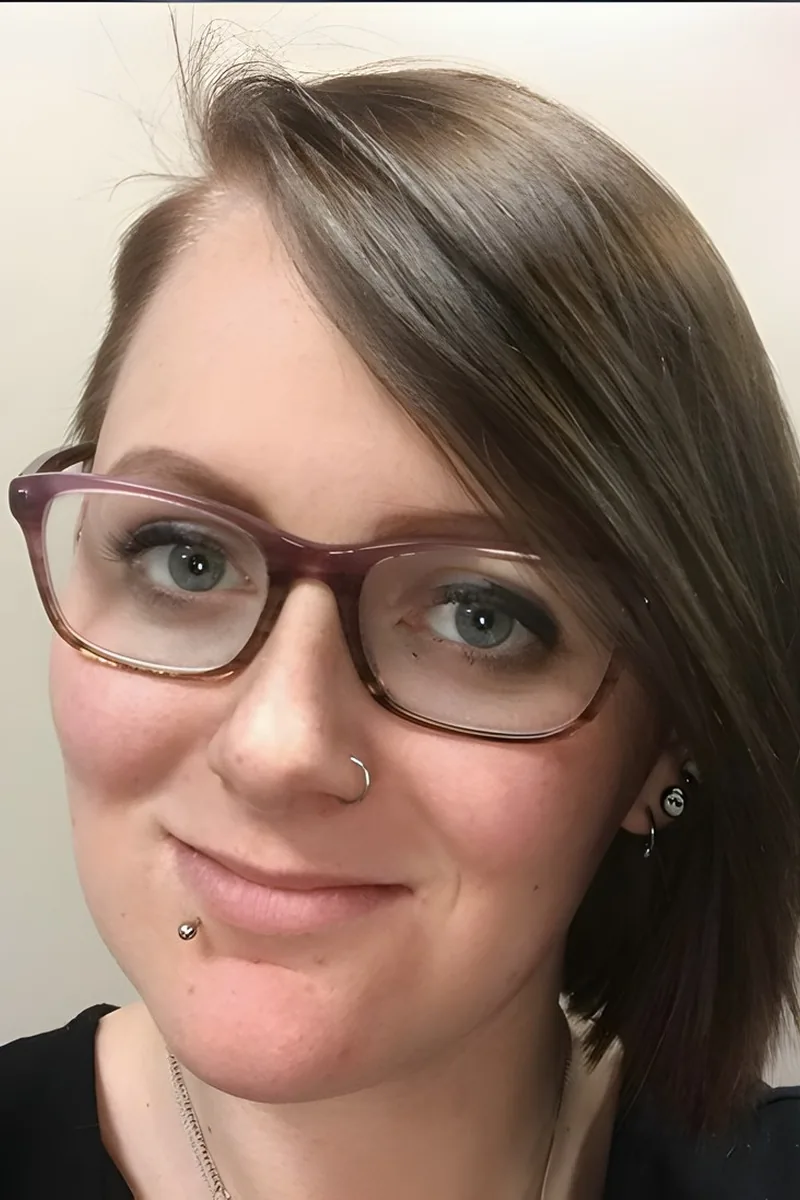
Working full-time as a literacy interventionist in an elementary school means Brianna spends her days pinpointing exactly where young readers stall in the decoding process — whether it's a vowel team they haven't locked in or a blend they're skipping over entirely. That daily, hands-on work with struggling readers gives her a practical read on which letter-sound patterns need reinforcing and how to sequence practice so skills build on each other. Rated 5.0 by clients.

Early readers need to crack the code between letters and sounds before anything else clicks. Bri teaches phonemic awareness systematically — blending, segmenting, digraphs, vowel teams — giving young learners the decoding tools that turn sounding out words into confident, fluid reading.
Early readers need someone who makes letter-sound relationships feel like a game, not a chore. Meaghan's K-12 teaching certification and experience with elementary-age students mean she knows how to move systematically through blending, segmenting, and sight-word recognition while keeping young learners engaged and building real confidence with each session.
Most of Sarah's tutoring centers on writing and literature, but her deep knowledge of English structure — grammar, syntax, spelling patterns — gives her a solid grounding for teaching the letter-sound relationships that underpin early reading. She approaches phonics the way she approaches language as a whole: by showing learners how the pieces fit together so that decoding new words becomes logical rather than random. Rated 5.0 by students.
Early readers need someone patient enough to sit with the mechanics of blending, segmenting, and sounding out words until the patterns click. Bina teaches phonics by connecting letter-sound relationships to actual reading practice, so children move from decoding individual syllables to reading full sentences with confidence.
Learning to read starts with cracking the code — connecting letter combinations like 'sh,' 'th,' and silent-e patterns to the sounds they actually make. Subashini brings the same patient, step-by-step approach she uses in science teaching to phonics, breaking down blends and digraphs so young learners build real decoding confidence.
Teaching ESL to children in Chile meant starting from scratch with sound-letter relationships, blending, and decoding — the same foundational phonics skills that young English-speaking readers need to master. Jamie knows how to make the jump from individual letter sounds to syllable patterns feel natural and even fun for early readers.
Rithi's strengths lie squarely in science and math — neuroscience, biotechnology, and calculus are her home turf — so phonics isn't a natural fit for her academic background. That said, her neuroscience training covered how the brain processes language and maps sounds to symbols, which gives her a more analytical lens on the decoding skills that underpin early reading.
Jenna's experience teaching French and ESL/ELL learners gave her a deep understanding of how sounds map to letters across languages. She applies that ear for phonemic patterns when teaching phonics, breaking down blends, digraphs, and vowel teams so early readers decode words with real confidence.
Early readers need someone patient enough to sit with the building blocks — letter-sound correspondence, blending, digraphs, sight words — and make each small victory feel like a big deal. Alex's bilingual background gives him particular insight into how sounds map differently across languages, which is especially useful for young learners in multilingual households.
Silvi's training in Human Development and Family Studies gives her a research-informed understanding of how early readers acquire language — from phonemic awareness and letter-sound correspondence to blending and segmenting. She tailors phonics instruction to each learner's pace, building decoding skills through multisensory techniques that make the connection between sounds and print feel intuitive.
Early readers need someone who can make the connection between letters and sounds feel intuitive, not mechanical. Kheya breaks phonics into manageable pieces — blending consonant clusters, recognizing long and short vowel patterns, decoding multi-syllable words — and reinforces each skill with plenty of repetition and encouragement. Her experience reading with third graders gives her a natural sense of pacing for young learners.
Years of directing tutors and teaching at a charter middle school in Boston — including earning a master's in special education for mild to moderate disabilities — gave Liz extensive practice adapting decoding instruction for students with dyslexia, ADHD, and other learning differences that can make letter-sound connections especially tricky. She structures phonics lessons around each reader's specific breakdown point, whether it's vowel teams they haven't solidified or multisyllabic words they're guessing at rather than sounding through. Rated 4.7 by clients.
Understanding how the brain processes language isn't just theory for Giovanna — her Penn degree in Cognitive Neuroscience covered the science behind how children learn to decode words. She applies that knowledge to phonics instruction, teaching letter-sound relationships, blending, and digraphs in a systematic way that builds real reading fluency.
Certified in special education and trained across K-5 classrooms, Colin knows how to spot when a young reader is guessing at words instead of actually decoding them — and he adjusts the lesson right there, whether that means slowing down on vowel sounds or adding a hands-on component to reinforce blending. His master's in education grounds his phonics instruction in structured sequencing, moving from individual letter-sound pairs to digraphs and multisyllabic words at a pace matched to each child's readiness.
Early reading starts with sounds — blending consonants, recognizing vowel patterns, decoding unfamiliar words one syllable at a time. Sarah's Child Development degree from Vanderbilt gave her a strong understanding of how young children acquire language, which shapes how she sequences phonics instruction. She keeps sessions playful and repetitive in the right ways, so letter-sound connections become automatic rather than forced.
Testimonials
Because the right Phonics tutor makes all the difference.
Average Session Rating – Based on 3.4M Learner Ratings
Nearby Phonics Tutors
Other St. Louis Tutors
Related English Tutors in St. Louis
Frequently Asked Questions
Phonics is the method of teaching students to read by connecting letters and letter combinations with their sounds, then blending those sounds into words. It's a foundational skill that helps students decode unfamiliar words independently and build reading fluency. Strong phonics skills in early elementary grades are linked to better reading comprehension and academic success across all subjects.
Many students struggle with letter-sound correspondence, blending sounds together, or recognizing irregular words that don't follow standard phonetic patterns. Others find it difficult to apply phonics rules consistently across different words and contexts. With St. Louis's average student-teacher ratio of 13.2:1, personalized phonics instruction can help students who need extra practice or a different teaching approach to master these foundational skills.
Phonics instruction is most intensive in kindergarten through second grade, when students are building foundational decoding skills. However, students in grades 3-5 who struggle with reading fluency or didn't master phonics earlier can still benefit significantly from targeted tutoring. Older students may need phonics support for multisyllabic words or to address persistent reading gaps.
In a classroom of 13+ students, teachers must pace instruction for the whole group, which means some students move too quickly while others fall behind. Personalized tutoring allows tutors to focus entirely on a student's specific needs—whether that's extra practice with certain letter sounds, strategies for blending, or confidence building. This one-on-one approach lets tutors adjust pacing, choose materials that match a student's interests, and address gaps immediately.
Yes. Varsity Tutors connects you with tutors who understand St. Louis school district standards and can reinforce the phonics methods and scope your child's school uses. Whether your child's school follows a structured literacy approach, balanced literacy, or another framework, tutors can work within that context while providing additional practice and support tailored to your child's learning pace.
The first session is an assessment and rapport-building meeting. The tutor will evaluate your child's current phonics skills—such as letter recognition, sound knowledge, and blending ability—to identify strengths and areas for growth. They'll also get to know your child's learning style and interests, then work with you to create a personalized plan for moving forward.
Progress in phonics is visible through increased accuracy in decoding unfamiliar words, improved reading fluency, and greater confidence when tackling text independently. Tutors typically track specific skills like mastery of letter sounds, blending ability, and sight word recognition. You'll also notice real-world improvements—your child reading signs, labels, and simple books with less frustration and more enthusiasm.
The ideal frequency depends on your child's needs and goals. Students with significant phonics gaps often benefit from 2-3 sessions per week, while those needing reinforcement might do well with one session weekly. Most students see meaningful progress within 8-12 weeks of consistent tutoring, though timelines vary. A tutor can recommend a schedule based on your child's starting point and learning pace.
Let’s find your perfect tutor
Answer a few quick questions. We’ll recommend the right plan and match you with a top 5% tutor.