Award-Winning Essay Editing Tutors
serving Ann Arbor, MI
Award-Winning
Essay Editing
Tutors in Ann Arbor
Private 1-on-1 tutoring, weekly live classes for academic support, test prep & enrichment, practice tests and diagnostics, and more to elevate grades and test scores.
Based on 3.4M Learner Ratings
UniversitiesSchools & Universities
DeliveredHours Delivered
ProficiencyGrowth in Proficiency
Who needs tutoring?
No obligation. Takes ~1 minute.
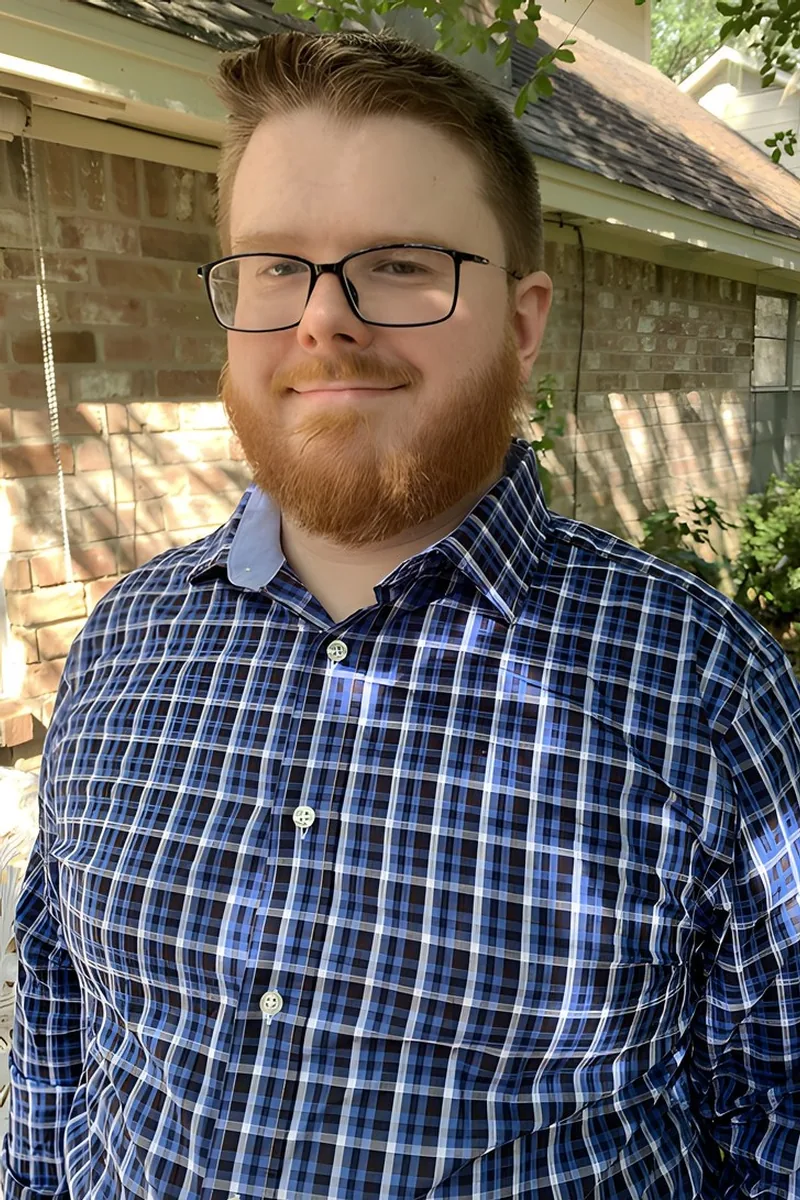
Years of writing research papers and a doctoral dissertation taught Michael how to spot structural weaknesses in an essay — unclear thesis statements, paragraphs that drift from their topic sentences, and transitions that don't actually connect ideas. He brings that same revision process to student writing, walking through each draft with an eye for argument clarity and concision.
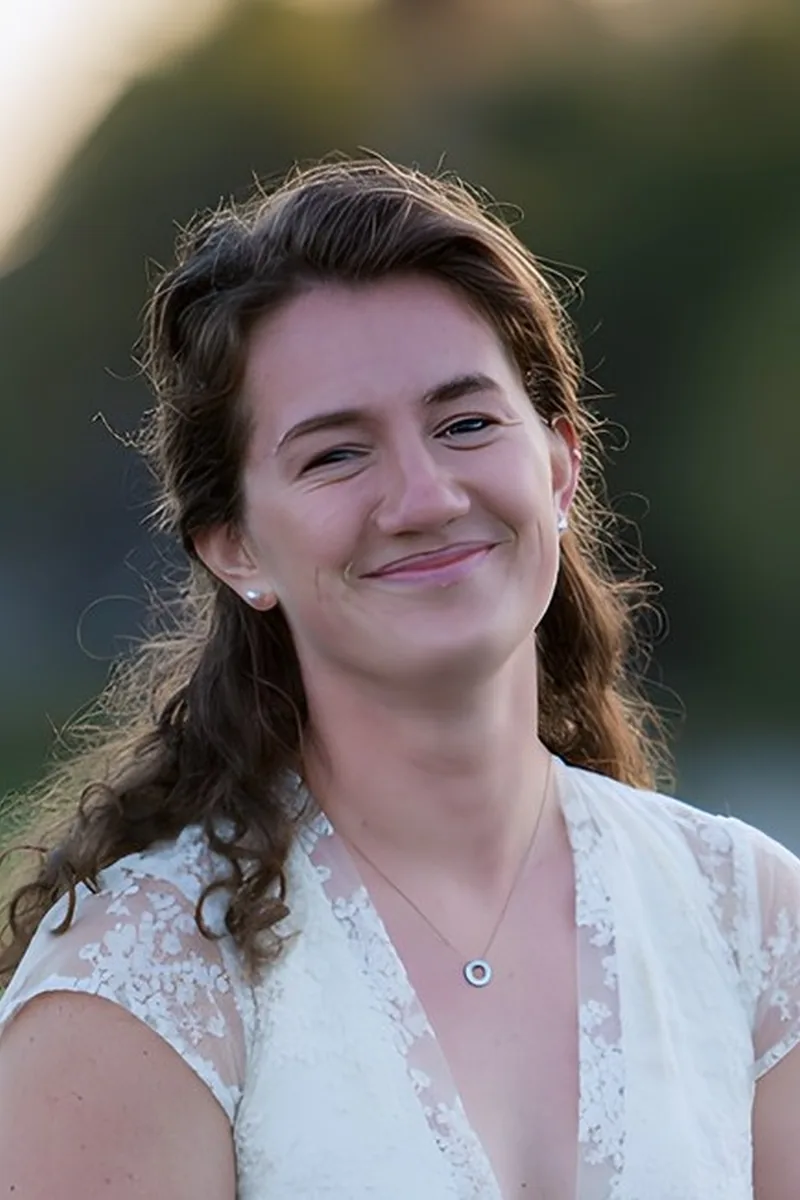
Good editing is more than catching typos — it's rethinking whether each paragraph earns its place. Skyler reads drafts at both the sentence level (clarity, grammar, word choice) and the structural level (argument flow, transitions, evidence placement), then gives concrete revision notes rather than vague suggestions. Her 5.0 rating speaks to how much students value that specificity.
Good editing is more than catching typos; it's about restructuring an argument so each paragraph earns its place. Martha has spent years revising dense academic manuscripts in psychology and global health, and she applies that same structural eye to student papers — tightening thesis statements, cutting redundancy, and strengthening transitions between ideas.
A strong essay usually isn't rewritten — it's reorganized. Megan walks through drafts with an eye for argument structure, transition logic, and clarity at the sentence level, showing students how to tighten their own prose rather than just accepting edits. Her experience with college-level writing at Yale and four years of K-12 tutoring give her a sharp sense of what readers at any level expect.
Good editing is more than fixing commas — it's seeing where an argument loses its thread, where a paragraph buries its point, or where the tone shifts without reason. Sophia's Yale English training and her experience editing college application essays give her a sharp eye for both sentence-level mechanics and the bigger structural moves that turn a rough draft into a persuasive piece of writing.
Editing someone else's essay is a different skill than writing your own — it requires reading for argument structure, transitions, and evidence integration before touching a single comma. Suzie's experience crafting scientific papers and personal statements at the MD/PhD level gives her a sharp editorial eye for clarity and concision. She teaches students to self-edit using a layered approach: logic first, then paragraphs, then sentences.
A summa cum laude graduate who went on to medical school, Ruth knows how to tighten an argument — whether that means restructuring a thesis statement, cutting redundant phrasing, or making transitions actually earn their place in a paragraph. She treats editing as a skill students can internalize, walking through each revision so the reasoning behind every change is clear.
Good editing isn't just fixing commas — it's figuring out whether each paragraph earns its place and whether the argument actually builds. Ajay reads drafts the way his philosophy coursework taught him to evaluate reasoning: checking that every claim has support, every transition is logical, and the writer's voice stays clear throughout.
I am a learner for life and I love sharing my knowledge with others. I have tutored middle-school students for one year and university students for two years. My focus is mainly on mathematics, chemistry, and related fields. I have degrees in both mathematics and biomedical engineering so I cover a lot of ground in the physiological sciences, computer programming, and statistics as well. Taking tests is one of my strong points and I have some killer strategies to share!
Editing an essay isn't just about fixing commas — it's about seeing where the argument loses its thread or where a paragraph does too much at once. Megan's years of teaching writing at Princeton mean she reads drafts structurally first, identifying where transitions fail or evidence doesn't land, before moving to sentence-level polish. She marks up work with specific explanations so students learn to self-edit over time.
Kerry's favorite part of editing is the moment a student realizes their draft already has a strong idea buried under clutter — and that revision is about uncovering it, not starting over. As a business student at Michigan Ross, she brings a reader-first mentality to every draft, cutting vague filler and reshaping paragraphs so the argument hits clearly on the first read. She especially enjoys helping students find their own voice within the constraints of academic writing.
Editing an essay well means more than fixing commas — it means evaluating whether each paragraph actually advances the argument. Henry approaches revision structurally, checking that thesis statements are specific, topic sentences do real work, and evidence is analyzed rather than just quoted. His experience writing across disciplines at Carleton sharpened his eye for clarity and logical flow in any subject area.
A rough draft becomes a polished essay when someone shows you where your argument drifts, where your evidence is thin, and where a sentence could land harder. Jason treats editing as a structured process — tackling thesis clarity first, then paragraph-level logic, then line-by-line grammar and style. He's sharpened this skill through his own admissions writing and years of helping students tighten their prose.
Good editing is more than proofreading — it's rethinking argument structure, cutting filler, and tightening transitions between ideas. Eva's journalism training taught her to revise ruthlessly, and she applies that same discipline to academic essays, personal statements, and creative pieces. She's rated 5.0 by the students she's worked with.
Good essay editing isn't just catching comma splices — it's figuring out whether the argument actually holds together from paragraph to paragraph. Phil breaks revision into layers: first the thesis and logical flow, then transitions and evidence, and finally sentence-level clarity. His background in both analytical math thinking and creative writing gives him a sharp eye for structure and style simultaneously.
The difference between a B essay and an A essay usually isn't the argument — it's the execution. Surina digs into structure, transitions, and evidence integration, showing students exactly where their drafts lose momentum or where a paragraph buries its strongest point. Years of writing research papers and admissions essays across science and humanities sharpened her editorial instincts.
A strong essay isn't just error-free — it needs a clear throughline and evidence that actually supports the thesis. Nikitha approaches editing as a conversation, walking students through their own drafts to identify where arguments lose focus or where a paragraph needs restructuring. Her experience with college admissions essays gives her a sharp eye for voice and clarity.
Good essay editing goes beyond fixing typos — it means reworking a thesis that doesn't quite land, cutting paragraphs that repeat themselves, and tightening transitions so the argument actually flows. Trishani reads drafts the way a professor would, then teaches the writer how to spot those same issues independently next time.
Editing an essay isn't just about catching comma splices — it's about tightening an argument so every paragraph earns its place. Rachel reads drafts the way a teacher would, flagging weak thesis statements, unclear transitions, and evidence that doesn't connect back to the central claim. Her dual background in general and special education means she adapts her feedback style to match how each writer processes revision.
Years of writing and revising research papers in biochemistry and medical school taught Uchenna that good editing is about structure first, sentences second. He reads a draft looking for argument coherence — whether each paragraph earns its place and whether transitions actually connect ideas — before tightening word choice and grammar. That top-down approach consistently turns unfocused essays into sharp, well-organized pieces.
Good editing isn't just catching comma splices — it's restructuring a paragraph so the argument actually lands. Rebekah breaks the revision process into layers: first logic and flow, then sentence-level clarity, then grammar and mechanics. Her 5.0 rating speaks to how quickly students start seeing their own drafts with sharper eyes.
Editing an essay well means more than catching comma splices — it means asking whether each paragraph actually earns its place in the argument. William approaches revision with an engineer's eye for structure, checking that thesis statements are specific, transitions are doing real work, and evidence lines up tightly with each claim.
A good edit isn't about fixing commas — it's about figuring out whether the argument actually holds together. Ceren reads drafts the way she was trained in Michigan's writing workshops: identifying where the thesis loses focus, where evidence needs tightening, and where transitions leave the reader behind. She marks up structure and logic first, then polishes at the sentence level.
Good essay editing goes beyond fixing commas — it means tightening arguments, cutting filler, and making sure each paragraph earns its place. Samantha reads student drafts with an eye for logical flow first and surface-level grammar second, which tends to produce cleaner, more persuasive writing overall. She's especially effective with academic and application essays.
Editing an essay isn't just about catching comma splices — Haley looks at argument structure first, checking whether each paragraph actually advances the thesis before touching grammar or word choice. Her engineering training makes her especially sharp at spotting logical gaps and vague claims that weaken a paper. She then walks through sentence-level revision, covering clarity, transitions, and tone.
Editing is where Tyler's science training pays unexpected dividends — years of revising lab reports and research proposals taught him to cut jargon, tighten thesis statements, and restructure paragraphs so each one earns its place. He walks through essays sentence by sentence, showing students how to spot passive voice, redundancy, and unsupported claims on their own.
Good essay editing goes beyond fixing comma splices and passive voice — it means reworking a thesis that doesn't quite hold, restructuring paragraphs that bury the argument, and cutting sentences that sound smart but say nothing. Alexandra tackles drafts at every level, from overall argument clarity down to word choice, and she's deliberate about explaining why each change strengthens the piece.
Good editing isn't just fixing commas — it's learning to read your own writing the way a stranger would. Nikki tackles essay revision at every level, from paragraph-level organization and argument clarity down to sentence rhythm and word choice. Her engineering training makes her especially sharp at cutting unnecessary words and tightening logic.
Good essay editing goes beyond catching comma splices and passive voice. Kirby digs into argument structure — whether a thesis actually drives the paper, whether each paragraph earns its place, and whether transitions do real logical work instead of just saying 'furthermore.'
A strong essay usually isn't rewritten — it's restructured. Vikhyathi digs into thesis clarity, paragraph-level logic, and transition flow, showing students exactly where their argument loses the reader. Her experience with college essays and scientific writing at Michigan means she can adapt her feedback to everything from personal narratives to research papers.
Good essay editing isn't just about catching comma splices — it's about tightening an argument so every paragraph earns its place. Jack treats each draft as a structural puzzle, teaching students to cut filler, sharpen thesis statements, and make transitions do real work. His economics training at the college level means he's especially sharp with evidence-based and analytical writing.
A rough draft usually has a good argument buried somewhere inside it — the problem is finding it and cutting everything that gets in the way. Juliane edits at the structural level first, reorganizing paragraphs and sharpening thesis statements before moving into sentence-level clarity and tone. She's especially skilled at tightening academic and technical writing without losing the writer's original intent.
A biochemistry major who also writes extensively in the humanities, Nicholas approaches essay editing by zeroing in on argument structure — whether a thesis actually drives each paragraph or just sits in the introduction doing nothing. He walks through revision strategies like reverse outlining and transition mapping that turn rough drafts into polished, cohesive pieces.
Years in Denison University's Writing Center taught Julia something most editors learn the hard way: the goal isn't to rewrite someone's paper but to show them exactly where their argument loses clarity or their evidence stops supporting their claim. She walks through drafts at the sentence level — tightening transitions, sharpening thesis statements, and cutting the filler that buries a student's best ideas.
Good editing is about structure first, sentences second. Vazrik applies the logical rigor of his engineering background to essay revision: checking that each paragraph advances a clear thesis, that transitions carry the reader forward, and that word choice is precise rather than decorative. He's particularly effective at tightening argumentative and analytical essays.
A good essay often already has a strong idea buried inside it — the trick is restructuring and sharpening until that idea comes through clearly. Alec edits for argument flow, paragraph transitions, and sentence-level clarity, giving concrete feedback on what to cut, move, or expand rather than vague comments in the margins.
Editing an essay well means more than catching comma splices — it means restructuring an argument so each paragraph earns its place. Anna's background in both psychology and literacy gives her a sharp eye for how writing lands on a reader, and she walks students through revision as a layered process: clarity first, then flow, then polish.
A sharp essay isn't about adding more — it's about cutting what doesn't serve the argument. Timothy treats editing as structural work, teaching students to tighten thesis statements, eliminate redundancy, and reshape paragraph flow so each sentence earns its place. His own writing practice across finance coursework and college application mentoring keeps his editorial instincts current.
A solid argument can fall apart if the essay's structure buries the thesis or the transitions leave readers guessing. Sarnath edits at both levels — tightening sentence-level clarity and word choice while also restructuring paragraphs so the overall argument lands. His approach treats revision as a skill students can learn, not just a round of red ink.
Good essay editing goes beyond fixing commas — it means tightening arguments, cutting filler, and making sure every paragraph earns its place. Tiffany's writing-intensive coursework at the University of Michigan sharpened her eye for structural problems like weak thesis statements, unclear transitions, and evidence that doesn't connect back to the claim. She treats each draft as a conversation about what the writer actually wants to say.
Testimonials
Because the right Essay Editing tutor makes all the difference.
Average Session Rating – Based on 3.4M Learner Ratings
Other Ann Arbor Tutors
Related English Tutors in Ann Arbor
Frequently Asked Questions
Varsity Tutors matches Ann Arbor students with expert Essay Editing tutors for 1-on-1 instruction. We pair each student with a tutor based on their specific needs, learning style, and goals.
Whether you need homework help, exam prep, or want to get ahead, our Essay Editing tutors are ready to help.
Common challenges include gaps from earlier material, difficulty with specific concepts, and trouble applying learning to new problems. These issues can snowball quickly in Essay Editing.
A tutor identifies where you're stuck, fills in gaps, and provides targeted practice. The 1-on-1 format means you get help exactly where you need it.
Tutors work with your student's actual coursework—homework assignments, class notes, and upcoming tests. This keeps tutoring directly relevant to what's happening in the classroom.
When you share information about your student's school and curriculum, we can match you with a tutor who has relevant experience.
All tutors complete background checks, credential verification, and teaching evaluation. Many of our Essay Editing tutors hold advanced degrees or have years of teaching experience.
You can review tutor profiles to find someone with the right background for your student's level and needs.
Many students see improved grades within a few weeks, along with better understanding of Essay Editing concepts and more confidence tackling challenging material.
Tutors track progress and adjust their approach to ensure continued improvement.
Most students benefit from 1-2 sessions per week. More frequent sessions help if your student is significantly behind or has an important exam coming up.
Your tutor can recommend a schedule based on your student's specific situation and goals.
Tutoring is purchased in packages of hours, with rates varying by tutor experience. Varsity Tutors offers several options to fit different budgets and needs.
You can discuss pricing during your consultation to find what works best.
Your tutor will assess where your student is, discuss goals, and start working on priority areas. Most students bring current homework or upcoming test material to focus on.
By the end, you'll have a clear sense of how the tutor can help and a plan for moving forward.
Let’s find your perfect tutor
Answer a few quick questions. We’ll recommend the right plan and match you with a top 5% tutor.