Award-Winning Science Tutors
serving Chicago, IL
Science
Tutors in Chicago
Private 1-on-1 tutoring, weekly live classes for academic support, test prep & enrichment, practice tests and diagnostics, and more to elevate grades and test scores.
Based on 3.4M Learner Ratings
UniversitiesSchools & Universities
DeliveredHours Delivered
ProficiencyGrowth in Proficiency
Who needs tutoring?
No obligation. Takes ~1 minute.
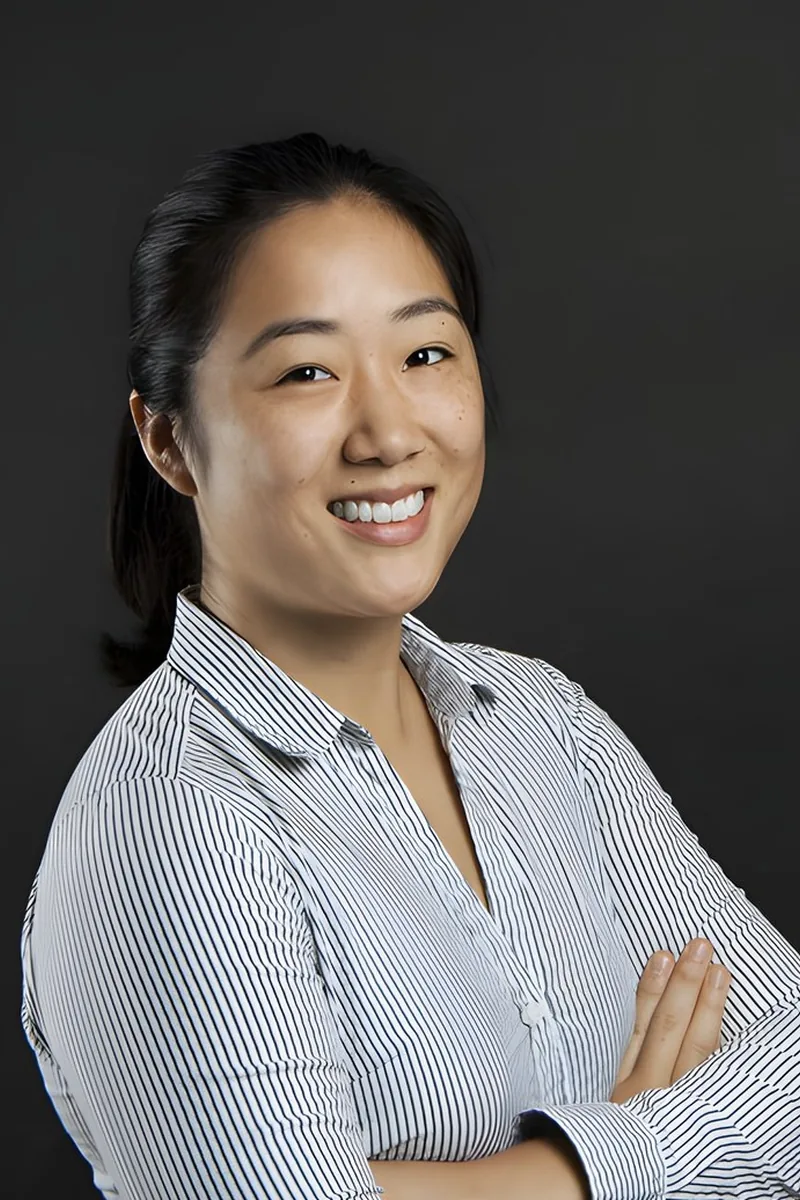
Having studied biology and chemistry alongside her political science degree at the University of Chicago, Asta can walk students through core science concepts — from cell structure to chemical reactions — with genuine content knowledge rather than just test-taking tricks. Her 35 ACT confirms she handled the Science section's rapid-fire data interpretation at a near-perfect level, and she brings that same ability to teach students how to read graphs, pull patterns from tables, and connect evidence to conclusions. Rated 5.0 by students.
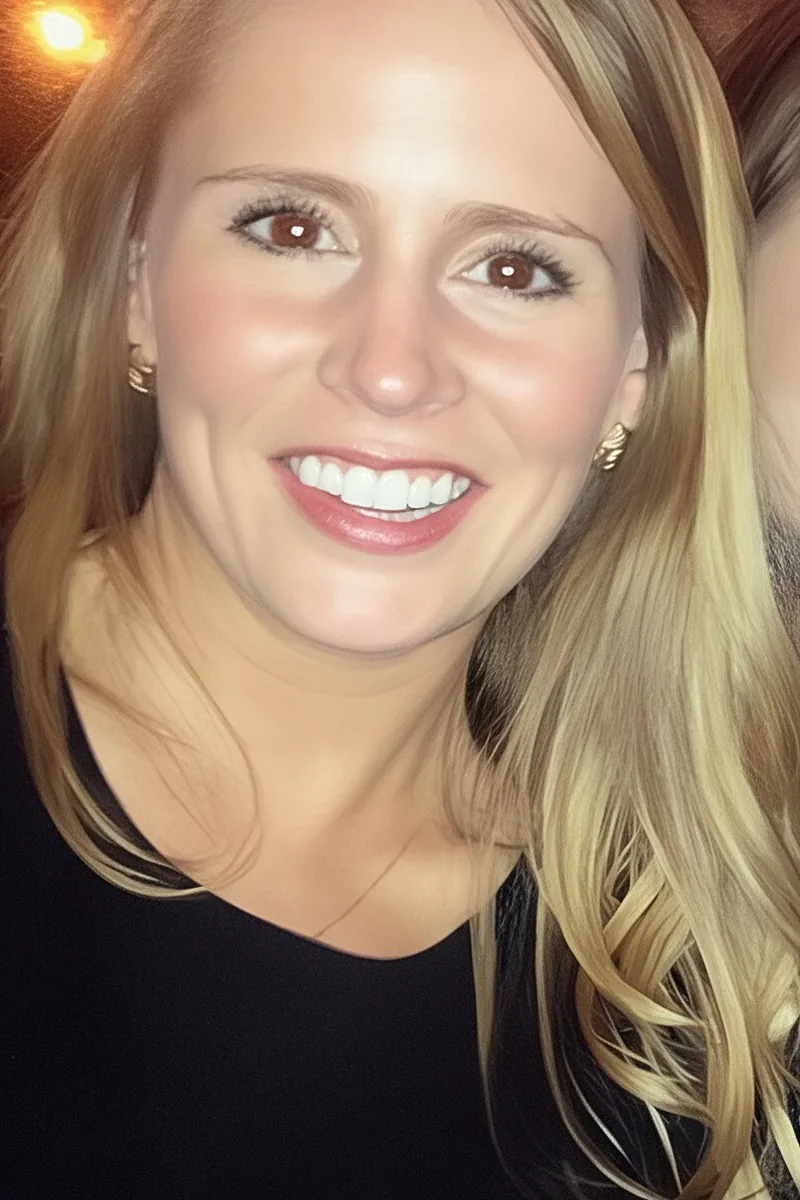
Legal training is essentially argument construction from evidence — and Emily applies that same framework when teaching students to work through hypotheses, evaluate experimental outcomes, and explain what data actually supports versus what it doesn't. Her philosophy degree from Northwestern also built the formal logic skills that underpin scientific reasoning, from identifying control variables to spotting flawed conclusions in a lab report.
Law school at the University of Chicago drills a specific kind of reasoning — isolating what the evidence actually proves versus what you assume it proves — and Elena applies that same discipline when walking students through scientific concepts like experimental design, variable control, and data interpretation. Her government and Spanish double major means she's used to synthesizing dense, unfamiliar material quickly, which is exactly the skill students need when a science unit throws new terminology and complex diagrams at them simultaneously.
A philosophy degree from Princeton means Jeff spent years doing exactly what science coursework asks of students — constructing logical arguments, identifying flaws in reasoning, and evaluating whether evidence actually supports a claim. He teaches the scientific method as a form of structured argumentation: hypothesis as thesis, experiment as proof, conclusion as defense. His 1550 SAT confirms he handles the quantitative and data-interpretation side with equal precision.
As a medical student at Northwestern's Feinberg School of Medicine, Anna lives inside scientific reasoning every day — forming hypotheses, interpreting data, and connecting biological systems to real outcomes. She brings that same structured thinking to general science topics like the scientific method, ecosystems, and basic chemistry, making each concept feel purposeful rather than random.
Viktor's math degree and current computer science work at NYU give him a quantitative backbone that translates well to science subjects — especially the physics, chemistry, and data-interpretation problems where students struggle more with the math than the science itself. He's strongest at untangling unit conversions, graph analysis, and formula application in scientific contexts.
Between his 35 ACT and a University of Chicago economics curriculum heavy on statistical modeling and quantitative analysis, Benjamin has the analytical toolkit to tackle science topics that lean on math — interpreting graphs, calculating rates, and connecting variables in experimental setups. He's especially good at walking students through the logic of why an experiment is designed a certain way, not just what the textbook says the answer is. Rated 4.8 by students.
Alex's English and political science training built the exact skill set that trips most students up in science classes — reading dense nonfiction carefully, pulling key information from complex passages, and constructing written explanations that actually answer the question. He's particularly useful for students who understand the concepts but lose points on lab write-ups, short-answer responses, and any assignment where 'explain your reasoning' appears in the directions.
A psychology degree from Duke means Pinelopi spent semesters designing experiments, controlling for confounding variables, and interpreting statistical results — all core scientific skills that most students struggle to apply on their own. She's especially strong at walking through how to set up a fair test and explain what the data actually supports, since that's exactly what her research methods coursework demanded. Holds a 5.0 rating.
An economics major might seem like an unusual fit for science, but Ellie's quantitative background means she's comfortable with the data interpretation, graphing, and hypothesis-testing skills that run through every science class. She's especially effective at teaching students how to read charts, set up experiments logically, and connect observations back to underlying principles.
Years of teaching second, third, and fourth graders gave Molly a clear picture of where young students get stuck in science — reading a thermometer, designing a fair test, or explaining why a prediction was wrong. Her classroom experience with reading intervention also pays off here, since so much of elementary science depends on comprehending nonfiction text and pulling meaning from diagrams. Rated 5.0 by students.
I am a recent graduate of the University of Chicago with a BA in English and a MA in the Humanities. My specialties are tutoring in test prep, writing, and reading. I am more than happy to spend time on my students outside of our organized sessions to ensure everyone meets their goals. Please do not hesitate to reach out if you have any questions. Looking forward to our tutoring sessions!
Mahalia's Latin training — she tutors all four levels — means scientific vocabulary rarely intimidates her students, since she can trace terms like "photosynthesis" or "mitochondria" back to their Greek and Latin roots on the spot. That language-first approach pairs well with her 35 ACT, which required sharp data interpretation and evidence-based reasoning across the science section. Rated 5.0 by students.
Stage managing a theater production means tracking dozens of moving parts simultaneously — lighting cues, scene changes, actor positions — and synthesizing them into a coherent system, which is remarkably close to what science asks students to do when tracing how multiple variables interact in an experiment or ecosystem. Ariela uses that same organizational instinct to teach students how to sort through competing pieces of information, identify what matters, and communicate their reasoning clearly. Her 1590 SAT confirms she can handle the analytical and evidence-based reading that science coursework demands.
While science isn't Ethan's college major, his background includes AP Biology and a broad foundation in life and physical sciences from the Horace Mann School. He's especially comfortable with younger students tackling topics like ecosystems, the scientific method, basic chemistry of matter, and cell biology. His approach emphasizes understanding how to read diagrams, interpret data, and explain findings in clear language.
Public policy analysis at Northwestern meant Nathaniel spent years doing exactly what science asks students to do — reading studies, questioning methodology, and deciding whether data actually supports a conclusion. His 34 ACT confirms he can handle the quantitative side, but his real strength is teaching students to explain their reasoning clearly, especially when writing up lab results or defending an experimental claim in their own words.
Jack's triple major at Northwestern — spanning theatre, marketing, and Spanish — meant constantly switching between analytical frameworks, which is exactly what science asks students to do when they move from classifying organisms to balancing equations to interpreting a velocity graph. He leans on that cross-disciplinary flexibility to teach students how to pull patterns from unfamiliar material and explain their reasoning clearly, rather than defaulting to rote memorization.
Zac's Human and Organizational Development major at Vanderbilt involves more empirical research than people expect — collecting survey data, running statistical analyses, and designing studies that isolate which interventions actually work in real communities. That training gives him a practical grip on the scientific method, from controlling variables to interpreting results, which he brings to science sessions where students need to move past memorization and actually explain how evidence supports a conclusion. His 4.9 rating suggests the approach lands.
Brian earned his biology degree and is now completing medical school, so he's spent years immersed in chemistry, physics, anatomy, and molecular biology. He explains scientific concepts — from cell structure to chemical reactions to forces — by grounding them in real examples rather than abstract definitions. That depth makes him especially effective for students who need to build both vocabulary and intuition in the sciences.
Gabriel's PhD in Comparative Human Development at the University of Chicago involves rigorous statistical and analytical methods, which translates directly into how he approaches science tutoring — interpreting data, understanding experimental design, and connecting results back to underlying concepts. He's especially effective at teaching students to read graphs and tables carefully and articulate what the evidence actually shows.
Teaching middle school math in Chicago Public Schools means Elizabeth spends every day translating abstract concepts into concrete understanding — and that same instinct carries over when she tutors science, especially the measurement, graphing, and data-heavy portions where students' math anxiety quietly sabotages their progress. Her physics teaching background adds real depth on the physical science side, where she can walk through force diagrams or energy calculations without skipping the reasoning behind each step. Rated 5.0 by students.
Karishma's background in psychology — including coursework in research methods, data interpretation, and behavioral science — gives her a concrete entry point into science tutoring that goes beyond memorizing vocabulary lists. She teaches students to think through the scientific method the way a psych researcher would: identify variables, predict outcomes, and explain what the data actually shows. Rated 5.0 by students.
Charlie's University of Chicago education demanded rigorous analytical thinking across disciplines, and his 35 ACT — which includes a dedicated Science section built around data interpretation and experimental reasoning — confirms he can parse graphs, evaluate competing hypotheses, and draw conclusions from unfamiliar passages under pressure. He teaches students to treat science questions as logic puzzles: strip out the jargon, identify what the data actually says, and eliminate answers that go beyond the evidence.
An architecture degree demands fluency in physics, materials science, and environmental systems — Grace spent years calculating structural loads, analyzing thermal properties, and applying scientific principles to real design problems. That hands-on technical background means she can teach concepts like force, energy, and properties of matter through concrete examples students can visualize, not just definitions to memorize. Holds a 5.0 rating.
Studying the biological basis of behavior in college meant Ruthie lived at the intersection of biology, chemistry, and research methods — exactly the mix that general science courses demand. She's comfortable walking through everything from cell structure and genetics to experimental design and data interpretation. That cross-disciplinary training makes her especially useful when students need to connect ideas across units rather than treat each chapter as its own silo.
Jacob's 35 ACT — including the Science section, which is really a test of data interpretation and passage-based reasoning — means he knows how to extract answers from graphs, tables, and experimental descriptions under time pressure. His literature background actually reinforces this: close reading is close reading, whether the passage describes a character's motivation or a controlled experiment's results. He teaches students to slow down, identify what the question is actually asking, and find the evidence before jumping to an answer.
Brett's ACT Science section required exactly the kind of rapid graph reading and data extraction that general science courses test constantly — pulling trends from tables, identifying control variables, and evaluating whether conclusions actually match the evidence. His 34 composite and communication degree make him especially effective at teaching students not just to interpret scientific data but to explain their reasoning clearly in lab write-ups and short-answer responses.
Zo currently works as an Americorps VISTA for an environmental science education nonprofit, so she's constantly translating scientific concepts — ecosystems, energy transfer, experimental design — into language that sticks. That day-job practice carries directly into her tutoring, where she connects textbook topics to tangible examples students can observe in the world around them.
A statistics major at the University of Chicago, Dylan brings real fluency with data — reading graphs, calculating rates of change, identifying outliers — to the parts of science where students most often stumble. He teaches the quantitative backbone of science (measurement, unit analysis, experimental design) as a natural extension of statistical thinking, so students learn to trust the numbers instead of fearing them.
Having earned a PhD in physics and taught science at both the high school and college level, Jonathan understands the subject from the molecular scale to the cosmic. He unpacks scientific reasoning — forming hypotheses, interpreting data, connecting theory to experiment — in ways that make the process intuitive rather than formulaic.
Camilla approaches science the way she approaches legal analysis: by teaching students to read carefully, identify key variables, and build conclusions from evidence. Her summa cum laude undergraduate work at Washington University in St. Louis gave her a strong academic foundation, and she's particularly effective at breaking down scientific vocabulary and helping students interpret graphs and data tables.
A biological sciences degree with a neuroscience specialization gives Jhonatan deep fluency across biology, chemistry, and the physical principles that connect them. He teaches students to think like scientists — forming hypotheses, interpreting data, and linking molecular-level details to big-picture processes like cellular respiration or neural signaling. His 5.0 rating speaks to how well that approach clicks.
Electrophysiology research at NYU's Center for Neural Science gives Gabriel a working scientist's perspective on biology, experimental design, and data analysis. He's especially strong on the life sciences side — cell biology, genetics, and the statistical reasoning that underpins lab work — and he teaches concepts by connecting them to the real experiments where they matter.
Richard is finishing a PhD in microbiology and public health at Northwestern, where he's lectured undergraduates in cell biology and authored peer-reviewed research. That bench-to-classroom experience means he can explain everything from mitosis and Mendelian genetics to ecological food webs using real experimental examples rather than abstract diagrams. Students get a tutor who does science daily, not just teaches it.
Nicki's public health research at George Washington University required deep fluency in biology, data interpretation, and the scientific method — skills she now brings to tutoring concepts like cell biology, ecology, and experimental design. She connects scientific principles to real-world health outcomes, which makes abstract topics like homeostasis or population dynamics click faster. Rated 5.0 by students.
A neuroscience concentration means Ilana spent her undergraduate years at Northwestern doing real science — learning experimental design, interpreting brain imaging data, and connecting biological mechanisms to cognitive outcomes. That training makes her especially effective at teaching students how to move from observation to hypothesis to conclusion, since she's done it herself in lab settings. Her 35 ACT and 5.0 rating confirm the analytical precision carries over to tutoring.
Evaluating hundreds of fellowship candidates' academic work at a nonprofit gave Will practice doing exactly what science asks students to do — weigh evidence, spot weak reasoning, and determine whether conclusions actually follow from the data. His law training at Northwestern only sharpened that instinct for pulling apart arguments, which he now applies to teaching students how to interpret experiments and think critically about results.
Biomedical engineering sits at the intersection of biology, chemistry, and physics, so Sparsh doesn't teach science topics in isolation — he connects them. Whether a student is struggling with cell biology, Newton's laws, or chemical equilibrium, he ties abstract concepts to tangible examples drawn from four years of STEM teaching experience.
A genetics and genomics concentration at Northwestern gave Amber the kind of deep scientific literacy that makes explaining the scientific method, cell biology, or ecosystem dynamics intuitive rather than scripted. She's trained to teach high school biology in Chicago and brings that same clarity to chemistry and physics concepts when students need cross-subject support. Her 32 ACT composite speaks to the breadth of her own science preparation.
Art and architecture history at Harvard isn't just slide memorization — Isabel's coursework required analyzing how materials behave under stress, how light interacts with surfaces, and how structural engineering principles evolved across centuries, all of which demand scientific reasoning. She brings that visual, design-oriented thinking to science topics like forces, energy, and properties of matter, making abstract concepts concrete by tying them to the built world students see every day.
Testimonials
Because the right Science tutor makes all the difference.
Average Session Rating – Based on 3.4M Learner Ratings
Practice Science
Free practice tests, flashcards, and AI tutoring for Science
Nearby Science Tutors
Other Chicago Tutors
Related Science Tutors in Chicago
Frequently Asked Questions
Many students in Chicago schools struggle with connecting abstract science concepts to real-world applications, especially in chemistry and physics where visualization is critical. With an average student-teacher ratio of 17.7:1 across Chicago's 12 school districts, students often don't get individualized feedback on misconceptions—like confusing velocity with acceleration or misunderstanding chemical bonding. Personalized tutoring helps identify these gaps early and builds conceptual understanding rather than just memorization.
Tutors working with Varsity Tutors understand Illinois State Standards and how they're implemented across Chicago's diverse school districts. Whether your student is working through life science, earth science, or physical science, tutors tailor instruction to match grade-level expectations and your school's specific curriculum pacing. This alignment ensures tutoring reinforces classroom learning rather than creating disconnects.
Yes. Personalized tutoring covers both the conceptual understanding and the practical skills needed for lab work—like proper technique, data collection, graphing results, and writing lab reports. Tutors can work through past experiments, help you understand why certain procedures matter, and prepare you for upcoming lab assessments. This hands-on preparation builds confidence and stronger grades on practical components of science courses.
Personalized instruction targets your specific weak areas—whether that's understanding photosynthesis, balancing equations, or interpreting graphs—rather than generic test prep. Tutors use practice problems, retrieval practice, and spaced repetition to strengthen retention and test-taking strategies. This focused approach typically leads to measurable score improvements on unit exams, semester finals, and standardized assessments like ISBE science tests.
Tutoring is available for all grade levels and science courses across Chicago schools—from elementary science and middle school life/earth science through high school biology, chemistry, physics, and AP science courses. Whether your student needs foundational support in 6th grade or advanced preparation for AP Chemistry, Varsity Tutors connects you with tutors who specialize in your specific course and grade level.
The first session focuses on understanding where your student stands—what concepts they've mastered, where misconceptions exist, and what their specific goals are. Tutors assess learning style, review recent classwork or exams, and build a personalized plan tailored to your student's needs and timeline. This foundation ensures every future session is targeted and productive.
In a classroom with 20+ students, teachers can't pause to address individual misconceptions or adjust pacing for each learner. Personalized tutoring provides 1-on-1 instruction where every explanation, example, and practice problem is calibrated to your student's level and learning style. Research shows this individualized approach leads to significantly deeper understanding and faster skill development than classroom instruction alone.
Varsity Tutors matches you with expert tutors who fit your student's needs, schedule, and goals. Simply share details about your student's grade level, science course, and what you'd like to focus on. You'll be connected with qualified tutors, and you can start personalized instruction right away with flexible scheduling that works for your family.
Let’s find your perfect tutor
Answer a few quick questions. We’ll recommend the right plan and match you with a top 5% tutor.