Award-Winning AP Computer Science Tutors
serving Port St. Lucie, FL
Award-Winning
AP Computer Science
Tutors in Port St. Lucie
Private 1-on-1 tutoring, weekly live classes for academic support, test prep & enrichment, practice tests and diagnostics, and more to elevate grades and test scores.
Based on 3.4M Learner Ratings
UniversitiesSchools & Universities
DeliveredHours Delivered
ProficiencyGrowth in Proficiency
Who needs tutoring?
No obligation. Takes ~1 minute.
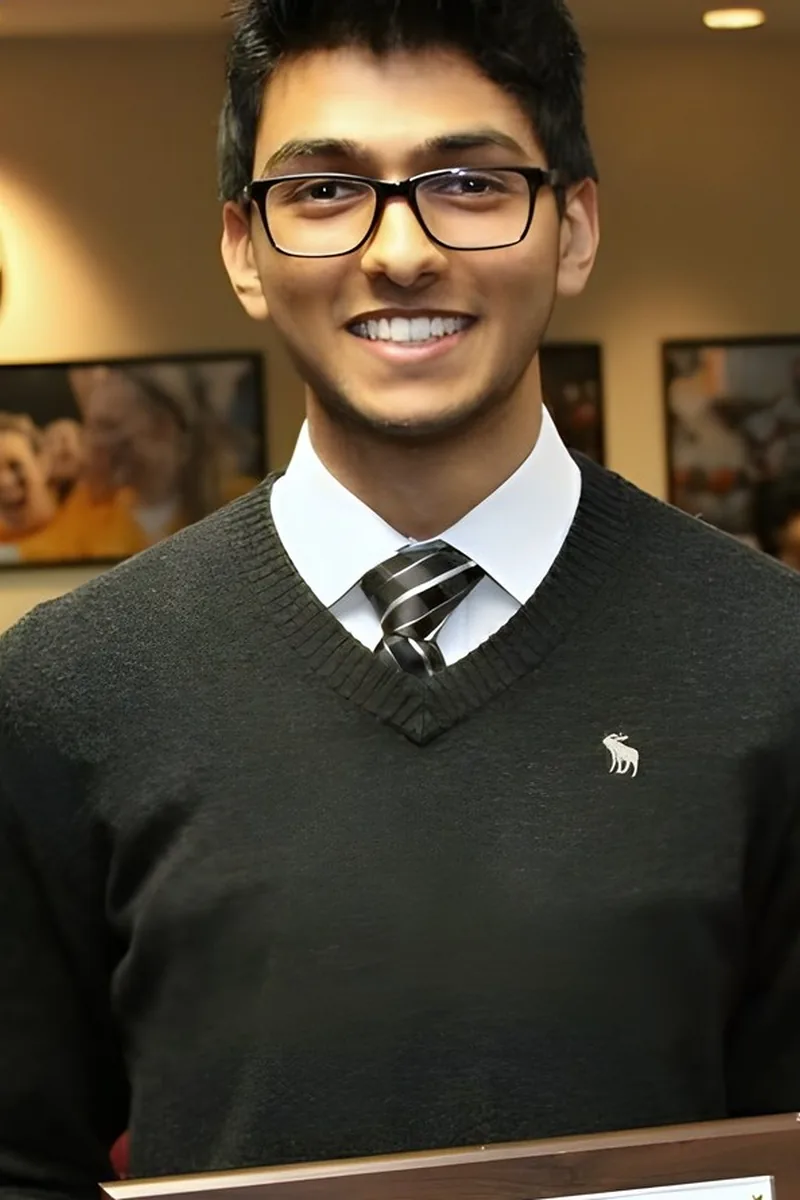
Computational problem-solving sits at the core of Srini's biophysics work at Brown, where modeling biological systems requires writing and debugging code regularly. He teaches AP Computer Science by grounding abstract ideas — algorithms, data representation, the internet's layered protocols — in concrete examples that make the material click on exam day.
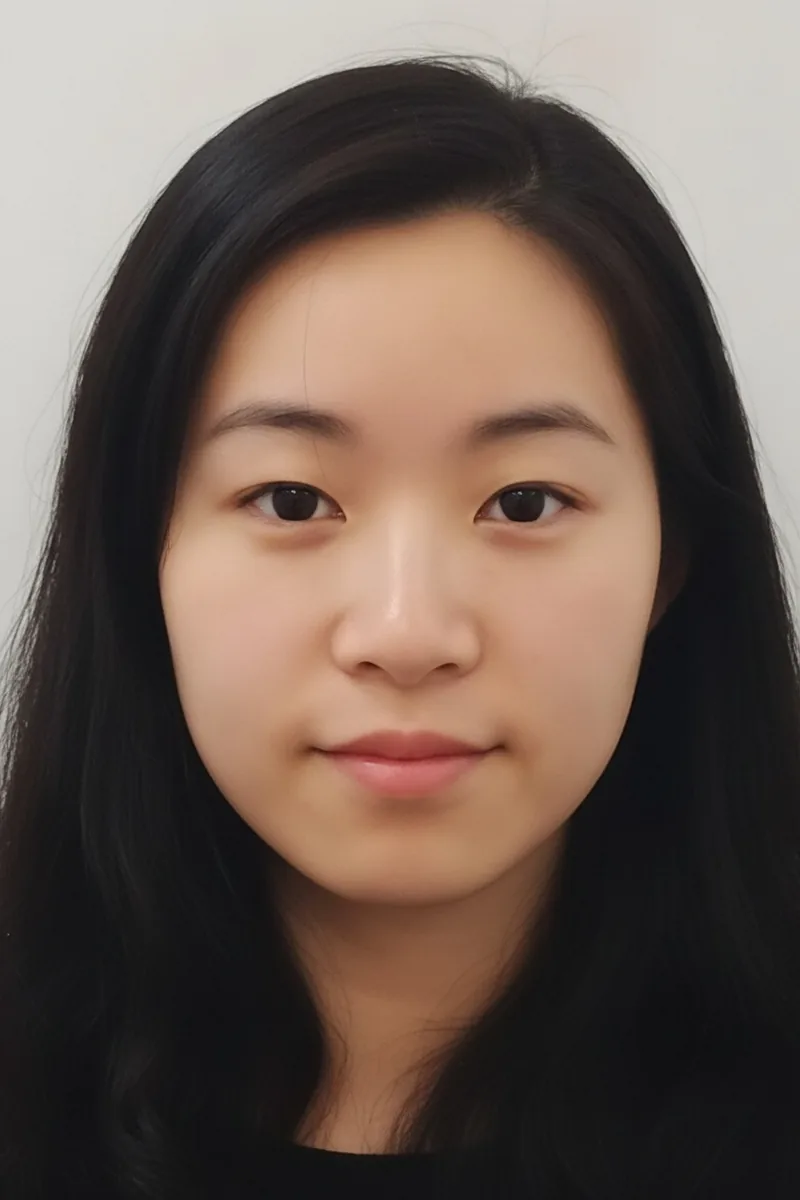
Hackathons and robotics competitions taught June to debug under pressure and think through code systematically — exactly the skills AP Computer Science A tests on free-response questions. Her electrical engineering studies at Brown mean she understands computing from the hardware up, giving her a concrete way to explain why Java handles variables, memory, and control flow the way it does.
Christina's CS degree means she's written enough Java to know exactly where AP Computer Science A gets tricky — the leap from writing simple methods to designing full classes with inheritance, or the moment recursion stops feeling like magic and starts making sense. She teaches students to trace through code systematically, building the kind of debugging instinct that pays off on both multiple-choice and free-response sections.
Currently studying computer science at MIT, Brice writes Java and Python regularly enough that AP Computer Science A topics like inheritance, polymorphism, and recursive methods feel like second nature rather than exam abstractions. He teaches the *why* behind each design pattern — why you'd use an ArrayList over an array, why a method should return a value instead of printing it — so students build real programming intuition. Rated 4.9 by students.
Scoring a 5 on the AP Computer Science exam while simultaneously deep in calculus, biology, and chemistry APs gave William a clear picture of how CS thinking differs from other STEM disciplines — it's less about formulas and more about structuring logic step by step. His dual engineering track at Vanderbilt (biomedical and chemical) means he regularly writes code to process lab data and model systems, keeping Java concepts like iteration, array handling, and method design sharp through actual use rather than exam review alone.
Studying Computer Science at Cornell gives Jonathan daily exposure to the data structures, object-oriented design, and algorithmic thinking that drive the AP Computer Science exam. He breaks down topics like recursion and sorting algorithms by connecting them to real engineering problems from his coursework, making abstract concepts click faster.
Between physics problem sets and computer science coursework at Cornell, Joel writes Java and Python to solve real computational problems — not just classroom exercises. That dual perspective is especially useful for AP Computer Science A topics like algorithm design and object-oriented programming, where understanding the logic behind the code matters as much as getting it to compile. His 35 ACT reflects the kind of precise, systematic thinking that translates directly to tracing through free-response questions.
Having studied computer science at UMass Amherst through both a bachelor's and now a master's program, Milo has spent years writing Java and building software well beyond what the AP exam covers — which means he can contextualize topics like array traversal, class hierarchies, and method overloading within the bigger picture of how real programs work. Three years tutoring in UMass's tutoring center taught him exactly where students get stuck, especially on tricky free-response questions that require tracing through nested logic step by step. Rated 5.0 by students.
Robotics engineering at Penn means Mohamed writes code daily to solve real problems — sensor integration, control systems, data processing. He brings that applied perspective to AP Computer Science, teaching algorithmic thinking and program design principles through problems that show students why the concepts matter beyond the exam.
Kevin earned his master's in computer science from NYU, so the Java fundamentals tested in AP Computer Science A — class design, control flow, recursion — are concepts he's built on for years rather than topics he's revisiting. He's the kind of tutor who'd rather over-explain a tricky loop trace than leave any ambiguity, which pays off when students hit the free-response section and need to write clean, correct code under pressure. Rated 4.8 by students.
I am interested in Physics and Mathematics and working out practical problems from plumbing to electronics. I will someday go back for my Ph.D. in Physics but until then I am looking to grow as an engineer or computer programmer.
Engineering coursework trains you to think in systems — breaking complex problems into modular, testable pieces — which is exactly the reasoning AP Computer Science A demands when students write classes, trace through nested loops, or debug recursive methods. Wesley's biomedical engineering degree and research in biophysical chemistry mean he's been coding to solve real scientific problems, not just completing textbook exercises. That applied perspective makes abstract Java concepts feel purposeful rather than arbitrary.
Testimonials
Because the right AP Computer Science tutor makes all the difference.
Average Session Rating – Based on 3.4M Learner Ratings
Nearby AP Computer Science Tutors
Other Port St. Lucie Tutors
Related Technology and Coding Tutors in Port St. Lucie
Frequently Asked Questions
AP Computer Science covers two main areas: AP Computer Science Principles (CSP) and AP Computer Science A (CSA). CSP focuses on broad computational thinking, data representation, algorithms, programming, and the internet, while CSA dives deeper into object-oriented programming using Java. Both courses emphasize problem-solving, coding skills, and understanding how technology impacts society. The exam format differs between the two—CSP includes a performance task and multiple-choice questions, while CSA is entirely multiple-choice with a focus on code reading and writing.
Many students struggle with translating logic into code, especially when learning object-oriented programming concepts like inheritance and polymorphism. Others find it difficult to read and trace through existing code, which is a major component of the AP CSA exam. Time management during the exam is another challenge—students often spend too long debugging or overthinking problems. Additionally, students who haven't coded before may feel overwhelmed by syntax and debugging errors, which can hurt confidence early on.
Score improvement depends on your starting point and how consistently you engage with tutoring. Students who work with tutors typically see gains by solidifying foundational coding concepts, practicing problem-solving strategies, and building familiarity with exam question formats. Many students improve by multiple score points (on the 1-5 scale) when they focus on their weakest areas—whether that's debugging, algorithm design, or understanding code logic. Consistent practice combined with personalized feedback is key to meaningful improvement.
Practice tests are essential for AP Computer Science success. They help you identify which topics need more work, get comfortable with the exam format and timing, and build test-taking stamina. For CSA, practice tests reveal whether you're strong at code-reading versus code-writing questions. For CSP, they help you prepare for the performance task component. Taking full-length practice tests under timed conditions several weeks before the exam gives you realistic feedback and time to address gaps before test day.
Varsity Tutors connects you with expert tutors who specialize in AP Computer Science and understand the specific demands of the exam. Tutors work with you to diagnose weak areas—whether that's struggling with loops and arrays, object-oriented concepts, or exam pacing—and create a personalized study plan. Sessions typically include reviewing course material, working through practice problems together, and getting feedback on your code and problem-solving approach. Your tutor can also help you understand why you're making mistakes and develop strategies to avoid them on test day.
Your first session is about understanding where you are and where you need to go. Your tutor will likely assess your current coding skills, ask about topics that feel confusing, and learn about your goals—whether you're aiming for a 3, 4, or 5. You might work through a few practice problems together to identify patterns in your thinking and spot areas to focus on. By the end, you'll have a clear picture of your strengths, challenges, and a roadmap for how tutoring can help you succeed on the AP exam.
Ideally, start tutoring early in the school year so you can build a strong foundation in coding concepts and problem-solving strategies. If you're struggling with specific topics, getting help sooner prevents gaps from widening. For students preparing for the May exam, starting tutoring by February or March gives you time to review material, take practice tests, and refine your approach. However, even a few weeks of focused tutoring closer to test day can help with exam strategies and confidence building.
Test anxiety often stems from uncertainty about whether you can solve problems under pressure. Tutoring builds confidence by helping you master the material and practice under timed conditions repeatedly. Your tutor can teach you strategies for approaching unfamiliar code or problems, help you develop a pacing plan so you don't feel rushed, and work through your thought process to show you that you can solve problems methodically. The more prepared and practiced you feel, the calmer you'll be on exam day.
Let’s find your perfect tutor
Answer a few quick questions. We’ll recommend the right plan and match you with a top 5% tutor.