Award-Winning College Essays Tutors
serving Cape Coral, FL
College Essays
Tutors in Cape Coral
Private 1-on-1 tutoring, weekly live classes for academic support, test prep & enrichment, practice tests and diagnostics, and more to elevate grades and test scores.
Based on 3.4M Learner Ratings
UniversitiesSchools & Universities
DeliveredHours Delivered
ProficiencyGrowth in Proficiency
Who needs tutoring?
No obligation. Takes ~1 minute.

As a certified writing tutor through Penn's Critical Writing Department — accepted into the program as a freshman, a first for that cohort — Jessica spent years giving detailed feedback on student writing at the university level. She now applies that same editorial eye to college application essays, digging into the brainstorming phase to find the specific story or angle that distinguishes one applicant from thousands. She's also assisted students with graduate program essays, so she understands how admissions readers think across different levels.
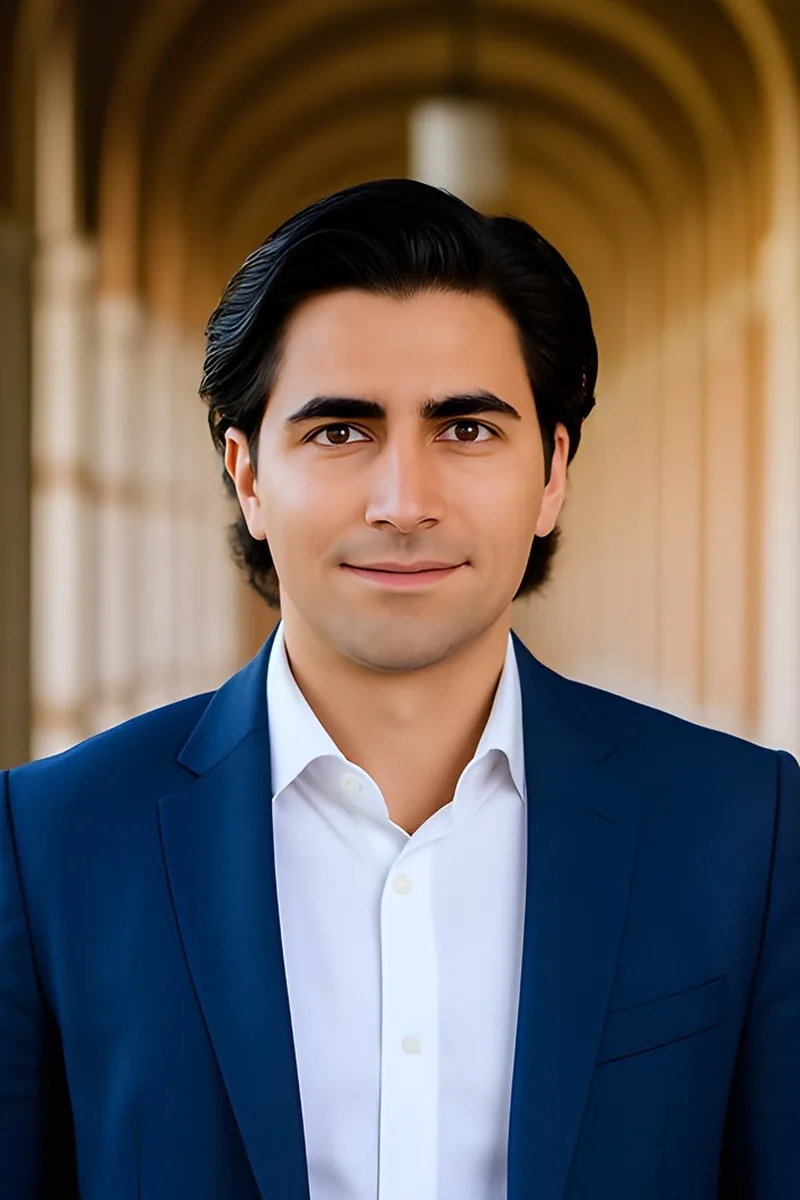
Perry wrote his way into the University of Miami Miller School of Medicine, so he understands what admissions readers look for: a specific, authentic voice and a narrative arc that reveals character rather than just listing accomplishments. He digs into brainstorming and structural revision, pushing drafts from generic to genuinely personal.
Kaylah's path — behavioral neuroscience at the University of Florida, then a computational master's at the University of Chicago — gave her plenty of practice articulating an unconventional academic story in a compelling way. She zeroes in on what admissions readers actually remember: a specific narrative thread, an authentic voice, and evidence of intellectual curiosity rather than a résumé in paragraph form. Students leave her sessions with essays that sound like themselves, not like a template.
College admissions officers read thousands of essays that say the same thing in the same way, so the real challenge is voice — sounding unmistakably like yourself while answering the prompt with precision. Michelle, a Duke undergraduate who navigated this process successfully, digs into brainstorming and revision to help each student find the one story only they can tell. She's rated 5.0 by the students she's worked with.
Admissions officers read thousands of essays that say the same things the same way, so the challenge isn't being impressive — it's being specific and genuine. Tiffany approaches college essays the way she approached legal writing: every sentence needs a purpose, and the structure should reveal how a student thinks. She's particularly sharp at identifying when a draft buries its best material and reorganizing around it.
Getting into Harvard required Derek to write essays that stood out among tens of thousands of applicants — and he knows firsthand that the strongest personal statements aren't about impressive accomplishments but about specific, honest moments of thinking. He walks students through brainstorming, drafting, and revising so their voice comes through clearly on every line.
A strong college essay doesn't summarize a résumé — it reveals how a student thinks. Hari walks applicants through brainstorming, drafting, and revising with an eye toward narrative structure and authentic voice, drawing on his own experience navigating multiple undergraduate and graduate admissions cycles. He's particularly sharp at helping business and finance applicants articulate what drives them beyond career goals.
An engineering student who genuinely loves writing — Andrea's own favorite book recommendation in her profile is proof she cares about voice and storytelling. She tackles college essays by pulling out the specific detail or experience that makes an applicant memorable, then structures the draft so admissions readers hit that hook in the first line.
Getting into a school like Johns Hopkins taught Joshitha firsthand what admissions officers respond to — not a résumé in paragraph form, but a genuine voice and a specific story. She walks students through brainstorming, structural choices, and revision with an eye toward making each essay sound unmistakably like the person writing it.
Every admissions reader is skimming hundreds of essays that say the same things in the same ways — Santiago's job is making sure a student's doesn't. As a Duke psychology major and English minor who has tutored since middle school, he digs into a student's actual experiences and voice to shape personal statements that feel genuine and structurally tight, from brainstorm through final draft.
A college essay isn't a résumé in paragraph form — admissions officers read thousands of achievement lists and want voice, specificity, and a real person on the page. Olivia has walked many students through every stage of the process, from brainstorming the one small story that reveals something a transcript can't, to cutting the filler that buries a strong draft. She's especially sharp at helping students who know they have something to say but can't figure out how to structure it into 650 words.
As a current University of Pennsylvania student, Gabriel knows firsthand what admissions officers are reading hundreds of — and what makes an essay actually stand out from the pile. He digs into brainstorming with students to find the specific, unglamorous details that reveal character, then shapes those into a narrative arc with a clear voice. His editing eye catches the tonal shifts and clichés that weaken even strong drafts.
A strong college essay doesn't summarize a résumé — it reveals how a student thinks. As a Duke undergrad who went through the admissions process at a competitive public high school in Miami, Caitlin knows how to pull a distinctive narrative out of everyday experiences and shape it into something admissions officers remember. She digs into voice, specificity, and structure across every draft.
A strong college essay doesn't summarize a résumé — it reveals how a student actually thinks. Anabel went through the admissions process at Vanderbilt recently enough to know what resonates with readers, and she digs into brainstorming, voice, and narrative structure to turn a generic draft into something that sounds unmistakably like the person writing it.
Getting into Princeton's engineering program meant Nicolas had to write essays that made a technical mind sound human — balancing specificity about his interests in sustainable energy with genuine personal narrative. He knows how admissions officers read thousands of drafts and what makes one stick, from the opening hook to the "why this school" paragraph. Rated 5.0 by students.
A compelling college essay doesn't summarize a résumé — it reveals how a student thinks. James spent years teaching in one of Queens' most diverse middle schools before pivoting to a doctorate in physical therapy, giving him firsthand experience with the kind of genuine narrative arc admissions officers remember. He walks students through brainstorming, drafting, and revising until the essay sounds unmistakably like them.
I am graduated from Penn State University in Industrial Engineering in 2017. I've tutored ever since I was in high school, and I love helping people! I like to help my students understand math (and other topics) instead of just doing it blindly. My goal is to help my students improve their math (and other topics) and build skills that will help them find learning easier in the future! Fun fact, I used to work for Disney and I like to salsa dance!
Writing successful college essays requires turning lived experience into a compelling narrative with a clear through-line — something Miriam understands from years of writing NASA grant proposals that have to grab a reviewer in the first paragraph. She teaches students to identify their strongest story angle, structure it with purpose, and revise until every sentence earns its place.
A compelling college essay doesn't summarize a résumé — it zooms in on a single moment or tension that reveals how a student thinks. Manuela's own application journey, balancing a pre-med track with a Romance Languages major, taught her how to craft a narrative that makes an unusual combination of interests feel coherent. She walks students through brainstorming, drafting, and refining until the voice on the page sounds unmistakably theirs.
A compelling college essay doesn't summarize a résumé — it reveals how a student thinks. Libby's training in anthropology sharpened her ability to craft narratives around identity, experience, and perspective, which is exactly what admissions readers look for. She edits for both voice and structure, pushing drafts past generic storytelling toward something genuinely personal.
A college essay that tries to sound impressive usually falls flat — admissions officers at schools like Harvard, where Destiny studies, want a specific story told in a genuine voice. She walks students through brainstorming exercises that uncover their strongest material, then shapes rough drafts into essays with a clear narrative arc and an authentic point of view.
Strong college essays need a clear personal narrative, not a résumé in paragraph form. Dalila's background as an avid reader and writer sharpens her instinct for what admissions readers remember — she teaches students to find the one specific story that reveals character, then structure it so every sentence earns its place.
A strong college essay isn't about listing accomplishments — it's about finding one specific moment or idea and making it vivid enough that an admissions reader remembers it. Paulkey's editing process starts with brainstorming to surface those genuine details, then moves into structuring the narrative so every sentence earns its place. His background teaching both English and structured analytical writing gives him a practical eye for voice, clarity, and flow.
College admissions officers read thousands of essays that say the same things in the same ways — Amanda's job is to make sure a student's essay isn't one of them. She digs into brainstorming first, pulling out the specific stories and details that reveal character, before touching a single draft. Her Brandeis and UCL training in psychology also means she understands what makes a personal narrative genuinely compelling rather than just chronological.
Licensed math teachers don't usually end up coaching college essays — but Jacob's daily practice breaking down abstract concepts for middle schoolers gave him an instinct for clear, specific language that cuts through the vague generalities most applicants default to. He's particularly effective with students who want to write about their love of math or science, since he can help them find the human story inside a problem set or competition experience. Rated 5.0 by students.
Shellee earned her way into Princeton as an undergrad and Indiana University's MBA program, so she's been through high-stakes admissions writing from both the STEM and business sides. She knows how to help a student find the one specific story that distinguishes their application, then sharpen it through multiple drafts until every sentence earns its place. Her approach treats the essay like an engineering problem: define the goal, eliminate what doesn't serve it, and refine until it works.
Having recently navigated the college application process herself — and landed in a competitive engineering program — Wanqi knows what admissions readers look for in a personal statement. She breaks the essay down into three moves: finding a specific moment worth writing about, connecting it to genuine intellectual curiosity, and cutting every sentence that doesn't earn its place. Her 1520 SAT score and STEM background also mean she can speak credibly to applicants targeting technical programs.
Writing a compelling college essay is a structuring problem — figuring out which details to include, how to sequence them, and what a single narrative thread should hold together. Benjamin went through this process himself when applying to graduate programs in the U.K., and he brings a mathematician's eye for clarity and economy of language to drafting personal statements that say something specific rather than something generic.
Moving from Egypt to the United States as a kid and navigating school in a new language gave Mariam firsthand experience with the kind of identity-straddling narrative that admissions officers remember — and she knows how to help applicants find that same specificity in their own stories. Her neuroscience studies at Vanderbilt sharpen her instinct for structure, so she's especially effective at taking a messy brainstorm and carving it down to the one concrete moment that carries the whole essay.
Getting a college essay right means finding a specific story only you can tell, then structuring it so an admissions reader remembers it. Andrew's Writing minor trained him to revise for voice, clarity, and narrative arc — skills he applies directly when editing personal statements and supplemental essays. He digs into early drafts to identify the strongest thread and builds the piece around that.
The best college essays don't just list accomplishments — they reveal how a student thinks. Ankit went through the admissions process at Duke and understands how to pull a compelling narrative thread from a student's experiences, whether that means structuring a personal statement around a single pivotal moment or weaving together academic and extracurricular passions into a cohesive voice.
Engineering students rarely get credit for writing, but Apoorva's path from UIC bioengineering to a Berkeley graduate program required crafting compelling personal narratives for competitive applications. She knows how to pull a specific story out of a student's experience and shape it into an essay that admissions officers actually remember — especially for STEM applicants who struggle to show personality beyond their transcripts.
Having navigated graduate admissions in computer science, Brandon understands what makes a personal statement land: a specific narrative thread that reveals how you think, not a résumé repackaged as prose. He pushes students to identify one compelling idea and structure every paragraph around it.
Most college essay drafts start generic because students haven't yet figured out which specific moment or detail actually reveals something about them. Adriana's approach is to dig into a student's experiences through targeted conversation before any writing happens, then shape that raw material into a narrative with a clear arc. Her own admissions journey — Rice for undergrad, Emory for graduate school — gives her firsthand insight into what selective readers respond to.
A strong college essay doesn't summarize a résumé — it reveals how a student thinks. Emerson went through the admissions process at the University of Chicago, known for its unconventional essay prompts, and now walks applicants through brainstorming, drafting, and refining personal statements that sound genuinely like them. He's particularly sharp at identifying when a draft is playing it safe and pushing writers toward the specific, surprising details that admissions readers remember.
College admissions essays live or die on authentic voice, and Conor's background in cultural anthropology makes him especially good at drawing out the personal narratives that admissions committees remember. He walked his own students through the UC and Common App systems and knows how to shape a rough idea into a polished, compelling statement of purpose.
Writing a college essay is a different kind of problem-solving — it demands structure, clarity, and a genuine voice all at once. Daniel brings an analytical mindset from his computer science PhD work to help students organize their ideas into a compelling narrative, then refine the language until every sentence earns its place.
A strong college essay does one thing well: it reveals how a student thinks, not just what they've accomplished. Danielle holds a BA in English Literature from Washington University in St. Louis and has extensive writing and editing experience, so she can pinpoint where a draft feels generic and push the narrative toward something authentic and structurally sharp.
A strong college essay isn't about listing accomplishments — it's about revealing how a student thinks. Matthew's psychology background from Johns Hopkins sharpens his ability to draw out a compelling personal narrative, and his experience with academic writing at the graduate level keeps the structure and voice polished enough to stand out in an admissions stack.
Getting into Georgia Tech's aerospace engineering program meant Vansh had to write essays that turned a STEM-heavy profile into a compelling personal narrative — and he knows how to teach that same skill. He breaks down the brainstorming process by identifying the specific moments and details that admissions officers remember, then structures drafts around a single authentic thread rather than a résumé in paragraph form.
Testimonials
Because the right College Essays tutor makes all the difference.
Average Session Rating – Based on 3.4M Learner Ratings
Nearby College Essays Tutors
Other Cape Coral Tutors
Related English Tutors in Cape Coral
Frequently Asked Questions
College essay tutoring focuses on helping students craft compelling narratives that showcase their unique voice and perspective to admissions committees. Tutors work with students on essay structure, thesis development, brainstorming personal stories, refining arguments, and polishing prose—covering everything from the main personal statement to supplemental essays for specific schools.
Your first session typically involves discussing your college goals, brainstorming essay topics, and understanding what admissions committees are looking for. From there, tutors provide personalized feedback on drafts, help you strengthen your thesis and supporting details, and guide you through multiple revision rounds to ensure your essay authentically represents who you are.
Writer's block is one of the most common challenges students face with college essays. Tutors use brainstorming techniques to help you identify meaningful experiences, uncover compelling stories you might not have considered, and develop a narrative angle that feels authentic. They ask strategic questions that help you discover what makes your story worth telling.
Grammar ensures your writing is technically correct, while voice is about how your personality and perspective come through on the page. College admissions essays prioritize authentic voice—tutors help you move beyond formulaic writing to develop a distinctive style that lets your personality shine while maintaining strong technical fundamentals.
Most students benefit from 3-5 rounds of revision, though this varies based on where you're starting. Early drafts often focus on structure and core ideas, while later revisions refine language, eliminate redundancy, and ensure every sentence serves a purpose. Tutors create a personalized revision roadmap so you're not revising endlessly.
Yes—supplemental essays are an important part of your application, and tutors help you tackle them strategically. Whether you're answering "Why do you want to attend our school?" or responding to creative prompts, tutors help you craft focused, compelling responses that complement your main essay and show genuine interest in each college.
Bring any essay prompts you're working with, a rough draft if you have one, or just notes about potential topics. It's also helpful to have a list of schools you're applying to and any specific requirements they mention. If you're starting from scratch, that's perfectly fine—tutors are experienced at helping students develop ideas from the ground up.
Ideally, students start in the summer before senior year or early fall to give themselves time for thoughtful brainstorming and multiple revisions. However, tutors can help at any stage—whether you're planning ahead or working on essays closer to application deadlines. Starting earlier simply allows for more breathing room between drafts and stronger final essays.
Let’s find your perfect tutor
Answer a few quick questions. We’ll recommend the right plan and match you with a top 5% tutor.