Award-Winning History Tutors
serving Denver, CO
History
Tutors in Denver
Private 1-on-1 tutoring, weekly live classes for academic support, test prep & enrichment, practice tests and diagnostics, and more to elevate grades and test scores.
Based on 3.4M Learner Ratings
UniversitiesSchools & Universities
DeliveredHours Delivered
ProficiencyGrowth in Proficiency
Who needs tutoring?
No obligation. Takes ~1 minute.
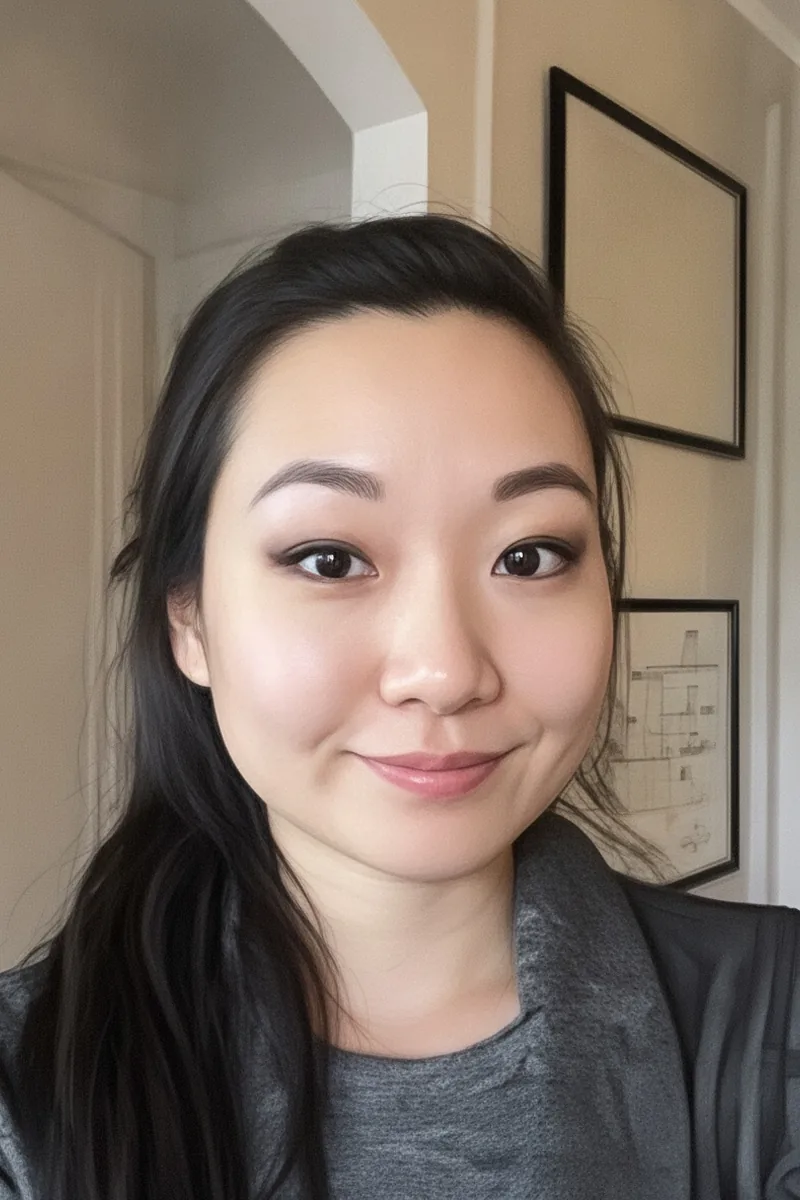
Philosophy training at Carleton — where every seminar meant dissecting arguments, weighing competing interpretations, and defending a thesis under pressure — turns out to be exactly what history essays and document-based questions demand. Erinrose spent years teaching literature courses that wove historical context into close reading, from colonial-era American texts to contemporary fiction shaped by political movements. That habit of asking *what ideas were at stake* rather than just *what happened* gives students a sharper framework for historical analysis.
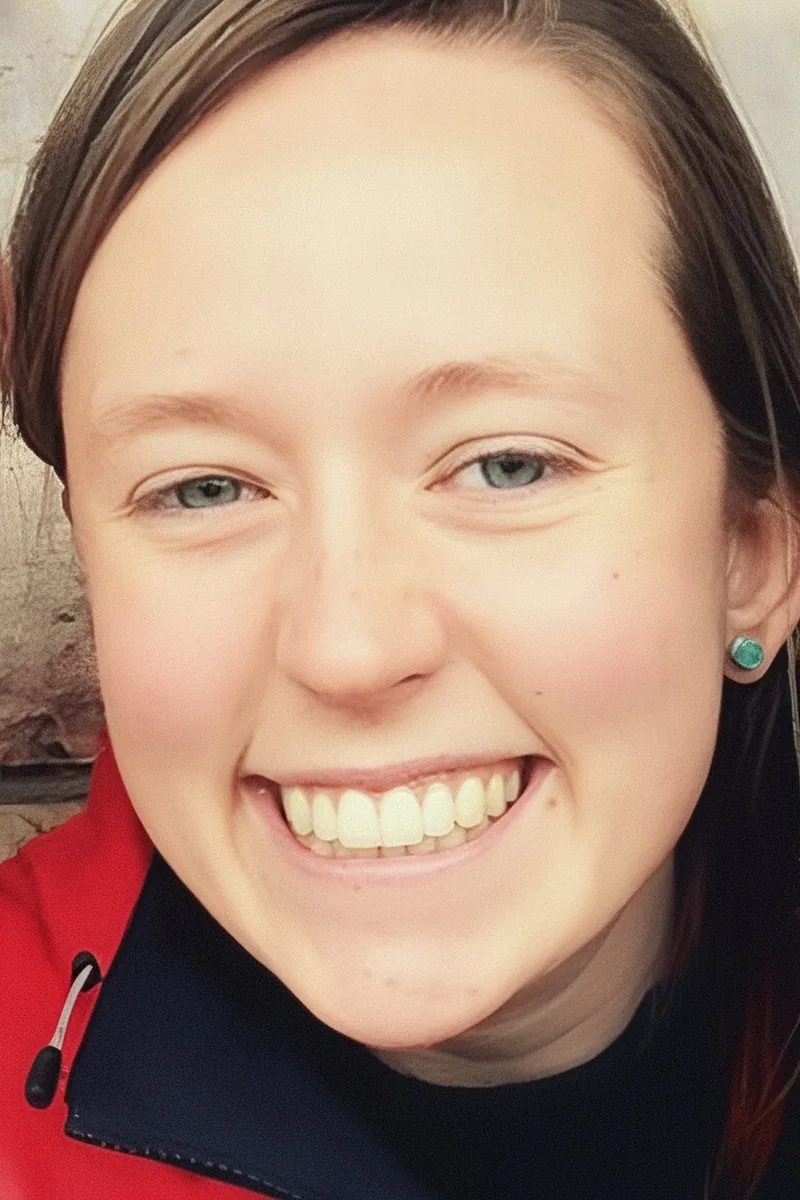
While history isn't her primary field, Zofia's coursework at Brown included analyzing primary sources and constructing evidence-based arguments across disciplines. She applies that same rigor to historical reasoning — teaching students to evaluate cause and effect, identify bias in documents, and write thesis-driven responses that go beyond surface-level summary.
Philosophy of science training reshapes how you read history — Lacey's graduate and undergraduate work in classics and the history of science means she naturally traces how ideas about nature, technology, and knowledge evolved alongside political and social change. That intellectual-history lens is especially effective for students wrestling with Enlightenment-era thought, the Scientific Revolution, or any period where shifts in ideas drove shifts in power. Rated 4.8 by students.
Tara approaches history the way she learned it as an anthropologist: by asking what everyday people experienced, not just what leaders decided. She digs into primary sources with students — letters, artifacts, political cartoons — and teaches them to construct arguments that connect evidence to broader historical patterns.
Alicia earned her bachelor's degree in History, which means she doesn't just teach dates and events — she digs into the causes, consequences, and competing narratives behind them. Her approach treats history as an argument to be analyzed, teaching students to evaluate primary sources and build evidence-based interpretations that hold up in essays and exams.
Melissa approaches history as an exercise in reading critically and arguing persuasively — skills her English and science teaching sharpened from different angles. She's especially effective at teaching students how to analyze primary sources, identify cause-and-effect chains, and write document-based essays that go beyond restating facts.
Sociology and history share a core question: why do societies organize, clash, and change the way they do? Lena's sociology training means she teaches students to analyze primary sources and construct cause-and-effect arguments rather than memorize dates. That analytical framework applies whether the unit covers the French Revolution or the Civil Rights Movement.
Years of working with kids ages 5-13 in after-school programs and summer camps taught Emma something useful for history: younger students need stories to have clear stakes and characters before any timeline makes sense. She brings that same instinct to history tutoring, grounding events in the human decisions and conflicts behind them so students can actually explain causes and consequences on essays and assignments. Rated 5.0 by students.
Philosophy and theology training rewires how you read any text — Seth learned to trace how ideas evolve, collide, and reshape societies across centuries. That background makes him especially sharp on intellectual and religious history, where understanding a thinker's argument matters more than memorizing when they lived. He teaches students to build essays that connect ideas to their historical context and defend a clear interpretive claim.
Most history assignments aren't really asking students to recall dates — they're asking them to construct an argument using evidence from a specific period. Cory approaches history by teaching students to read sources critically and build cause-and-effect chains, treating each essay or exam like a case to be argued rather than a list to be memorized.
Rosemary's environmental biology degree gives her an unusual lens on history — she's especially sharp on topics where science, policy, and human decisions intersect, from the Dust Bowl to the Industrial Revolution's ecological fallout. She teaches students to build arguments from primary sources rather than just retelling a textbook narrative. That analytical approach translates well to DBQ essays and research projects alike.
An environmental studies-biology degree means Katie spent four years tracing how human societies interact with landscapes, resources, and ecosystems over time — which is essentially environmental history. She brings that perspective to teaching students how to connect geographic and ecological factors to political decisions, whether it's westward expansion, the Dust Bowl, or industrialization's ripple effects. It's a concrete, cause-and-effect approach that gives students something specific to argue in essays rather than just summarizing events.
Philosophy trains you to do exactly what history essays demand — reconstruct an argument, test it against evidence, and explain why one interpretation holds up better than another. Eric's philosophy degree means he naturally treats historical events as claims that need defending, teaching students to build thesis-driven responses to DBQs and essay prompts with the same rigor you'd apply to a logic problem. His 1560 SAT underscores the close reading and analytical writing skills that make that approach work.
Studying history well means doing more than memorizing dates and names — it requires connecting cause and effect across events and evaluating why sources tell different stories. Jasmyn teaches students to read primary documents critically and build arguments supported by evidence, skills she sharpened through years of analytical writing in her science programs.
Tina's medical and scientific training in China gave her firsthand perspective on how political, cultural, and economic forces shape institutions — context that enriches historical analysis. She teaches students to evaluate primary sources critically and construct arguments that go beyond summarizing events.
Oliver's biochemistry and MCD biology coursework at CU Boulder meant years of reading primary literature, evaluating competing hypotheses, and building arguments from evidence — skills that map directly onto document-based questions and historical essay writing. He teaches students to treat a historical prompt the way a scientist treats a research question: identify the key variables, weigh the sources, and construct a clear thesis before writing a single paragraph. Rated 5.0 by students.
Latin and French fluency means Paul spends a lot of time with primary sources in their original languages — a skill that changes how you approach history, especially anything touching the Roman world, medieval Europe, or early modern France. He teaches students to unpack how authors framed events for their audiences, turning document-based questions into exercises in close reading rather than fact recall. His 1570 SAT underscores the analytical reading and writing skills that make historical argumentation click.
Neuroscience teaches you to ask why people behave the way they do — Brockton brings that same question to history, digging into the motivations, biases, and social pressures behind decisions that shaped entire eras. His training as a learning assistant at CU Boulder, where he studied pedagogy specifically, means he knows how to walk students through document analysis and essay construction in a way that actually builds the skill rather than just covering the content.
Christian treats history the way he treats engineering problems: by asking why something happened, not just what happened. He teaches students to connect causes and effects across events — linking, for example, economic pressures to political revolutions — so that essay responses and exam answers reflect genuine understanding rather than a memorized timeline.
While history isn't Jude's core area, his analytical training in physics and math gives him a sharp eye for evaluating cause-and-effect arguments and working with data-driven historical evidence. He's especially useful for students who need to strengthen their essay structure or learn how to build claims from primary source material.
While history isn't Colton's primary discipline, his background in reading and writing gives him strong analytical tools for the subject. He teaches students to treat historical questions the way a scientist treats data — examining sources for bias, evaluating cause-and-effect claims, and building evidence-based arguments rather than just reciting dates.
Heidi's International Relations studies at CU Boulder keep her immersed in how historical events connect to modern geopolitics, which gives her a useful angle for teaching history as more than a list of dates. She emphasizes building skills like sourcing evidence, identifying cause-and-effect chains, and writing document-based responses that earn full marks.
I am a student at the Georgia Institute of Technology studying Chemical Engineering. For the past several years, I have worked with students extensively. Through hosting events for younger kids to learn about STEM and for older teens to practice empathetic design, I know the importance of teaching students in ways that engage them rather than frustrate them, which I apply to my teaching. I have tutored high school students in a drop-in resource center in various subjects including math of all levels, chemistry, and English, making me adequately equipped in a variety of topics. I have also tutored several students long-term. Establishing relationships with students and exploring their unique learning styles is my favorite part of tutoring. I prioritize helping students discover HOW to learn in a manner that is the most effective for them, so they can begin to use those skills on their own throughout their education. Learning is a lifelong skill that requires practice for improvement; I strive to help my students gain confidence in their ability to learn.
Running a secular club in college meant Rohith regularly researched and presented on religious and political history topics — experience that built real skill in synthesizing complex narratives and defending interpretations with evidence. His astronomy major also trained him to think in long timescales and trace how one development triggers the next, a habit that transfers naturally to historical analysis. He's especially comfortable helping students structure their thinking around turning points and the forces that drove them.
Studying for a physical therapy doctorate means Michelle spends her days reading clinical research rooted in historical context — how medical ethics evolved, how public health policy responded to epidemics, how cultural attitudes toward disability shifted across centuries. She brings that same habit of asking "what changed and why" to history tutoring, coaching students to build cause-and-effect arguments in essays and document-based questions rather than reciting dates. Rated 4.8 by students.
Studying history effectively means building arguments from evidence, not memorizing dates. Graham treats historical questions the way he treats scientific ones — examining causes, weighing competing explanations, and looking for patterns across events. His writing skills and analytical mindset make him especially useful for students who need to strengthen document-based essays or construct clearer thesis statements.
As a licensed high school history teacher with a philosophy degree, Paige brings a distinctive edge to historical reasoning — she teaches students to interrogate assumptions behind events and policies the same way a philosopher dissects an argument. Her classroom experience spans world history through American history, and she's especially sharp at coaching students through essay construction where a clear thesis and well-chosen evidence matter more than chronological summaries. Rated 5.0 by students.
Lumber sales might sound unrelated to history, but Ed's communications degree and years translating raw data into persuasive narratives for clients built exactly the skill history courses test: constructing a clear argument from messy, real-world evidence. He teaches students to treat primary sources the way a statistician treats data — pulling out what's significant, ignoring the noise, and building a case that holds up under scrutiny.
Political science coursework at Arizona State trained Marcus to dissect how governments form, collapse, and evolve — which means he teaches history through the lens of power structures and civic institutions rather than isolated timelines. His dual degree in biological sciences also gives him an unusual angle on topics like the Columbian Exchange or public health crises, where science and history collide. He's strongest when students need to connect political decisions to their real-world consequences across eras.
Cody approaches history as a discipline of interpretation rather than memorization — asking why events unfolded the way they did and whose perspective shapes the narrative. His graduate studies in religious and philosophical traditions across cultures give him an unusually wide lens on world history, from ancient South Asian civilizations to modern intellectual movements. He teaches students to analyze primary sources and construct arguments that go beyond summarizing what happened.
Hannah's urban studies degree gave her a lens most history tutors don't have — she teaches students to analyze how migration patterns, zoning policy, and public health crises shaped the communities we live in today. That interdisciplinary perspective makes document-based questions and thematic essays click for students who struggle to see history as more than a list of dates.
I am a undergraduate student who is willing to help other students in subjects that they may be experiencing difficulties in.
An actuarial science degree is essentially training in asking 'what are the odds, and why?' — a question that turns out to be surprisingly useful when analyzing historical turning points like why certain revolutions succeeded while others fizzled. Brenna brings that risk-assessment mindset to teaching students how to weigh competing causes and build arguments about which factors mattered most in driving historical outcomes. She's strongest on essay structure and helping students move from 'here's what happened' to 'here's why it happened.'
Every history assignment is ultimately a reading and writing task — interpreting sources, evaluating competing accounts, and building a clear argument from evidence. That's where Carson's English degree becomes a real advantage. He teaches students to dissect primary documents the same way they'd analyze a literary text, pulling apart language, audience, and purpose to construct sharper historical arguments.
Jalonna treats history assignments as exercises in argument-building: rather than memorizing dates, she teaches students to identify cause-and-effect relationships and support claims with specific evidence from the text. Her strong writing background means she's especially useful when a history class requires document-based essays or research projects.
Computer science students learn to think in systems — inputs, outputs, feedback loops — and that's exactly how Austin approaches history, treating events like the Industrial Revolution or westward expansion as interconnected processes rather than isolated facts to memorize. His casual, conversational teaching style makes it easier for students to engage with dense material and actually retain the cause-and-effect reasoning that history essays demand. Rated 5.0 by students.
Whether the assignment covers the American Revolution or the Cold War, Anthony treats history as an exercise in argument: what happened, why it happened, and how we know. He teaches students to read primary sources critically and construct essays that use evidence precisely, skills that transfer across any era or curriculum. Rated 5.0 by students.
A physics background might seem unrelated to history, but Evan applies the same analytical rigor to historical arguments — breaking down why events unfolded the way they did and evaluating competing interpretations of evidence. He's especially effective at teaching students how to structure a thesis-driven essay that moves beyond summarizing dates and names into genuine historical reasoning.
Studying both Spanish and Education at CU Boulder means Annie spends much of her time immersed in the cultural and political contexts behind language — colonial legacies, independence movements, and how historical forces shaped the Spanish-speaking world. That background gives her a natural entry point for teaching students to connect events across regions and time periods, especially when essay prompts demand more than surface-level recall. Rated 5.0 by students.
Living and working across Japan, France, and Jordan gave Sarah firsthand experience with the cultural and political dynamics that most history students only encounter in textbooks. She teaches document-based analysis and argumentative essay writing by connecting historical events to the global patterns she's witnessed up close.
Testimonials
Because the right History tutor makes all the difference.
Average Session Rating – Based on 3.4M Learner Ratings
Nearby History Tutors
Other Denver Tutors
Related Social Studies Tutors in Denver
Frequently Asked Questions
Denver Public Schools and other districts in the area follow Colorado's state standards for social studies, which emphasize critical thinking about historical sources, cause-and-effect analysis, and understanding diverse perspectives. The curriculum typically progresses from local Colorado history in elementary grades, to U.S. history in middle school, to world history and civics in high school. A tutor familiar with these standards can help align practice with what students are learning in class.
Many students struggle with memorizing dates and names without understanding the broader context and significance of events. Others find it difficult to analyze primary sources, construct evidence-based arguments, or see connections between historical periods. Additionally, some students feel overwhelmed by the volume of content or lose interest when history feels disconnected from their lives. Personalized tutoring can address these specific gaps by focusing on comprehension and critical thinking rather than rote memorization.
History essays and document analysis require more than just knowing facts—students need to construct arguments supported by evidence and analyze sources for bias, perspective, and reliability. A tutor can teach you how to develop a clear thesis, organize evidence effectively, and write analytical paragraphs that explain the significance of historical events. They can also guide you through the process of reading primary and secondary sources critically, which is essential for success in AP History courses and college-level work.
Yes. AP History courses (U.S. History, World History, European History) require students to master both content knowledge and analytical skills like periodization, causation, and comparative analysis. Tutors can help you develop a study strategy that covers the full scope of content while building the critical thinking skills the AP exam emphasizes. They can also provide targeted practice with multiple-choice questions, short-answer responses, and the document-based essay (DBQ), which are major components of the exam.
In a classroom with a 14.4:1 student-teacher ratio, it's difficult for teachers to address each student's specific learning gaps or pace. A tutor can focus entirely on your needs—whether that's strengthening foundational knowledge, improving essay writing, or diving deeper into topics you find interesting. Personalized instruction also allows for flexible pacing, customized examples that connect to your interests, and immediate feedback on your understanding, which accelerates learning and builds confidence.
During your first session, a tutor will assess your current understanding of history content, identify specific challenges (like essay writing or source analysis), and learn about your goals—whether that's improving grades, preparing for a test, or developing stronger critical thinking skills. Based on this conversation, they'll create a personalized plan that targets your needs and outlines what you'll work on together. This foundation ensures that every subsequent session builds directly toward your goals.
Many students see noticeable improvement in their understanding and grades within 4-6 weeks of consistent tutoring, especially when working on specific skills like essay writing or exam preparation. However, the timeline depends on your starting point, how frequently you meet, and the specific areas you're targeting. Regular practice between sessions, combined with personalized guidance, accelerates progress—research on learning shows that spaced practice and retrieval practice are key to retaining historical knowledge and developing analytical skills.
Look for tutors with strong subject knowledge—ideally a background in history, education, or a related field—and experience working with students at your grade level. They should be able to explain historical concepts clearly, help you analyze sources and construct arguments, and understand the specific curriculum standards used in Denver schools. Varsity Tutors connects you with tutors who have proven expertise in history and a track record of helping students improve their understanding and performance.
Let’s find your perfect tutor
Answer a few quick questions. We’ll recommend the right plan and match you with a top 5% tutor.