Award-Winning Special Education Tutors
serving Fresno, CA
Special Education
Tutors in Fresno
Private 1-on-1 tutoring, weekly live classes for academic support, test prep & enrichment, practice tests and diagnostics, and more to elevate grades and test scores.
Based on 3.4M Learner Ratings
UniversitiesSchools & Universities
DeliveredHours Delivered
ProficiencyGrowth in Proficiency
Who needs tutoring?
No obligation. Takes ~1 minute.
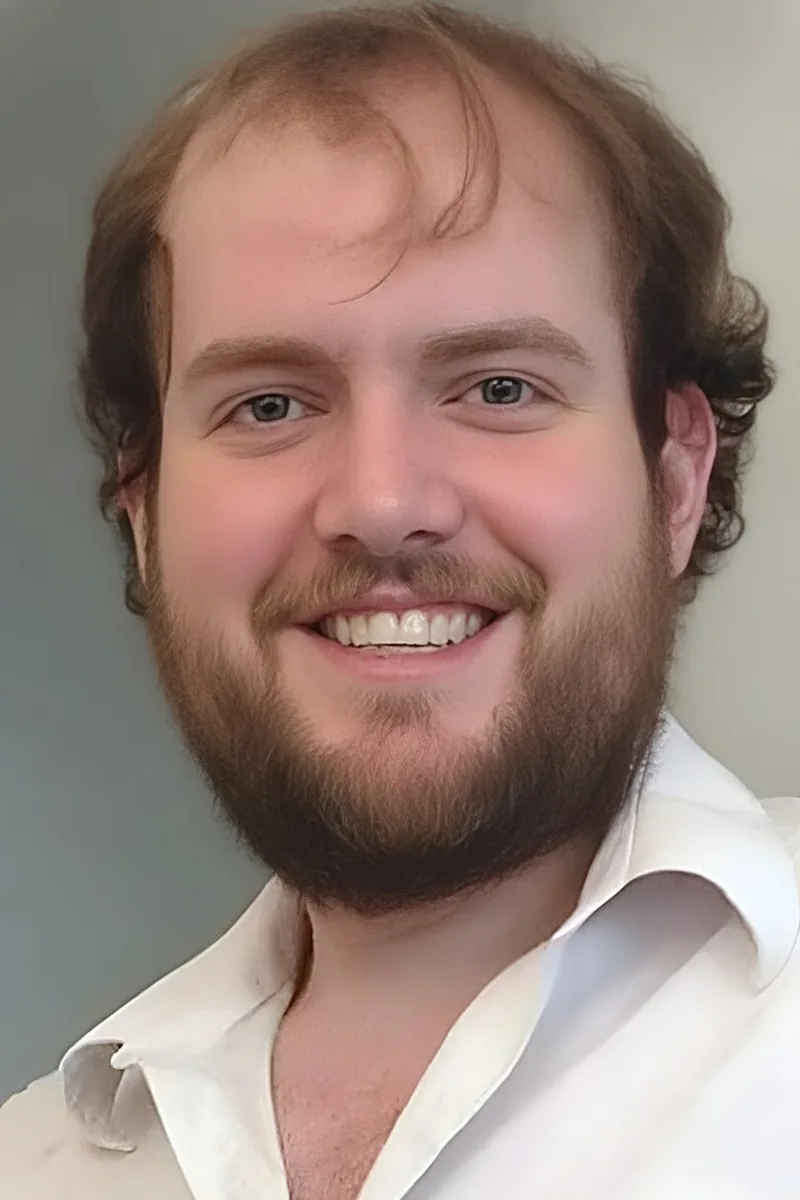
Michael's background in applied theatre — a discipline built around adapting communication to different learners — gives him a flexible, patient teaching style that meets a wide range of needs. He breaks concepts into smaller, concrete steps and uses creative reinforcement techniques drawn from his performance training to keep students engaged and building confidence.

Years of teaching violin to students as young as three — plus elementary classroom experience in 2nd and 5th grade — gave Claire a deep instinct for adapting instruction to how each learner actually processes information. She breaks tasks into smaller, sequenced steps and uses multisensory techniques to reinforce skills like reading comprehension, number sense, and following multi-step directions. Her credentialed teaching background means she understands IEP goals and how to align tutoring sessions with them.
Every learner processes information differently, and Sarah's experience across a wide range of subjects — from reading comprehension to math fundamentals — means she can adapt explanations on the fly when one approach isn't clicking. She builds individualized strategies around a student's strengths, whether that means using visual organizers for writing assignments or breaking multi-step math problems into smaller, scaffolded pieces.
Every learner processes information differently, and Professor Florence draws on her psychology training at UCLA to identify where a student's understanding is breaking down and restructure the material accordingly. She adapts pacing, visual aids, and practice strategies to match each student's learning profile, whether the challenge involves processing speed, attention, or executive function.
Alison spent six years teaching diverse learners in Brooklyn public schools, including students with IEPs and varied learning profiles, so she knows how to adapt pacing, instructions, and materials on the fly. She pairs that classroom experience with formal mindfulness training, which gives her concrete strategies for students dealing with attention challenges, test anxiety, or sensory overwhelm. The goal is always building independence — not just getting through tonight's homework.
Clinical psychology training fundamentally changes how you understand a struggling learner — Danny's PhD work gives him insight into the cognitive, emotional, and behavioral dimensions that shape how students with learning differences engage with academic material. He draws on formal counseling psychology methods to identify what's actually getting in the way, then adapts instruction accordingly, whether the barrier is processing speed, attention, anxiety around schoolwork, or something else entirely. Rated 5.0 by families.
Occupational therapy is fundamentally about adapting tasks so people can succeed despite neurological, developmental, or learning differences — and that's the perspective Alex brings to tutoring. Currently in Washington University's OT Doctorate program with a neuroscience background, Alex understands how conditions like ADHD, dyslexia, and sensory processing challenges affect learning and tailors strategies accordingly, from breaking assignments into smaller steps to using multisensory approaches for retention.
Sabrina holds certification in special education and brings a classroom teacher's instinct for identifying where a lesson loses a student. She redesigns explanations on the fly — using manipulatives, visual models, or simplified language — so learners with IEPs or 504 plans can access grade-level math, reading, and writing content at their own pace.
A PhD in neuropsychology means Bill understands learning differences — ADHD, dyslexia, processing speed challenges — at the neurological level, not just as labels on an IEP. He adapts his teaching to how each student's brain actually processes information, whether that means restructuring how material is presented or building in specific compensatory strategies for memory and attention.
James holds a Master's in Education and brings deep experience adapting lessons for students with diverse learning needs, whether that means restructuring a math problem into smaller visual steps or reframing a reading assignment to reduce cognitive overload. He identifies where a student feels confident and builds outward from that anchor point. His 5.0 rating speaks to the trust and patience he brings to every session.
Rosemary's graduate work in occupational therapy included extensive training in adaptive learning strategies, sensory processing, and task analysis — the clinical side of what special education looks like in practice. She volunteers regularly with the Down syndrome community, giving her hands-on experience tailoring instruction to different cognitive and developmental profiles. That combination means she doesn't just know accommodations exist; she knows how to implement them in real learning moments.
A Master's in Education trained Alan in differentiated instruction, IEP-aligned goal setting, and multisensory teaching methods that reach learners who struggle in traditional classroom environments. He adapts pacing and materials to match each student's processing style, whether the challenge involves reading comprehension, mathematical reasoning, or executive function skills. His 4.8 rating speaks to the patience and flexibility he brings to every session.
A PhD in neuroscience means Elliot understands learning differences at the biological level — how attention, working memory, and processing speed vary across brains and what that means for instruction. He explicitly welcomes learners on the spectrum and tailors pacing, scaffolding, and sensory considerations to each student rather than defaulting to one-size-fits-all methods. His 5.0 rating speaks to that individualized care.
Colin is a certified special educator whose classroom experience spans multiple grade levels and learning profiles, from students with dyslexia and ADHD to those on the autism spectrum. He designs each session around a student's specific IEP goals and learning style — visual aids for one learner, movement-based activities for another — rather than applying a one-size-fits-all approach. That individualized structure builds both academic skills and the confidence students need to advocate for themselves in the classroom.
Five years of working specifically with students who have learning differences — dyslexia, ADHD, processing disorders — taught Sydney that the content isn't usually the problem; it's the delivery. She redesigns how material is presented, using multisensory techniques and scaffolded instructions so that a student with an IEP or 504 plan can access the same curriculum their classmates see. Rated 4.9 by families.
Testimonials
Because the right Special Education tutor makes all the difference.
Average Session Rating – Based on 3.4M Learner Ratings
Nearby Special Education Tutors
Other Fresno Tutors
Frequently Asked Questions
Special education tutoring is personalized 1-on-1 instruction designed for students with Individualized Education Programs (IEPs) or 504 plans, as well as those with learning disabilities, developmental delays, or other special needs. Unlike general tutoring, special education tutoring incorporates specialized teaching strategies, accommodations, and modifications aligned with each student's IEP goals and learning profile. Tutors work closely with families and school teams to ensure instruction supports the student's unique strengths and addresses specific challenges.
Students receiving special education support often struggle with foundational academic skills like reading decoding, math computation, or written expression, depending on their specific disability. Many also face challenges with executive function skills such as organization, time management, and task initiation. Additionally, students may experience difficulty with social-emotional learning, self-advocacy, or confidence in academic settings. Personalized tutoring can target these specific areas with strategies tailored to how each student learns best.
Varsity Tutors connects you with tutors who understand IEP goals and can reinforce the skills and objectives outlined in your child's plan. Tutors can work on specific goals—whether that's improving reading fluency, building math foundations, or developing social skills—while using accommodations and modifications documented in the IEP. Communication with your child's school team ensures tutoring complements classroom instruction and tracks progress toward IEP objectives.
The first session focuses on getting to know your student—their learning style, strengths, interests, and specific challenges. The tutor will discuss your child's IEP, any accommodations or modifications in place, and your family's goals for tutoring. This foundation helps the tutor design personalized instruction that meets your student exactly where they are and builds from there.
Look for tutors with experience working with students who have learning disabilities, developmental delays, or IEPs. Ideally, they have training in evidence-based interventions like structured literacy, Orton-Gillingham, or other specialized teaching methods. Familiarity with accommodations, modifications, and assistive technology is valuable, as is experience collaborating with school teams and understanding special education frameworks.
Progress looks different for each student based on their goals and starting point. Some students show measurable gains in specific skills—like improved reading accuracy, faster math fact fluency, or stronger written expression. Others experience growth in confidence, independence, and self-advocacy. Many students work toward IEP goals more effectively with targeted, personalized instruction that addresses their learning profile. Regular progress monitoring helps track improvement and adjust instruction as needed.
Fresno has 28 school districts and numerous schools with special education programs and services. Many students benefit from combining tutoring with school-based support like speech therapy, occupational therapy, or counseling. Tutors can coordinate with your student's school team to ensure tutoring reinforces classroom learning and IEP goals. Local parent advocacy organizations and the Fresno County Office of Education also offer resources and support for families navigating special education.
Start by telling Varsity Tutors about your student's needs, goals, and IEP (if applicable). You'll be matched with a tutor who has experience in special education and understands your student's specific challenges. From there, you can schedule your first session and begin personalized instruction tailored to your child's learning profile and goals.
Let’s find your perfect tutor
Answer a few quick questions. We’ll recommend the right plan and match you with a top 5% tutor.