Award-Winning Special Education Tutors
serving Concord, CA
Special Education
Tutors in Concord
Private 1-on-1 tutoring, weekly live classes for academic support, test prep & enrichment, practice tests and diagnostics, and more to elevate grades and test scores.
Based on 3.4M Learner Ratings
UniversitiesSchools & Universities
DeliveredHours Delivered
ProficiencyGrowth in Proficiency
Who needs tutoring?
No obligation. Takes ~1 minute.
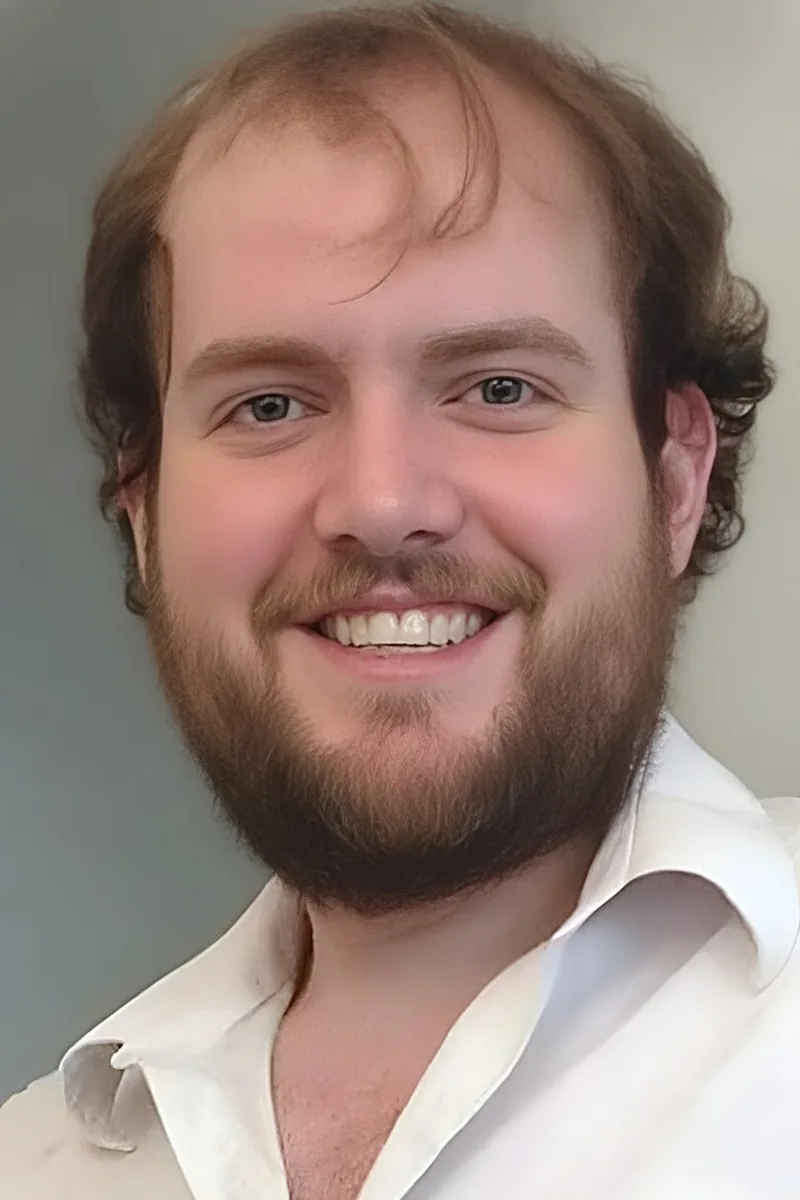
Michael's background in applied theatre — a discipline built around adapting communication to different learners — gives him a flexible, patient teaching style that meets a wide range of needs. He breaks concepts into smaller, concrete steps and uses creative reinforcement techniques drawn from his performance training to keep students engaged and building confidence.

Years of teaching violin to students as young as three — plus elementary classroom experience in 2nd and 5th grade — gave Claire a deep instinct for adapting instruction to how each learner actually processes information. She breaks tasks into smaller, sequenced steps and uses multisensory techniques to reinforce skills like reading comprehension, number sense, and following multi-step directions. Her credentialed teaching background means she understands IEP goals and how to align tutoring sessions with them.
Every learner processes information differently, and Sarah's experience across a wide range of subjects — from reading comprehension to math fundamentals — means she can adapt explanations on the fly when one approach isn't clicking. She builds individualized strategies around a student's strengths, whether that means using visual organizers for writing assignments or breaking multi-step math problems into smaller, scaffolded pieces.
Earning her Master's in Elementary Inclusive Education and Special Education at Columbia's Teachers College, Olivia is trained to differentiate instruction across learning profiles — whether a student has an IEP, a 504 plan, or simply learns differently than the standard classroom assumes. She breaks down academic content using multisensory techniques and scaffolded steps, connecting each lesson to the student's strengths rather than defaulting to one-size-fits-all methods.
James holds a Master's in Education and brings deep experience adapting lessons for students with diverse learning needs, whether that means restructuring a math problem into smaller visual steps or reframing a reading assignment to reduce cognitive overload. He identifies where a student feels confident and builds outward from that anchor point. His 5.0 rating speaks to the trust and patience he brings to every session.
Every learner processes information differently, and Professor Florence draws on her psychology training at UCLA to identify where a student's understanding is breaking down and restructure the material accordingly. She adapts pacing, visual aids, and practice strategies to match each student's learning profile, whether the challenge involves processing speed, attention, or executive function.
Patrick earned his Master's in Special Education from UIC's MEd + Licensure program, which means he's trained in differentiated instruction, IEP development, and evidence-based interventions for learning differences like dyslexia and ADHD. His undergraduate psychology degree adds a layer of understanding around how attention, memory, and motivation shape each student's learning profile.
Five years of working specifically with students who have learning differences — dyslexia, ADHD, processing disorders — taught Sydney that the content isn't usually the problem; it's the delivery. She redesigns how material is presented, using multisensory techniques and scaffolded instructions so that a student with an IEP or 504 plan can access the same curriculum their classmates see. Rated 4.9 by families.
A PhD in neuropsychology means Bill understands learning differences — ADHD, dyslexia, processing speed challenges — at the neurological level, not just as labels on an IEP. He adapts his teaching to how each student's brain actually processes information, whether that means restructuring how material is presented or building in specific compensatory strategies for memory and attention.
Working professionally with young adults on the autism spectrum taught Hannah something most tutors learn slowly: every learner's brain organizes information differently, and instruction has to adapt in real time. She designs sessions around each student's specific processing style — whether that means breaking multi-step directions into visual checklists, adjusting pacing, or finding alternative ways into a concept that traditional instruction missed. Her 5.0 rating speaks to how well that individualized approach works.
Mati brings both professional and personal insight to special education — her doctoral work centered on learning disabilities, and as a mother of two children with dyslexia, she's navigated IEP meetings, accommodation plans, and reading interventions from every side of the table. She teaches strategies for decoding, multisensory learning, and self-advocacy that address the specific barriers a student faces. Rated 5.0 by students.
Annie's graduate training in counseling psychology gave her direct experience with IEPs, learning accommodations, and the cognitive frameworks behind conditions like dyslexia, ADHD, and processing disorders. She adapts lesson pacing, breaks tasks into smaller chunks, and uses multi-sensory techniques tailored to each learner's profile — not a one-size-fits-all script.
Teaching across dozens of NYC public schools exposed James to students with a wide range of learning differences, from processing delays to attention challenges. He builds individualized approaches — breaking instructions into smaller steps, using multi-sensory reinforcement, and adjusting pacing in real time. His current doctoral work in physical therapy deepens his understanding of how neurological and developmental factors shape the way students learn.
Working as an instructor at Seven Hills Foundation, Will teaches students with diverse learning needs every day — adapting pace, breaking multi-step problems into manageable chunks, and finding the explanation style that clicks for each individual. That hands-on experience with IEP-aligned instruction means he knows how to adjust on the fly rather than relying on a one-size-fits-all approach.
A psychology degree gave Maggie a deep understanding of how learning differences — from ADHD to processing disorders — affect the way students absorb and retain information. She adapts lessons using multi-sensory techniques, scaffolded instructions, and frequent check-ins that keep students engaged without overwhelming them. Her approach is patient and structured, building skills at a pace that respects each learner's needs.
Testimonials
Because the right Special Education tutor makes all the difference.
Average Session Rating – Based on 3.4M Learner Ratings
Nearby Special Education Tutors
Other Concord Tutors
Frequently Asked Questions
Special Education tutoring addresses individualized learning needs for students with IEPs (Individualized Education Programs) or 504 plans. Tutors work with students across academic subjects—reading, math, writing, and science—while incorporating specialized teaching strategies for learning disabilities, developmental delays, autism spectrum disorder, ADHD, and other conditions. The focus is on building confidence, filling skill gaps, and helping students access grade-level content with appropriate scaffolding and support.
Varsity Tutors connects students with tutors who understand how to reinforce IEP and 504 plan goals through personalized 1-on-1 instruction. Before starting, tutors review your student's plan to identify key objectives, accommodations, and learning strategies already in place. This ensures tutoring complements school support rather than duplicating it, and tutors can communicate progress to help inform IEP meetings and plan adjustments.
In Concord's classrooms with an average student-teacher ratio of 20.9:1, teachers have limited time for individualized attention. Personalized 1-on-1 tutoring allows tutors to work at your student's pace, repeat concepts without time pressure, use multi-sensory learning approaches, and adjust strategies based on real-time feedback. This focused approach helps students build foundational skills and confidence before applying them in the classroom.
Many Special Education students struggle with reading fluency, math computation, executive function skills (organization, planning, time management), and social-emotional regulation. Personalized tutoring addresses these through explicit instruction, repeated practice with immediate feedback, and concrete strategies students can use independently. Tutors also help build metacognitive skills—teaching students to recognize their own learning patterns and advocate for themselves.
The first session focuses on getting to know your student—their strengths, learning style, interests, and specific challenges. Tutors will ask about your student's IEP or 504 plan goals, any accommodations that work well, and what academic or behavioral areas need support. This assessment helps tutors create a personalized plan and establish a comfortable, trusting relationship so your student feels confident working together.
Tutors track progress through regular assessments, skill-building milestones, and observable improvements in confidence and independence. You'll receive updates on what your student is working on and see concrete examples—like improved reading fluency scores, fewer errors on math assignments, or better use of organizational strategies. Many families also notice changes in their student's attitude toward learning and willingness to tackle challenging tasks.
Varsity Tutors connects students with tutors who have expertise in Special Education instruction, learning disabilities, and evidence-based teaching strategies. Many tutors have backgrounds in special education, speech-language pathology, occupational therapy, or related fields. All tutors are vetted for their ability to work with diverse learners and create supportive, patient learning environments.
The ideal frequency depends on your student's specific needs, IEP goals, and current performance levels. Many students benefit from 1-2 sessions per week to build skills consistently without overwhelming their schedule. Tutors can recommend a starting frequency based on your student's learning profile, and you can adjust as needed based on progress and changing goals throughout the school year.
Let’s find your perfect tutor
Answer a few quick questions. We’ll recommend the right plan and match you with a top 5% tutor.