Award-Winning AP Art History Tutors
serving Fresno, CA
AP Art History
Tutors in Fresno
Private 1-on-1 tutoring, weekly live classes for academic support, test prep & enrichment, practice tests and diagnostics, and more to elevate grades and test scores.
Based on 3.4M Learner Ratings
UniversitiesSchools & Universities
DeliveredHours Delivered
ProficiencyGrowth in Proficiency
Who needs tutoring?
No obligation. Takes ~1 minute.
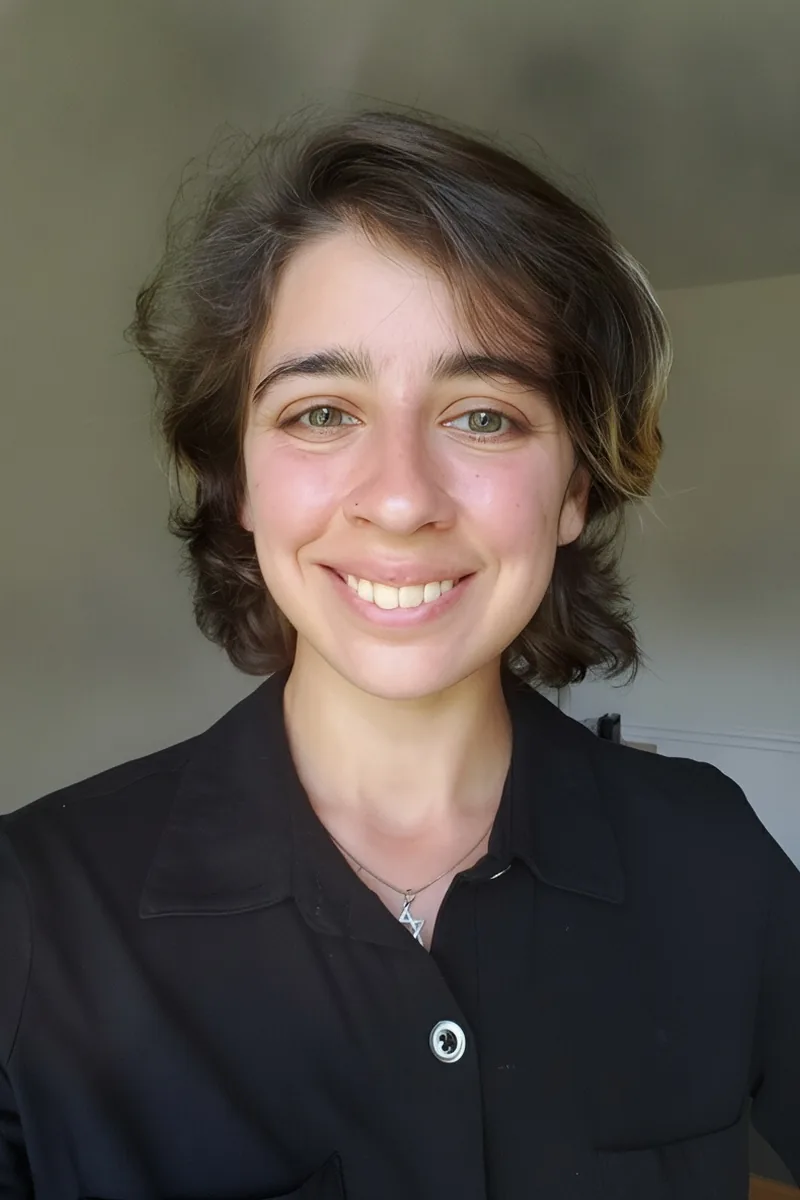
Few tutors bring Lee's combination of a University of Maryland studio art degree and a scientist's analytical rigor to AP Art History. He teaches students to move beyond identifying artistic periods and instead analyze how formal elements — composition, color, materiality — encode the cultural and political contexts the exam actually tests.
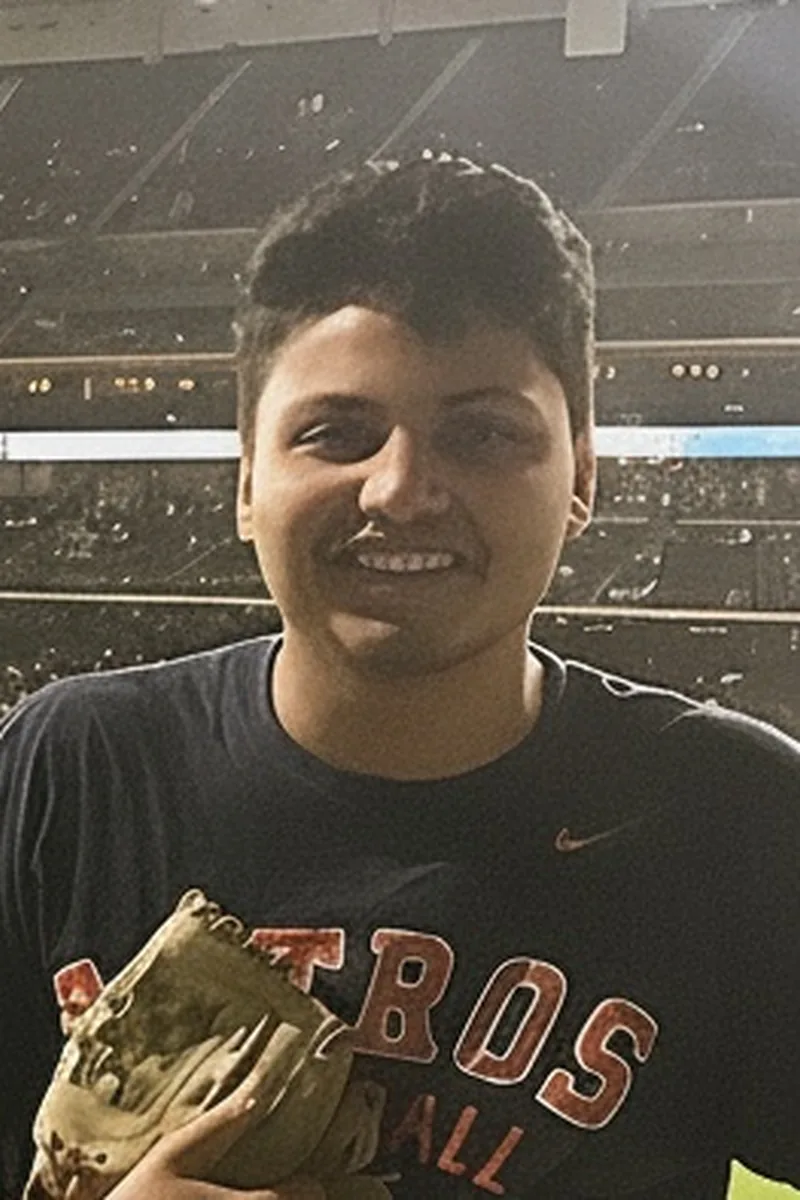
Public health is fundamentally about how societies organize around shared values — sanitation, access, equity — and that same lens applies surprisingly well to AP Art History, where students need to explain how cultural priorities and social structures shaped everything from Egyptian funerary art to WPA murals. Shripal teaches students to read works as artifacts of the communities that produced them, connecting form and function to the public forces behind them. Rated 5.0 by students.
This is Shelby's home turf. As Assistant Curator of Visual Resources in Vanderbilt's History of Art department, she works daily with the kinds of images, architectural plans, and cultural objects that appear on the AP Art History exam. She breaks down the 250-image set by teaching students to compare works across time periods using formal analysis vocabulary — line, composition, patronage, function — rather than brute-force memorization.
Varun's Government and Film and Media Studies degrees give him two angles that converge neatly in AP Art History — he understands how political power and visual storytelling shape the production and reception of art across cultures. He teaches students to analyze works from the 250-image set through the lens of propaganda, patronage, and media, turning the contextual essay prompts into something that feels more like building an argument than recalling facts. Rated 4.8 by students.
The AP Art History exam asks students to do something surprisingly difficult: look at an image they may have never seen and write a convincing argument about its cultural context in minutes. Monitha's philosophy background at Michigan sharpened exactly that skill — constructing tight, evidence-based claims under pressure. She teaches students to move between visual analysis and historical argumentation without losing the thread.
Co-curating the TCRWP Classroom Libraries Project taught Molly how to organize vast collections of material into coherent thematic frameworks — a skill that maps directly onto navigating AP Art History's 250-image set across ten content areas. Her special education background also means she's especially good at breaking down the exam's dense contextual analysis questions into concrete, repeatable steps for students who feel overwhelmed by the sheer volume of works, periods, and cultural connections.
David's liberal arts training in English and critical reading translates well to AP Art History, where the real challenge isn't memorizing the 250-image set but writing tightly argued essays that connect visual evidence to cultural context. He treats each work like a text to be read — teaching students to identify formal choices, ask what they communicate, and build that analysis into the kind of structured prose the free-response questions reward.
Leading debates on Senate bills with high schoolers at the Edward M. Kennedy Institute taught Danlan how to make students argue from evidence about institutions, power, and policy — skills that transfer directly to AP Art History's free-response essays on patronage, governance, and the cultural forces behind artistic production. Her international relations degree adds genuine depth when students need to contextualize works across non-Western political and religious traditions. Rated 5.0 by students.
Philosophy trains you to dissect arguments, trace ideas across centuries, and write with precision — three skills that map directly onto AP Art History's demand for contextual analysis and evidence-driven free-response essays. Patrick applies that philosophical lens to the 250-image set, teaching students to treat works as visual arguments shaped by the belief systems, ethical debates, and intellectual movements of their time.
Frances's Master's in Literature and the Humanities means she's spent years tracing how intellectual movements, religious thought, and political upheaval shape creative expression — the exact kind of contextual reasoning AP Art History's essay prompts demand. She teaches students to read a work's iconography and formal choices as arguments rooted in a specific cultural moment, then translate that analysis into structured, evidence-driven prose. Rated 5.0 by students.
Iris's University of Chicago training in both Anthropology and History and Philosophy of Science means she naturally reads artworks as cultural artifacts — asking what a Jowo Rinpoche statue or a Ndop figure reveals about the society that produced it, which is exactly the kind of cross-cultural contextual thinking the AP Art History exam tests. She's especially well-suited to the Global Prehistory and Indigenous Americas content areas where anthropological knowledge turns unfamiliar works into readable arguments about ritual, power, and identity.
Most students walk into AP Art History thinking they need to memorize 250 images. Muhammad shifts the focus to the analytical frameworks — how to discuss form, function, content, and context — so that encountering an unfamiliar work on the exam feels manageable rather than paralyzing.
Testimonials
Because the right AP Art History tutor makes all the difference.
Average Session Rating – Based on 3.4M Learner Ratings
Practice AP Art History
Free practice tests, flashcards, and AI tutoring for AP Art History
Nearby AP Art History Tutors
Other Fresno Tutors
Related Social Studies Tutors in Fresno
Frequently Asked Questions
AP Art History spans global art from prehistory to the present, organized around 250 required artworks across 8 historical periods. Students study diverse cultures, artistic movements, and techniques while developing skills in visual analysis, historical context, and comparative thinking. The course emphasizes understanding how art reflects society, politics, and cultural values across time and geography.
The exam consists of two sections: Section I includes 80 multiple-choice questions (50 minutes) and 4 short-answer questions (40 minutes), while Section II features 3 free-response essays (60 minutes total). Time management is critical—you'll need to balance quick visual identification on the multiple-choice section with thoughtful analysis on essays. Many students struggle with pacing between identifying artworks and writing detailed comparisons, which is where targeted practice helps.
Students typically struggle with three main areas: memorizing 250+ artworks and their historical significance, developing strong visual analysis skills to describe what they see in unfamiliar images, and writing comparative essays that connect artworks across time periods and cultures. Additionally, many find it challenging to balance factual knowledge with interpretive thinking—the exam rewards both knowing the artwork and understanding why it matters historically.
Expert tutors can help you build a systematic study plan for learning the 250 required artworks, teach visual analysis strategies to tackle unfamiliar images on test day, and provide targeted feedback on your essay writing to strengthen comparative arguments. They can also help you identify which historical periods or art movements are your weakest areas, create practice schedules using released exams, and build confidence through timed practice sessions that simulate real exam conditions.
Score improvement depends on your starting point and study commitment, but consistent preparation typically leads to meaningful gains. Students who work with tutors on visual analysis, artwork memorization, and essay technique often see improvements of 2-4 points on the 1-5 scale, especially when they focus on their weakest sections. The key is starting preparation early—ideally 3-4 months before the exam—and practicing with real AP questions regularly.
Your first session typically focuses on assessment and planning. A tutor will evaluate your current knowledge of artworks, test your visual analysis skills, and review a sample essay to identify strengths and areas for improvement. Together, you'll create a personalized study plan that prioritizes the historical periods or skills you find most challenging, establish a practice schedule, and set realistic goals for your AP score.
The official College Board AP Art History course description and released exams are essential—they show exactly what the test covers and how questions are formatted. Beyond that, quality flashcard systems for artwork memorization, practice essays with feedback, and timed full-length practice tests are invaluable. Tutors can recommend resources tailored to your learning style and help you use them effectively rather than getting overwhelmed by too many materials.
Varsity Tutors connects you with expert tutors who specialize in AP Art History and understand the exam's unique demands. You can get matched with a tutor who fits your schedule and learning style, whether you need help with specific artworks, essay writing, or full exam preparation. The process is straightforward—tell us your goals and timeline, and we'll connect you with someone ready to help you succeed.
Let’s find your perfect tutor
Answer a few quick questions. We’ll recommend the right plan and match you with a top 5% tutor.