Award-Winning AP Art History Tutors
serving Murrieta, CA
AP Art History
Tutors in Murrieta
Private 1-on-1 tutoring, weekly live classes for academic support, test prep & enrichment, practice tests and diagnostics, and more to elevate grades and test scores.
Based on 3.4M Learner Ratings
UniversitiesSchools & Universities
DeliveredHours Delivered
ProficiencyGrowth in Proficiency
Who needs tutoring?
No obligation. Takes ~1 minute.

Studying art history alongside history at the graduate level at the University of Chicago gave Ryan a dual fluency — he reads visual works through the same rigorous source-analysis methods he applies to written documents, which is precisely the skill AP Art History's contextual and comparison essays demand. His background means he's especially sharp on connecting artistic movements to the broader political and social narratives that produced them, from Reformation iconoclasm to Cold War abstraction. Rated 5.0 by students.
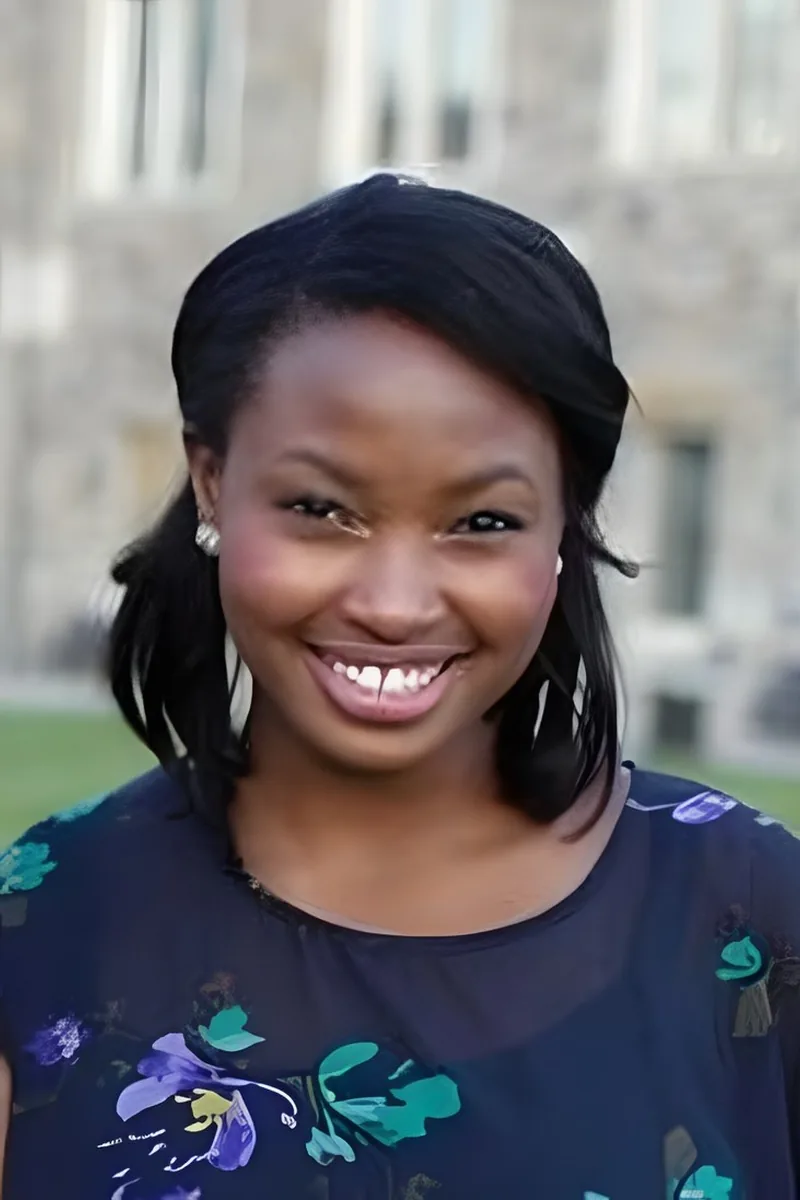
Trudy's master's dissertation at the University of Edinburgh focused on early modern South Asian and Islamic art — two content areas that consistently challenge AP Art History students who've had mostly Western-focused coursework. She brings firsthand research depth to those non-Western sections of the 250-image set while teaching students how to write the kind of cross-cultural contextual arguments the exam's free-response prompts demand.
An accounting background might seem far from art history, but Amy's economics training at Purdue taught her to analyze how trade, wealth, and patronage systems shaped artistic production — exactly the kind of contextual thinking the AP Art History exam rewards. She pairs that with a genuine love of art and reading to teach students how to connect works from the 250-image set to the economic and cultural forces behind them.
Iris's University of Chicago training in both Anthropology and History and Philosophy of Science means she naturally reads artworks as cultural artifacts — asking what a Jowo Rinpoche statue or a Ndop figure reveals about the society that produced it, which is exactly the kind of cross-cultural contextual thinking the AP Art History exam tests. She's especially well-suited to the Global Prehistory and Indigenous Americas content areas where anthropological knowledge turns unfamiliar works into readable arguments about ritual, power, and identity.
Most students walk into AP Art History expecting a slide-memorization marathon and quickly discover the exam actually tests contextual analysis — explaining how a Benin bronze reflects trade networks or why Baroque architecture served Counter-Reformation goals. Sarah's interdisciplinary background in political science and her love of art give her a natural framework for connecting visual works to the power structures and cultural movements behind them. She teaches students to build the kind of comparative arguments the free-response questions demand.
A practicing photographer with an MFA from SCAD, Emily brings real fluency in visual analysis to AP Art History — she teaches students to move past surface description and articulate how form, context, and function intersect in works from the Global Prehistory image set through contemporary installations. Her background in both studio art and academic writing makes the comparison essay feel far less intimidating.
Few tutors bring Lee's combination of a University of Maryland studio art degree and a scientist's analytical rigor to AP Art History. He teaches students to move beyond identifying artistic periods and instead analyze how formal elements — composition, color, materiality — encode the cultural and political contexts the exam actually tests.
Teaching art history in museums, classrooms, and community spaces across New York, Chicago, and Vienna gave Sarah a cross-cultural fluency that maps directly onto the AP exam's global content areas — she can contextualize a Shinto shrine and a Bauhaus building within the same analytical framework. Her anthropology degree sharpens that further, turning the 250-image set's questions about function, patronage, and cultural meaning into the kind of fieldwork-style inquiry she was trained in. Rated 5.0 by students.
Varun's Government and Film and Media Studies degrees give him two angles that converge neatly in AP Art History — he understands how political power and visual storytelling shape the production and reception of art across cultures. He teaches students to analyze works from the 250-image set through the lens of propaganda, patronage, and media, turning the contextual essay prompts into something that feels more like building an argument than recalling facts. Rated 4.8 by students.
Traveling extensively across cultures gave Mat a firsthand sense of how art functions differently depending on its social and historical setting — the kind of cross-cultural thinking that drives AP Art History's contextual analysis questions. His history minor at NYU's Stern School of Business sharpened his ability to connect artistic production to broader economic and political forces, especially around patronage and trade. He teaches students to build arguments that link formal details to these larger narratives, which is where the exam's free-response points actually live.
Working as a museum educator at the Hudson River Museum, Vivian does daily what the AP Art History exam asks students to do on paper — she walks people through artworks and teaches them to see how historical context, religious function, and patronage shaped what ended up on the wall. Her Fordham training in theology, philosophy, and Medieval Studies gives her particular depth with the sacred and medieval works in the 250-image set, where understanding iconography and liturgical purpose is the difference between describing a work and actually analyzing it. Rated 5.0 by students.
Most students walk into AP Art History expecting to memorize 250 images and call it a day. Rachel reframes the course around the questions the exam actually asks: how context shapes artistic choices, how form communicates meaning, and how to write a sharp comparative analysis under time pressure. Her background in political science adds depth when discussing art tied to power, propaganda, and social movements.
Testimonials
Because the right AP Art History tutor makes all the difference.
Average Session Rating – Based on 3.4M Learner Ratings
Practice AP Art History
Free practice tests, flashcards, and AI tutoring for AP Art History
Nearby AP Art History Tutors
Other Murrieta Tutors
Related Social Studies Tutors in Murrieta
Frequently Asked Questions
AP Art History spans art from prehistory through the present day, organized into four time periods: Ancient through Medieval (roughly 30,000 BCE–1400 CE), Early Modern through Late 18th Century (1400–1800), 19th and 20th Centuries (1800–1980), and Contemporary (1980–present). The course emphasizes understanding artistic movements, cultural contexts, major artists, and how to analyze visual works across different mediums—painting, sculpture, architecture, and decorative arts. Success requires building both broad historical knowledge and the ability to identify and discuss specific artworks in depth.
The AP Art History exam consists of two sections: a 60-minute multiple-choice section (80 questions) that tests your knowledge of artworks, artists, and historical context, and a 60-minute free-response section with four essay prompts. The essays require you to analyze artworks, compare pieces across periods, and explain how historical events influenced artistic production. Time management is critical—you'll need to quickly identify artworks and synthesize information under pressure, which is why many students benefit from targeted practice with released exams and timed essays.
Students often struggle with three main areas: memorizing the massive volume of artworks and artists required for the exam, distinguishing between similar styles or periods, and developing strong analytical writing skills for essays. Additionally, many students find it difficult to move beyond simple descriptions and instead explain the 'why' behind artistic choices—understanding how politics, religion, and social movements shaped art. Personalized instruction helps identify which areas need the most focus and develops strategies for organizing information in a way that sticks.
Score improvement depends on your starting point and effort level, but most students see meaningful gains—typically 1–2 score points—when they work consistently with a tutor over several months. The key is identifying weak areas early (whether that's specific time periods, essay writing, or test-taking strategy) and building targeted practice. Students in Murrieta benefit from tutoring that aligns with their school's pacing, so you're reinforcing what you're learning in class while building exam readiness simultaneously.
Your first session focuses on assessment and planning. A tutor will discuss your current understanding of the course, review any practice test scores or recent exams, and identify which time periods, artworks, or skills need the most attention. You'll also discuss your learning style—whether you prefer visual organization, mnemonic devices, or comparative analysis—so the tutoring approach is personalized to how you learn best. This foundation helps create a focused study plan that maximizes your time before the exam.
Strong AP Art History essays require a clear thesis, specific artwork examples with proper identification, and analysis that connects art to historical context. Many students lose points by describing what they see rather than explaining why it matters. A tutor can help you develop a formula for organizing essays quickly under timed conditions, teach you how to select the most relevant artworks to support your argument, and provide feedback on multiple practice essays. Regular essay practice with revision is one of the most effective ways to boost your score.
Ideally, you should begin focused exam preparation 2–3 months before the May exam date, though starting earlier gives you more flexibility to address gaps. If you're already in the course, tutoring can begin immediately to reinforce classroom learning and build momentum. Students who start in January or February have time to cover all four time periods thoroughly, take multiple practice tests, and refine their essay-writing skills. Starting earlier also reduces test anxiety because you're not cramming material at the last minute.
Varsity Tutors connects students in Murrieta with expert tutors who specialize in AP Art History and understand the course's demands. When you get matched with a tutor, you can discuss scheduling flexibility, whether you prefer to work before or after school, and any specific artworks or periods where you need the most help. Tutors are experienced with the AP curriculum and can provide guidance tailored to your school's pacing and your individual learning needs.
Let’s find your perfect tutor
Answer a few quick questions. We’ll recommend the right plan and match you with a top 5% tutor.