Award-Winning AP Art History Tutors
serving Mesa, AZ
AP Art History
Tutors in Mesa
Private 1-on-1 tutoring, weekly live classes for academic support, test prep & enrichment, practice tests and diagnostics, and more to elevate grades and test scores.
Based on 3.4M Learner Ratings
UniversitiesSchools & Universities
DeliveredHours Delivered
ProficiencyGrowth in Proficiency
Who needs tutoring?
No obligation. Takes ~1 minute.
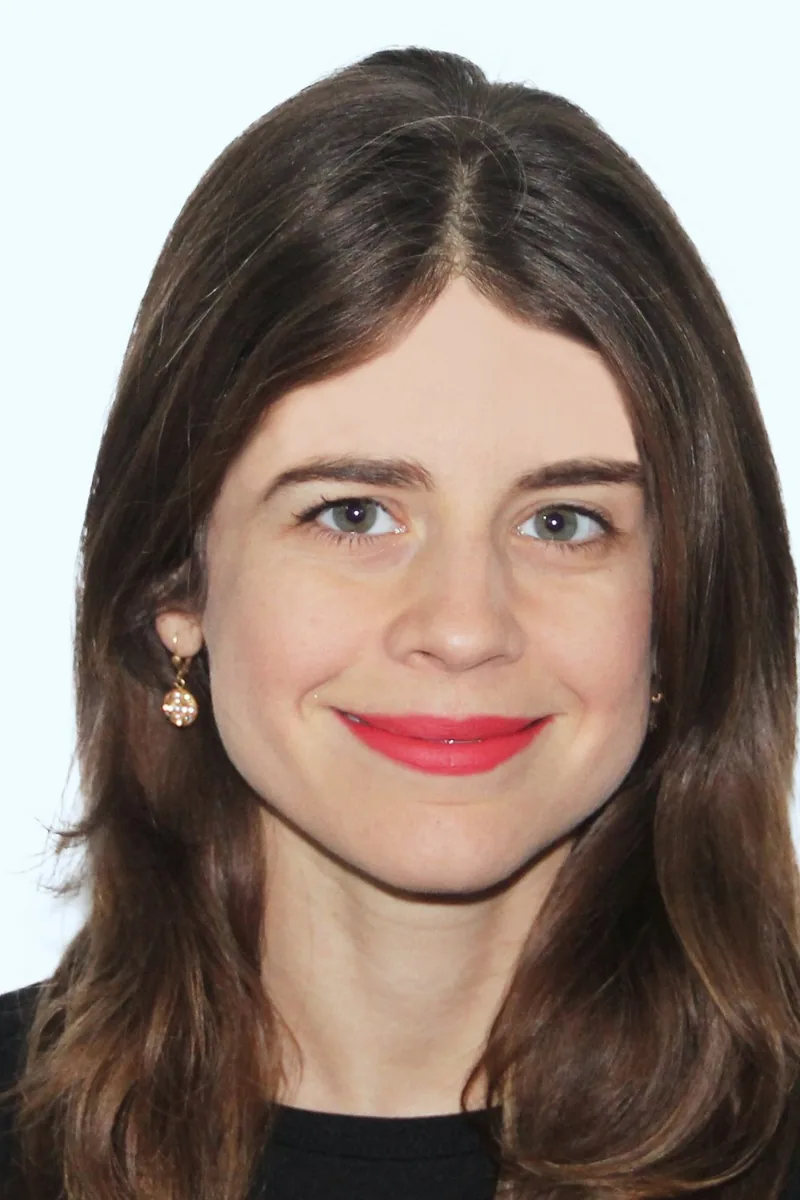
I'm a native Spanish and English speaker. I graduated with Honors in Art History and Philosophy from the University of Chicago. As a trilingual, I easily understand the difficulties and processes involved in learning a new language! I have been teaching Spanish and English to students worldwide for years. I am passionate about teaching languages as I have been blessed by life-changing opportunities by speaking fluidly with people from other cultures.
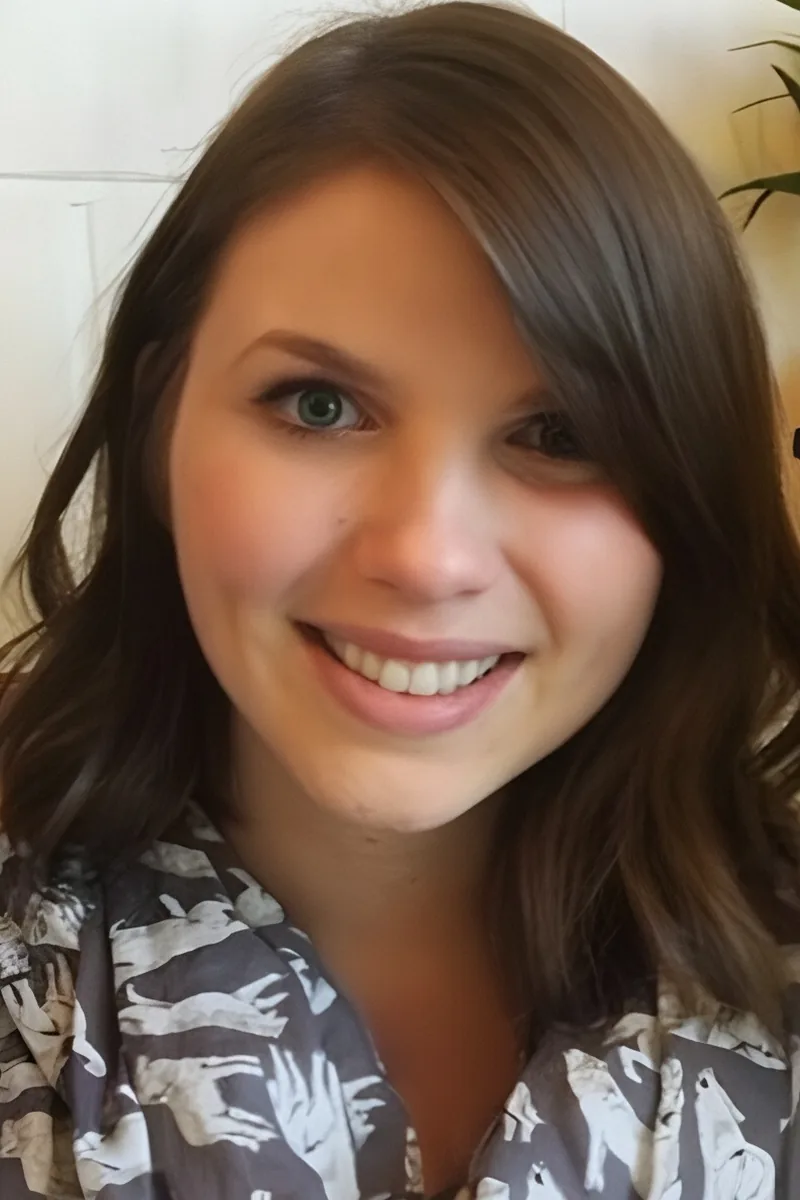
This is Shelby's home turf. As Assistant Curator of Visual Resources in Vanderbilt's History of Art department, she works daily with the kinds of images, architectural plans, and cultural objects that appear on the AP Art History exam. She breaks down the 250-image set by teaching students to compare works across time periods using formal analysis vocabulary — line, composition, patronage, function — rather than brute-force memorization.
Leading debates on Senate bills with high schoolers at the Edward M. Kennedy Institute taught Danlan how to make students argue from evidence about institutions, power, and policy — skills that transfer directly to AP Art History's free-response essays on patronage, governance, and the cultural forces behind artistic production. Her international relations degree adds genuine depth when students need to contextualize works across non-Western political and religious traditions. Rated 5.0 by students.
Eight years of ESL tutoring taught Danya something most AP Art History tutors skip — how to make unfamiliar cultural contexts accessible to students who don't share them, which is exactly what the exam demands when it asks students to interpret works across ten global content areas. Her English training at Columbia sharpens the writing side, where she coaches students to build the kind of thesis-driven free-response essays that turn visual observations into persuasive cultural arguments.
Frances's Master's in Literature and the Humanities means she's spent years tracing how intellectual movements, religious thought, and political upheaval shape creative expression — the exact kind of contextual reasoning AP Art History's essay prompts demand. She teaches students to read a work's iconography and formal choices as arguments rooted in a specific cultural moment, then translate that analysis into structured, evidence-driven prose. Rated 5.0 by students.
Finance might seem worlds apart from art history, but Victor's training in valuation and market analysis translates surprisingly well to understanding how patronage, trade routes, and economic power shaped artistic production — from Medici-funded Renaissance commissions to the global ivory trade behind Benin bronzes. He teaches students to read works through those economic and political lenses, which is exactly the kind of contextual argument the AP exam's free-response questions reward.
Having earned a degree in both Studio Art and English, Julia sits at the exact intersection AP Art History tests — she knows what it means to make art and can articulate in writing why formal choices matter within cultural and historical contexts. She's especially strong on teaching students how to translate close visual observation into the kind of evidence-based prose the free-response questions reward.
Traveling extensively across cultures gave Mat a firsthand sense of how art functions differently depending on its social and historical setting — the kind of cross-cultural thinking that drives AP Art History's contextual analysis questions. His history minor at NYU's Stern School of Business sharpened his ability to connect artistic production to broader economic and political forces, especially around patronage and trade. He teaches students to build arguments that link formal details to these larger narratives, which is where the exam's free-response points actually live.
Working as a museum educator at the Hudson River Museum, Vivian does daily what the AP Art History exam asks students to do on paper — she walks people through artworks and teaches them to see how historical context, religious function, and patronage shaped what ended up on the wall. Her Fordham training in theology, philosophy, and Medieval Studies gives her particular depth with the sacred and medieval works in the 250-image set, where understanding iconography and liturgical purpose is the difference between describing a work and actually analyzing it. Rated 5.0 by students.
Teaching art history in museums, classrooms, and community spaces across New York, Chicago, and Vienna gave Sarah a cross-cultural fluency that maps directly onto the AP exam's global content areas — she can contextualize a Shinto shrine and a Bauhaus building within the same analytical framework. Her anthropology degree sharpens that further, turning the 250-image set's questions about function, patronage, and cultural meaning into the kind of fieldwork-style inquiry she was trained in. Rated 5.0 by students.
Kelly's French degree might seem like an odd fit for AP Art History, but language training builds exactly the close-reading and cultural-context skills the exam's free-response essays demand — she knows how to teach students to analyze a work's function within a specific society rather than just describe what they see. Her international travel across multiple countries also gives her firsthand familiarity with art and architecture that many students only encounter as slides.
I am not tutoring, I enjoy reading fiction, going to the movies, and spending time with my friends and family in the sunshine.
Testimonials
Because the right AP Art History tutor makes all the difference.
Average Session Rating – Based on 3.4M Learner Ratings
Practice AP Art History
Free practice tests, flashcards, and AI tutoring for AP Art History
Other Mesa Tutors
Related Social Studies Tutors in Mesa
Frequently Asked Questions
AP Art History spans art from prehistoric times through the present day, organized into four global regions: Europe and Americas, Africa, West and Central Asia, and East Asia. The course emphasizes understanding art within historical, cultural, and social contexts rather than memorizing isolated facts. You'll study painting, sculpture, architecture, photography, and other media, learning to analyze how artists respond to their environments and how art reflects broader historical movements.
The AP Art History exam consists of two sections: a multiple-choice section (80 questions in 1 hour 20 minutes) and a free-response section (3 essays in 1 hour 40 minutes). The multiple-choice questions test your ability to identify artworks, understand historical context, and apply art historical concepts. The essays require you to analyze artworks, compare pieces across cultures and time periods, and synthesize information—skills that benefit greatly from targeted practice and feedback on your writing.
Many students struggle with memorizing the vast number of artworks and artists required for the exam, or they memorize facts without understanding the deeper historical and cultural significance. Time management on the free-response section is another common challenge—students often run out of time before completing all three essays. Additionally, analyzing unfamiliar artworks on the exam requires strong visual literacy skills and the ability to apply concepts learned in class to new examples, which takes deliberate practice to develop.
Personalized 1-on-1 instruction allows tutors to identify your specific weak areas—whether that's understanding particular art movements, analyzing images efficiently, or structuring strong essays—and create a targeted study plan. Tutors can walk you through practice essays with real-time feedback, help you develop strategies for the multiple-choice section, and teach you how to approach unfamiliar artworks using art historical vocabulary and analytical frameworks. Regular practice with expert guidance typically leads to stronger performance on both sections of the exam.
Most students benefit from beginning test prep 2-3 months before the exam, dedicating 5-8 hours per week to studying. However, the timeline depends on your starting point and target score. If you're aiming for a 4 or 5, you may need more intensive preparation, especially if visual analysis isn't a strength. Connecting with a tutor early helps you create a realistic study schedule, prioritize the most important topics, and adjust your pace based on your progress on practice tests.
Effective practice involves three key components: regularly taking full-length practice exams under timed conditions to build stamina and identify weak areas, writing essays and getting detailed feedback on your analysis and organization, and actively reviewing artworks with context rather than passively flipping through flashcards. Spaced repetition—revisiting challenging artworks and concepts over time—helps cement your knowledge. A tutor can guide your practice sessions, help you analyze why you missed questions, and ensure you're studying efficiently rather than just putting in hours.
Varsity Tutors connects you with expert tutors who specialize in AP Art History and understand the specific demands of the exam. When you reach out, you can discuss your current score, target score, and scheduling preferences, and we'll match you with a tutor who fits your needs. Many tutors offer flexible scheduling to work around school and extracurricular commitments, and they bring both subject expertise and test-prep experience to help you maximize your score.
In your first session, a tutor will typically assess your current understanding of AP Art History concepts, discuss your target score and timeline, and learn about your learning style and specific challenges. They may review a practice essay or multiple-choice section with you to identify patterns in your mistakes. From there, the tutor will develop a personalized study plan that addresses your gaps and plays to your strengths, ensuring your prep time is spent efficiently and effectively.
Let’s find your perfect tutor
Answer a few quick questions. We’ll recommend the right plan and match you with a top 5% tutor.