Award-Winning Special Education Tutors
serving Mesa, AZ
Special Education
Tutors in Mesa
Private 1-on-1 tutoring, weekly live classes for academic support, test prep & enrichment, practice tests and diagnostics, and more to elevate grades and test scores.
Based on 3.4M Learner Ratings
UniversitiesSchools & Universities
DeliveredHours Delivered
ProficiencyGrowth in Proficiency
Who needs tutoring?
No obligation. Takes ~1 minute.
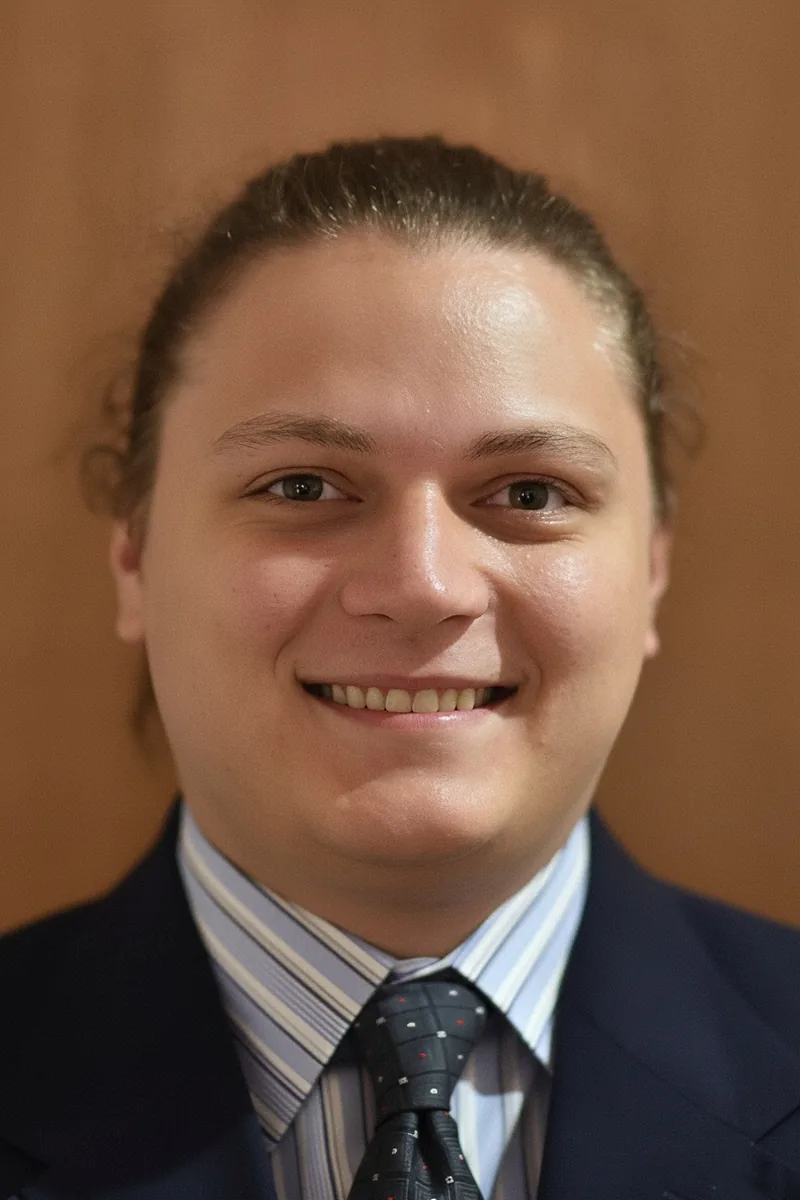
Creating a comfortable, low-pressure environment is central to how Adrian teaches — he's naturally attuned to students who need more processing time, alternative explanations, or simply patience that a crowded classroom doesn't offer. He adapts math and reading concepts into smaller, scaffolded steps, checking understanding at each stage before moving forward so nothing gets lost in translation.

Maurice earned his Master's in Special Education specifically to understand how different learners process information — and he builds that knowledge into every session. Whether a student needs modified pacing, multi-sensory instruction, or alternative ways to demonstrate understanding, he designs lessons around how each individual actually learns rather than forcing a one-size-fits-all approach.
Mati brings both professional and personal insight to special education — her doctoral work centered on learning disabilities, and as a mother of two children with dyslexia, she's navigated IEP meetings, accommodation plans, and reading interventions from every side of the table. She teaches strategies for decoding, multisensory learning, and self-advocacy that address the specific barriers a student faces. Rated 5.0 by students.
I am a teacher who is certified in all core subjects for grades 4 through 8, Special Education, and English as a Second Language. I am eager for the opportunity to tutor you or your student, because I feel that small group instruction is the single best tool in increasing understanding. I love lesson design and as your tutor, I will be sure to work with you to create lessons that you find both engaging and effective.
Brendan holds a Master's in Special Education, which means he's trained in differentiated instruction, IEP goal alignment, and evidence-based interventions for learning disabilities like dyslexia and dyscalculia. He adapts lessons to match each student's processing style — whether that means multisensory math manipulatives, graphic organizers for writing, or modified pacing for reading tasks. His experience spans a wide range of ages and ability levels.
Laura's low-pressure tutoring style is deliberate, not accidental — she paces sessions around each student's comfort level and adjusts explanations on the fly when something isn't landing. Her range across math, science, reading, and writing means she can support students with diverse learning needs without constantly switching tutors. That flexibility, combined with her 5.0 rating, speaks to her ability to adapt material rather than force a one-size-fits-all approach.
Lena's daily experience as a middle school teacher means she's practiced at adapting lessons on the fly when a student needs a different entry point into material. She breaks tasks into smaller, clearly sequenced steps and uses patient repetition and multi-sensory techniques to reinforce skills in reading, writing, and math. Her approach prioritizes building confidence alongside academic progress.
Five years of working specifically with students who have learning differences — dyslexia, ADHD, processing disorders — taught Sydney that the content isn't usually the problem; it's the delivery. She redesigns how material is presented, using multisensory techniques and scaffolded instructions so that a student with an IEP or 504 plan can access the same curriculum their classmates see. Rated 4.9 by families.
Twelve years of combined elementary and special education classroom experience give Elizabeth a deep understanding of how learning differences like dyslexia, ADHD, and processing disorders actually show up in day-to-day schoolwork. Now working as an Educational Diagnostician, she identifies where a student's learning profile creates specific barriers and adapts instruction accordingly — adjusting pacing, breaking multi-step tasks into manageable pieces, and choosing strategies matched to how each learner processes information.
Trained in special education at Vanderbilt and currently teaching in the field, Alexandra designs instruction around how each learner processes information — not around a one-size-fits-all curriculum. She adapts materials for students with learning disabilities, ADHD, and other differences, breaking academic content into manageable, scaffolded steps that build genuine understanding.
Every learner processes information differently, and Ominira's master's degree in Multicultural Education gave her deep training in adapting instruction to fit diverse cognitive and linguistic needs. She breaks down assignments into structured, manageable steps — whether that means scaffolding a reading passage or using visual models for math concepts — so students with IEPs or 504 plans can access grade-level content with confidence.
Victoria spent three years as a certified classroom teacher through Teach for America, working with first through third graders who had a wide range of learning needs, including IEP-supported students. She adapts lessons to different processing styles and paces, breaking academic content into structured, manageable steps that build genuine understanding rather than frustration.
Every learner processes information differently — some through auditory explanation, some through visual mapping, others through hands-on activity — and Harry builds each session around identifying what actually works for that student. His background in theater and education at Northwestern trained him to read an audience and adapt in real time, a skill that translates directly to adjusting pacing, modality, and complexity for students with diverse learning needs.
Max's psychology degree and his experience tutoring students from varied backgrounds in West Philadelphia gave him practical insight into how different learners process information. He adapts pacing, breaks concepts into smaller steps, and uses multisensory techniques to make material accessible across subjects. His patience and structured approach — reflected in a 5.0 client rating — make him especially effective with students who need individualized support.
Testimonials
Because the right Special Education tutor makes all the difference.
Average Session Rating – Based on 3.4M Learner Ratings
Other Mesa Tutors
Frequently Asked Questions
Special education tutoring addresses individualized learning needs for students with disabilities, learning differences, or developmental delays. Tutors work with students across various areas including reading and literacy, math, executive functioning, social-emotional skills, and speech-language support. The focus is on meeting each student where they are and building confidence while working toward their specific IEP (Individualized Education Program) goals.
Personalized tutoring complements IEP services by providing targeted, one-on-one instruction focused on your student's specific goals and learning style. Tutors can work directly with your student's IEP team, review documented goals, and use strategies recommended by special educators and therapists. This coordination ensures tutoring reinforces classroom learning and helps students make measurable progress toward their IEP objectives.
While classroom special education provides essential services and accommodations, personalized tutoring offers dedicated one-on-one attention tailored entirely to your student's pace and learning preferences. With a typical student-teacher ratio of 15.7:1 in Mesa schools, classroom teachers manage many students simultaneously. Tutors can spend focused time on specific skill gaps, use multisensory approaches, break concepts into smaller steps, and adjust strategies in real time based on your student's response.
Students often struggle with foundational skills like phonemic awareness, decoding, and basic math facts, which can compound into larger gaps over time. Many also face challenges with executive functioning—organization, time management, and working memory—that impact academic performance across subjects. Social-emotional difficulties, attention regulation, and building confidence after repeated academic struggles are equally important to address. Personalized tutoring can target these specific areas with proven strategies like explicit instruction, frequent practice opportunities, and immediate feedback.
The first session focuses on getting to know your student, understanding their strengths, learning style, and specific challenges. Tutors will review any available information about your student's IEP, previous assessments, or documented learning differences to establish a baseline. This initial meeting helps tutors develop a personalized plan and identify the best instructional approaches, so subsequent sessions can begin making targeted progress on your student's priority goals.
Varsity Tutors connects you with tutors who have specialized training and experience in special education, learning disabilities, and evidence-based intervention strategies. When you describe your student's specific needs—whether that's dyslexia support, autism-friendly instruction, ADHD strategies, or speech-language reinforcement—we match you with tutors qualified in those areas. You can discuss your student's IEP goals and learning style to ensure the right fit from the start.
Tutors use progress monitoring tools and regular check-ins to track measurable improvements in targeted skills. You'll see concrete evidence through work samples, skill assessments, and documented progress toward IEP goals. Many tutors also provide session summaries and feedback so you can reinforce learning at home and communicate progress to your student's IEP team and classroom teachers.
Frequency depends on your student's specific needs, IEP goals, and the skill gaps being addressed. Some students benefit from 1-2 sessions per week for targeted support, while others may need more intensive instruction. Tutors can recommend a schedule based on your student's current performance level and the complexity of skills being taught, and you can adjust frequency as progress is made.
Let’s find your perfect tutor
Answer a few quick questions. We’ll recommend the right plan and match you with a top 5% tutor.