Award-Winning Reading Tutors
serving Houston, TX
Award-Winning
Reading
Tutors in Houston
Private 1-on-1 tutoring, weekly live classes for academic support, test prep & enrichment, practice tests and diagnostics, and more to elevate grades and test scores.
Based on 3.4M Learner Ratings
UniversitiesSchools & Universities
DeliveredHours Delivered
ProficiencyGrowth in Proficiency
Who needs tutoring?
No obligation. Takes ~1 minute.
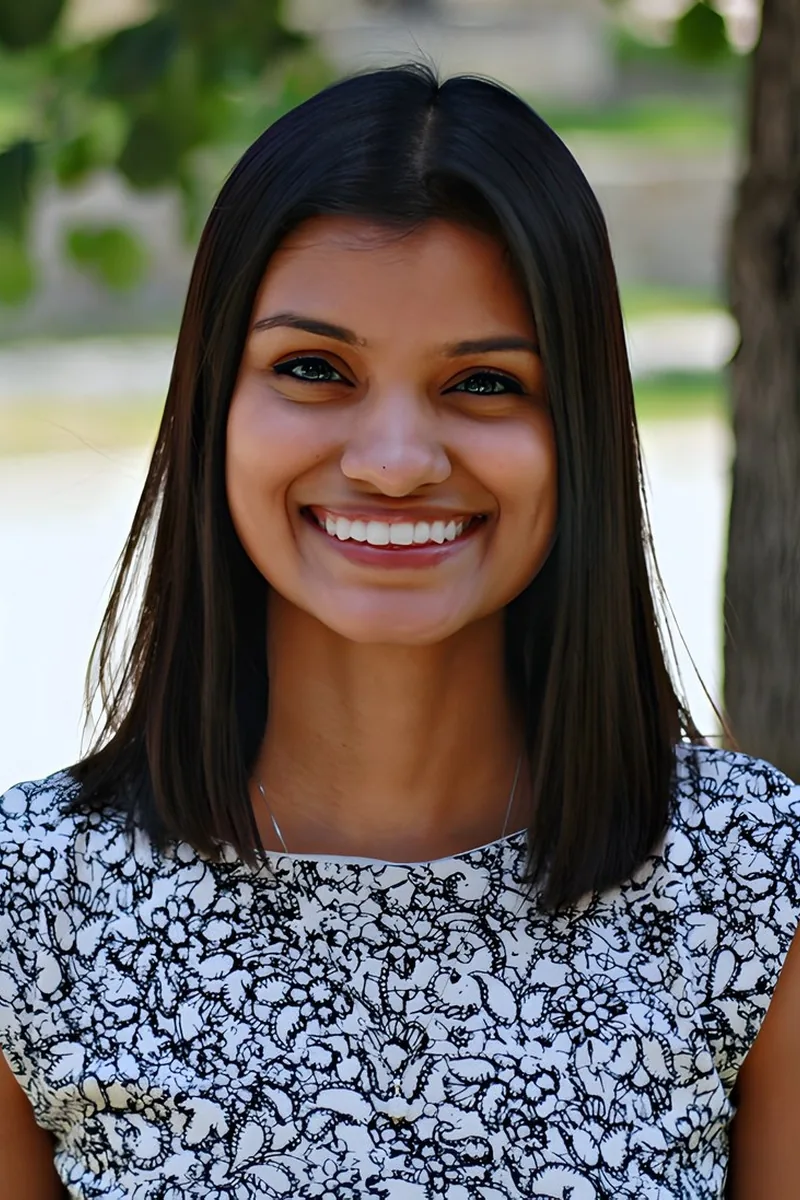
A background in cognitive science means Sugi understands how the brain processes text — why some students lose track of an author's argument mid-paragraph, and what strategies actually improve comprehension and retention. She teaches concrete techniques like annotation mapping and active questioning that turn passive reading into engaged analysis. Her perfect ACT score confirms she practices what she teaches.

Years of analyzing dense academic texts in art history and archaeology trained Elena to extract key arguments quickly, distinguish main ideas from supporting detail, and recognize how authors structure their reasoning. She applies those same active-reading strategies to students working on comprehension — teaching them to annotate effectively, identify context clues for unfamiliar vocabulary, and summarize passages in their own words before answering questions.
Juggling an Economics and Biochemistry double major at Rice means Jennifer switches between financial analyses and molecular biology papers daily — two genres that demand completely different reading strategies. She teaches students how to adapt their approach based on what's in front of them, whether that's pulling data from a chart-heavy textbook chapter or tracking a narrative arc through a novel. Rated 4.9 by students.
An honors English graduate from Westmont College and a lifelong reader, Andria breaks down reading comprehension into concrete skills — identifying an author's purpose, tracking how arguments develop across paragraphs, and making inferences from context clues. She tailors her approach to each student's reading level, whether they're building fluency or learning to analyze more complex texts.
Comprehension improves dramatically once a student learns to read actively — annotating, questioning the author's choices, and connecting new information to what they already know. Malcolm applies these strategies across fiction and nonfiction, teaching students to identify main ideas, evaluate arguments, and make inferences rather than just scanning for surface-level answers. His own reading habits range widely, from scientific literature to novels, which keeps his approach flexible.
Bioengineering textbooks don't let you skim — every diagram caption, every methods section, every results paragraph demands that you actually extract meaning or you're lost. Casey learned to read that way through three science degrees, and she applies that same discipline to teaching comprehension: breaking a passage into its moving parts, identifying what the author wants you to take away, and building the habit of reading actively instead of passively scanning. Her background in writing and literature rounds out the technical side with an ear for tone and style.
Breaking down a dense passage starts with knowing what to look for — main claims, shifts in tone, the way an author structures evidence. Jocelyn teaches active reading strategies that turn a wall of text into something students can annotate, question, and actually retain. She's worked with readers at every level, from those building basic comprehension to advanced students tackling complex literary analysis.
Years of analyzing dense art history texts at Vanderbilt trained Sarah to break down complex passages quickly — identifying an author's argument, tracking how evidence supports it, and recognizing rhetorical moves. She brings that same close-reading discipline to students working on comprehension, annotation strategies, and pulling meaning from unfamiliar material.
Strong reading instruction looks different at every level, and JeKaya's experience across Pre-K through fifth grade means she can adapt quickly — whether a student needs support with decoding, fluency, or deeper comprehension strategies like making inferences and identifying main ideas. She uses targeted questioning during reading to build the kind of active thinking that turns a reluctant reader into an engaged one.
Psychology training at Rice sharpened Enstin's ability to read critically — pulling apart an author's assumptions, identifying how arguments are structured, and distinguishing evidence from opinion. He applies those same analytical habits when teaching reading comprehension, showing students how to annotate actively and extract meaning from dense or unfamiliar texts.
Three years volunteering and teaching kids ages 3–12 in a nonprofit setting meant Frances was constantly adapting how she presented stories, instructions, and new vocabulary to readers at wildly different levels — some just learning to connect letters to sounds, others ready to summarize a chapter on their own. That experience, paired with her Rice University training in analytical thinking, gives her a structured but flexible approach to building comprehension skills one concrete step at a time. Rated 5.0 by students.
Finishing a book a week — a habit Mostafa has maintained for years — builds the kind of fluency that's hard to fake: he reads fast, retains details, and naturally picks up on how different authors structure their ideas. His engineering background adds an analytical edge, teaching students to break a passage into its moving parts and figure out how each paragraph connects to the next. The religion degree deepens that further, since theological texts demand careful attention to layered meaning and interpretation.
Testimonials
Because the right Reading tutor makes all the difference.
Average Session Rating – Based on 3.4M Learner Ratings
Nearby Reading Tutors
Other Houston Tutors
Related English Tutors in Houston
Frequently Asked Questions
Many Houston students struggle with reading comprehension, especially when tackling complex texts or dense material. Others find it difficult to identify main ideas, make inferences, or analyze how authors use literary devices. Some students read at a slower pace or lack confidence in their ability to understand what they're reading. Personalized 1-on-1 instruction can address these specific gaps by breaking down challenging texts and building strategies tailored to each student's learning style.
Expert tutors work with students to develop active reading strategies like annotating text, asking clarifying questions, and summarizing key points. They help students understand how to identify main ideas versus supporting details, recognize text structure, and make connections between ideas. Through guided practice with age-appropriate texts, students build confidence and develop habits that transfer across all their reading assignments. Regular feedback and targeted practice in areas of weakness accelerate improvement significantly.
Literary analysis tutoring teaches students how to examine texts closely—looking at character development, theme, symbolism, point of view, and how an author's word choices create meaning. Tutors guide students through the process of moving from observation (what's happening in the text) to interpretation (what it means). This skill is essential for success in middle and high school English classes, AP Literature, and college-level coursework. Personalized instruction helps students develop their own analytical voice rather than relying on SparkNotes summaries.
During an initial session, a tutor will assess the student's current reading level, identify specific challenges, and learn about their goals—whether that's improving grades, preparing for standardized tests, or building confidence. The tutor may ask the student to read a passage aloud or silently and discuss what they understood, which reveals comprehension gaps and reading pace. This foundation allows the tutor to create a personalized plan focused on the student's unique needs rather than a one-size-fits-all approach.
Yes. Reading sections on standardized tests like the SAT, ACT, and state assessments require specific strategies beyond everyday reading skills. Tutors teach test-taking techniques like managing time, identifying question types, eliminating wrong answers, and finding evidence in the text. They also help students build the vocabulary and background knowledge that make passages easier to understand. With targeted practice and feedback, students typically see measurable improvements in their reading scores.
Varsity Tutors connects students with reading tutors across all grade levels—from elementary students building foundational skills to high school students tackling complex texts and college prep materials. The approach changes based on developmental stage: younger students might focus on phonics, fluency, and comprehension, while older students work on analysis, inference, and critical thinking. Tutors adjust their teaching methods and material selection to match each student's age, reading level, and academic goals.
Many students who struggle with reading develop negative associations with it, which makes improvement harder. A tutor can help by selecting engaging texts that match the student's interests, breaking reading into manageable chunks, and celebrating small wins. By building comprehension skills and confidence in a supportive environment, students often discover that reading becomes easier and more enjoyable. Personalized instruction removes the frustration that often keeps reluctant readers from engaging with books.
Varsity Tutors connects Houston students with expert reading tutors who match your student's grade level, goals, and learning style. You can share details about what your student needs help with—whether it's building foundational skills, improving comprehension, or preparing for a test—and we'll match them with a qualified tutor. The process is straightforward, and you can get started with personalized 1-on-1 instruction designed specifically for your student's needs.
Let’s find your perfect tutor
Answer a few quick questions. We’ll recommend the right plan and match you with a top 5% tutor.