Award-Winning Phonics Tutors
serving Columbus, OH
Phonics
Tutors in Columbus
Private 1-on-1 tutoring, weekly live classes for academic support, test prep & enrichment, practice tests and diagnostics, and more to elevate grades and test scores.
Based on 3.4M Learner Ratings
UniversitiesSchools & Universities
DeliveredHours Delivered
ProficiencyGrowth in Proficiency
Who needs tutoring?
No obligation. Takes ~1 minute.
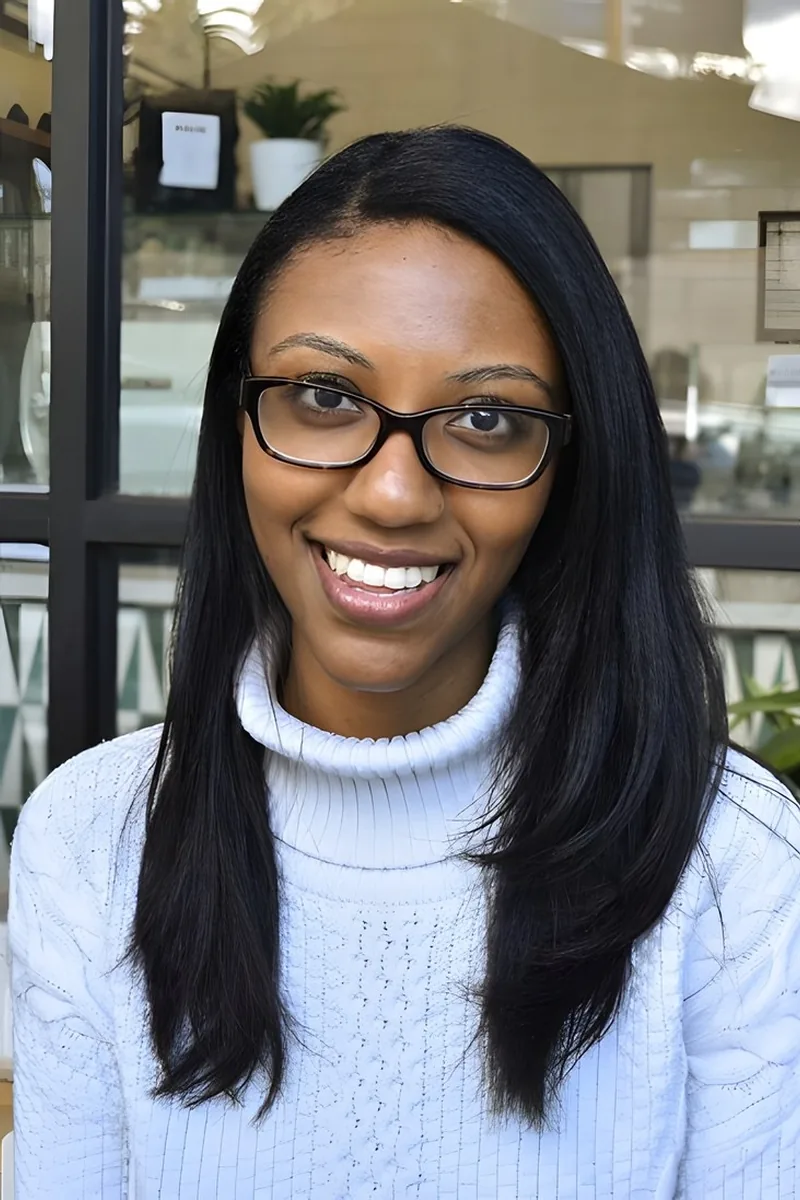
A certified early childhood educator with a Child Development degree from Yale, Arielle teaches phonics by connecting letter-sound relationships to actual reading — blending, segmenting, and decoding words in context rather than drilling isolated sounds. Her three years of classroom teaching mean she knows how to spot when a young reader is guessing from pictures instead of sounding out, and she addresses those habits early.
Teaching English to speakers of other languages — Zoe's graduate specialty — means constantly breaking down the sound system that native speakers take for granted, which is exactly what phonics instruction demands. Her ESL background gives her practiced techniques for making vowel distinctions, consonant blends, and spelling patterns explicit to learners who can't yet rely on intuition to decode unfamiliar words. Rated 4.7 by clients.
Early readers need to hear and feel how sounds map to letters before decoding can become automatic — blending /sh/ and /ch/, recognizing long versus short vowels, sounding out consonant clusters. Diana has taught phonics to kindergarteners and first graders in the classroom and understands the precise sequence of skills that moves a child from letter recognition to fluent reading.
An effective educator must be able to recognize each individual student's learning style and to adapt the lesson to accommodate that style. Also, each student has a different rate of learning. Thus, the lessons must be directed not only towards ensuring the student masters the material but also keeps the student engaged in and enthusiatic about the education process. Finally, the effective tutor must remember that the end goal of the learning process is not only to master a defined set of knowledge and skills, but also to learn "how to learn;" in this way the student will be better equipped to thrive in an ever changing environment.
Early readers need to crack the code between letters and sounds before anything else clicks. Melanie breaks down blending, digraphs, and vowel patterns into small, repeatable steps, building the kind of decoding confidence that turns sounding out words into genuine fluency over time.
I am a seasoned educator with over 14 years of teaching experience. I currently am a middle school principal but have taught grades 3-college. I am no stranger to Common Core and can help students master material with tried and true strategies!
Early readers need someone who understands how letter combinations map to sounds — blends, digraphs, long and short vowel patterns. Grace's Early Childhood Education training at Miami University gives her a toolkit of multi-sensory strategies for teaching decoding skills that stick. Rated 5.0 by students.
Learning to decode words is the foundation of every reading skill that follows, and Megan's classroom experience with younger learners means she understands how to teach letter-sound relationships, blending, and sight words in a way that sticks. She adjusts pacing based on each child's progress rather than pushing through a rigid sequence, keeping early readers confident as the sounds get more complex.
Teaching grades 4–9 means McKenna regularly encounters the students who slipped through early phonics instruction without fully mastering vowel patterns or multisyllabic decoding — the ones who can read some words but hit a wall with unfamiliar ones. Her middle childhood education training gives her a developmental lens for pinpointing exactly which sound-letter connections are shaky and rebuilding them without making older readers feel like they're starting over. Rated 4.5 by clients.
I am a music and arts industry professional with over 20 years experience working in a variety of settings. It would be my pleasure to help you achieve your academic and musical goals.
Decoding words is the gateway to independent reading, and Anniessa approaches phonics with the patience and precision her ESL training demands. She breaks down letter-sound relationships, blending, and sight-word recognition using multisensory techniques that keep young readers engaged rather than frustrated. Her 5.0 rating speaks to how well that approach lands with families.
Strong reading starts with decoding — understanding how letter combinations map to sounds and how those sounds build into words. Christopher brings patience and structure to phonics instruction, working through blends, digraphs, and vowel patterns in a way that builds real fluency over time. His broad humanities background makes him especially good at connecting phonics drills to actual reading and storytelling, keeping young learners engaged.
Early readers need to hear the logic inside English spelling — why 'ph' sounds like 'f,' how silent-e changes a vowel, and when two consonants blend versus stay separate. Kashish brings patience and structured repetition to phonics instruction, breaking decoding skills into small, confidence-building steps. Her 5.0 rating speaks to how well she connects with younger learners.
Early readers need someone who understands exactly where decoding breaks down — whether it's blending consonant clusters, distinguishing long and short vowel patterns, or tackling tricky digraphs like 'ough.' Molly has spent three years teaching 2nd through 4th graders in the classroom, including reading intervention, so she recognizes which phonics gaps are holding a child back and addresses them systematically.
Early readers need to hear and feel the patterns in language before decoding makes sense — blending consonant clusters, distinguishing long and short vowel sounds, recognizing common sight words. Ingrid brings patience and structured repetition to phonics instruction, using multisensory techniques that build reading confidence one sound at a time.
Understanding how the brain processes language isn't just theory for Giovanna — her Penn degree in Cognitive Neuroscience covered the science behind how children learn to decode words. She applies that knowledge to phonics instruction, teaching letter-sound relationships, blending, and digraphs in a systematic way that builds real reading fluency.
Early readers need more than letter-sound drills; they need to understand how blends, digraphs, and vowel teams work together to unlock unfamiliar words. Sarah's education background informs her approach to phonemic awareness, building decoding skills systematically so young learners gain genuine independence with text.
Early readers need to hear and feel how letters map to sounds before reading becomes automatic, and Yasemin's ESL teaching experience makes her especially skilled at breaking that process down. She uses blending drills, vowel-pattern sorting, and word-family exercises to build decoding skills systematically. Her patience with learners at every level — from letter recognition through multisyllabic words — keeps young readers engaged rather than frustrated.
Early readers need someone patient enough to sit with each sound-letter connection until it clicks. Michelle's experience tutoring elementary students in NYC, combined with her deep background in reading and writing across two degrees, means she understands how phonemic awareness — blending, segmenting, decoding — builds the foundation for everything that comes after. She keeps lessons structured but playful, adapting to each child's pace.
Early readers need to hear the connection between letters and sounds before they can decode words on their own. Yocheved teaches phonics through engaging, multi-sensory activities — blending drills, rhyming games, and word-family sorting — that turn letter-sound relationships into something a child can feel confident about from the very first session.
Early readers need someone patient enough to sit with the mechanics of blending, segmenting, and sounding out words until the patterns click. Bina teaches phonics by connecting letter-sound relationships to actual reading practice, so children move from decoding individual syllables to reading full sentences with confidence.
Learning to read starts with cracking the code — connecting letter combinations like 'sh,' 'th,' and silent-e patterns to the sounds they actually make. Subashini brings the same patient, step-by-step approach she uses in science teaching to phonics, breaking down blends and digraphs so young learners build real decoding confidence.
Testimonials
Because the right Phonics tutor makes all the difference.
Average Session Rating – Based on 3.4M Learner Ratings
Other Columbus Tutors
Related English Tutors in Columbus
Frequently Asked Questions
Phonics is the method of teaching students to read by connecting letters and letter combinations with their sounds. It's a foundational skill that helps students decode unfamiliar words independently, rather than relying solely on memorization or context clues. Strong phonics skills in early grades are directly linked to reading fluency and comprehension throughout a student's academic career.
Many students struggle with letter-sound correspondence, blending sounds together into words, and understanding irregular or "sight" words that don't follow standard phonetic patterns. Others find it difficult to apply phonics rules consistently across different words, or they may have trouble distinguishing similar sounds like short vowels. These challenges are completely normal and respond well to targeted, systematic instruction.
In a classroom with a 19.7:1 student-teacher ratio like many Columbus schools, teachers must move at a pace that works for the whole group. Personalized 1-on-1 phonics instruction allows tutors to slow down for concepts that need more practice, speed up when a student is ready, and target the specific phonetic patterns or rules causing difficulty. This customized approach means students get immediate feedback and can build confidence faster.
Phonics instruction typically begins in kindergarten and continues through second or third grade, though some students benefit from phonics support into upper elementary grades. Students who are struggling readers, have been identified with dyslexia or reading difficulties, or are learning English as a second language often benefit significantly from phonics tutoring at any grade level. Tutors can assess where a student is in their phonics development and provide targeted support.
Varsity Tutors connects you with tutors who understand Ohio's learning standards and can work with your student's current curriculum and reading program. Whether your child's school uses a specific phonics approach or reading series, tutors can complement classroom learning, reinforce concepts being taught, and fill gaps where a student is falling behind. This alignment ensures tutoring supports rather than conflicts with what's happening in the classroom.
During the first session, a tutor will assess your student's current phonics knowledge—which letter sounds they know, how well they blend sounds, and where gaps exist. They'll also learn about your student's learning style, interests, and any specific challenges you've noticed. This foundation helps the tutor create a personalized plan and establish a pace that works for your child.
Measurable phonics progress includes improvements in letter-sound recognition speed, ability to blend sounds into words, reading accuracy on grade-level texts, and increased confidence when encountering new words. Tutors typically track progress through informal assessments and can share specific examples of words or phonetic patterns your student has mastered. You'll also likely notice your child reading more fluently and with better understanding at home.
Varsity Tutors makes it easy to connect with a phonics tutor who fits your family's needs and schedule. Simply tell us about your student's grade level, current reading level, and any specific challenges, and we'll match you with an expert tutor. You can start with a single session to see if it's a good fit, then build a tutoring plan that works for your family.
Let’s find your perfect tutor
Answer a few quick questions. We’ll recommend the right plan and match you with a top 5% tutor.