Award-Winning Microbiology Tutors
serving San Francisco, CA
Microbiology
Tutors in San Francisco
Private 1-on-1 tutoring, weekly live classes for academic support, test prep & enrichment, practice tests and diagnostics, and more to elevate grades and test scores.
Based on 3.4M Learner Ratings
UniversitiesSchools & Universities
DeliveredHours Delivered
ProficiencyGrowth in Proficiency
Who needs tutoring?
No obligation. Takes ~1 minute.
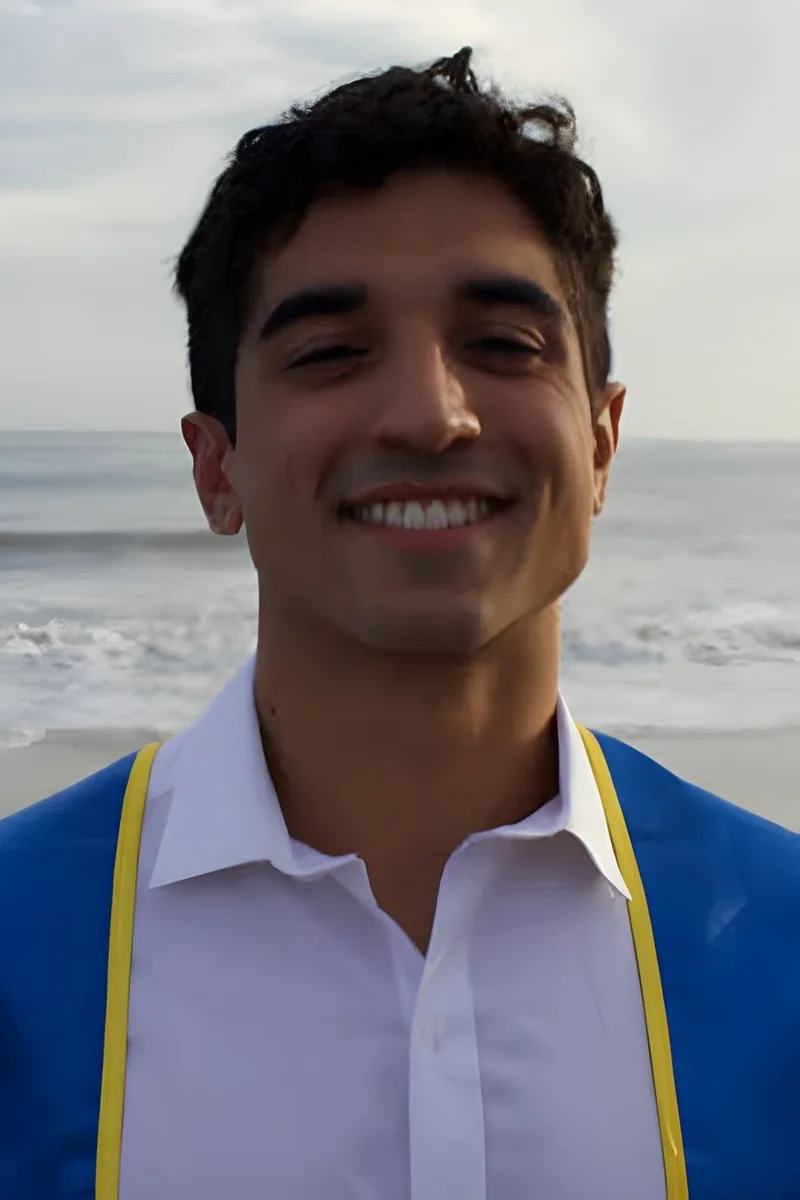
Kevin's honors biology degree from UC Santa Barbara included deep work with microbial systems — bacterial cell structure, metabolic pathways, and the mechanisms behind antibiotic resistance. He unpacks dense topics like gram staining protocols, viral replication cycles, and microbial genetics by connecting each process to its clinical or environmental significance. For pre-med students especially, he knows exactly which concepts carry forward into pathology and pharmacology.
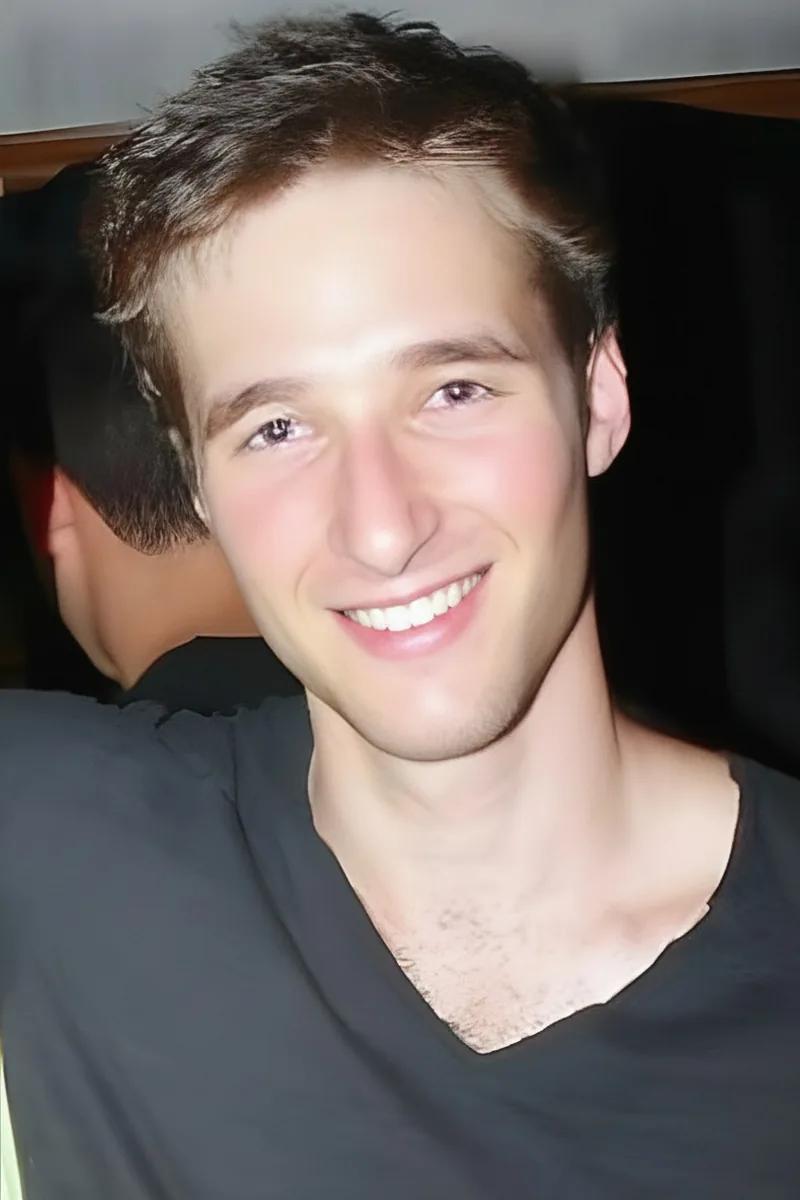
The trick with microbiology is that it sits at the intersection of biology, chemistry, and physics — and Nicholas actually teaches all three, which means he can trace a concept like bacterial membrane transport from the biological function down to the thermodynamics and chemical gradients driving it. His biology degree gave him the core training in cell structure and microbial physiology, while his physical chemistry and organic chemistry background lets him explain mechanisms like cell wall synthesis or metabolic pathways at the molecular level where they actually make sense.
Having completed his biology degree at UCLA with coursework in cell biology and physiology, Nathan can trace microbial processes — like how opportunistic pathogens exploit immune gaps or how metabolic differences between aerobic and anaerobic bacteria shape infection outcomes — back to the underlying biology. He also teaches anatomy, physiology, and nutrition, so he naturally frames microorganisms in terms of the body systems they colonize and disrupt.
Pre-med preparation means Fady has spent real time with the microbial world — learning how pathogens cause disease, how the immune system responds, and how microbial physiology ties into the bigger picture of human health. His biology degree and parallel coursework in anatomy, physiology, and chemistry let him trace concepts like bacterial structure and infection mechanisms back to the underlying science rather than treating them as disconnected vocabulary lists.
A Harvard-trained biologist with classroom teaching experience, Elizabeth digs into microbial structure, metabolism, and pathogenesis with genuine enthusiasm for the subject. She's particularly strong at connecting micro-level processes — bacterial gene regulation, viral replication cycles — to the bigger biological picture. Her science teaching background means she can unpack dense material without losing the thread.
Understanding bacterial metabolism, viral replication cycles, and immune response pathways requires more than memorizing diagrams — it requires seeing how microorganisms interact with living systems. Li's training in both speech-and-hearing science and medicine gives her a clinical lens that makes microbiology concepts feel relevant and interconnected.
A Stanford-trained biologist, Abhinav digs into microbiology topics like bacterial cell structure, metabolic pathways, and host-pathogen interactions with the detail they demand. He connects concepts across scales — linking molecular mechanisms like quorum sensing to broader outcomes like biofilm formation — so students see microbiology as a story rather than a catalog of organisms.
Between her Columbia nutrition degree and her PA training at Rutgers, Victoria has spent years studying bacterial metabolism, host-pathogen interactions, and immune responses at the cellular level. She unpacks microbiology concepts like gram staining protocols, virulence factors, and microbial genetics by tying them to clinical scenarios that make the material stick.
Bioengineering trains you to think about microorganisms as systems — how bacterial metabolism, gene regulation, and surface interactions can be modeled, measured, and manipulated. Casey applies that engineering mindset to microbiology topics like growth kinetics and sterilization techniques, breaking down each process into the quantitative and biological components that actually explain it. Her parallel background in physiology and organic chemistry lets her trace microbial behavior from the molecular scale up to host-level effects.
A molecular biology degree means Jeff spent his undergrad digging into the cellular machinery that microbiology depends on — how organisms replicate, express genes, and interact at the molecular level. He applies that training to topics like bacterial pathogenesis and microbial genetics, breaking down mechanisms rather than treating them as lists to memorize. Rated 5.0 by students.
Rebecca tutored microbiology throughout her time at Cornell while completing her biological sciences degree, so she knows exactly where students get lost — distinguishing bacterial metabolic pathways, interpreting Gram stain results, or connecting virulence factors to clinical outcomes. She teaches the subject by building a logical framework around microbial structure and function, which makes memorizing hundreds of organisms far more manageable.
As a second-year medical student with an undergraduate degree in Molecular, Cell, & Developmental Biology from UCLA, Vinay brings clinical context to microbiology topics like bacterial pathogenesis, viral replication cycles, and antimicrobial resistance mechanisms. He connects each organism's structure to its behavior — explaining *why* gram-negative bacteria respond differently to antibiotics, not just *that* they do. His pharmacology knowledge adds an extra layer for students studying micro in a pre-health context.
Studying microbiology at the college level means juggling bacterial classification, metabolic pathways, virulence factors, and immune response mechanisms all at once. Kristin earned her biology degree at the University of Chicago and now applies microbiology daily in her nursing graduate program at Penn, where pathogen behavior and infection control are part of clinical reality rather than just textbook diagrams.
Medical school gave Kruti an unusually practical understanding of microbiology — she learned bacteria, viruses, fungi, and parasites not as abstract taxonomy but as organisms that cause specific diseases through specific mechanisms. She digs into concepts like virulence factors, antibiotic resistance pathways, and immune evasion strategies with the kind of detail that sticks. Students preparing for college-level micro exams or USMLE-style questions get someone who's recently navigated both.
Environmental science and public policy might seem distant from microbiology, but Ethan's coursework in biology, chemistry, and ecology covered the microbial ecology and nutrient cycling that underpin environmental systems — how soil bacteria drive nitrogen fixation, how waterborne pathogens behave in different conditions, and why microbial communities matter for public health policy. That environmental angle gives him a unique way of explaining concepts like bacterial metabolism and population dynamics, grounding abstract processes in real-world ecological contexts. Holds a 5.0 rating.
Before starting her doctoral work at Princeton, Edna spent time in an immunology and genetics laboratory where microbial behavior wasn't theoretical — it was daily benchwork. She digs into bacterial structure, viral replication cycles, and host-pathogen interactions with the kind of detail that comes from having actually cultured organisms and interpreted experimental results. Her Columbia public health training adds an epidemiological lens that connects micro-scale biology to real-world disease patterns.
Testimonials
Because the right Microbiology tutor makes all the difference.
Average Session Rating – Based on 3.4M Learner Ratings
Nearby Microbiology Tutors
Other San Francisco Tutors
Related Science Tutors in San Francisco
Frequently Asked Questions
Microbiology covers a broad range of topics, and tutors help students master everything from bacterial cell structure and metabolism to viral pathogenesis, immunity, and ecological roles of microorganisms. Common areas where students seek support include understanding prokaryotic vs. eukaryotic cells, gram staining procedures, microbial genetics, fermentation pathways, and how microbes interact with human health. Tutors work with students to connect these concepts to real-world applications—whether that's antibiotic resistance, food safety, or environmental microbiology—so the material feels relevant and memorable rather than just abstract memorization.
Lab work is where microbiology becomes tangible, and tutors help you understand both the 'how' and the 'why' behind experimental design. They can explain proper aseptic technique, help you interpret your results, and walk you through troubleshooting when cultures don't behave as expected. Beyond just getting through the lab, a tutor helps you develop scientific reasoning skills—asking why you're using specific stains, what would happen if you changed a variable, or how your observations connect to the theory you learned in class. This deeper understanding translates directly to better lab reports and stronger performance on practical exams.
Absolutely. While microbiology does involve learning new vocabulary and facts, tutors focus on building conceptual frameworks so you're understanding relationships rather than memorizing lists. For example, instead of just memorizing different bacterial shapes, a tutor helps you understand how shape relates to surface area, nutrient transport, and survival advantages. They use visual models, analogies, and real-world examples to make abstract concepts concrete. When you understand the 'why' behind a concept, you retain it longer and can apply it to new situations—like predicting how a mutation might affect bacterial growth or understanding why certain antibiotics work against specific organisms.
Visualization is key in microbiology since you're often studying structures and processes you can't see with the naked eye. Tutors use multiple strategies: interactive diagrams, 3D models, animations, and scaled analogies that make the microscopic world tangible. For instance, when studying how a virus infects a cell, a tutor might walk through the process step-by-step using visuals, then relate it to something familiar like a key fitting into a lock. They also help you practice drawing and labeling structures from memory, which strengthens your understanding and boosts exam performance. The goal is moving from 'I memorized the names' to 'I can picture exactly what's happening and explain it.'
Varsity Tutors connects San Francisco students with expert tutors who have specialized knowledge in microbiology. When you get matched with a tutor, you can discuss your specific needs—whether you're preparing for an AP Biology exam with a microbiology focus, working through a college-level Microbiology course, or tackling challenging lab work. Tutors can customize lessons to match your learning style and pace, whether you need help with foundational concepts, exam preparation, or deeper understanding of specific topics. The personalized 1-on-1 instruction means your tutor focuses entirely on you, not a classroom of 20+ students like you might experience in San Francisco's schools (which average a 20.2:1 student-teacher ratio).
Balancing equations is a crucial skill in microbiology, especially when studying metabolic pathways like aerobic respiration, fermentation, and photosynthesis. Tutors break down the process into manageable steps, teaching you the systematic approach rather than trial-and-error guessing. They help you understand what you're actually balancing (atoms and charges) and why it matters biologically—for example, understanding why the ATP yield differs between aerobic and anaerobic respiration. With guided practice and immediate feedback, you build confidence and develop the pattern recognition skills that make balancing feel intuitive rather than frustrating.
Beyond teaching facts and concepts, tutoring develops your ability to think like a scientist. This means learning to ask good questions, design logical experiments to test hypotheses, interpret data critically, and revise your understanding based on evidence. For example, when studying antibiotic resistance, a tutor doesn't just explain the mechanism—they help you think through how evolutionary pressure drives resistance, predict what would happen in different scenarios, and evaluate the real-world implications. These scientific reasoning skills transfer beyond microbiology to other subjects and become invaluable in higher-level coursework and STEM careers. You're building a mindset of curiosity and critical thinking that serves you far beyond any single exam.
Let’s find your perfect tutor
Answer a few quick questions. We’ll recommend the right plan and match you with a top 5% tutor.