Award-Winning Math Tutors
serving Atlanta, GA
Award-Winning
Math
Tutors in Atlanta
Private 1-on-1 tutoring, weekly live classes for academic support, test prep & enrichment, practice tests and diagnostics, and more to elevate grades and test scores.
Based on 3.4M Learner Ratings
UniversitiesSchools & Universities
DeliveredHours Delivered
ProficiencyGrowth in Proficiency
Who needs tutoring?
No obligation. Takes ~1 minute.
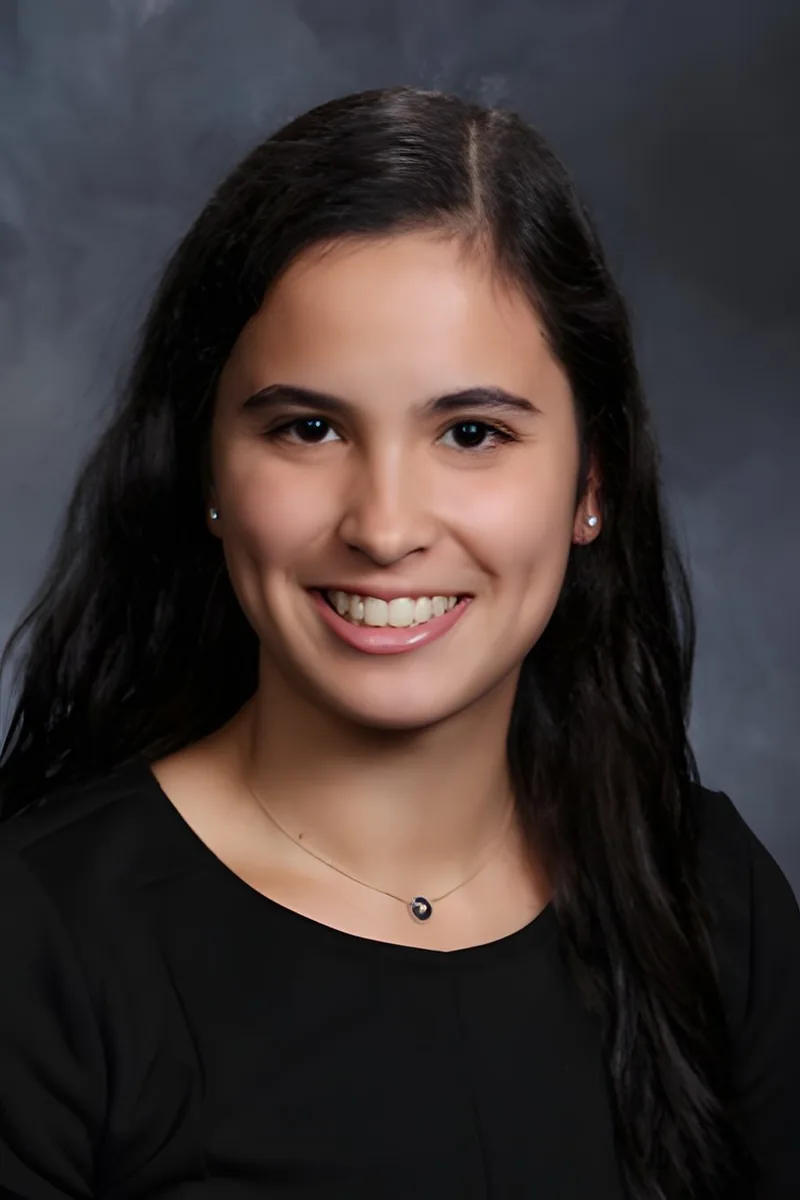
An MIT math graduate now pursuing a PhD in Operations Research at Georgia Tech, Isabella has spent years inside the subject from every angle — teaching it, studying it, and applying it. Whether a student is wrestling with fraction operations in sixth grade or limits in early calculus, she connects each concept to the bigger mathematical picture so the next topic feels like a natural extension, not a surprise.
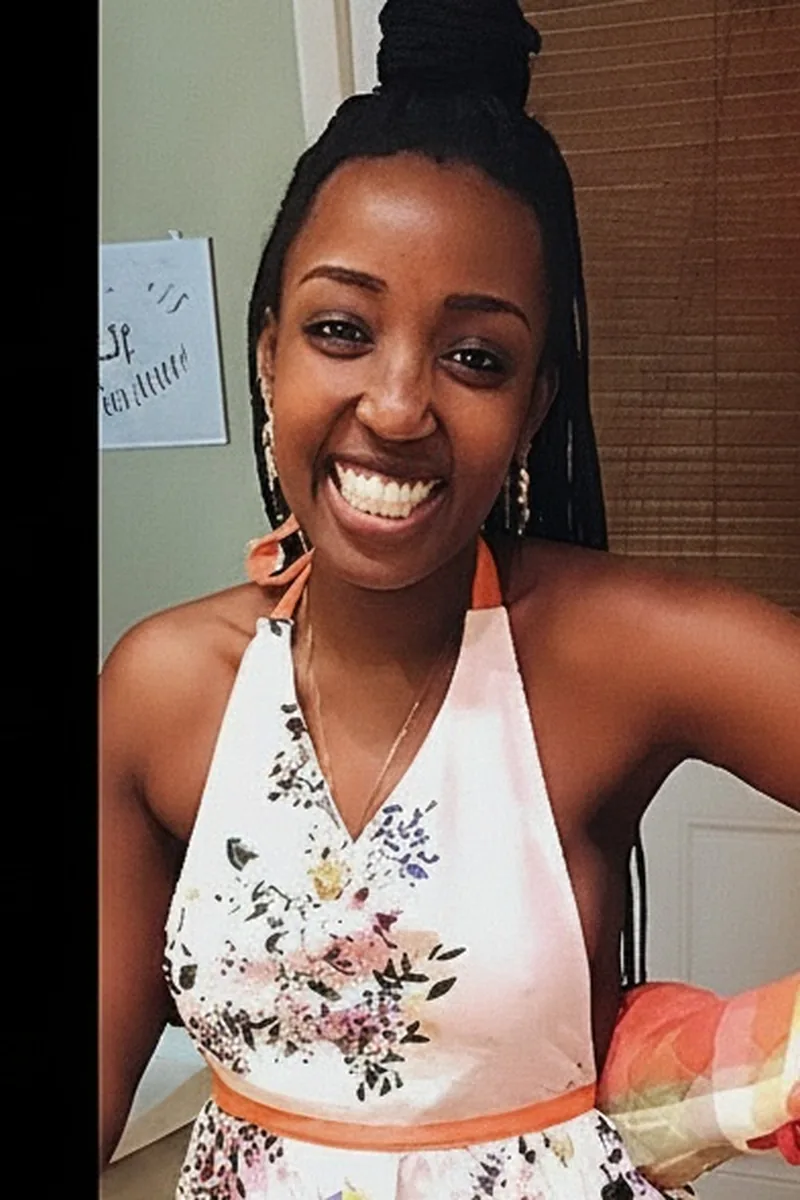
From fraction operations to polynomial expressions, the students who get stuck in math usually have one or two foundational gaps that snowball into confusion across every new topic. Marion diagnoses exactly where that breakdown happened and rebuilds the reasoning from there. Her 34 ACT and 1540 SAT confirm she has the quantitative chops to back up her teaching instincts.
Not every math tutor comes from an engineering background, and that can actually be an advantage. Jean approaches math the way a student who had to work at it would — breaking word problems into smaller logical steps, connecting arithmetic and algebraic concepts to practical reasoning, and building the kind of structured thinking her history and legal training demanded daily.
From fraction operations in elementary school to function notation in high school, Alice has seen the full spectrum of where math concepts break down — her time as a K-12 math center instructor gave her that range. She's especially good at reframing a problem so it connects to something a student already understands, turning abstract steps into reasoning that actually sticks.
From fraction operations in pre-algebra to integration techniques in calculus, Ilesh covers the full math pipeline and knows exactly where each concept feeds into the next. His Industrial Engineering degree from Georgia Tech required heavy coursework in linear algebra, probability, and applied calculus, so he explains not just the how but the why behind each method. He's rated 5.0 by students.
Robert's strengths sit squarely in reading, writing, and test prep — but his 1560 SAT required serious math performance, and that score doesn't happen without genuine command of algebra, data analysis, and problem-solving under pressure. As a Stanford-trained writer, he's particularly sharp at untangling word problems, teaching students to strip away the narrative and isolate the math underneath. Rated 5.0 by students.
Juliana's subject range spans pre-algebra through calculus, which means she understands how each math concept scaffolds onto the last — and where gaps from earlier years quietly cause problems later. She's especially skilled at translating word problems into equations, a stumbling block that trips up students who otherwise understand the mechanics just fine. Rated 5.0 by students.
Arithmetic operations, fractions, and early algebraic thinking can feel like a foreign language to students who never got a clear explanation the first time around. Ominira approaches math by connecting abstract procedures to concrete reasoning — showing why you flip and multiply when dividing fractions, for instance, instead of just drilling the rule. Her experience as a paraprofessional educator means she's spent real classroom time identifying exactly where students get stuck.
Award-winning performance in her math coursework at UGA isn't an accident — Hailey is a double major in mathematics and psychology, which means she understands both the content and how students actually learn it. Whether the challenge is fractions and proportions or polynomial equations, she breaks problems into reasoning steps that make the next problem easier to tackle on your own. Rated 5.0 by students.
A biochemistry degree requires serious math chops — Christopher spent years applying algebra, calculus, and statistical reasoning to problems in kinetics, thermodynamics, and data analysis at Rice. That background lets him explain not just how to solve a math problem but why a particular method works, which tends to stick better than memorized procedures. He's tutored students from elementary through college level, so he adjusts his explanations to match exactly where a student is in their math progression.
Years of actuarial work after earning a math degree from Vanderbilt gave David an unusual vantage point: he's used algebra, statistics, probability, and calculus to solve real problems with real stakes. That experience shapes how he teaches math at any level — connecting abstract procedures to concrete reasoning so students understand the why behind every step. Rated 5.0 by students.
From arithmetic through calculus, Bettina's engineering training means she's used every branch of math in practice — solving real systems, not just textbook exercises. She zeroes in on the specific concept a student is stuck on, whether that's fraction operations, linear equations, or function behavior, and explains the reasoning behind each step. Students walk away understanding the logic, not just the procedure.
Testimonials
Because the right Math tutor makes all the difference.
Average Session Rating – Based on 3.4M Learner Ratings
Practice Math
Free practice tests, flashcards, and AI tutoring for Math
Nearby Math Tutors
Other Atlanta Tutors
Related Math Tutors in Atlanta
Frequently Asked Questions
During the first session, a tutor will assess your current math level, understand your specific challenges (whether that's word problems, graphing, or multi-step equations), and learn about your learning style. They'll also discuss your goals—whether you're working toward a specific grade, preparing for a standardized test, or building foundational skills. This personalized approach helps tutors create a plan tailored to you, rather than following a one-size-fits-all curriculum.
Many students can follow steps but struggle to understand *why* those steps work—this gap often shows up in word problems and proofs. Tutors help bridge this by asking guiding questions that reveal the reasoning behind each step, showing you how different concepts connect, and using visual or real-world examples. When you understand the underlying patterns, you're better equipped to tackle unfamiliar problems and retain what you've learned long-term.
Showing work isn't just about getting points—it helps tutors see exactly where your thinking breaks down so they can target the right concept. It also builds your problem-solving skills by forcing you to organize your thoughts and check your reasoning at each step. Many students find that writing out their work actually helps them catch their own mistakes before they finish.
Math anxiety often stems from feeling lost or embarrassed about asking questions in a classroom setting. Personalized tutoring creates a judgment-free space where you can ask as many questions as you need and work at your own pace. When tutors break concepts into smaller, manageable pieces and celebrate small wins, students often find their confidence growing—and anxiety decreasing—as they start to see real progress.
Yes. Atlanta's 19 school districts use different approaches and materials, and tutors are experienced working across various curricula—whether your school uses traditional textbooks, Singapore Math, or other frameworks. When you connect with a tutor, let them know which curriculum your school uses, and they'll align their instruction to match your class materials and teaching style, making it easier to apply what you learn directly in the classroom.
Word problems require both math skills and reading comprehension, which is why many students struggle with them. Tutors teach problem-solving strategies like identifying what you know, what you're solving for, and which operations make sense—before jumping into calculations. With practice and feedback on your approach, you'll develop the confidence to break down complex problems into manageable steps rather than feeling overwhelmed by the text.
Graphing and proofs are visual and logical skills that often need more hands-on practice than a classroom allows. Tutors can slow down and work through multiple examples with you, helping you see the connection between equations and graphs, or guiding you through the logic of each step in a proof. With personalized feedback and repetition in a low-pressure setting, these challenging topics become much more manageable.
Varsity Tutors connects you with tutors who have expertise in the specific math topics you need help with and experience working with students at your level. When you describe your challenges and goals, you'll be matched with someone whose teaching style aligns with how you learn best. If it's not the right fit, you can always connect with a different tutor—the goal is to find someone who helps you actually understand math, not just get through homework.
Let’s find your perfect tutor
Answer a few quick questions. We’ll recommend the right plan and match you with a top 5% tutor.