Award-Winning Japanese Tutors
serving Houston, TX
Japanese
Tutors in Houston
Private 1-on-1 tutoring, weekly live classes for academic support, test prep & enrichment, practice tests and diagnostics, and more to elevate grades and test scores.
Based on 3.4M Learner Ratings
UniversitiesSchools & Universities
DeliveredHours Delivered
ProficiencyGrowth in Proficiency
Who needs tutoring?
No obligation. Takes ~1 minute.

Emily minored in Japanese at Texas A&M and continues to engage with the language through media and self-study. She teaches hiragana, katakana, and foundational grammar patterns like particle usage with the same structured approach she applies to her other languages, making the writing systems feel systematic rather than overwhelming.
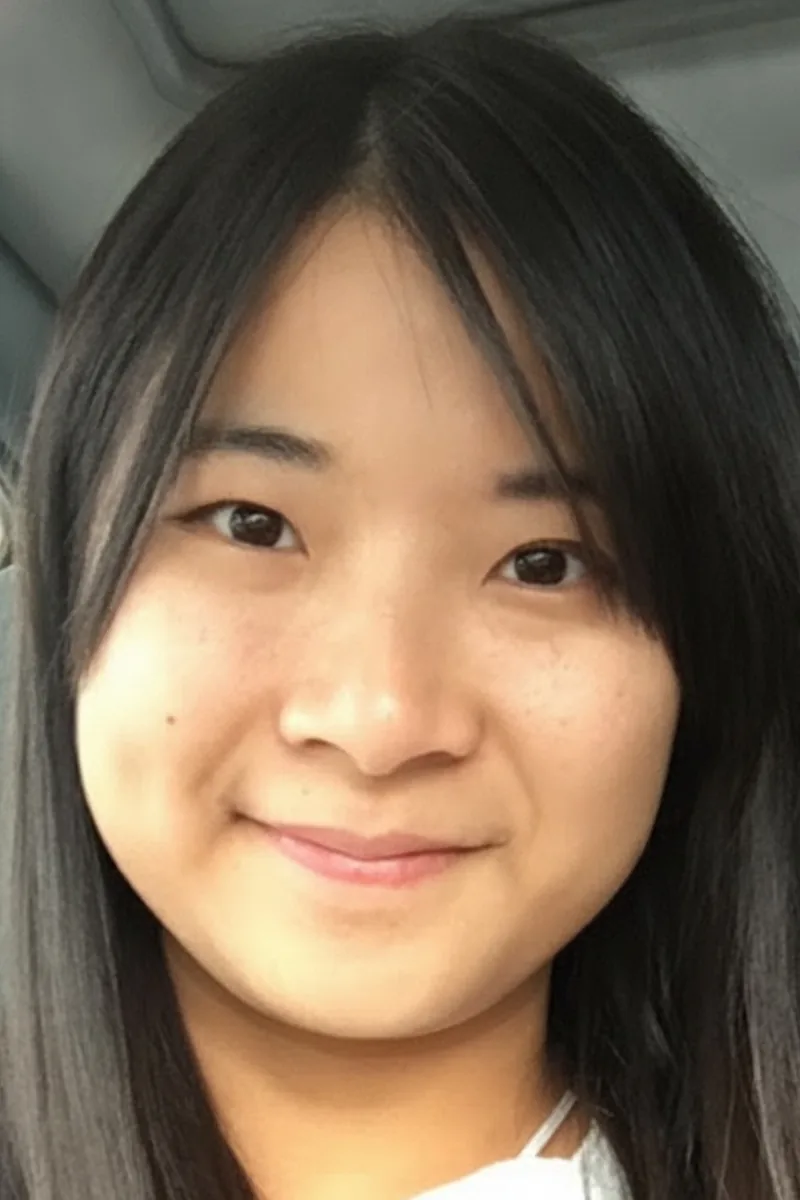
I am also fluent (reading/listening/writing) in Cantonese and mandarin Chinese because of my upbringing. Half of my childhood education was received in Hong Kong and the other half was in Australia.
Having completed an Asian Languages minor at UCLA, Abrahim brings formal training in Japanese grammar, kanji acquisition, and reading comprehension to his tutoring. He approaches the language methodically — building from particle usage and verb conjugation patterns up to reading authentic texts — which works especially well for students who want structure rather than immersion-only learning.
A PhD in linguistics means Lewis doesn't just know languages — he understands how they work structurally, which is exactly what you need when Japanese throws you grammar that has zero English parallels. He applies that analytical framework to breaking down sentence-final particles, SOV word order, and the logic behind verb conjugation so the patterns become predictable rather than random. His experience teaching ESL/ELL also means he's practiced at bridging the gap between how English and non-European languages organize meaning.
Learning Japanese means juggling three writing systems, unfamiliar sentence structures, and particles that don't map neatly onto English — Rex tackles each layer separately so students can build real reading and conversational ability. His communication design background also gives him a unique perspective on how visual layout and typography work in Japanese media, which keeps lessons engaging and culturally grounded.
Most students learning Japanese hit a wall somewhere between mastering hiragana and actually constructing sentences with particles, verb conjugations, and counters. Kai has been teaching Japanese through the student organization meetings on campus, building lessons that move learners from basic self-introductions to reading short passages and holding simple conversations.
Growing up attending the Japanese Weekend School of New Jersey while enrolled in American public schools, Hidefusa developed native-level fluency in both languages and a deep understanding of where English speakers stumble with Japanese. He teaches everything from hiragana and katakana basics to kanji recognition, particle usage, and keigo (formal speech) — drawing on the bilingual instincts of someone who has lived in both linguistic worlds.
I'm currently a freshman at Brown University. I will most likely triple major in Ancient Greek & Sanskrit, Latin, and Japanese. I have had lots of experience tutoring those around me, such as friends, peers, and class mates, and I have always enjoyed seeing their progress as students. My tutoring experiences include after-school assistance to those struggling in Ancient Greek at my former high school, to helping Juniors and Sophomores help ace the SAT. My specialty is language and history, with an emphasis on Japanese, English, Latin, US history and World History, but I am also more than happy to help out those struggling with Algebra and Geometry. As someone who was once an ESL student himself, I believe that a good education rests upon the ability to comprehend, interact, and apply ideas. Besides academic matters, I am also fond of running, calisthenics, and Enka music.
Though her degrees are in biology and science education, Sarah lists Japanese among her interests and brings a teacher's instinct for breaking complex systems into learnable parts — useful when students are wrestling with hiragana stroke order or the logic behind particle placement. Her 5.0 rating and four years of classroom teaching mean she knows how to pace a lesson and adjust when something isn't landing.
During his final summer at NYU, William traveled to Japan to study the language alongside traditional music and wartime film, grounding his Japanese in real cultural context. That immersive experience means he connects vocabulary and grammar to the situations where they're actually used — from reading signs and menus to discussing historical texts. He's especially strong at bridging the gap between textbook Japanese and how the language sounds in practice.
I am an experienced tutor and teacher from Okinawa, Japan who recently graduated from Brown University and now lives in Brooklyn.
Having majored in Japanese at SUNY Albany, James doesn't just know the language — he understands the grammar architecturally, from particle usage and verb conjugation tiers to the nuances of honorific speech. He teaches reading and writing through cultural context, connecting kanji compounds to their historical roots so students retain them long-term rather than cramming and forgetting. Rated 4.9 by students.
Earning a full bachelor's degree in Japanese — not just a minor or a few semesters — means Jina can teach well beyond survival phrases into kanji readings, grammar particles like は vs. が, and the nuances of keigo (formal speech). She brings the same analytical rigor from her science training to breaking down sentence structure and verb conjugation patterns.
I am open to tutoring in a broad range of subjects, including Algebra, Spanish I/II, ESL and Biology (SAT II, AP, and MCAT).
Testimonials
Because the right Japanese tutor makes all the difference.
Average Session Rating – Based on 3.4M Learner Ratings
Nearby Japanese Tutors
Other Houston Tutors
Related Languages Tutors in Houston
Frequently Asked Questions
Personalized Japanese tutoring addresses all four essential language skills: reading, writing, speaking, and listening. Tutors work with students on hiragana and katakana mastery, kanji recognition, grammar structures, conversational fluency, and listening comprehension. A skilled tutor tailors instruction to your specific goals—whether that's passing an AP Japanese exam, preparing for study abroad, or building practical conversation ability.
In a typical Houston classroom with a 16.3:1 student-teacher ratio, students get limited speaking practice. With personalized 1-on-1 instruction, you get consistent, focused conversation time every session—a critical advantage for developing natural fluency and confidence. Tutors can correct pronunciation in real-time, respond to your specific questions, and create realistic dialogue scenarios that classroom settings rarely allow.
Japanese verbs conjugate based on tense, formality level, and whether they're regular or irregular—making conjugation one of the most common pain points for learners. A tutor helps you move beyond memorizing rules to understanding patterns, using spaced repetition and practice testing to build lasting retention. With personalized guidance, you'll learn when and why to use different conjugation forms in real conversation, not just on worksheets.
Kanji mastery requires a strategic approach: learning radicals (building blocks), understanding on'yomi and kun'yomi readings, and practicing in context rather than isolation. A tutor can help you prioritize which kanji to learn based on your goals—whether that's JLPT preparation, AP Japanese, or everyday communication. They'll also teach retrieval practice techniques that make kanji stick better than passive review.
Language and culture are inseparable in Japanese—understanding keigo (formal speech), cultural references, and social context deepens comprehension and fluency. Personalized tutoring incorporates cultural immersion elements, helping you understand why certain phrases are used in specific situations and how to navigate real-world interactions authentically. This approach accelerates both language skills and cultural competence.
Reaching professional-level Japanese proficiency typically requires 2,200+ hours of study according to language learning research. However, conversational fluency at a functional level can develop much faster with consistent, personalized instruction and regular speaking practice. The timeline depends on your starting point, study frequency, and specific goals—a tutor can create a realistic roadmap tailored to your situation.
Look for tutors with native or near-native proficiency, teaching experience, and expertise in your specific goal area—whether that's JLPT certification, AP Japanese, business Japanese, or conversational fluency. Varsity Tutors connects you with expert tutors who have demonstrated subject mastery and a track record helping students succeed. You can discuss teaching style and experience during your first session to ensure the fit is right.
Your first session is an opportunity for a tutor to assess your current level across all four skills—reading, writing, speaking, and listening—and understand your goals. They'll ask about your background with Japanese, what you want to achieve, and any specific challenges you're facing. From there, they'll create a personalized learning plan that plays to your strengths and targets your growth areas with focused, efficient instruction.
Let’s find your perfect tutor
Answer a few quick questions. We’ll recommend the right plan and match you with a top 5% tutor.