Award-Winning Essay Editing Tutors
serving Denver, CO
Essay Editing
Tutors in Denver
Private 1-on-1 tutoring, weekly live classes for academic support, test prep & enrichment, practice tests and diagnostics, and more to elevate grades and test scores.
Based on 3.4M Learner Ratings
UniversitiesSchools & Universities
DeliveredHours Delivered
ProficiencyGrowth in Proficiency
Who needs tutoring?
No obligation. Takes ~1 minute.
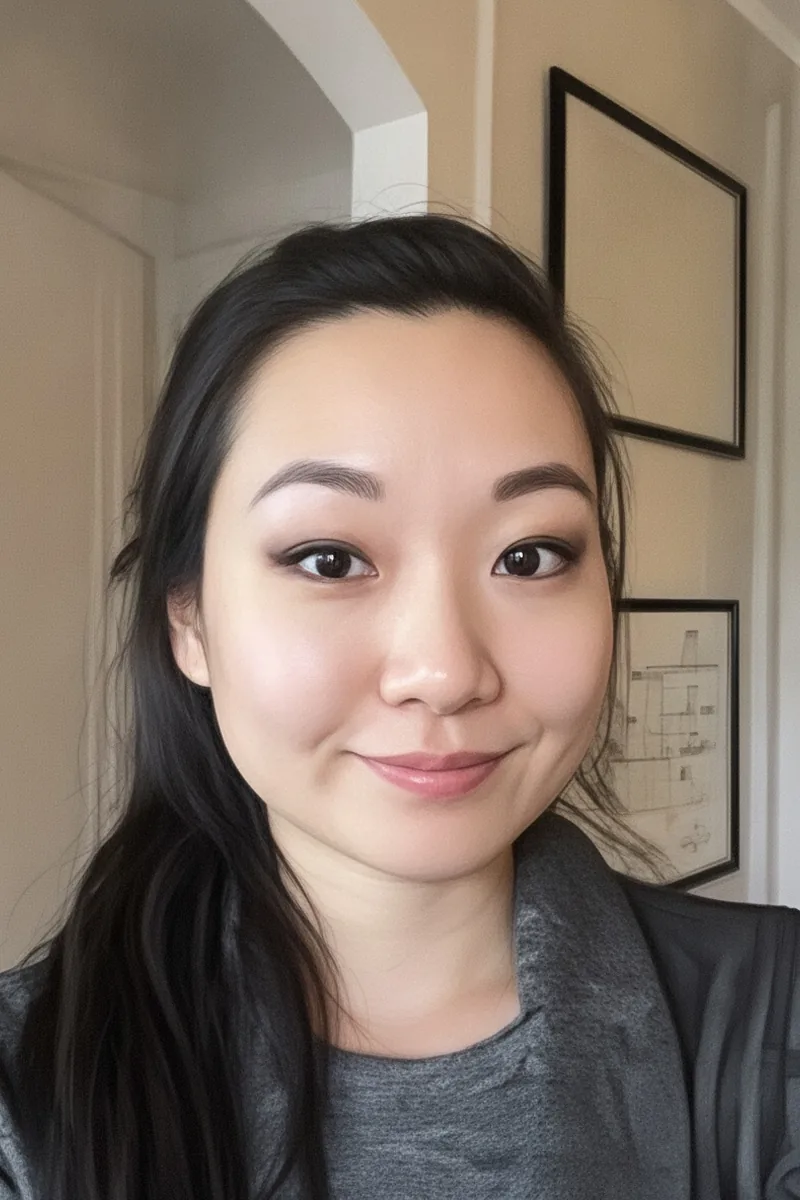
Between DU's Writing Center and years of teaching expository writing seminars, Erinrose has edited hundreds of student essays — argumentative, analytical, personal, and research-driven. She zeroes in on the structural issues first (unclear thesis, buried argument, weak transitions) before tightening at the sentence level, so revisions actually transform the piece rather than just polishing the surface.
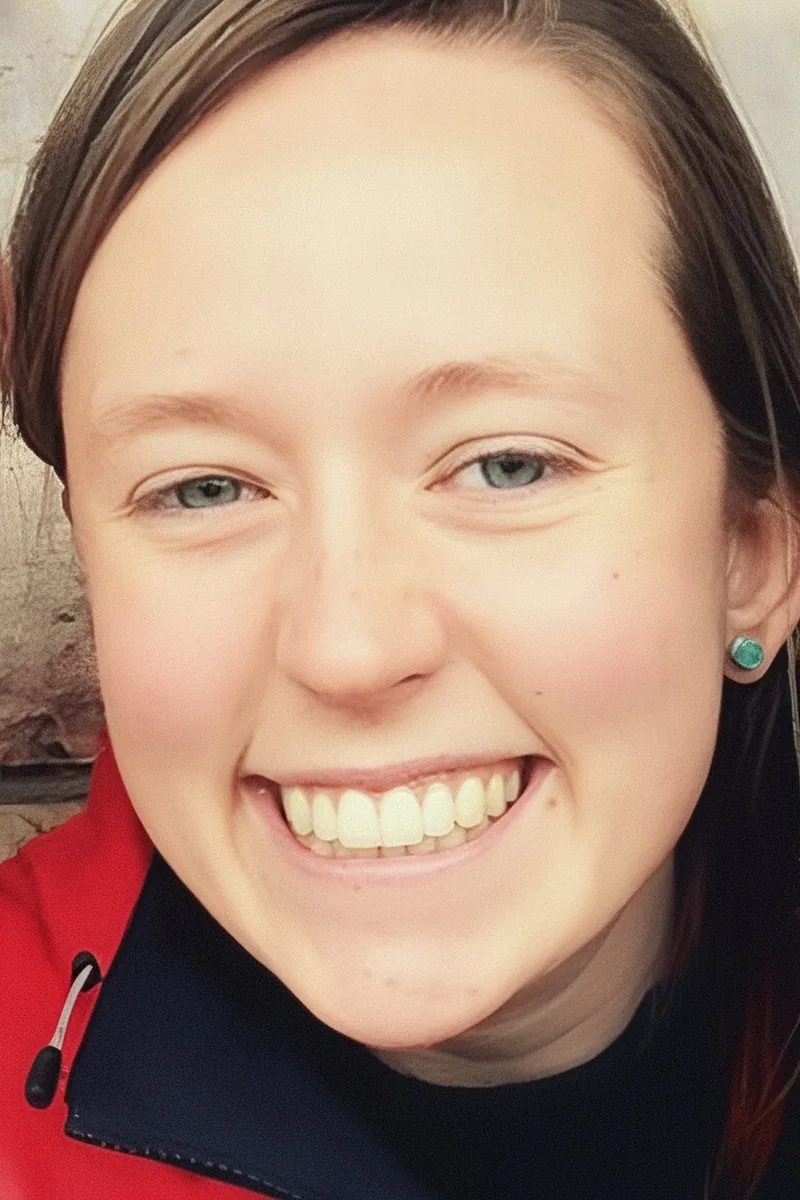
Editing an essay well means more than catching comma splices — it means evaluating whether each paragraph actually earns its place in the argument. Zofia approaches revision structurally, asking whether claims are supported, transitions are logical, and the thesis threads through every section. Her background in mathematical proof-writing at Brown gave her an unusually sharp eye for whether an argument holds together.
Good editing goes beyond fixing commas — it means rethinking whether each paragraph earns its place in the argument. Tara reads drafts with an eye for clarity, logical flow, and voice, then explains exactly why a revision works so the student can apply that thinking next time. Her experience writing across anthropology and museum studies gives her a sharp sense of how to tighten academic and personal prose alike.
Editing is more than catching comma splices — it's learning to read your own writing the way a stranger would. Lacey approaches each draft by identifying the one or two structural issues that matter most, whether that's a buried thesis, paragraphs that don't earn their transitions, or arguments that lose focus midway. Her feedback is specific enough that students can revise independently the next time around.
Editing is more than fixing commas — it's learning to see your own writing the way a reader does. Alicia walks through drafts at two levels: first the structural questions (Does this paragraph earn its place? Is the argument actually building?) and then the sentence-level polish, from tightening wordy phrases to correcting subject-verb agreement.
Editing an essay isn't just fixing commas; it's asking whether each paragraph earns its place in the argument. Melissa reads drafts at two levels — first for logic and flow, then for sentence-level clarity and grammar — so students learn to revise structurally before polishing surface errors. Her experience with both scientific writing and English instruction makes her equally sharp on precision and style.
Editing an essay well requires more than fixing commas — it means evaluating whether each paragraph actually advances the thesis. Lena digs into argument structure, transition logic, and evidence integration, then teaches students to spot their own recurring weaknesses so future drafts arrive stronger from the start. She holds a 5.0 rating from students.
Editing is more than catching comma splices — it's about reshaping an argument so each paragraph earns its place. Emma breaks the revision process into clear passes: first for structure and logic, then for clarity and flow, then for grammar and mechanics. That layered approach keeps students from feeling overwhelmed and teaches them a repeatable skill they can use on their own.
Good editing is more than catching comma splices — it's about restructuring an argument so every paragraph earns its place. Seth's years of refining admissions essays taught him to spot where a draft loses momentum, where a thesis goes vague, and where a stronger transition would carry the reader forward.
Editing an essay isn't just about catching comma splices — it's about restructuring an argument so each paragraph earns its place. Cory digs into thesis clarity, paragraph transitions, and whether the evidence actually supports the claim, then walks students through revisions so they internalize the logic behind each change. Rated 4.8 by students.
Editing someone else's essay is a teachable skill; editing your own is harder because your brain fills in what you meant to say. Rosemary uses a reverse-outline technique — pulling the thesis and topic sentences out of a finished draft to see if the argument actually holds together on its own. From there, she tackles clarity, transitions, and sentence-level polish so the final version reads as sharp as the idea behind it.
A rough draft isn't a failure — it's raw material, and Katie treats it that way. She digs into structure, argument clarity, and sentence-level grammar with equal care, showing students how to tighten a thesis, cut filler, and strengthen transitions between paragraphs. Her editing process is collaborative, so students learn to revise their own work independently over time.
Good editing isn't just fixing commas — it's figuring out whether each paragraph earns its place in the argument. Eric reads drafts like a philosopher: testing whether claims follow logically, whether evidence actually supports the thesis, and whether the structure moves a reader from point A to point B without detours. Then he marks up the grammar.
A master's thesis demands ruthless self-editing — cutting redundant arguments, tightening transitions, and restructuring paragraphs so each one earns its place. Jasmyn applies that same revision discipline to student essays, whether it's a college application personal statement or a high school literary analysis. She zeroes in on clarity and argument flow, not just surface-level grammar fixes.
Years of writing her own Chinese grammar textbook taught Tina to scrutinize every sentence for clarity, flow, and precision. She applies that same editorial eye to student essays, tackling issues like weak thesis statements, tangled syntax, and transitions that don't actually transition.
Editing a college application essay requires a different eye than editing a lab report, and Oliver has done both extensively — his biochemistry background at CU Boulder means he's comfortable tightening arguments in any discipline. He zeroes in on structural issues like unclear thesis statements, weak transitions, and redundant phrasing before polishing at the sentence level. Rated 5.0 by students.
Editing an essay isn't just fixing commas — it's figuring out whether each paragraph actually advances the argument. Christian reads student drafts with an engineer's eye for structure, flagging where logic gaps weaken a thesis or where a transition drops the reader. He's particularly effective at tightening wordy prose into clear, direct writing.
A sharp essay isn't just about fixing commas — it's about tightening the argument so every sentence earns its place. Paul digs into structure, thesis clarity, and paragraph-level logic, then shows students how to revise with purpose rather than just polishing surface errors. His background spanning college essays, literature, and grammar gives him a keen editorial eye across genres.
Editing an essay is a different skill from writing one, and most students never learn to do it systematically. Brockton approaches revision in layers — first tightening the argument's logic, then restructuring paragraphs for flow, and finally cleaning up sentence-level clarity and grammar. His pedagogy training at CU Boulder taught him to ask the kinds of questions that teach a writer to self-edit long after the session ends.
Good essay editing goes beyond fixing commas — it means tightening arguments, cutting filler, and making sure each paragraph earns its place. Colton sharpened this skill writing lab reports, research papers, and medical school applications, all of which demand clarity and precision under strict formatting constraints. He walks students through revision as a structured process: first the argument's logic, then paragraph flow, then sentence-level polish.
Editing an essay effectively means more than catching comma splices — it requires evaluating whether each paragraph actually advances the thesis. Jude treats revision as a structured process: first tightening the argument's logic, then clarifying transitions, and finally polishing sentence-level mechanics so the writing reads cleanly from start to finish.
A journalism major at CU Boulder, Heidi edits with an eye for clarity, argument structure, and voice — the same priorities college admissions readers and instructors care about most. She walks through drafts paragraph by paragraph, showing students how to tighten thesis statements, cut filler, and make transitions do real work. Her IB Extended Essay experience also makes her a strong editor for research-heavy papers.
A strong essay often needs a second pair of eyes that can spot structural problems, not just typos. Michelle teaches students to evaluate their own drafts for thesis clarity, paragraph-level logic, and whether evidence actually supports the argument — turning revision from a chore into a repeatable process. Rated 4.8 by students.
Most students know their essay needs work but can't pinpoint where the argument loses its thread. Rohith reads drafts at the structural level first — checking whether each paragraph earns its place and whether transitions carry the reader forward — before zooming into sentence-level clarity and word choice. The result is editing that teaches a repeatable revision process, not just a one-time cleanup.
Good editing isn't about fixing commas — it's about figuring out whether each paragraph actually earns its place. Ed approaches essay editing by first identifying the argument's logical structure, then tightening sentence-level clarity and flow. His dual background in communications and statistical analysis gives him an unusual eye for both persuasive writing and evidence-based reasoning.
Paige's philosophy degree trained her to dissect arguments — find the buried thesis, flag unsupported claims, and strip away sentences that don't advance the point. She applies that same analytical rigor to essay editing, whether it's a college application draft or an IB Extended Essay, drilling into structure and logic before touching a single comma. Rated 5.0 by students.
Good editing goes beyond fixing commas — it means tightening an argument, cutting what doesn't serve the thesis, and making every paragraph earn its place. Marcus sharpened his own writing across two demanding majors in Biological Sciences and Political Sciences, where clear, evidence-driven prose was non-negotiable. He reads student drafts with an eye for both structural logic and sentence-level clarity, then explains exactly why each revision matters.
Good editing requires seeing a draft from the outside, and Cody's experience writing across radically different disciplines — physics lab reports and Buddhist philosophy papers — trained him to spot where an argument loses its reader. He addresses big-picture issues like thesis clarity and paragraph flow first, then moves into sentence-level revisions for concision and tone.
I am a student at the Georgia Institute of Technology studying Chemical Engineering. For the past several years, I have worked with students extensively. Through hosting events for younger kids to learn about STEM and for older teens to practice empathetic design, I know the importance of teaching students in ways that engage them rather than frustrate them, which I apply to my teaching. I have tutored high school students in a drop-in resource center in various subjects including math of all levels, chemistry, and English, making me adequately equipped in a variety of topics. I have also tutored several students long-term. Establishing relationships with students and exploring their unique learning styles is my favorite part of tutoring. I prioritize helping students discover HOW to learn in a manner that is the most effective for them, so they can begin to use those skills on their own throughout their education. Learning is a lifelong skill that requires practice for improvement; I strive to help my students gain confidence in their ability to learn.
Editing an essay well means more than fixing commas — it means tightening arguments, cutting filler, and making sure every paragraph earns its place. Graham approaches revision systematically, starting with thesis clarity and paragraph structure before moving to sentence-level polish. His 5.0 rating from students suggests the feedback actually lands.
I am a undergraduate student who is willing to help other students in subjects that they may be experiencing difficulties in.
Editing someone else's essay is a different skill than writing one, and editing your own is harder still. Hannah teaches students a layered revision process: first checking argument and structure, then paragraph-level logic, then sentence clarity and grammar. Her 5.0 rating speaks to how well this systematic approach clicks with students who know their draft isn't working but can't pinpoint why.
A rough draft with good ideas can still fall flat if the thesis is buried, paragraphs drift, or transitions read like a checklist. Brenna edits at the structural level first — making sure each paragraph earns its place — then moves into sentence-level clarity, word choice, and grammar. Her analytical mindset catches logical gaps that purely stylistic editing often misses.
A good essay edit goes beyond catching comma splices — it means tightening arguments, cutting filler, and making sure every paragraph earns its place. Carson studied English at the undergraduate level and brings that trained editorial eye to everything from college application essays to research papers, sharpening both structure and sentence-level clarity.
Jalonna doesn't just fix sentences — she explains why a paragraph isn't landing and shows the student how to restructure it. Whether the issue is unclear thesis statements, weak transitions, or wordiness, she provides targeted feedback that teaches editing as a repeatable skill. Her experience ranges from polishing college application essays to tightening academic papers.
Good essay editing goes beyond fixing commas — it means restructuring paragraphs so each one advances a single clear claim. Austin reads drafts with an eye for argument flow, flagging where evidence is thin or where a thesis quietly shifts midway through the paper. His 5.0 rating comes from students who've seen vague first drafts turn into polished, persuasive writing.
Good essay editing goes beyond fixing commas; it means tightening arguments, cutting filler, and making sure every paragraph earns its place. Anthony reads drafts with an engineer's eye for structure and a writer's ear for clarity, addressing everything from thesis development to transition logic. Students leave sessions knowing not just what to fix but why.
Good editing goes beyond fixing commas — it's about tightening arguments, cutting filler, and making sure every paragraph earns its place. Annie approaches each draft by first identifying the writer's core claim, then restructuring sentences and transitions so that claim comes through clearly. She's particularly sharp on thesis clarity, paragraph cohesion, and eliminating the passive constructions that weaken academic writing.
Editing an essay isn't just fixing commas — it's asking whether each paragraph earns its place and whether the argument actually lands. Evan reads drafts with a structural eye, identifying where the thesis drifts, where evidence is thin, and where transitions break the reader's momentum. He then walks students through the revision so they learn to spot these issues themselves in future writing.
Good editing goes beyond fixing commas. Sarah reads drafts for argument structure, paragraph-level logic, and sentence clarity before touching surface errors — an approach she developed through years of teaching writing and editing across academic contexts. Whether it's a research paper or a personal statement, she pinpoints exactly where a draft loses its reader.
Testimonials
Because the right Essay Editing tutor makes all the difference.
Average Session Rating – Based on 3.4M Learner Ratings
Nearby Essay Editing Tutors
Other Denver Tutors
Related English Tutors in Denver
Frequently Asked Questions
Essay editing with Varsity Tutors focuses on personalized feedback tailored to your specific writing. A tutor will review your essay for structure, clarity, and argumentation—identifying areas where your thesis could be stronger, where evidence needs better support, or where your writing could be more concise and impactful. Rather than just marking errors, tutors help you understand the "why" behind revisions so you develop stronger writing habits. The process typically involves multiple rounds of feedback, allowing you to implement suggestions and refine your work until it's polished.
A strong thesis is the foundation of any essay, and many students struggle with making their argument specific and defensible. Tutors work with you to move beyond vague statements toward clear, arguable claims that drive your entire essay. They'll ask clarifying questions about your main idea, help you identify what's actually provable through evidence, and guide you in refining your thesis until it's sharp enough to support your entire argument. This personalized approach ensures your thesis reflects your unique perspective while meeting academic standards.
Organization is one of the most common challenges students face, especially when juggling multiple ideas and evidence. Tutors can help you map out your essay's logical flow—determining the best order for your points, ensuring smooth transitions between ideas, and making sure each paragraph supports your thesis. Whether you're dealing with a confusing first draft or trying to restructure an existing essay, a tutor will work with you to create a clear roadmap that makes your argument easy to follow. This personalized guidance helps you develop organizational skills you'll use in all future writing.
Yes. Whether you're working with MLA, APA, Chicago style, or another citation format, tutors can help you understand the rules and apply them correctly to your work. Beyond just formatting, they'll explain why citations matter—helping you distinguish between when you need in-text citations versus works cited pages, how to integrate quotes smoothly, and how to avoid plagiarism. For students in Denver with varying citation requirements across different classes, having personalized guidance on these details prevents costly mistakes and strengthens your academic integrity.
Writer's block often stems from unclear thinking about your topic, perfectionism, or not knowing where to start. Tutors work through these barriers by asking targeted questions about your assignment, helping you brainstorm ideas, and breaking the writing process into manageable steps. Sometimes starting with an outline or freewriting session clears the mental fog. A tutor can also help you identify whether you need more time to understand your source material or whether you simply need permission to write an imperfect first draft. This personalized approach helps you move past the block and into productive writing.
Grammar is about correctness—following the rules of punctuation, syntax, and mechanics. Style is about effectiveness—how you choose words, structure sentences, and develop your voice to engage readers. Both matter, but they serve different purposes. Tutors help you understand this distinction by addressing grammar errors while also coaching you on stylistic choices: Is this sentence too wordy? Does this word choice strengthen your tone? Can this paragraph be more concise? This dual focus helps you become a better writer overall, not just someone who avoids mistakes.
Varsity Tutors connects students in Denver with tutors who specialize in essay editing and writing instruction. The process is straightforward: you'll discuss your specific needs—whether you're working on college essays, literary analysis, argumentative writing, or general revision skills—and get matched with a tutor whose expertise aligns with your goals. Tutors in the Denver area understand local school curricula and expectations across the 9 school districts, so they can provide feedback that's relevant to your coursework. You can start with a single session to see if the fit works, then build an ongoing relationship as you improve your writing skills.
Let’s find your perfect tutor
Answer a few quick questions. We’ll recommend the right plan and match you with a top 5% tutor.