Award-Winning Computer Science Tutors
serving Boston, MA
Computer Science
Tutors in Boston
Private 1-on-1 tutoring, weekly live classes for academic support, test prep & enrichment, practice tests and diagnostics, and more to elevate grades and test scores.
Based on 3.4M Learner Ratings
UniversitiesSchools & Universities
DeliveredHours Delivered
ProficiencyGrowth in Proficiency
Who needs tutoring?
No obligation. Takes ~1 minute.
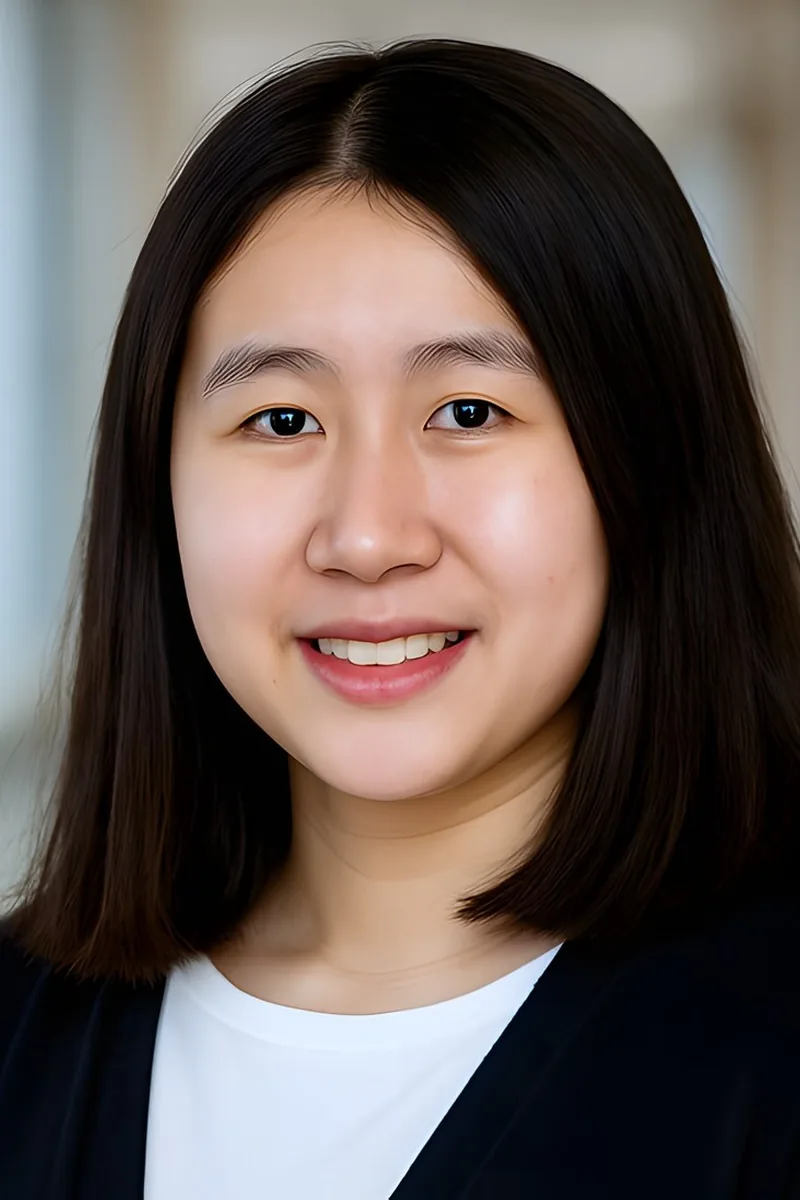
As a computer science major at Boston University, Irene is immersed in the subject daily — from data structures and algorithms to object-oriented design. She breaks down abstract programming concepts into concrete steps, walking through how to trace logic, debug code, and think like a developer rather than just memorize syntax.
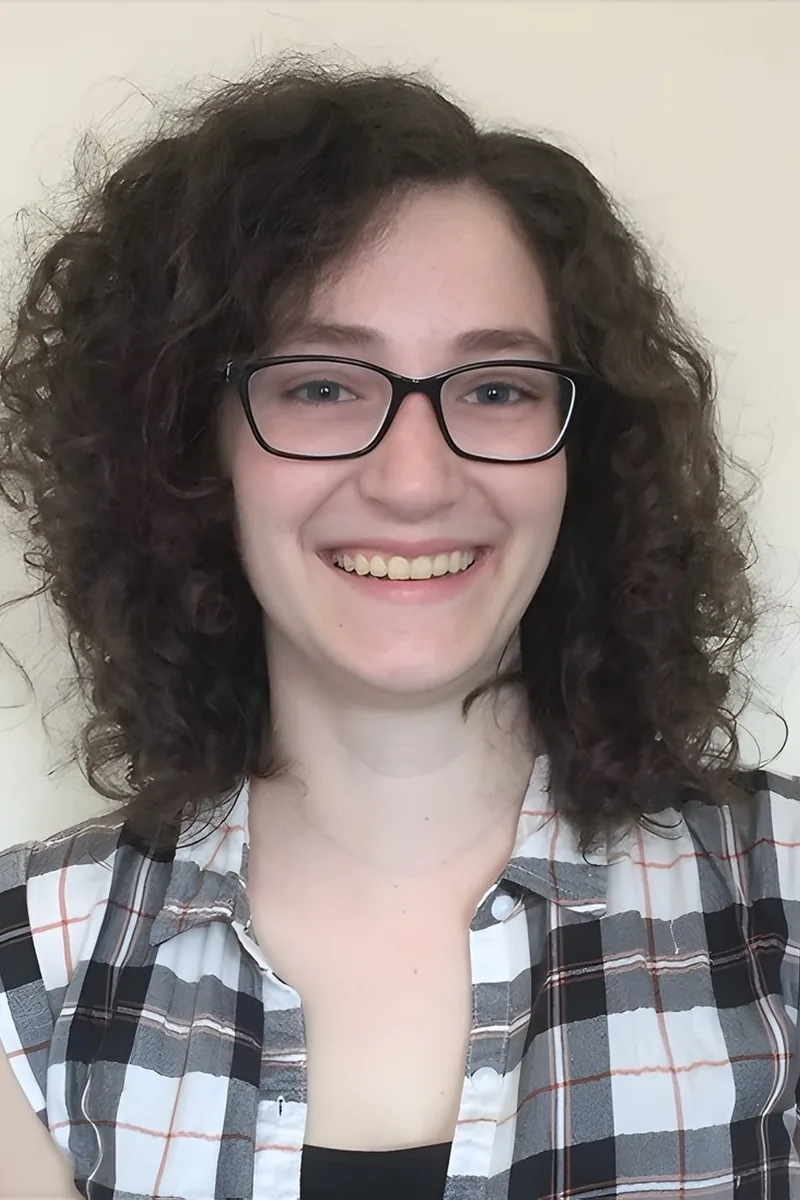
As a computer science major heading into her senior year, Allison is deep in the material students are encountering for the first time — data structures, algorithm analysis, object-oriented design. She explains concepts like recursion and Big-O notation by building up from simple examples in Python before introducing the formal definitions, which makes abstract ideas click faster.
Christine is a third-year CS student at Northeastern who lives this material daily — from data structures and algorithms to object-oriented design and recursion. She walks through problems by connecting the abstract logic to concrete code, so concepts like linked lists or graph traversals click rather than feel like rote memorization. Rated 4.9 by students.
I am passionate about helping students succeed in computer science by making complex concepts clear and engaging. With over seven years of teaching experience in higher education, I have taught a range of courses in programming and information systems. I hold a Master's degree in Computer Science from the University of Trento, Italy, and a Bachelor's degree in Information Systems from Addis Ababa University, Ethiopia, and I am currently pursuing my Ph.D. in Computer Science. My favorite subjects to tutor are C++, Java, and Systems Analysis and Design because they build strong problem-solving and analytical skills. I focus on creating an interactive, supportive learning environment that helps students gain confidence and apply their knowledge. Outside of academia, I am interested in pursuing roles in the tech industry as a system analyst or software engineer.
Studying computer science at MIT, Brice digs into everything from data structures and algorithms to systems-level thinking with students at any stage. He's tutored over 30 students in the past year alone, tackling topics like recursion, object-oriented design, and algorithmic complexity. Rated 4.9 by students.
Studying computer science since before college and now pursuing a master's at UMass Amherst, Milo covers the full stack — from data structures and algorithms to systems-level concepts like memory management and concurrency. He spent three years in his university's tutoring center breaking down topics like recursion, sorting complexity, and graph traversal for students at every level.
Between Java, Python, and the AP Computer Science A curriculum, William covers the languages and frameworks that most high school and intro-level college students actually encounter. His Northeastern CS program keeps him close to the material — he's working through the same data structures, algorithms, and OOP principles his students are learning, which means he can pinpoint exactly where a concept like recursion or inheritance starts to feel slippery. Rated 5.0 by students.
A working software developer with a BS in Computer Science, Andy covers core CS topics — data structures, algorithms, recursion, Big-O analysis — with the perspective of someone who uses them daily in mobile application design. He explains not just how an algorithm works but why you'd choose it over alternatives in a real codebase.
Allison holds a B.S. in Computer Science from Mount Holyoke College, so she's been through the full gauntlet — from writing first programs to tackling data structures, algorithms, and debugging logic that refuses to cooperate. She teaches coding concepts by building up from how the computer actually processes instructions, which makes abstract ideas like recursion and iteration far more intuitive.
An Electronic Design degree from Hampshire College means Micah lives at the intersection of code and hardware — he's built electronics curricula and understands programming as a tool for making things work in the real world. He tackles core CS concepts like control flow, data structures, and debugging by grounding them in tangible projects rather than abstract exercises.
Studying computer science at Tufts alongside civil engineering gives Adam a dual perspective — he understands both the theoretical foundations like data structures and algorithms and how code gets applied to solve real-world problems. He unpacks concepts like recursion, object-oriented design, and sorting algorithms by building small programs that make abstract ideas concrete. That hands-on approach clicks especially well for students who learn by doing.
Adriano leans into the proof-based, mathematical side of computer science — the discrete math foundations, formal logic, and algorithmic correctness arguments that many introductory courses rush past. As an MIT CS undergrad, he's immersed in that rigor daily and brings it to sessions where students need to understand not just what an algorithm does but how to prove it works.
I'm Cindy! I'm a freshman at Harvard University and graduated from San Mateo High School this past year. I love to teach and have years tutoring students of all ages in a variety of subjects. Feel free to send me a message if you have any questions or would like to schedule a tutoring session!
I'm Connor, a computer science, linguistics, and Japanese major at the University of Massachusetts Amherst. I'm in my third year expecting to graduate in May next year.
From data structures and algorithms to systems-level thinking, computer science covers enormous ground. John earned a BS in Computer Science and codes in Java, C++, and SQL, giving him the range to dig into whatever topic is causing trouble — whether that's recursion, Big-O analysis, or database design.
Between his coursework at Rice and his background in algorithms, Daniel tackles computer science from both the practical and theoretical sides — writing clean code and understanding why one sorting algorithm outperforms another for a given dataset. He's especially strong at breaking down recursion, data structures, and algorithmic complexity into steps that build logically on each other.
A Stanford MS in Computer Science means David can teach everything from data structures and algorithms to object-oriented design with the depth that comes from building real systems — not just reading about them. He spent a summer teaching web and app development to high school students in Palestine, so he knows how to make abstract CS concepts click through hands-on projects.
Jeff tackles computer science by connecting abstract concepts like recursion, data structures, and algorithmic complexity to concrete problem-solving steps students can follow. His science background means he's comfortable with the mathematical logic underlying CS, from Boolean algebra to Big-O analysis.
Studying computer science at Cornell, Eric tackles everything from algorithm analysis and Big-O notation to systems-level concepts like memory management and recursion. He breaks down problems the way a CS student actually encounters them — whiteboarding a solution, tracing through edge cases, then translating logic into clean code. His 5.0 rating speaks to how clearly that approach lands.
Pursuing a CS master's at Penn while TAing discrete math means Keenan lives in both the theoretical and practical sides of computer science every day. He unpacks core topics like algorithm complexity, data structure tradeoffs, and computational logic in a way that connects abstract ideas to real code. Rated 5.0 across all sessions.
Elizabeth's computer science degree and professional software development career mean she teaches CS concepts the way they're actually used — not just as textbook definitions. Whether it's understanding recursion, tracing through data structures, or reasoning about algorithmic efficiency, she connects abstract ideas to real code she's written on the job.
Ryan is a computer science major at Cornell, which means he's actively working through the same core curriculum — algorithms, data structures, computational complexity — that college CS students encounter. He explains concepts like recursion, Big-O analysis, and graph traversal by tracing through concrete examples rather than relying on abstract definitions. Rated 4.8 across his sessions.
Recursion, data structures, algorithmic complexity — these topics trip up students who try to memorize patterns without understanding why they work. Kevin holds both a bachelor's and master's in computer science from NYU, and he's the kind of tutor who will explain a concept three different ways until the logic genuinely lands. Rated 4.8 by students.
Three Bachelor of Science degrees — including Neuroscience — meant Anna was writing code long before she started teaching it, using Java, Python, and MATLAB to analyze data and build computational models across disciplines. That cross-field experience shapes how she teaches CS fundamentals: students don't just learn syntax, they learn to think about what a program needs to do before structuring it in any particular language. Rated 5.0 by students.
Most CS tutors come from pure software backgrounds — Clive's path runs through economics at Brown, where he picked up Java, Python, JavaScript, SQL, and HTML as tools for data analysis and building real projects rather than just completing problem sets. That applied angle makes him especially effective at teaching programming fundamentals and web technologies to students who learn better when code solves a tangible problem.
Pursuing both computer science and data science at NYU's Courant Institute with a cybersecurity minor, Diego lives in this material daily — from algorithms and data structures to networking and systems-level thinking. He breaks abstract CS concepts into smaller, buildable pieces so students can trace the logic themselves rather than just copying solutions.
Testimonials
Because the right Computer Science tutor makes all the difference.
Average Session Rating – Based on 3.4M Learner Ratings
Nearby Computer Science Tutors
Other Boston Tutors
Related Technology and Coding Tutors in Boston
Frequently Asked Questions
Your first session is focused on understanding your goals and current skill level. A tutor will assess whether you're learning fundamentals like loops and variables, tackling data structures and algorithms, or building projects in a specific language like Python or JavaScript. They'll also identify your biggest challenges—whether that's debugging code, understanding algorithmic thinking, or translating logic into syntax—so they can tailor future sessions to help you progress faster.
Debugging is one of the most valuable skills in Computer Science, and tutors excel at teaching you how to approach it systematically. Rather than just fixing errors, a tutor will walk you through reading error messages, using debugging tools, and tracing through your logic step-by-step. This hands-on practice builds your problem-solving instincts so you can tackle unfamiliar bugs independently.
Programming logic is the thinking process—how to break down a problem and design a solution using algorithms and data structures. Syntax is the specific rules of a programming language. Many students struggle because they focus too much on memorizing syntax instead of mastering logic first. A tutor helps you build strong logical thinking skills, which makes learning any language much easier and faster.
Absolutely. Project-based learning is one of the most effective ways to develop Computer Science skills, and tutors can guide you through building real applications—whether that's a web app, game, or data analysis tool. Your tutor will help you plan the project, review your code, suggest improvements, and teach you industry practices like version control and testing. This approach keeps you motivated while building a portfolio of work.
Data structures like arrays, linked lists, trees, and hash tables are fundamental to writing efficient code and solving complex problems. Many students find them abstract and hard to visualize. Tutors break down how each structure works, when to use it, and guide you through implementing them from scratch. This hands-on practice transforms data structures from confusing theory into practical tools you can apply confidently.
Varsity Tutors connects you with tutors who can help you explore different paths and find what resonates with you. Whether you're interested in building user interfaces with web development, analyzing data with Python, or creating games, a tutor can introduce you to the fundamentals of each area and help you decide what to focus on. Starting with strong core programming skills in logic and problem-solving gives you flexibility to specialize later.
Boston's 32 schools across 6 districts teach Computer Science at different levels, from introductory courses to AP Computer Science Principles and AP Computer Science A. Tutors are familiar with these curricula and can help you master the specific languages, concepts, and exam strategies your course requires. Whether you're building foundational skills or preparing for an AP exam, personalized instruction helps you keep pace with your class and go deeper into topics that challenge you.
Code review is how professional developers improve their skills, and tutors bring that practice into your learning. They'll examine your code for logic, efficiency, readability, and best practices—then explain how to refactor and improve it. This feedback loop accelerates your growth far faster than writing code alone, and you'll develop habits that make you a stronger programmer from the start.
Let’s find your perfect tutor
Answer a few quick questions. We’ll recommend the right plan and match you with a top 5% tutor.