Award-Winning Biochemistry Tutors
serving Boston, MA
Biochemistry
Tutors in Boston
Private 1-on-1 tutoring, weekly live classes for academic support, test prep & enrichment, practice tests and diagnostics, and more to elevate grades and test scores.
Based on 3.4M Learner Ratings
UniversitiesSchools & Universities
DeliveredHours Delivered
ProficiencyGrowth in Proficiency
Who needs tutoring?
No obligation. Takes ~1 minute.
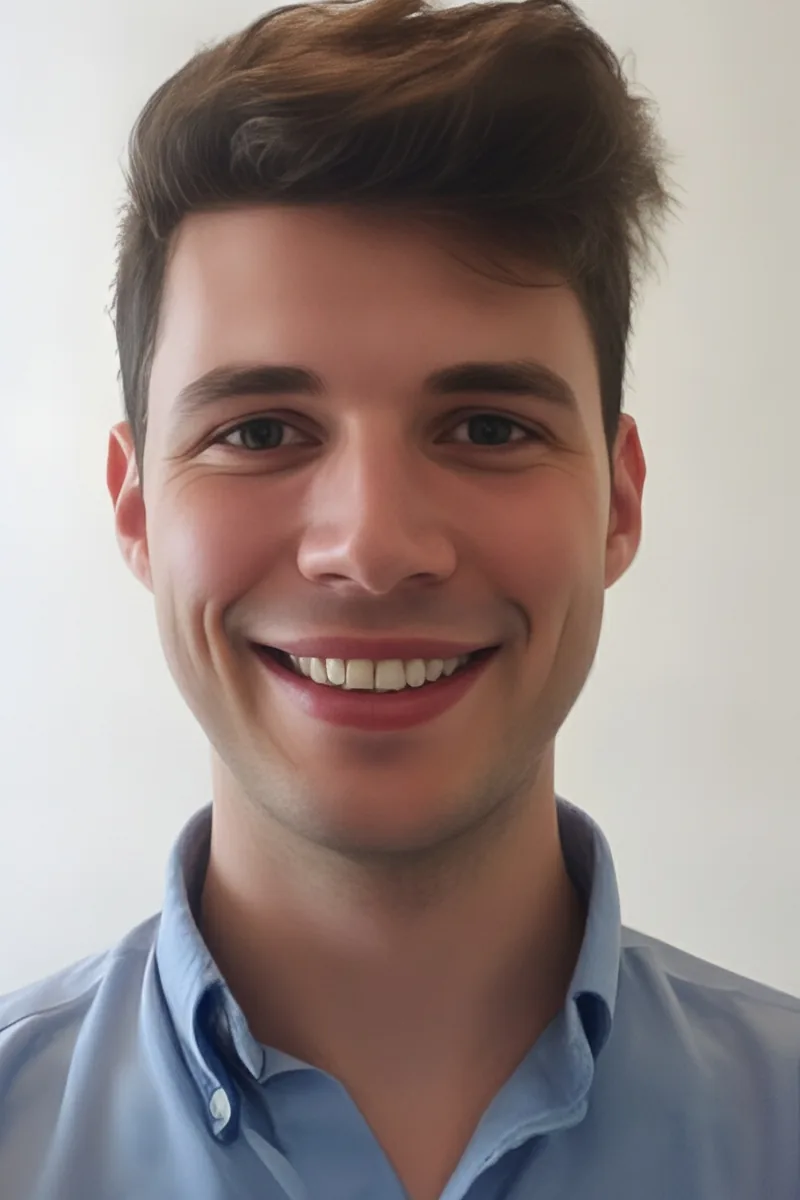
Zachary earned both his BS in Biology and a master's in Molecular Biology, which means he's traced biochemical pathways from two different altitudes — the broad cellular view and the granular molecular detail. That dual training comes through when he unpacks topics like lipid metabolism or allosteric enzyme regulation, building each concept from its chemical logic so the bigger metabolic map starts to make sense on its own.
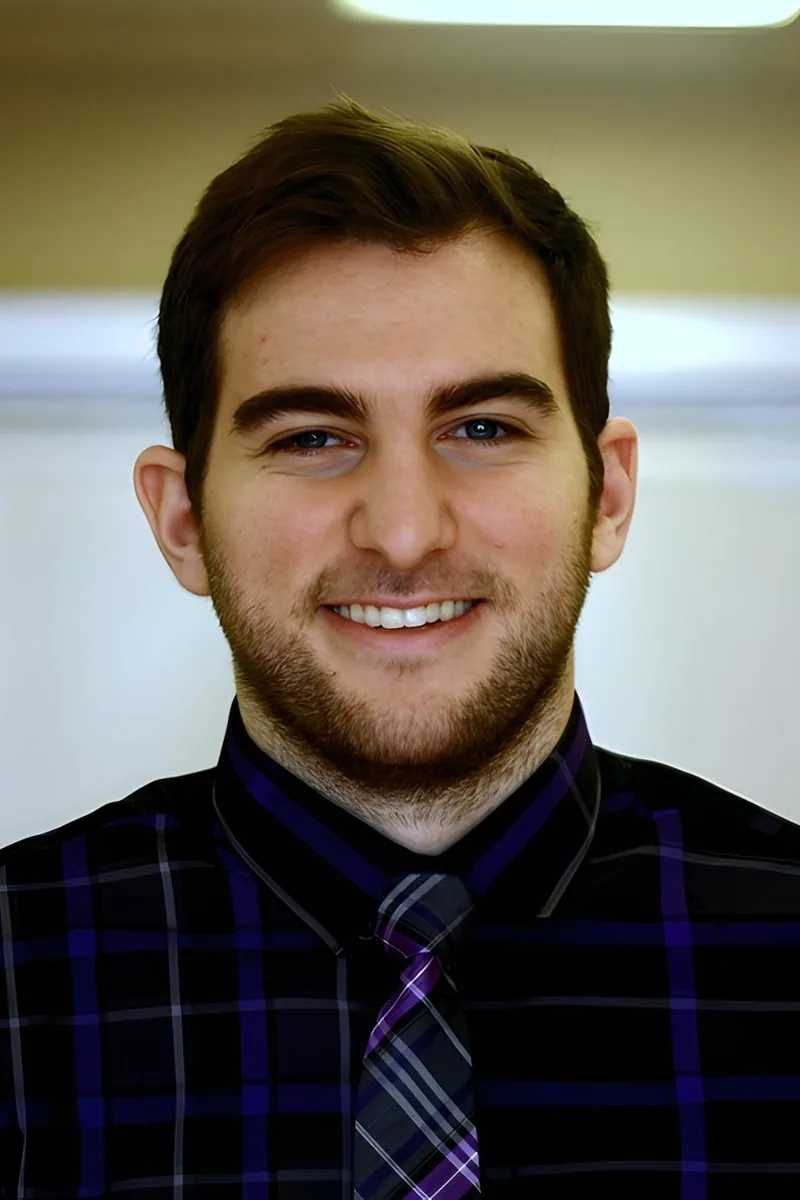
Marc earned his bachelor's in biochemistry before entering an MD/PhD program, so enzyme kinetics, metabolic pathways, and protein structure aren't abstract topics for him — they're daily tools. He breaks down dense material like the citric acid cycle or amino acid chemistry into logical sequences that stick without brute-force memorization.
Running a postdoctoral lab at Harvard Medical School means Patrick works with protein interactions, signaling cascades, and metabolic regulation every day — not as textbook topics, but as live experimental questions. His PhD in Cellular and Molecular Biology built the kind of deep mechanistic thinking that lets him walk students through something like oxidative phosphorylation or lipid metabolism as a chain of cause and effect. Rated 5.0 by students.
Enzyme kinetics, metabolic pathways, protein structure — biochemistry demands that students hold molecular details and big-picture biological logic in their heads simultaneously. Sydney's biomedical sciences graduate program at BU immersed her in exactly this kind of thinking, from amino acid chemistry to lipid metabolism. She breaks down each pathway into cause-and-effect steps so students can reconstruct them on an exam without rote memorization.
Katharine majored in biochemistry, so topics like enzyme mechanisms, metabolic regulation, and the crossover between organic chemistry and cellular function are her home turf — not material she picked up secondhand from a broader science degree. She teaches by pulling apart pathways into their individual chemical steps, making sure students can trace why each intermediate forms before zooming back out to the full metabolic picture.
Studying biochemistry as a major, Darian lives in this material every day — enzyme kinetics, metabolic pathways, protein structure-function relationships. He unpacks tough concepts like Michaelis-Menten kinetics or amino acid chemistry by walking through the logic step by step rather than expecting students to memorize diagrams whole.
Enzyme kinetics, metabolic pathways, protein folding — biochemistry sits at the intersection of biology and chemistry, and Natasha lives at exactly that intersection as a chemical and biomolecular engineering graduate student at MIT. She unpacks reaction mechanisms and molecular interactions by encouraging students to talk through each step out loud, turning dense pathway diagrams into narratives that actually stick.
Enzyme kinetics, metabolic pathways, protein structure — biochemistry asks students to think about molecules as dynamic systems, not static diagrams. Tina's engineering background at Cornell and her pre-med preparation mean she can unpack topics like Michaelis-Menten kinetics or amino acid chemistry with both quantitative rigor and biological context.
Amino acid structures, enzyme kinetics, metabolic pathways — biochemistry demands that students hold molecular details and big-picture logic in their heads at the same time. Paul's biology honors work at Brown required exactly this kind of thinking, and he walks students through reaction mechanisms and pathway regulation with a clarity that makes the material stick.
Enzyme kinetics, amino acid structures, metabolic pathways — Biochemistry demands that students hold molecular details and big-picture biological function in their heads simultaneously. Ibi is actively studying these topics in her premedical post-bac program, so she explains concepts like Michaelis-Menten curves and lipid metabolism with the fluency of someone who just worked through them herself. That recency makes a real difference when a student is stuck at 11 p.m. before an exam.
Enzyme kinetics, metabolic pathways, protein structure — biochemistry sits right at the intersection of Cassie's biology degree and her extensive chemistry background in both general and organic chem. She unpacks reaction mechanisms and molecular interactions by tying them back to biological function, which makes dense material like the citric acid cycle or amino acid chemistry far easier to retain.
Cassandra's biology degree gives her the cellular and molecular grounding to teach biochemistry from the chemistry up — she walks through topics like enzyme regulation and metabolic intermediates by connecting each reaction to the organic chemistry driving it. Seven years of tutoring math and science across middle school through college means she's seen where students lose the thread, especially when pathways like gluconeogenesis start layering on exceptions and reversals. Rated 4.9 by students.
Rohan's economics training might seem distant from biochemistry, but econometrics and metabolic pathway analysis share a core skill — tracing how one variable's change cascades through an interconnected system. He applies that quantitative reasoning to topics like enzyme kinetics and metabolic regulation, breaking down rate equations and feedback loops with the same rigor he brings to economic models. Rated 4.9 by students.
Enzyme kinetics, metabolic pathways, and protein structure all demand a kind of thinking that sits right at the intersection of biology and chemistry — exactly where Jhonatan's neuroscience training lives. He unpacks topics like Michaelis-Menten kinetics and amino acid chemistry by connecting molecular details to the larger biological question of why a cell needs this reaction in the first place. Rated 5.0 by students.
Enzyme kinetics, metabolic pathways, protein structure, nucleic acid chemistry — biochemistry demands that students hold molecular detail and big-picture logic in their heads simultaneously. Sugi graduated summa cum laude with a biochemistry degree from Rice and now applies that knowledge daily in medical school at Baylor. She teaches each pathway as a narrative with clear inputs, outputs, and regulatory checkpoints rather than a list to memorize.
Enzyme kinetics, metabolic pathways, protein structure — biochemistry demands that students hold chemistry and biology in their heads simultaneously, which is exactly what medical school trains you to do daily. Jamie is currently at Sidney Kimmel Medical College and brings firsthand fluency with topics like Michaelis-Menten kinetics, amino acid chemistry, and the regulation of glycolysis and the citric acid cycle. He breaks down dense pathway diagrams into step-by-step logic that actually makes sense.
Lab research and patient care gave Sophie a dual perspective on biochemistry — she's traced metabolic pathways at the bench and seen what happens clinically when those pathways break down. Her biological and physical sciences degree means she teaches topics like enzyme mechanisms and pathway regulation by pulling in the organic chemistry and thermodynamics that explain *why* each step occurs, not just what comes next. Rated 4.9 by students.
Enzyme kinetics, metabolic pathways, protein structure — biochemistry sits at the intersection of two subjects David studied formally, with a bachelor's in chemistry and graduate-level exposure to biomolecular engineering. He digs into mechanisms like glycolysis and the citric acid cycle by connecting each step's chemistry to its biological purpose, so students retain the logic instead of just the diagram. That approach has earned him a 4.9 student rating.
Having worked in biochemical laboratories alongside his dual bachelor's degrees — including one in biochemistry — and his architecture studies at Columbia, Andrew brings a rare structural intuition to topics like protein folding and macromolecular assembly. He teaches metabolic pathways by building them up from their organic chemistry foundations, so students see each reaction as a logical next step rather than an isolated arrow on a diagram. Rated 4.9 by students.
Enzyme kinetics, metabolic pathways, protein structure — biochemistry asks students to think across chemistry and biology simultaneously, which is exactly what Saniya's neuroscience and chemistry training prepared her for. She unpacks complex topics like Michaelis-Menten kinetics or amino acid properties by linking molecular behavior to biological function, making dense material more intuitive. Her continued coursework in physiology and histology keeps these connections sharp.
Studying biochemistry at Penn as part of a pre-health track, Shayan lives in the world of enzyme kinetics, metabolic pathways, and protein structure daily. He breaks down dense topics like the citric acid cycle or amino acid chemistry using visual analogies and step-by-step logic that make the connections between reactions stick long after the session ends.
Studying organismal physiology at Drexel meant Steven spent serious time with enzyme kinetics, metabolic pathways, and protein structure-function relationships — the core of any biochemistry course. He unpacks topics like the citric acid cycle and amino acid chemistry by tying each reaction back to its biological purpose, which makes the dense material easier to retain.
Enzyme kinetics, metabolic pathways, protein structure — biochemistry asks students to think in three dimensions and across multiple reaction steps simultaneously. Kimanthi's biomedical engineering degree and graduate work in biomedical sciences gave her daily exposure to these concepts in both classroom and lab settings. She breaks down mechanisms like glycolysis and oxidative phosphorylation into logical sequences rather than memorization marathons.
Testimonials
Because the right Biochemistry tutor makes all the difference.
Average Session Rating – Based on 3.4M Learner Ratings
Practice Biochemistry
Free practice tests, flashcards, and AI tutoring for Biochemistry
Nearby Biochemistry Tutors
Other Boston Tutors
Related Science Tutors in Boston
Frequently Asked Questions
Biochemistry curricula in Boston typically cover protein structure and function, enzyme kinetics and mechanisms, carbohydrate metabolism (glycolysis, Krebs cycle), lipid metabolism, nucleic acid structure and replication, and cellular signaling pathways. College-level courses often dive deeper into thermodynamics, cofactor chemistry, and metabolic regulation. The specific topics depend on whether you're in a high school AP Biology course, a college introductory biochemistry class, or an advanced organic chemistry track. A tutor can help you connect these topics to the broader picture and understand how they relate to real cellular processes.
Biochemistry involves understanding structures and processes at a scale you can't see—atoms, molecules, and cellular machinery all operate in ways our brains aren't naturally wired to picture. When you're trying to understand how an enzyme binds a substrate or how a metabolic pathway flows through multiple steps, you're juggling 3D structures, reaction mechanisms, and energy transformations simultaneously. Personalized 1-on-1 instruction helps by breaking down these abstract concepts into manageable pieces, using models and diagrams to make the invisible visible, and connecting molecular-level events to observable outcomes you can reason about.
Understanding is always the goal, but biochemistry requires knowing key pathways well enough to apply them confidently. Rather than rote memorization, aim to understand the logic: why glycolysis produces pyruvate, how ATP is generated, what role cofactors play. When you understand the 'why,' the details stick naturally and you can troubleshoot problems instead of being stuck. A tutor can help you build that conceptual foundation by asking you to explain mechanisms, predict what happens when variables change, and connect pathways to real biological situations—this approach builds both retention and genuine mastery.
Balancing equations and conversions trip up many students because they require careful attention to atoms, charges, and units—easy to skip steps when you're moving quickly. The key is slowing down, checking your work systematically, and practicing with feedback. Many students find it helpful to understand the 'why' behind each step (mass conservation, stoichiometry) rather than just following rules. Personalized tutoring helps by identifying exactly where you're making mistakes, walking through problems step-by-step until the pattern clicks, and giving you practice with increasing difficulty until conversions become automatic.
Yes—tutoring can strengthen both your lab skills and your understanding of the science behind the experiments. A tutor can help you understand lab protocols before you start, work through data analysis and interpretation, troubleshoot unexpected results, and connect what you're observing to the biochemistry concepts you're learning in lecture. This is especially valuable for Boston-area students juggling rigorous college coursework or AP science classes, where lab reports and practical skills often account for a significant portion of your grade. Strong conceptual understanding makes lab work less mysterious and more meaningful.
Varsity Tutors connects you with biochemistry tutors who have deep subject expertise and can teach at your level, whether you're in AP Biology, college biochemistry, or preparing for the MCAT or other exams. When you work with Varsity Tutors, you'll get matched with a tutor who understands the specific challenges of biochemistry—complex structures, multi-step pathways, and the need to think like a scientist. The tutoring is personalized to your learning style and goals, so whether you need help building foundational understanding or mastering advanced topics, you get the right fit.
Absolutely. Good biochemistry tutoring develops your ability to think scientifically: asking 'why' questions, predicting outcomes, testing ideas, and revising your understanding when evidence contradicts your predictions. These skills transfer far beyond biochemistry. When a tutor asks you to explain a mechanism, predict what happens if you change a variable, or design an experiment to test a hypothesis, you're building scientific reasoning alongside content knowledge. For Boston students taking rigorous science courses or pursuing STEM careers, this kind of thinking is just as valuable as memorizing facts.
Let’s find your perfect tutor
Answer a few quick questions. We’ll recommend the right plan and match you with a top 5% tutor.