Award-Winning Anatomy Tutors
serving San Francisco, CA
Anatomy
Tutors in San Francisco
Private 1-on-1 tutoring, weekly live classes for academic support, test prep & enrichment, practice tests and diagnostics, and more to elevate grades and test scores.
Based on 3.4M Learner Ratings
UniversitiesSchools & Universities
DeliveredHours Delivered
ProficiencyGrowth in Proficiency
Who needs tutoring?
No obligation. Takes ~1 minute.
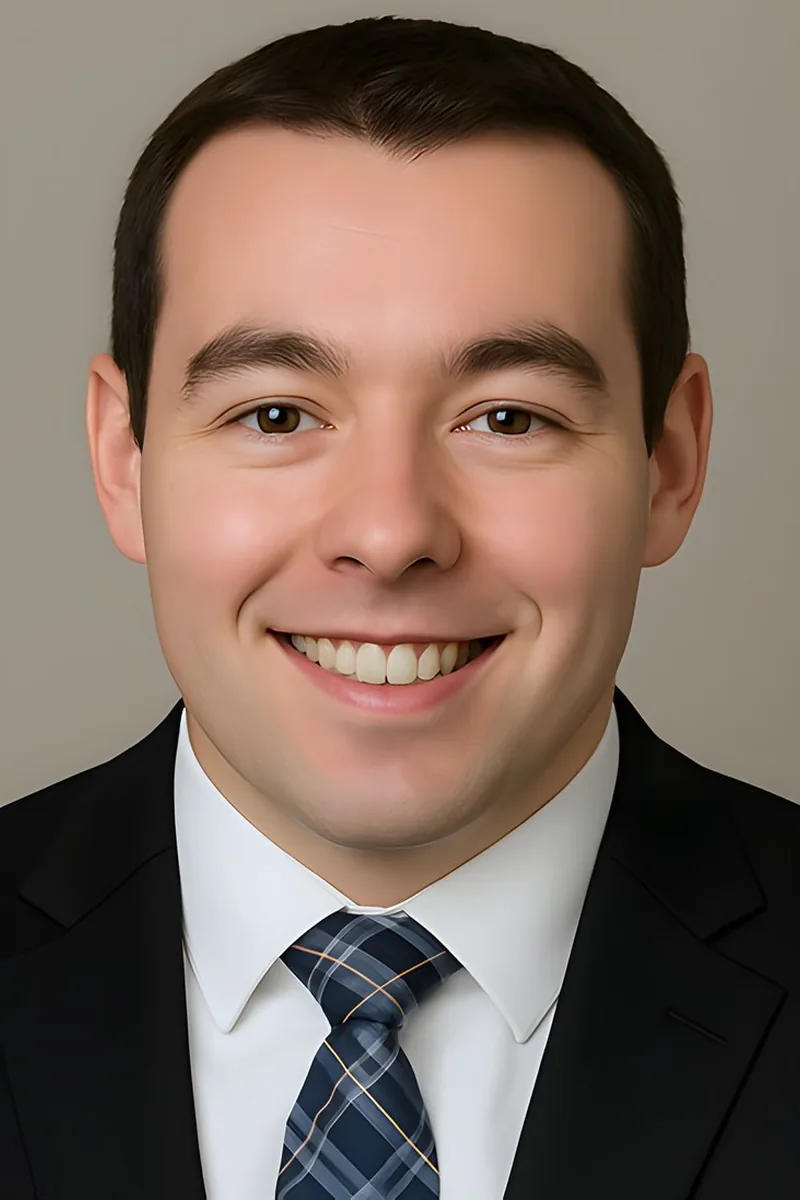
Medical school means Timothy is learning anatomy at the most rigorous level right now, which keeps every muscle origin, nerve pathway, and organ system fresh in his mind. He tackles the memorization challenge head-on with spatial reasoning tricks and mnemonic strategies that make structures like the brachial plexus or cranial nerves far more manageable.
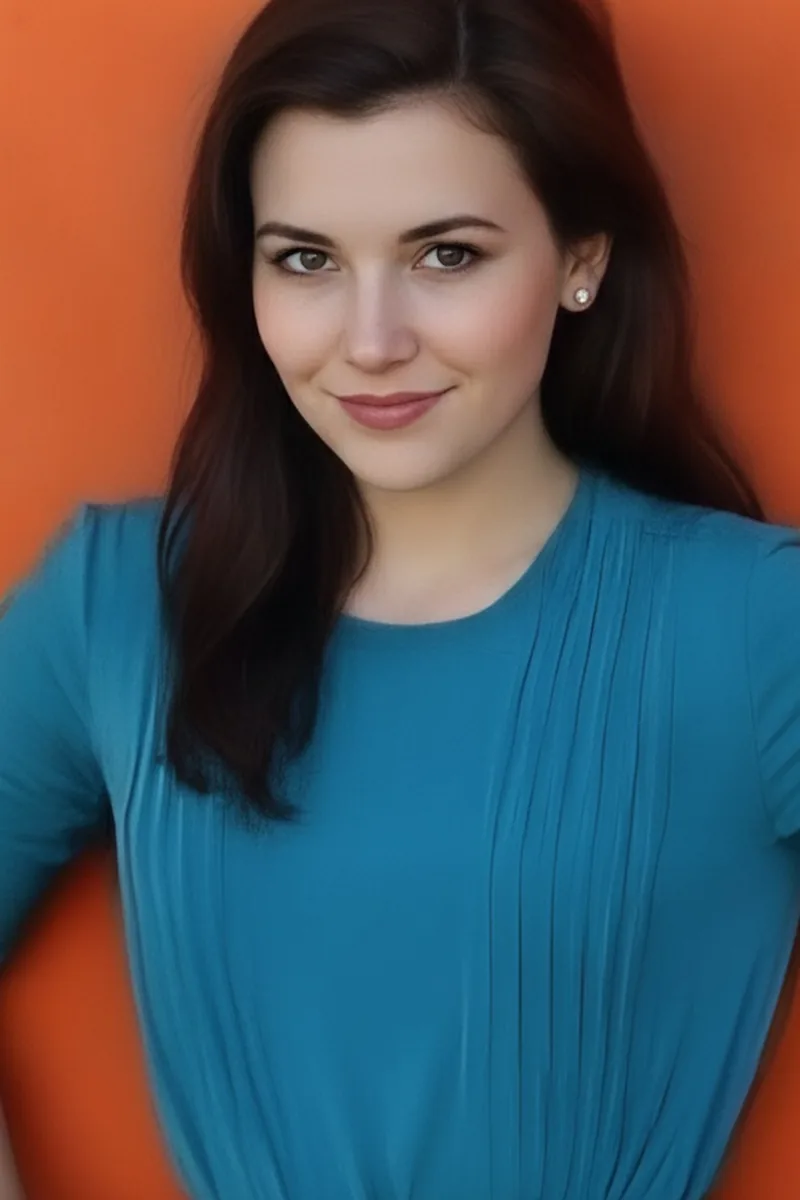
Studying pharmacology at Tulane meant knowing exactly where every nerve, vessel, and organ sits — because drug delivery depends on it. Helen teaches anatomy by building spatial understanding of body regions and systems rather than relying on brute-force memorization of isolated terms. Her 5.0 rating speaks to how well that approach lands.
Learning anatomy means building a mental map of the body where every structure has a reason for its location and shape. Nicholas's biology degree gave him deep exposure to human systems, and he teaches anatomical relationships — like why the recurrent laryngeal nerve takes its peculiar path — in ways that make spatial memorization far more intuitive.
Memorizing every bone, muscle, and nerve insertion point feels overwhelming until someone shows you the organizational logic underneath it all. Nathan's nursing education required him to master anatomy in a clinical context — identifying structures not just on diagrams but in terms of what happens when something goes wrong — and he brings that same practical framework to his teaching.
I am able to tutor in a wide range of subjects and am passionate about helping students succeeding. I've never been that student who 'got things' right away, but I learned how to work hard and ask for help when I needed it. I hope to pass this on to my students.
I am a graduate from UC Irvine, and grew up in Southern California. I began tutoring students in high school for science and math and picked up private tutoring for calculus and physics in college. I graduated UC Irvine as a biology major and a psychology minor. I enjoy private tutoring because it gives me an opportunity to alter my teaching habits and see which style best fits the student's learning ability. I enjoy teaching math and sciences because I see them as a puzzle and a challenge for the students at first but can become a favorable subject once the material is understood.
I am a patient, kind-hearted, and intelligent person who truly values the importance of education in a young individual's life. I am currently applying to medical school and understand the plight of the modern student. I enjoy teaching and it gives me a lot of satisfaction to watch others learn and grow through their academics. I enjoy working with students of all ages from elementary to high school and even in some special cases, college sciences.
I am a devoted tutor and life-long learner. I graduated from Indiana University Bloomington with a Bachelor of Science in Neuroscience and minors in Theatre & Drama and Biology. I was recently accepted to medical school and will begin my MD education this fall. I have experience tutoring a broad range of subjects, including science, math, history, and English, but my personal interests lie within the sciences. I have tutored students with diverse classroom and educational needs. I find joy in tailoring specific learning strategies to each of my students to provide them with individualized and quality support. I have always enjoyed learning new things inside and outside the classroom, and I most enjoy helping others find that same curiosity and excitement especially when accompanied by the feeling of accomplishment.
I am currently seeking admission into medical school. Meanwhile, I am doing what I enjoy doing the most, tutoring students and helping them through their academic struggles. I enjoy interacting with students and seeing them improve academically as it gives me a lot of self-satisfaction. I enjoy teaching chemistry, physics and mathematics the most.
I am currently working towards a doctorate in medicine from New Jersey Medical School. Throughout high school, college, and graduate school, I have tutored students ranging in age from elementary school to college freshmen in a variety of subjects particularly math and science. My favorite subject to tutor is math because it is very methodical and visual. Having a passion to help others, I am drawn to tutoring for the opportunity to share my knowledge with others. My family and friends have described me as being patient, compassionate, and personableall of the qualities that I believe I bring to my students. Outside of tutoring, I like Notre Dame football, dogs (especially my family's German Shepherd!), yoga, cooking, and reading.
Three years of dental school at Penn means Josh doesn't just know anatomy from a textbook — he's studied it through cadaver dissection and clinical application, especially the musculoskeletal and nervous systems of the head and neck. That hands-on depth translates into vivid explanations of structures, origins, insertions, and innervations that stick better than rote flashcard drilling.
Memorizing every bone, muscle, and nerve pathway in anatomy can feel like learning a foreign language — because it essentially is one, rooted in Latin and Greek terminology. Amanda's anthropology and archaeology training gave her years of hands-on experience with skeletal and muscular systems in ways most tutors never encounter. She teaches students mnemonic strategies and spatial reasoning techniques that turn rote memorization into durable understanding of structural relationships.
From brachial plexus branching patterns to the fascial compartments of the lower limb, anatomy rewards spatial thinking and systematic review. Emad has taught anatomy as an adjunct professor and conducted research at Columbia University, so he approaches each region with the precision of someone who has dissected, diagrammed, and clinically applied this material across two medical programs.
As a doctoral physical therapy student at Washington University, James studies human anatomy with a level of detail that goes well beyond introductory courses — from musculoskeletal origins and insertions to the brachial plexus and cranial nerves. He teaches anatomy by organizing structures into functional groups rather than isolated facts, which makes large volumes of material far more manageable. His 4.9 rating speaks to how well that approach lands with students.
Memorizing every bone, muscle, and nerve pathway in anatomy can feel overwhelming without a framework to organize it all. Justin tackles the subject regionally and functionally — connecting the brachial plexus to actual arm movements, or tracing blood flow through the heart to explain why valve defects produce specific symptoms. His Human Science background keeps the focus on how structures serve the living body, not just their Latin names.
Working in a biochemistry lab at NYU Medical Center while applying to medical school, Alex lives inside the human body's systems daily — and his Columbia biology teaching assistant role meant explaining structures like organ relationships and tissue layers to students encountering them for the first time. That combination of active research and classroom teaching gives him a practical fluency with anatomy that translates directly into clear, efficient tutoring sessions. Rated 4.9 by students.
Memorizing every bone, muscle, and nerve pathway in anatomy feels overwhelming until someone shows you the organizational logic underneath it all. Eugene's doctoral studies in biomedical science at Morehouse School of Medicine gave him a systematic way to learn anatomical structures — grouping them by region, function, and clinical relevance. He teaches students to build mental maps of the body rather than relying on brute-force memorization.
Memorizing every bone, muscle, and nerve pathway in anatomy can feel overwhelming without a framework for why structures are shaped and positioned the way they are. Varuna's biomedical engineering background — where she studied how mechanical forces act on tissues and how devices interface with the body — gives her exactly that framework. She teaches anatomy as a design problem, which makes retention far more intuitive.
Jacob doesn't just know anatomy from a textbook — he's worked hands-on with the skeletal archives at the American Museum of Natural History, cataloging and studying actual specimens. That experience makes him especially effective at teaching musculoskeletal structures, bone landmarks, and organ systems in a way that connects memorization to real physical context.
Learning primate skeletal and muscular anatomy firsthand at Duke's Lemur Center gave Benjamin a tactile understanding of the structures most anatomy courses cover — bones, joints, muscle origins and insertions, and organ placement. He teaches by building spatial maps of the body region by region, linking each structure's name to its function so the terminology sticks.
Memorizing every bone, muscle insertion, and nerve pathway in anatomy can feel like drinking from a fire hose. Laura's biology training and current work in environmental health sciences at Columbia gave her practical strategies for organizing anatomical structures by region and function — turning a massive vocabulary list into a system that actually sticks.
Testimonials
Because the right Anatomy tutor makes all the difference.
Average Session Rating – Based on 3.4M Learner Ratings
Practice Anatomy
Free practice tests, flashcards, and AI tutoring for Anatomy
Nearby Anatomy Tutors
Other San Francisco Tutors
Related Science Tutors in San Francisco
Frequently Asked Questions
Anatomy requires both memorization and deep understanding of how body systems work together. Personalized tutoring helps you move beyond rote learning by connecting structures to their functions—for example, understanding why the heart's four chambers are shaped the way they are, rather than just naming them. Tutors can use visual aids, real-world examples, and guided practice to help you build conceptual frameworks that make the material stick and transfer to new problems.
Many students find 3D visualization challenging, especially when learning about organs, skeletal systems, and tissue layers from 2D textbooks. Tutors can help you develop visualization strategies using models, diagrams, interactive tools, and spatial reasoning exercises. Breaking complex structures into smaller components and practicing from multiple angles—cross-sections, anterior/posterior views, and functional relationships—makes these abstract concepts more concrete and memorable.
Absolutely. Personalized tutoring can help you prepare for lab practicals by reviewing anatomical terminology, understanding specimen preparation, and practicing identification skills before you enter the lab. Tutors can also help you develop a systematic approach to dissections and microscopy work, ensuring you understand the purpose of each lab exercise and how it connects to lecture material. This preparation typically leads to better lab grades and deeper understanding of anatomical relationships.
Students in San Francisco schools often find the nervous system, cardiovascular system, and musculoskeletal anatomy most challenging due to their complexity and the need to understand both structure and function simultaneously. Additionally, learning anatomical terminology and directional language—like medial, lateral, and proximal—can be overwhelming at first. Personalized instruction helps you master these foundational concepts so you can confidently tackle more complex systems and their interactions.
Your first session is designed to assess your current understanding, identify specific challenges, and build a personalized learning plan. The tutor will likely review your course materials, discuss which topics feel most confusing, and determine whether you need help with terminology, visualization, lab preparation, or exam strategy. You'll leave with a clear sense of how tutoring will support your anatomy goals and what to focus on in upcoming sessions.
Tutors help you develop effective study strategies that go beyond passive review—using practice questions, self-explanation techniques, and spaced repetition to strengthen long-term retention. They can also help you identify which concepts you truly understand versus which ones you're only memorizing, allowing you to focus study time where it matters most. Mock exams and targeted feedback on common mistakes ensure you walk into test day confident and prepared.
Look for tutors with strong backgrounds in anatomy, biology, or related health sciences—ideally with experience teaching or tutoring anatomy at the high school or college level. It's also valuable to find someone familiar with your specific curriculum or exam (like AP Biology, college anatomy courses, or health professions prerequisites). Varsity Tutors connects you with expert tutors who can demonstrate their knowledge and teaching approach during your first session.
Anatomy knowledge builds a foundation for understanding health, medicine, fitness, and countless health professions. When you truly understand how your body works—from cellular function to organ system integration—you develop scientific thinking skills that apply far beyond the classroom. Whether you're pursuing a career in healthcare, sports science, or simply want to make informed health decisions, personalized anatomy tutoring helps you develop lasting understanding rather than short-term test knowledge.
Let’s find your perfect tutor
Answer a few quick questions. We’ll recommend the right plan and match you with a top 5% tutor.