
10+ years of tutoring
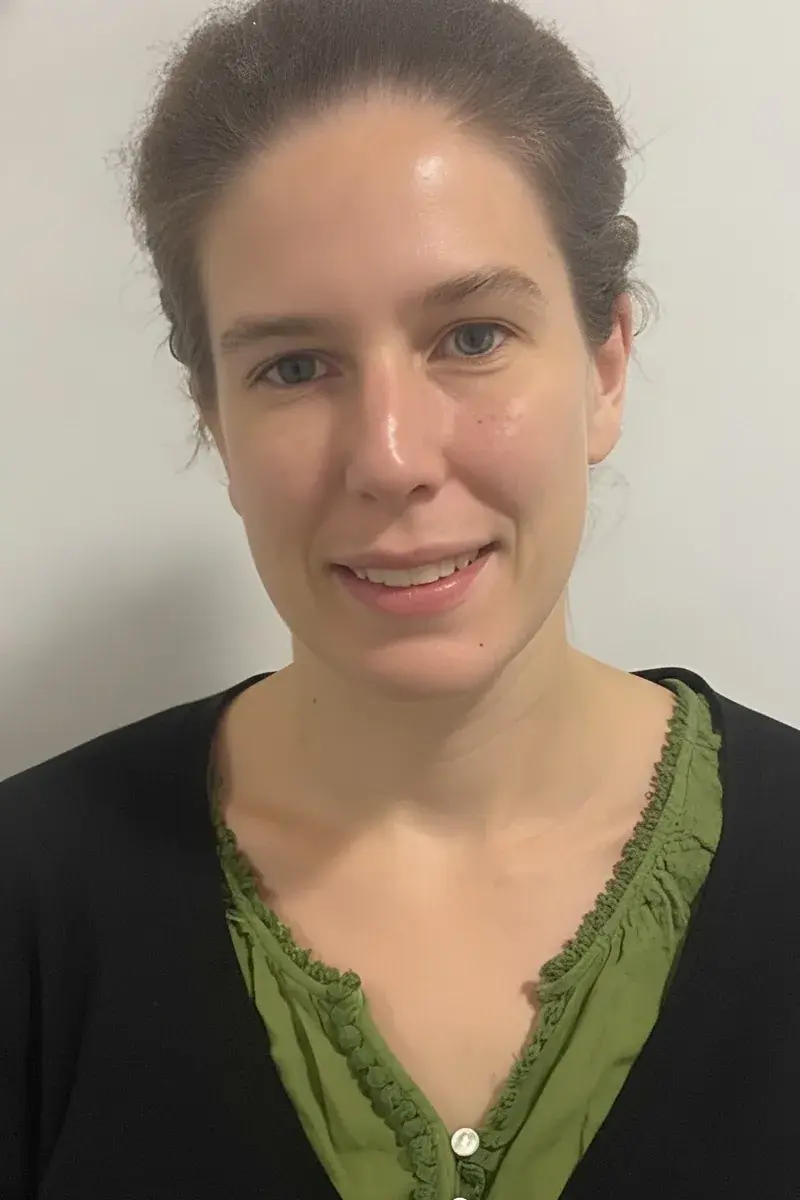
Margaret
- I am a language arts teacher in every sense of the term!
About Me
To tell you a little about my professional life, I have been working in Seoul as an English teacher for the past 5 years. I've taught in middle school, high school, and university positions but have most recently been working in a gifted school for English-fluent students looking to study advanced language arts concepts. I obtained my bachelor's in English literature and my master's in secondary English education from the University of Tennessee in Knoxville. I have recently relocated to the United States and am anxious to continue my teaching career. My enthusiasm for teaching is boundless. My aim is to promote global citizenship and a broader understanding of our post-technological revolution world through bettering understanding of the English language, its contextual intricacies, and global communication. I have worked hard to build holistic environments which encourage questioning, student-created content, and a consistent focus on language processing. Now, on a more casual note, I love traveling and have done it extensively throughout North America, Asia, and Europe. I also love to bake, am extremely extroverted, and have been trained as a choral singer since I was 7. I like to think of myself as laid-back, but professional and highly driven. I find myself comfortable in almost every situation I find myself in! I look forward to speaking with you further about how I can best help you reach your goals!
Hobbies & Interests
Classically trained singer, art lover, personable extrovert, world traveller
Education
All Subjects
Q&A with Margaret
Who needs tutoring?
No obligation. Takes ~1 minute.
Tutors with Similar Experience
Victoria
Julie
Paula

Eric

Angela
Allan


Let’s find your perfect tutor
Answer a few quick questions. We’ll recommend the right plan and match you with a top 5% tutor.