Award-Winning College Essays Tutors
serving Harrisburg, PA
College Essays
Tutors in Harrisburg
Private 1-on-1 tutoring, weekly live classes for academic support, test prep & enrichment, practice tests and diagnostics, and more to elevate grades and test scores.
Based on 3.4M Learner Ratings
UniversitiesSchools & Universities
DeliveredHours Delivered
ProficiencyGrowth in Proficiency
Who needs tutoring?
No obligation. Takes ~1 minute.

Reading literature well is really an exercise in building an argument — what does this passage claim, and how does the author's structure support it? Michael's philosophy degree from the University of Scranton trained him in exactly that kind of close textual analysis, and he applies it whether a student is unpacking Hamlet's soliloquies or dissecting a Toni Morrison novel. He's also a genuine reader outside the classroom, which keeps discussions from feeling like checklists.
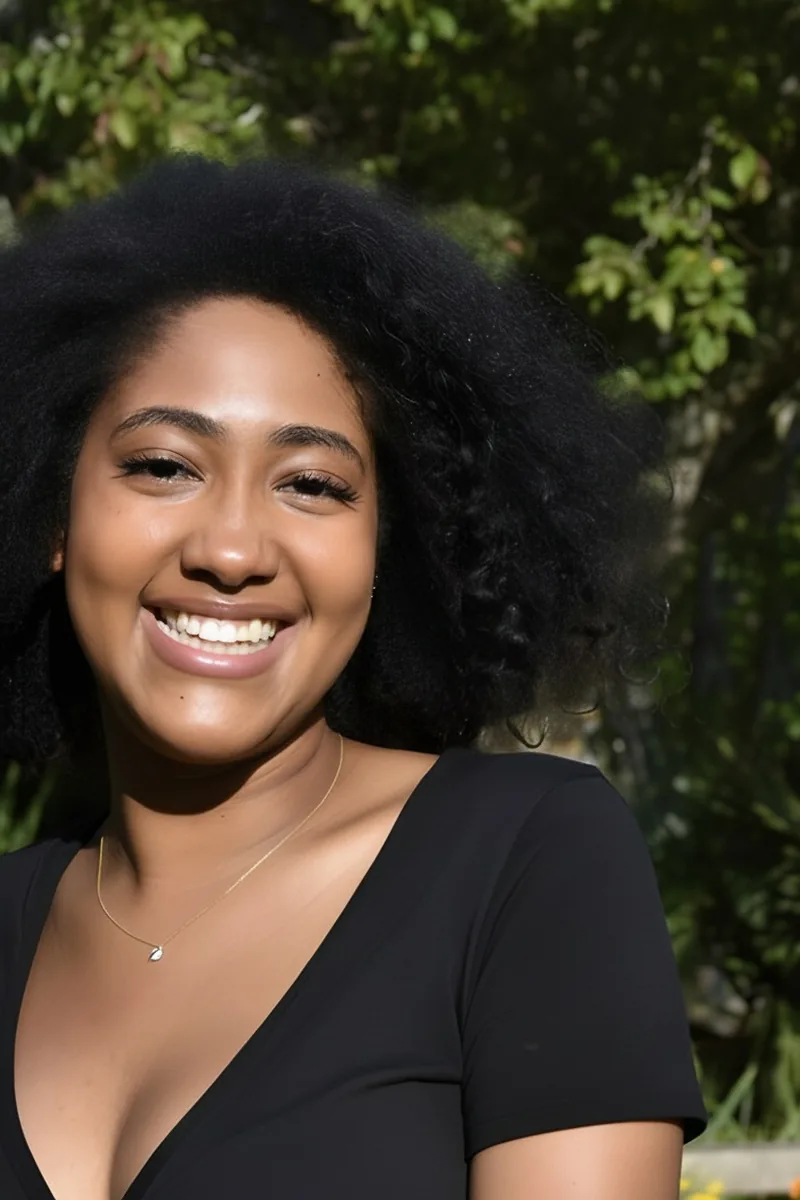
I am committed to making tutoring fun and beneficial for all my students. I graduated magna cum laude from my high school as salutatorian in 2018, with distinction from Duke University with a B.S. in neuroscience in 2022 and am an incoming graduate student at Columbia University. Although each of my academic experiences posed different challenges, one thing made me successful at each stage- my zeal for learning. In my experience as a tutor and in my future endeavors, I want to impart this excitement for learning to each of my students. In tutoring sessions, I introduce topics in fun and engaging ways while thoroughly teaching key concepts and important skills. I then give students the opportunity to personally engage with the material by exploring and problem-solving. I adapt my approaches for each students' particular learning style, strengths, and weaknesses to make them excel in their desired subjects and excited about learning.
Every admissions reader skims hundreds of essays about "overcoming challenges" — Abigail's job is making sure yours doesn't sound like any of them. As a senior English and Psychology double major, she digs into what actually makes a personal narrative compelling: specificity, voice, and a structure that reveals something genuine about the writer rather than performing vulnerability.
As a current pre-health grad student at Penn, Shayan has navigated the exact admissions process that college essay writers are facing — crafting a personal narrative that stands out in a competitive applicant pool. He zeroes in on finding the one specific story or moment that reveals character, then builds the essay's structure around it so every paragraph earns its place.
A strong college essay turns a specific moment into a window on how a student thinks — and that's harder to pull off than it sounds. Ben went through the Penn admissions process himself and now walks students through brainstorming, drafting, and revising personal statements that sound genuinely like them rather than like a template.
As a current medical student at Penn who successfully navigated the admissions process at a top program, Matthew knows what makes a personal statement land with a committee. He zeroes in on narrative structure — finding the one specific moment or thread that reveals character — and then tightens every paragraph around it. His editing instinct is sharp: he'll tell you which anecdote is doing the heavy lifting and which ones are diluting your voice.
Engineering might seem far from essay writing, but Kate's experience crafting research narratives and personal statements across multiple degree programs taught her what admissions readers actually look for: a specific story told with genuine voice. She walks students through brainstorming, structural choices, and revision — turning vague drafts into essays that sound like the person who wrote them. Her 4.9 rating speaks to how well that process works.
College application essays live or die on specificity — admissions readers can spot a generic personal statement in seconds. Victoria has honed a direct, pointed essay-writing style through years of academic work and knows how to help a student find the one concrete story that reveals something an activities list can't. She's particularly sharp at cutting filler and tightening prose so every sentence earns its place.
Medical school admissions taught Nishad firsthand how a personal statement can make or break an application — and he brings that same stakes-awareness to undergraduate college essays. He digs into brainstorming with students to find the one story that admissions officers haven't read a hundred times, then sharpens the narrative voice until the essay sounds unmistakably like them.
A college essay that reads like a résumé in paragraph form won't stand out — admissions readers want a specific voice and a genuine story. Simon, an avid writer himself, teaches students to identify the one moment or detail that reveals something a transcript can't, then structure the entire essay around it. He also knows how to trim filler and tighten language so the final draft stays well under the word limit without losing personality.
College admissions readers skim hundreds of essays a day, so the difference between forgettable and memorable often comes down to a single specific moment rendered honestly. As a current Penn student who went through this process recently, Kevin knows what admissions teams respond to and where applicants tend to over-explain or play it safe. He walks students from brainstorming through final revision, sharpening voice and structure along the way.
Having navigated the college application process into Cornell's engineering program, Mary knows what admissions officers look for — specificity, authentic voice, and a narrative arc that reveals something a transcript can't. She digs into brainstorming with students to find the one story worth telling, then shapes drafts until the essay sounds like them at their most compelling.
A strong college essay isn't about listing accomplishments — it's about revealing how you think. Wamweni's International Relations background and graduate work at Penn give her sharp instincts for narrative structure and argument, and she walks students through multiple drafts until the voice on the page actually sounds like them.
An MIT math major might not be the obvious choice for essay coaching, but Enrico's 36 ACT and 1570 SAT mean he recently navigated the same high-stakes admissions process his students are facing — and his own essays had to make a spectral graph theory obsession sound compelling to a non-technical reader. He's sharp at helping applicants who live in the world of numbers find the specific, human story underneath the equations. Rated 5.0 by students.
Getting into Penn's accelerated nursing program required Kristin to write essays that translated a biology-and-philosophy background into a compelling narrative about clinical ambition. She draws on that experience to teach applicants how to identify the specific story only they can tell, then structure it so admissions committees remember it. Rated 5.0 by students.
A strong college essay doesn't summarize a résumé — it reveals how a student thinks. Kathleen, who works with 12th graders every day at a Philadelphia magnet school, walks students through brainstorming authentic topics, crafting a narrative arc, and cutting the generic filler that admissions officers skim past.
Biochemistry majors aren't the obvious pick for essay coaching, but Zachary's science training actually sharpens his editing — he's ruthless about cutting vague claims and pushing students to show evidence for every point they make about themselves. He breaks the drafting process into structured steps: pinpointing one specific moment worth exploring, building the narrative around it, and revising until every sentence pulls its weight. Rated 5.0 by students.
A strong college essay doesn't just list accomplishments — it reveals how a student thinks. Matt's interdisciplinary background spanning neuroscience, nutrition, and Spanish gave him plenty of material for his own application essays, and he knows how to coach students through finding their unique angle and structuring a narrative that admissions officers remember. Rated 5.0 by students.
Before college, Katherine created and ran an online writing program for younger students, and she's carried that editorial instinct into college essay coaching. She digs into what makes a personal statement actually personal — sharpening the narrative arc, cutting vague filler, and making sure the student's voice stays front and center rather than sounding like every other applicant.
Getting into medical school meant Annie wrote and rewrote personal statements until every sentence earned its place — and she brings that same rigor to college essay work. She teaches students how to find the one story that reveals something an admissions officer can't get from transcripts, then structure it so the opening line pulls readers in and the conclusion lands.
Admissions officers read thousands of essays about wanting to help people — Annie knows how to make a STEM-focused application stand out because she's lived the process, earning a spot in Cornell's biomedical engineering program. She digs into what makes a personal statement specific and memorable, from choosing an unexpected angle to cutting filler sentences that dilute the core narrative.
Crafting a college essay that sounds like a real person wrote it — not a thesaurus — is exactly the kind of work Hannah's MFA in Creative Writing at Temple prepared her for. She digs into brainstorming, narrative structure, and voice, pushing students to find the specific detail or moment that admissions officers will remember. The goal is a draft the student genuinely recognizes as their own.
Having recently navigated the admissions process at Princeton, Naomi knows what it takes to turn a vague personal idea into a compelling college essay. She digs into brainstorming, structural choices, and voice — making sure each draft sounds like the student writing it, not a polished version of someone else.
A strong college essay doesn't just list accomplishments — it reveals how a student thinks. Jennifer brings an engineer's eye for structure to the brainstorming and drafting process, helping applicants find the one specific story that makes an admissions reader pause. Her 5.0 rating speaks to how well that analytical-yet-personal approach lands with students.
A strong college essay doesn't summarize a résumé — it reveals how a student thinks. Kirstie's approach starts with brainstorming sessions that dig past the obvious topic choices to find the specific story or perspective that only this applicant could write. She then edits iteratively, tightening structure and voice until the essay sounds authentically like the student, not like a template.
Engineering admissions essays have a particular challenge: showing personality and intellectual curiosity in a field that sounds purely technical. Steve went through that process himself for both his undergraduate and graduate programs, and he teaches students to identify a specific narrative thread — a project, a question, a turning point — and build the entire essay around it.
Having recently navigated the college application process as a Penn student, Alexander understands what admissions readers are actually looking for: a specific, honest voice rather than a résumé repackaged as narrative. He walks students through brainstorming, drafting, and revising so the final essay sounds unmistakably like them — not like every other applicant.
Four years living in Chile, a triple major at Tufts, and a current graduate program at Penn — Anna knows how to turn an unconventional path into a compelling narrative, which is exactly what college admissions essays demand. She digs into brainstorming and revision with students, pushing them past generic "overcoming adversity" drafts toward essays that sound unmistakably like them.
Cognitive science at Penn means Samantha spends her coursework studying how people process narratives, form impressions, and make decisions — which is essentially what an admissions reader does in the four minutes they spend on an application. She uses that lens to help applicants identify the specific detail or tension in their story that will stick in a reader's mind, then builds the draft around that anchor rather than letting it wander through a résumé of accomplishments.
College admissions essays live or die on voice, and Hannah's background — writing for newspapers, campus publications, and even a textbook section — means she knows how to shape a personal narrative that actually sounds like the student, not a thesaurus. She walks applicants through brainstorming, drafting, and revising with an eye toward what admissions readers are scanning for: specificity, self-awareness, and a clear throughline.
A great college essay doesn't summarize a résumé — it reveals how a student actually thinks. Alessia went through the Penn admissions process recently enough to remember exactly what makes a personal statement land, and she digs into brainstorming, voice, and structural choices with each student she advises. Her political science training sharpened her instinct for persuasive, precise writing that admissions readers notice.
Bradley has guided students through the college application process as a secondary school teacher who knows what makes a personal statement land versus fall flat. He digs into brainstorming and revision — identifying the specific story or moment that reveals something an admissions reader can't find anywhere else in the application.
Currently navigating graduate school applications and preparing for medical school admission, Emma understands the pressure of distilling your story into a compelling personal statement. She digs into what makes an essay memorable — a specific moment, an honest reflection, a clear narrative arc — and pushes drafts past generic "I want to help people" territory into something admissions officers actually remember.
A strong college essay doesn't summarize accomplishments — it reveals how a student thinks. Justin has taught college-level writing for a decade and understands what admissions readers respond to: a specific narrative voice, tight structure, and the confidence to let one honest moment carry more weight than a list of achievements. He walks applicants through brainstorming, drafting, and revision until the essay sounds unmistakably like them.
Having navigated the college application process as a pre-med student balancing dance, photography, and political advocacy, Annabel knows how to turn a scattered list of activities into a cohesive personal narrative. She digs into what makes an essay memorable — specificity, voice, and a clear throughline — and pushes students to revise until the draft sounds unmistakably like them.
A college essay that reads like a résumé summary gets skimmed; one that tells a specific story gets remembered. Winnie's training in both comparative literature and journalism gives her a sharp eye for narrative structure and concision — she teaches students to find the one moment or detail that reveals something genuine, then build a draft around it without overwriting.
Philosophy majors spend years learning to build an argument that's both logically tight and genuinely compelling — exactly what a college admissions essay needs to do in 650 words. Keenan applies that training to essay structure, helping students identify a single vivid thread from their experience and develop it into a narrative that admissions officers remember. He's rated 5.0 by students.
College admissions essays live or die on specificity — the difference between a generic "I learned leadership" narrative and a scene that makes an admissions reader pause. Viraj went through this process at Cornell and now walks students through brainstorming, drafting, and revising personal statements that sound like them, not like a thesaurus. His background in psychology also sharpens his instinct for what makes a story emotionally compelling.
Going through the Cornell engineering admissions process gave Ryan firsthand insight into what makes a college essay land — specificity, voice, and a clear throughline. He walks students through brainstorming, drafting, and ruthless revision, pushing them to find the one story that only they could tell.
A strong college essay doesn't summarize a résumé — it reveals how a student thinks. Stephanie approaches the personal statement as a narrative craft problem, drawing on her Cinema and Media Studies background to teach structure, voice, and the art of showing rather than telling. She's particularly sharp at identifying the one compelling thread in a student's draft and cutting everything that dilutes it.
Testimonials
Because the right College Essays tutor makes all the difference.
Average Session Rating – Based on 3.4M Learner Ratings
Other Harrisburg Tutors
Related English Tutors in Harrisburg
Frequently Asked Questions
A strong college essay showcases your authentic voice, tells a meaningful story about who you are, and demonstrates self-reflection. Focus on selecting a topic that reveals something important about your character, values, or experiences—then develop it with specific details and examples rather than broad generalizations. Admissions officers want to understand what makes you unique, so prioritize genuine insight over trying to impress with fancy vocabulary or what you think they want to hear.
Most effective college essays follow a clear arc: a compelling opening that draws readers in, a developed middle section that explores your main idea or story with concrete details, and a conclusion that reflects on what you've learned or how you've grown. Strong structure doesn't mean rigid—it means guiding your reader through your thinking logically so they can follow and connect with your narrative. Personalized tutoring can help you identify the structure that best serves your particular story and topic.
Effective revision involves multiple passes: first, read for big-picture issues like clarity and flow; then focus on sentence-level refinement, word choice, and eliminating unnecessary phrases; finally, proofread for grammar and spelling. It helps to get feedback from someone who can read with fresh eyes and ask clarifying questions about your meaning and impact. Working with a tutor gives you personalized guidance on strengthening your argument, deepening your examples, and polishing your voice throughout the revision process.
Students often struggle with writer's block when they can't find the "perfect" topic, or they choose stories that feel generic rather than personally revealing. Other frequent issues include trying to cover too much ground instead of going deep with one meaningful experience, using overly formal language that masks their authentic voice, and neglecting to show rather than tell through specific examples. For students in Harrisburg working on essays, personalized feedback helps identify these patterns in your writing and develop strategies to address them.
Your authentic voice emerges when you write as you actually think and speak—not how you imagine an admissions officer wants you to sound. Use specific details, examples, and even humor if that's natural to you; avoid clichés and overly formal language that distance readers from who you really are. Reading your essay aloud helps you catch places where you sound stiff or inauthentic, and working with a tutor can help you strengthen the moments where your genuine perspective shines through most clearly.
Starting early—ideally in the summer before senior year or early fall—gives you time to brainstorm topics, draft multiple versions, and revise without rushing. Most students benefit from stepping away between drafts to gain perspective, and having a tutor review your work at different stages helps you catch issues early rather than scrambling at the deadline. Even if you're already in the thick of applications, personalized tutoring can accelerate your progress and strengthen essays you've already started.
A tutor provides detailed, personalized feedback on your specific strengths and areas for growth—not just surface-level corrections, but insights into how your ideas land, where you need more support or examples, and how to strengthen your overall argument and voice. Unlike a one-time peer review, ongoing tutoring means you get guidance through multiple drafts, helping you understand the principles behind good writing so you can apply them independently. This targeted feedback accelerates improvement and builds your confidence as a writer.
Varsity Tutors connects you with experienced tutors who specialize in college essay writing and understand what admissions officers are looking for. You can share your timeline, specific challenges, and essay prompts, and get matched with someone who fits your needs and learning style. The first session is a great opportunity to discuss your topic ideas, understand the tutor's approach to feedback and revision, and create a plan for getting your essays polished and ready.
Let’s find your perfect tutor
Answer a few quick questions. We’ll recommend the right plan and match you with a top 5% tutor.