Award-Winning Contract Law Tutors
serving Cleveland, OH
Contract Law
Tutors in Cleveland
Private 1-on-1 tutoring, weekly live classes for academic support, test prep & enrichment, practice tests and diagnostics, and more to elevate grades and test scores.
Based on 3.4M Learner Ratings
UniversitiesSchools & Universities
DeliveredHours Delivered
ProficiencyGrowth in Proficiency
Who needs tutoring?
No obligation. Takes ~1 minute.
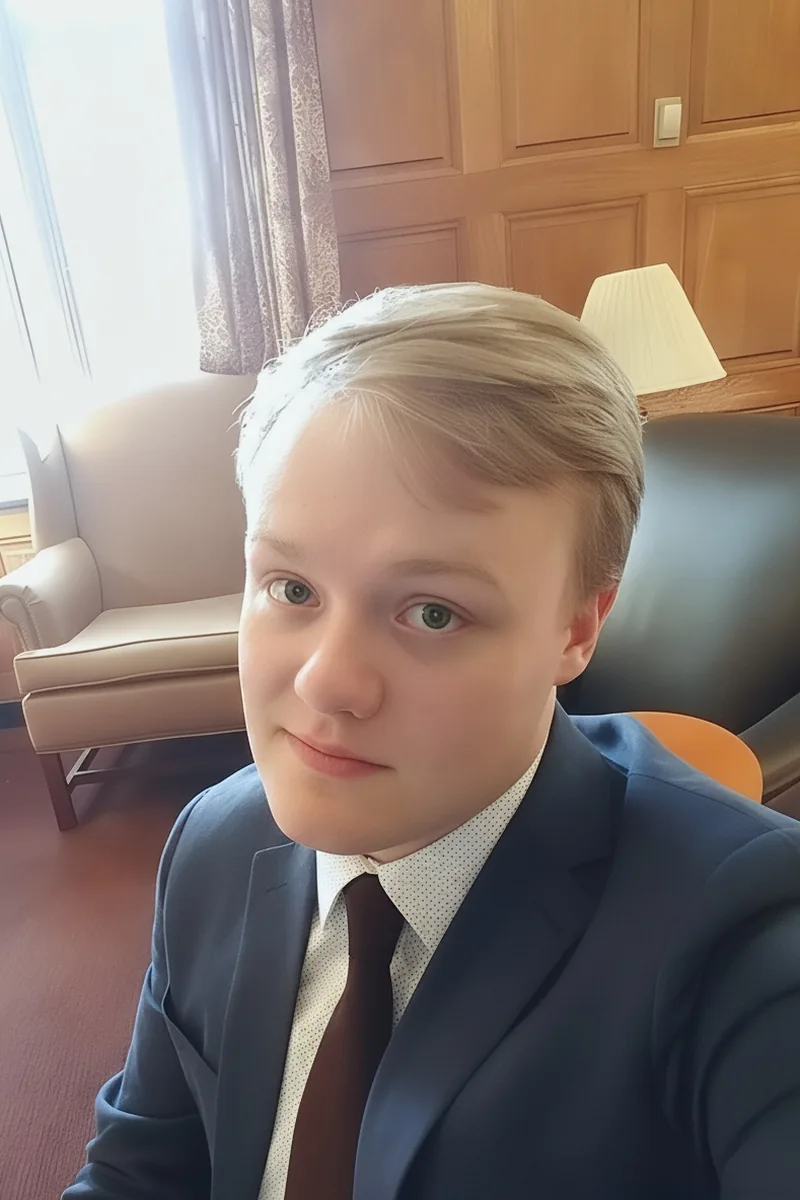
Trace practiced contract law directly and studied it across two legal systems — American common law at Cornell and French civil law at the Sorbonne. That comparative lens makes him especially effective at unpacking concepts like consideration, conditions precedent, and the parol evidence rule, because he can explain not just what the rules are but why American contract doctrine developed the way it did. Students preparing for exams get targeted practice in issue-spotting and applying UCC provisions to hypothetical transactions.

Andrew holds a PhD in Law and Management, which means he's spent years analyzing how legal doctrine and business strategy intersect — exactly the kind of dual lens that makes contract concepts like implied terms, third-party beneficiaries, and damages calculations click for students. He teaches contract law by grounding each rule in the commercial reality it was designed to address, so students learn to reason through fact patterns rather than recite elements from a checklist.
Consideration, offer and acceptance, and the parol evidence rule can feel like abstract puzzles until someone maps out how they work in real disputes. John earned his PhD in Law and then co-founded a tech company where he negotiated contracts firsthand — so he teaches contract doctrine with the practical clarity of someone who's drafted and disputed real agreements.
Lisa's background spans history, writing, and legal research — a combination that sharpens the close-reading and argumentation skills contract law exams actually test. She digs into how courts interpret ambiguous contract language by treating each fact pattern as a text to be analyzed, teaching students to construct layered arguments around formation defenses and breach remedies. Rated 4.9 by students.
A PhD in Immigration and Legal Writing means Mark has spent years inside the kind of dense statutory analysis and precise argumentation that contract law exams demand. He teaches students to build IRAC responses that cleanly trace issues like conditions, defenses, and breach remedies through layered fact patterns. His legal writing background is especially useful for students who can spot the issues but struggle to articulate their analysis under time pressure.
Rahul's finance concentration at Babson means he's spent real time analyzing term sheets, service agreements, and deal structures — the kind of documents where offer, acceptance, and consideration aren't abstract concepts but practical stakes. He brings that business-side fluency to contract law tutoring, breaking down how doctrines like breach remedies and conditions precedent play out in commercial contexts. His approach connects the theory to transactions students can visualize, which makes issue-spotting on exams more intuitive.
Offer, acceptance, consideration, breach — contract law sounds straightforward until a fact pattern buries the issues inside ambiguous terms and competing doctrines like promissory estoppel or the UCC's gap-fillers. Terry's JD background means he can teach students to dissect hypotheticals the way law professors expect, building IRAC-structured answers that demonstrate real analytical depth.
Offer, acceptance, consideration — the basics of contract formation sound simple until a professor throws in a battle-of-the-forms problem or a promissory estoppel hypo. Michael walks students through UCC Article 2 versus common-law rules side by side, building the analytical habit of asking which framework applies before diving into the merits.
I am a detail-oriented multi-tasker with experience implementing long-term planning academic strategies and managing client needs. I have earned multiple Ivy League degrees, including: a post-baccalaureate from Harvard University; a JD from Columbia University School of Law, where I also served as Senior Editor on The Columbia Human Rights Law Review and Senior Editor on The Columbia Law School Jailhouse Lawyer's Manual. I additionally was the Founder/Editor/Writer/Cartoonist for a law school publication, The Satiric Method. I graduated magna cum laude from Dartmouth College with an Honors B.A. in English Literature and Creative Writing and a B.A. in Russian Area Studies. I am a licensed attorney with over 25 years of professional paid and volunteer tutoring, writing, and homeschooling experience. I have experience tutoring every age level, from childhood to graduate school. I am comfortable tutoring one-on-one or in groups.
As a current law student, Kathryn digs into contract law with the specificity the subject demands — offer and acceptance, consideration, conditions precedent, and breach remedies like expectation versus reliance damages. She teaches students to read fact patterns the way courts do, spotting the dispositive issues before outlining an answer.
Lindsey is a Villanova law graduate who has worked at firms in Philadelphia, D.C., New Orleans, and Lyon, giving her practical exposure to how contract principles play out beyond the casebook. She breaks down offer-and-acceptance analysis, consideration doctrine, and common defenses like unconscionability by walking through real contract disputes rather than abstract hypotheticals.
Offer, acceptance, consideration, and breach sound straightforward until a professor throws in a promissory estoppel hypo or a battle-of-the-forms question under UCC § 2-207. Ryan tackles contract law by teaching students to spot the issue buried in complex fact patterns and construct tight, rule-driven analyses. His legal practice gives him a working fluency with contract principles that goes well beyond the textbook.
I like learning anything new and enjoy reading, but I'm not fond of school. I made good grades only when the subject interested me. However, I have always done very, very well on standardized tests, probably because I read so much. I was a National Merit finalist and my LSAT score was in the 99th percentile. In today's system, that is about a 174. I attended law school at the University of Houston, graduated, passed the Texas bar with a decent score of 83, and practiced law for a long time. I quit practicing law when I moved to a small town in Central Texas. I began tutoring about a few years ago and discovered that I truly enjoy the intellectual challenge of tutoring and the opportunity to interact with a lot of bright, hard-working students. I had never tutored or taught before, so I read lots of study guides and picked out suggestions and tactics that made sense to me. I look for multiple ways to illustrate concepts because everyone understands information differently. My work with students is based on my experience, what I have studied, and feedback from my students. I think that tackling a problem directly is usually faster than looking for a trick or shortcut. I also help students with their applications and enjoy tutoring in writing and similar topics.
Testimonials
Because the right Contract Law tutor makes all the difference.
Average Session Rating – Based on 3.4M Learner Ratings
Other Cleveland Tutors
Related Law Tutors in Cleveland
Frequently Asked Questions
Contract Law courses generally cover the fundamentals of how agreements are formed, including offer and acceptance, consideration, and the intent to be legally bound. Students also study contract interpretation, performance and breach, remedies for breach, and special contract types like sales of goods under the UCC. Many courses include discussions of defenses to contract formation, such as fraud, duress, and unconscionability, which are critical for understanding when contracts may not be enforceable.
Students often struggle with the abstract reasoning required to analyze fact patterns and apply contract principles—it's not just memorizing rules, but understanding how they interact in real situations. The distinction between conditions precedent, conditions concurrent, and conditions subsequent can be confusing, as can the nuances of contract interpretation when language is ambiguous. Many students also find it difficult to distinguish between different types of damages (expectation, reliance, restitution) and to apply the right remedy to a given breach scenario.
A tutor can break down complex doctrines into digestible pieces, work through fact patterns at your pace, and help you develop a framework for analyzing contracts systematically. Personalized 1-on-1 instruction allows tutors to identify your specific weak areas—whether that's formation issues, interpretation, or remedies—and focus on those gaps. Tutors can also help you practice spotting issues in hypotheticals and articulating your analysis clearly, skills that are essential for exams and real legal work.
Active practice with fact patterns is far more effective than passive reading—work through as many hypotheticals as you can and articulate your analysis out loud or in writing. Create flowcharts or decision trees for key concepts like offer and acceptance, or the different types of conditions, to help organize your thinking. Regular spaced review of cases and doctrines, combined with practice exams under timed conditions, helps reinforce learning and builds confidence in applying principles quickly and accurately.
Start by ensuring you understand the core doctrines cold—you need to be able to spot issues and apply rules without hesitation. Practice full-length exam questions under timed conditions to get comfortable with the pacing and to identify which areas still need work. Review model answers and sample analyses to see how experienced lawyers structure their reasoning, then practice writing your own analyses of similar problems to build confidence in your approach.
Varsity Tutors connects you with expert tutors who have deep knowledge of Contract Law and experience helping students master the subject. You can share your specific goals—whether you're preparing for an exam, working through a difficult unit, or building a stronger foundation—and we'll match you with a tutor whose expertise fits your needs. The first session is a great opportunity to discuss your learning style and challenges so your tutor can tailor their approach from day one.
Your first session is primarily about understanding where you are and where you want to go. Your tutor will likely ask about your current coursework, which topics feel strongest and weakest, and what your goals are—whether that's improving exam performance, understanding specific concepts, or building overall confidence. You'll probably work through a sample problem or two to help your tutor gauge your current level and identify the best starting point for future sessions.
Many students notice improved clarity and confidence within a few sessions once they have a structured framework for analyzing contracts and a tutor who can answer their specific questions. Meaningful improvement in exam performance or assignment grades usually becomes visible within 4-6 weeks of consistent, focused tutoring, though the timeline depends on your starting point and how frequently you meet. Regular practice between sessions, combined with personalized feedback, accelerates progress significantly.
Let’s find your perfect tutor
Answer a few quick questions. We’ll recommend the right plan and match you with a top 5% tutor.