Award-Winning High School Computer Science Tutors
serving Staten Island, NY
High School Computer Science
Tutors in Staten Island
Private 1-on-1 tutoring, weekly live classes for academic support, test prep & enrichment, practice tests and diagnostics, and more to elevate grades and test scores.
Based on 3.4M Learner Ratings
UniversitiesSchools & Universities
DeliveredHours Delivered
ProficiencyGrowth in Proficiency
Who needs tutoring?
No obligation. Takes ~1 minute.
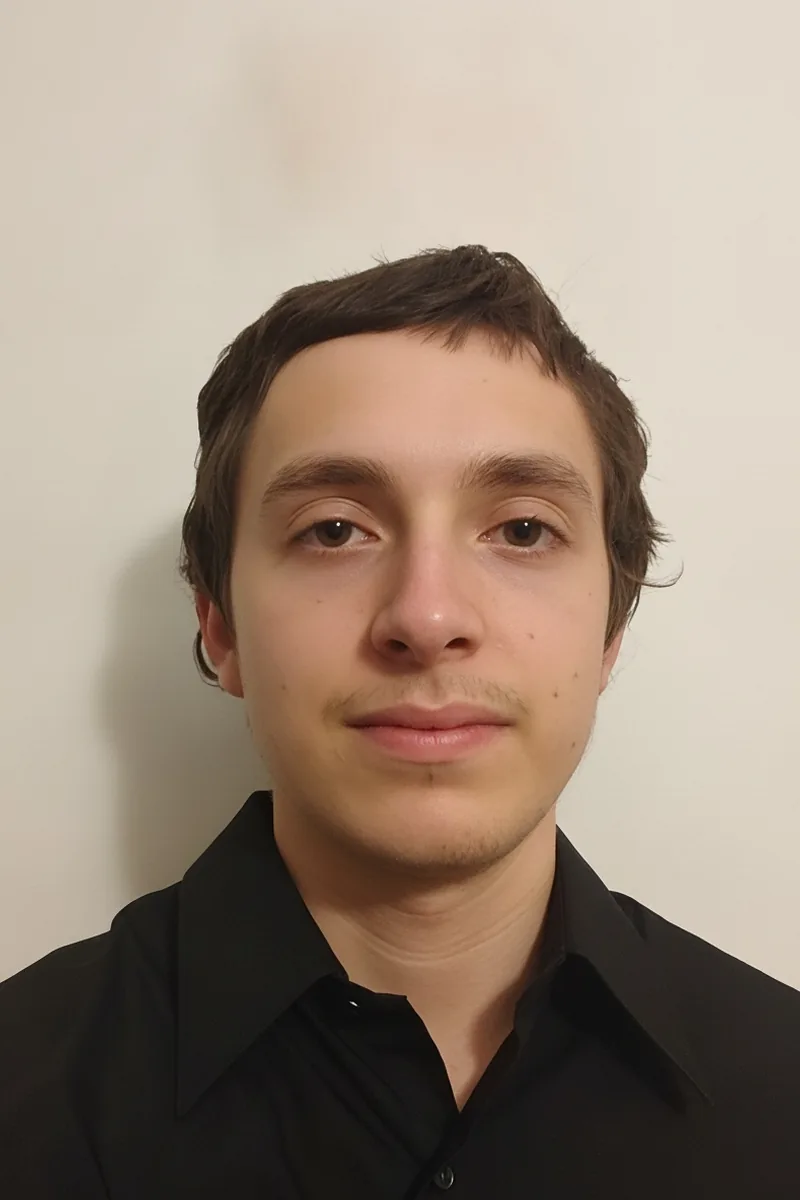
Getting comfortable with loops, conditionals, and functions early makes every future CS course easier — and Justin explains these building blocks by tying them to problems students can visualize, like simulating physics or processing data. His background spans physics, applied math, and programming, so he can show high schoolers why the code they're writing actually matters beyond the assignment.
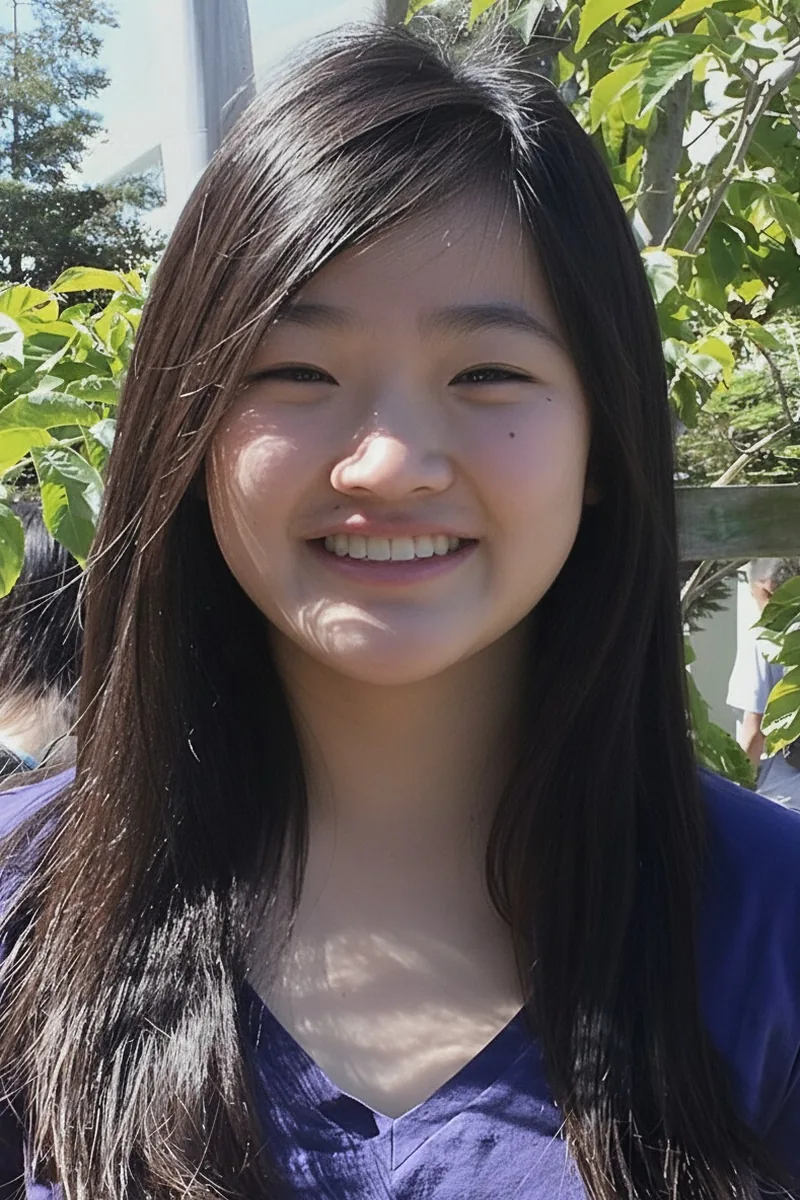
Philosophy trains you to break complex arguments into precise logical steps — which turns out to be exactly what high school CS demands when students hit Boolean logic, nested conditionals, and algorithm design. Julie applies that structured reasoning to programming concepts, teaching students to think through what their code should do before they start typing. Her statistics and machine learning certificate at Princeton means she's no stranger to writing and debugging code herself.
For students encountering loops, conditionals, and arrays for the first time, the leap from "I followed the example" to "I can solve a new problem" is the hardest part. Anna bridges that gap by teaching structured problem decomposition — breaking a coding challenge into smaller logical steps before writing a single line. Her background spans multiple programming languages, so she adapts explanations to whatever language the course uses.
High school CS courses often jump from basic print statements to complex topics like arrays, sorting algorithms, and object-oriented design without enough scaffolding in between. Ryan bridges those gaps by connecting each new concept to code students can actually run and modify themselves. His experience with Java, Python, and AP Computer Science A means he can match his explanations to whatever language or curriculum a student is working in.
For students encountering loops, conditionals, and arrays for the first time, the leap from "I typed the code" to "I understand why it works" can be steep. Jonathan bridges that gap by walking through each concept with concrete examples and building up to small projects that make the logic tangible. His CS coursework at Cornell keeps him sharp on the fundamentals that matter most at the high school level.
High school CS often moves fast from basic loops and conditionals to more abstract concepts like arrays, functions, and object-oriented design. Cody minored in computer science at Penn and tutored fellow students in the subject for three years, so he knows exactly where the common stumbling blocks are. He builds understanding by connecting each new concept to something concrete the student already knows.
High school CS courses often jump between block-based logic, basic programming, and conceptual topics like binary and networking without much connective tissue. John ties those pieces together by showing how each concept feeds into real software — an approach that makes AP-level material and IB coursework feel less scattered. His CS degree means he can go as deep as a student needs.
The jump from "I can make a program run" to "I understand why it runs" is where most high school CS students get stuck — especially around loops, arrays, and conditional logic. Eric bridges that gap by connecting each concept to tangible examples, drawing on the same foundational thinking he uses daily in Cornell's CS program.
High school CS often covers a grab bag of topics — basic data types, conditionals, loops, maybe some introductory object-oriented programming — without always connecting them into a bigger picture. Diego bridges that gap by showing how each concept feeds into the next, drawing on his own path from high school coding to studying CS and cybersecurity at NYU Courant.
That first real programming class can feel overwhelming when you're staring at a screen full of syntax errors with no idea where to start debugging. Kevin breaks down foundational concepts like loops, conditionals, and arrays with enough detail that students learn to read their own code critically. His patience with beginners stands out — he'd rather over-explain than leave a gap.
The jump from writing code that runs to understanding *why* it runs — Big-O notation, boolean logic, basic data structures — is the real challenge in high school CS. Dibyendu breaks these ideas down using concrete examples in Python and Java, connecting each concept to problems students can actually visualize. His background in teaching university-level courses means he knows exactly which fundamentals matter most before college.
Starting computer science can feel overwhelming when variables, loops, and conditionals all hit at once. Wesley eases that learning curve by teaching each concept as a building block, drawing on the systematic problem-solving approach he developed across two engineering degrees. Rated 4.7 by students, he's particularly effective at making that first semester of coding feel manageable.
That first encounter with nested loops or recursive functions can make high school CS feel overwhelming in a hurry. Eric, who studies computer science at NYU alongside finance and statistics, breaks down programming logic step by step — tracing through code execution, diagramming how arrays store data, and explaining why certain algorithms run faster than others. He's rated 5.0 by students.
I'm a professional software engineer at a top tech company in New York City. I have a strong passion for software development, most notably in the areas of full-stack web development, iOS development, Artificial intelligence, large scale distributed systems, and micro services.
Getting comfortable with loops, conditionals, and basic data structures early makes every future CS course dramatically easier. Maggie teaches high school computer science by connecting abstract programming concepts to tangible projects, drawing on the computational problem-solving she honed through her engineering coursework. Rated 5.0 by students.
The jump from following along in class to independently writing and debugging code is where most high school CS students get stuck. Justin breaks down programming logic — loops, conditionals, functions, and basic data structures — into small, testable pieces so students build confidence one concept at a time. His computational linguistics coursework keeps him actively coding, which means his examples stay current and practical.
High school CS often feels like two different classes stitched together — half logic puzzles, half syntax memorization. Ryan bridges that gap by teaching students to think through problems algorithmically before writing a single line of code, building the kind of reasoning that transfers across any programming language.
That first real CS course can feel overwhelming when loops, conditionals, and functions all land at once. Stephen's dual math-CS background from RPI lets him explain not just the syntax but the underlying logic — why a while loop behaves differently from a for loop, or how to think through a problem before writing a single line of code. Rated 4.9 by students.
Most high school CS courses throw students into syntax — loops, conditionals, arrays — without enough time spent on why the logic works. Brendon's approach starts with the reasoning behind each structure, then walks through implementation, so students actually understand what their code is doing instead of pattern-matching from examples. His Columbia CS training keeps him sharp on both Java and Python curricula.
Ankit's chemistry background might seem unrelated to CS, but the systematic thinking required to balance reaction mechanisms and model molecular behavior maps directly onto writing and debugging code. He applies that scientific precision to topics like variables, control flow, and basic data structures — teaching students to trace their logic the same way they'd trace a chemical equation. He also teaches college-level CS, so he can push advanced students toward more rigorous problem-solving when they're ready.
Laura studied computer science as a minor at Georgia Tech alongside her biomedical engineering major, so she's fluent in the core concepts — loops, conditionals, data structures, and object-oriented design — that high school CS courses build on. She breaks down programming logic step by step, making abstract ideas like recursion or sorting algorithms click through hands-on coding examples.
High school CS often feels like learning syntax without understanding why it matters — why use a loop instead of repeating code, or what actually happens in memory when you create a variable. Deeptha bridges that gap by tying programming basics to real problem-solving, drawing on years as a TA for introductory computing courses at UAB. She keeps sessions at whatever pace clicks, whether a student is writing their first "Hello World" or debugging their first data structure.
Stephen's Computer Science degree means he can teach high school CS concepts — loops, conditionals, arrays, object-oriented design — as building blocks that connect to real programming, not just abstract exercises. He also understands New York State Regents requirements, so he tailors sessions to what students actually need to demonstrate on exams.
That first real CS class — where variables, loops, and conditionals suddenly need to work together in actual programs — is where many high schoolers either get hooked or get lost. Kyle bridges that gap by connecting each new concept to a working project, whether it's a simple game or a data tool. His fluency in Python, Java, and C++ means he can match whatever language the course uses.
Getting comfortable with loops, conditionals, and arrays early on makes everything that follows in computer science click. Kirollos teaches these building blocks through hands-on coding exercises rather than abstract definitions, drawing on his experience tutoring since high school and his ongoing CS coursework at NYU.
Whether a student is writing their first loop or debugging a multi-method program, the key is understanding what the computer is actually doing at each step. Serina's CS major at Yale and her experience teaching AP Computer Science A and Principles give her a clear sense of where high schoolers get stuck — conditionals, arrays, and class design — and how to unstick them.
Getting comfortable with loops, conditionals, and basic data structures early makes every future CS course easier. Rohan breaks down programming logic by tracing through code line by line, showing students exactly how a computer processes each instruction rather than letting them guess at what their program is doing. His engineering background adds a practical, problem-solving lens to every lesson.
For students encountering programming for the first time, the leap from following instructions to writing original code can feel overwhelming. Zain tackles that transition by connecting coding logic to the kind of structured, step-by-step reasoning he honed in his interdisciplinary studies, making concepts like variables, functions, and debugging feel less alien and more like problem-solving they've already done.
For students encountering loops, conditionals, and functions for the first time, the leap from "I followed the lesson" to "I can write this myself" can feel enormous. Sam closes that gap by teaching students to decompose problems before writing a single line of code — a habit from his engineering background that translates directly to introductory programming. He keeps the focus on logical thinking so that syntax never becomes the bottleneck.
High school CS courses often move fast through topics like arrays, functions, and object-oriented basics without checking whether the underlying logic actually landed. Alisha slows down at exactly those sticking points, walking through how a for-loop iterates or why a method returns a value instead of just showing the syntax. She's rated 5.0 by students, which tracks with her patient, concept-first teaching style.
For students taking their first CS class, the jump from "I can follow the example" to "I can solve a new problem on my own" is the hardest part. Abrar bridges that gap by walking through how to plan a solution before writing a single line — whether the assignment involves loops, arrays, or basic sorting algorithms. Rated 5.0 by students.
I'm always up for the challenge of changing my methods of instruction and breaking down topics to foster a deeper understanding of a subject. On a different note, I generally spend my spare time playing lacrosse or running outdoors when possible. I also play the violin with a school quartet, and teach lessons to beginning students working through the Suzuki program.
Maria's applied math training at UCLA means she thinks about computation the way computer scientists do — as structured problem-solving with clear logical rules. She brings that mathematical rigor to topics like conditionals, loops, and algorithm design, showing students how the reasoning patterns they already use in math translate directly into writing and debugging code.
The jump from writing simple programs to thinking computationally — understanding loops, conditionals, and how data flows through a function — is where most high school CS students get stuck. Ethan teaches these building blocks in Java and Python, tying abstract logic to concrete outputs so the reasoning clicks before the syntax piles up.
Starting to code can feel overwhelming when a course throws variables, loops, conditionals, and functions at you all at once. William simplifies the learning curve by connecting each concept to a tangible problem — like using a for-loop to simulate a chemical reaction over time — so the syntax has a reason to stick. He scored a 5 on the AP Computer Science exam and brings a patient, step-by-step teaching style rated 4.8 by students.
AP Computer Science and introductory programming courses often trip students up at the same points — loop logic, array manipulation, and understanding how methods pass data around. Michael's UCLA computer science background means he can trace through code line by line and show exactly where a student's reasoning diverges from what the machine actually does. That debugging-oriented approach builds real problem-solving instincts.
High school CS often feels like a grab bag — a little bit of logic, some intro programming, maybe AP CSA exam prep — and students need someone who can tie it all together. David's computer science degree and experience teaching undergraduates mean he can break down loops, conditionals, and basic data structures in a way that builds genuine computational thinking, not just syntax memorization.
For students just encountering loops, conditionals, and basic data types for the first time, the leap from "I followed the example" to "I can solve a new problem" is the hardest part. Susie bridges that gap by walking through the logic behind each line of code rather than just showing the finished product. She's a CS major at Duke who remembers exactly where beginners get stuck.
High school CS courses often move fast from basic control flow to arrays and object-oriented programming, and students who can't explain *why* a loop works will struggle when projects get more complex. Tolu uses a question-driven approach — instead of handing over solutions, he walks students backward from their errors until they spot the logic gap themselves. He teaches across Python, Java, JavaScript, and C++, so he can translate concepts across whatever language a student's class uses.
Most high schoolers hit a wall when CS moves from writing simple programs to thinking about loops, conditionals, and nested logic simultaneously. Roozbeh's analytical background in industrial management — a field built on optimizing systems — makes him especially good at explaining why an algorithm works, not just what to type. He tackles everything from introductory Python to AP Computer Science concepts.
Testimonials
Because the right High School Computer Science tutor makes all the difference.
Average Session Rating – Based on 3.4M Learner Ratings
Nearby High School Computer Science Tutors
Other Staten Island Tutors
Related Technology and Coding Tutors in Staten Island
Frequently Asked Questions
High school computer science courses typically progress from foundational programming concepts like variables, loops, and conditionals to more advanced topics such as data structures, algorithms, and object-oriented programming. Many Staten Island schools also incorporate project-based learning where students build real applications—whether web-based programs, games, or data analysis projects. The specific curriculum varies by school and course level (introductory vs. AP Computer Science), so it's helpful to know which topics your student is currently studying to get the most targeted support.
Many students struggle with the transition from understanding programming syntax (the rules of writing code) to applying logical thinking and problem-solving skills. Debugging—finding and fixing errors in code—is another major hurdle, as it requires patience and systematic thinking. Additionally, concepts like loops, conditional logic, and data structures can feel abstract until students see them in action through hands-on coding practice. Personalized tutoring helps by breaking down these concepts step-by-step and providing immediate feedback on code, which accelerates understanding far more than classroom instruction alone.
Personalized 1-on-1 instruction allows tutors to focus on your student's specific pain points—whether that's understanding algorithmic thinking, learning to debug effectively, or mastering a particular programming language. Tutors can provide hands-on code review, walk through complex problems step-by-step, and help students build confidence through guided practice on real projects. This individualized approach is particularly valuable in computer science, where practice and immediate feedback are essential to developing problem-solving skills that classroom settings often can't provide at scale.
Common languages taught in high school include Python (popular for beginners due to its readable syntax), Java (widely used in AP Computer Science), JavaScript (for web development), and C++ (for more advanced algorithmic work). The language your student learns often depends on their school's curriculum and their interests—web development students might focus on JavaScript, while those interested in data science might emphasize Python. Varsity Tutors connects you with tutors experienced in whatever language your student is learning, so they can provide targeted support regardless of the specific programming environment.
During an initial session, a tutor will typically assess your student's current skill level, understand their specific challenges (whether it's debugging, understanding loops, or building projects), and learn about their goals. They may review recent assignments or code your student has written to identify knowledge gaps. From there, the tutor will create a personalized plan focused on strengthening foundational concepts and building toward more complex topics. Subsequent sessions will include hands-on coding practice, code review, and targeted problem-solving to help your student make measurable progress.
Building real applications—like games, websites, or data analysis tools—helps students see how abstract programming concepts apply to tangible problems. Projects force students to think algorithmically, debug under pressure, and integrate multiple concepts they've learned. This hands-on approach deepens understanding far more than theory alone. Tutors can guide students through project development, help them break complex problems into manageable pieces, and provide code review to ensure they're applying best practices and truly understanding the logic behind their solutions.
Yes, personalized tutoring is highly effective for AP Computer Science preparation. Tutors can help students master the specific topics covered on the exam, practice with released AP questions, and develop efficient problem-solving strategies under timed conditions. They can also provide targeted feedback on free-response coding questions, which are a significant portion of the AP exam. With focused 1-on-1 instruction, students can identify weak areas early and build the depth of understanding needed to score well.
Simply reach out to Varsity Tutors and share details about your student's current level, specific challenges, and goals—whether they're looking to improve grades, prepare for AP exams, or build stronger coding skills. Varsity Tutors will connect you with an expert tutor experienced in high school computer science who matches your student's learning style and needs. From there, you'll work together to create a personalized tutoring plan and schedule sessions that fit your family's calendar.
Let’s find your perfect tutor
Answer a few quick questions. We’ll recommend the right plan and match you with a top 5% tutor.