Award-Winning Biochemistry Tutors
serving Queens, NY
Biochemistry
Tutors in Queens
Private 1-on-1 tutoring, weekly live classes for academic support, test prep & enrichment, practice tests and diagnostics, and more to elevate grades and test scores.
Based on 3.4M Learner Ratings
UniversitiesSchools & Universities
DeliveredHours Delivered
ProficiencyGrowth in Proficiency
Who needs tutoring?
No obligation. Takes ~1 minute.
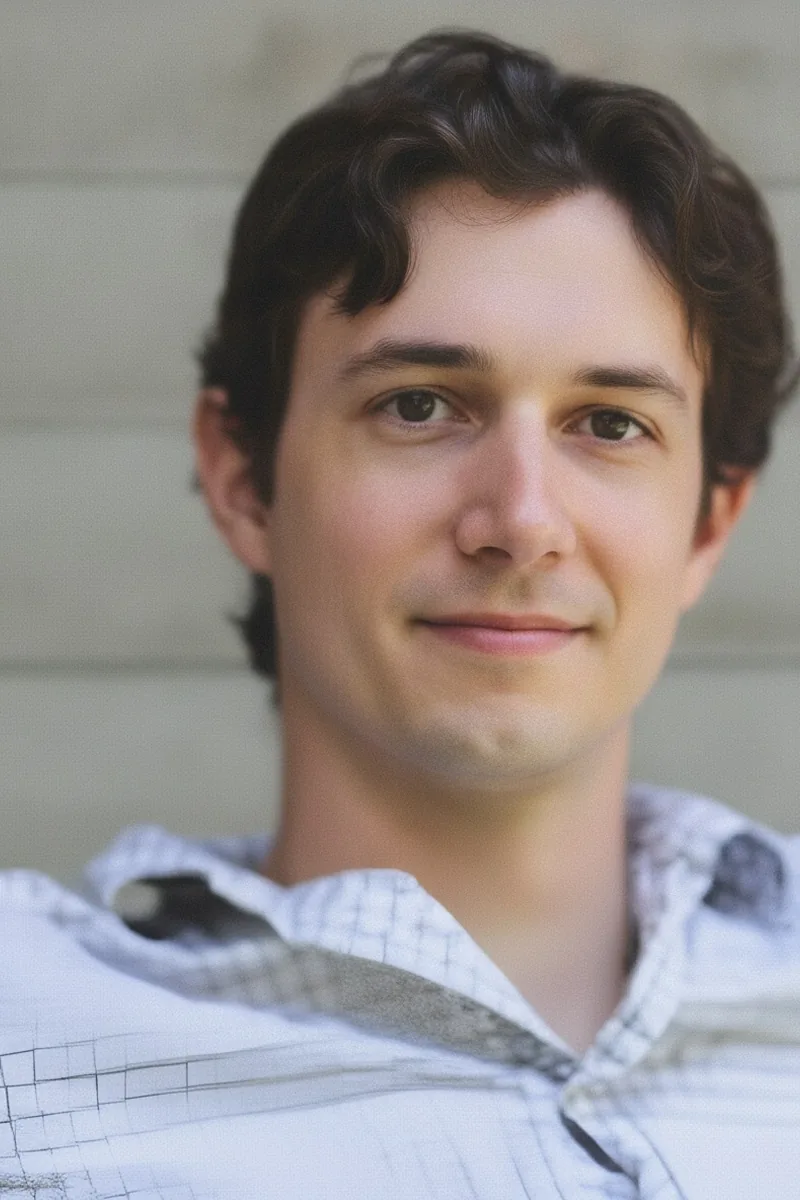
Having served as an undergraduate teaching assistant for introductory biochemistry at Cornell, Josef knows exactly which concepts — cofactor roles, enzyme regulation, the interplay between metabolic pathways — trip students up for the first time. He teaches by showing how biochemistry synthesizes organic chemistry, cell biology, and thermodynamics into a single coherent story, so each pathway feels like a logical extension rather than a separate thing to memorize. Rated 5.0 by students.
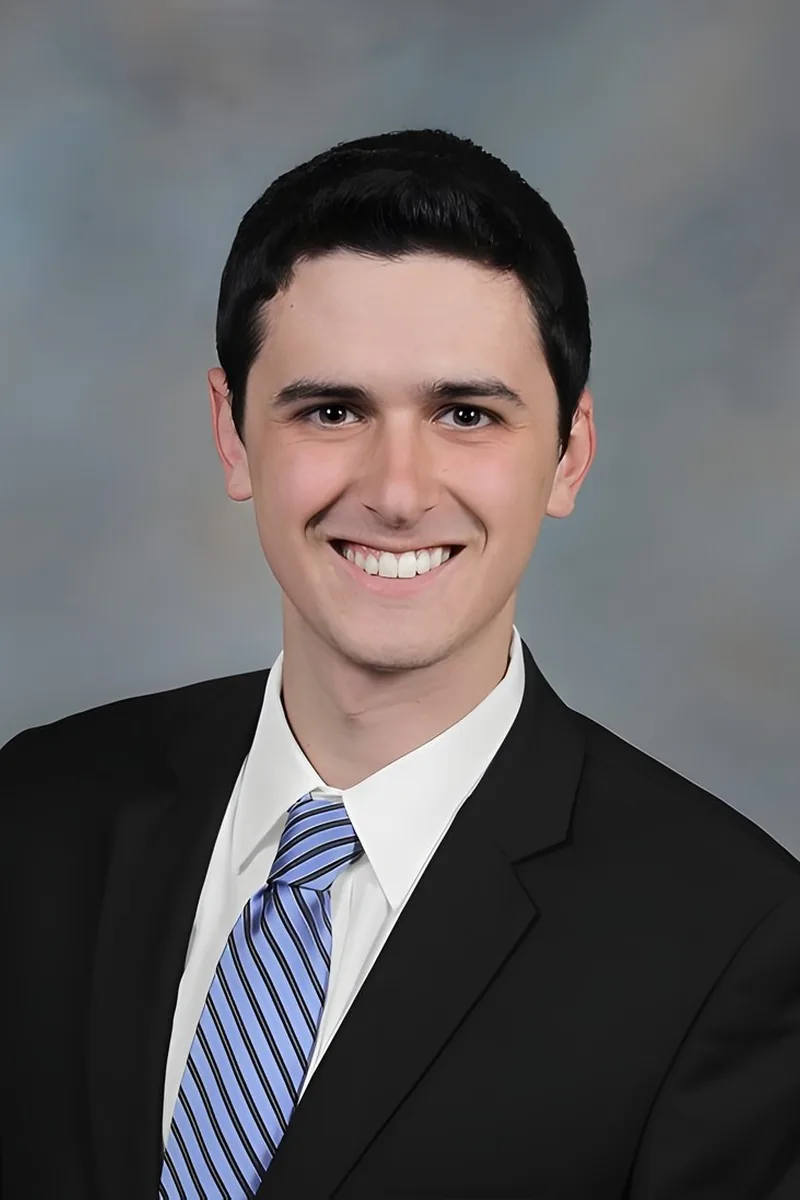
David's neuroscience training at Yale meant wrestling with biochemistry from the nervous system's perspective — neurotransmitter synthesis, ion channel biophysics, and the metabolic demands that make the brain consume a disproportionate share of the body's glucose. Now pursuing a graduate degree in bioethics, he brings that mechanistic grounding to topics like amino acid chemistry and membrane transport, connecting each reaction to the biological system it supports. Holds a 5.0 rating.
Managing an immunology lab means Matthew doesn't just teach enzyme kinetics, protein structure, or metabolic pathways from a textbook — he uses them daily in his breast cancer research at Columbia. He walks through topics like signal transduction, amino acid chemistry, and lipid metabolism with the kind of specificity that turns confusing diagrams into logical sequences students can actually reason through.
Enzyme kinetics, metabolic pathways, amino acid structures — biochemistry asks students to hold an enormous amount of detail in their heads while still thinking mechanistically. Emily's pre-med coursework and global health studies at Cornell gave her a deep familiarity with how biological molecules behave at the chemical level, and she teaches students to see the logic connecting protein structure to function rather than treating each pathway as an isolated list.
Dental students live in biochemistry — enzyme kinetics, metabolic pathways, amino acid structures — and Josh is right in the middle of that curriculum at Penn. He unpacks topics like glycolysis and protein folding by tying each reaction to a biological consequence, which turns a wall of chemical structures into a story that's far easier to retain.
Enzyme kinetics, metabolic pathways, protein structure — biochemistry demands that students hold chemistry and biology in their heads simultaneously, which is exactly what medical school trains you to do daily. Jamie is currently at Sidney Kimmel Medical College and brings firsthand fluency with topics like Michaelis-Menten kinetics, amino acid chemistry, and the regulation of glycolysis and the citric acid cycle. He breaks down dense pathway diagrams into step-by-step logic that actually makes sense.
Thomas holds both a biochemistry and molecular biology degree and a master's in biology, which means he's worked through the full gauntlet — from amino acid properties and enzyme mechanisms to the regulatory networks controlling gene expression. That dual-layer training lets him teach something like oxidative phosphorylation by building it up from the organic chemistry of electron carriers before zooming out to the cellular energy budget. Rated 4.8 by students.
Enzyme kinetics, metabolic pathways, amino acid chemistry — biochemistry sits right at the intersection of Umar's biology degree and his medical school coursework. He unpacks dense topics like the citric acid cycle or protein folding by tying each reaction to a physiological consequence, which makes the logic of the pathway easier to internalize than rote memorization ever could.
I am a PhD student at SUNY Downstate Medical Center studying Molecular & Cellular Biology. I graduated from Columbia University with a Bachelor of Arts in Biochemistry. I love to teach, mostly because of the impact of great teachers throughout my academic career. I think learning can be really fun, if teachers think outside the box and really challenge themselves to find novel ways of conveying concepts to students. Tried and true methods are always great in the classroom, but to work one-on-one with students requires a different approach. It's also critical that learning be something students want, not grudgingly sit through, so that their academic success is tied to their ability to understand and engage the material, not to what score they get on an arbitrary test.
Planning for medical school with an eye toward neurology, Mary already teaches science and math daily as a teaching assistant in the Bronx — and her biology background across AP, IB, and college levels means she's comfortable digging into the molecular detail biochemistry demands. She breaks down topics like cellular metabolism and enzyme function by connecting the organic chemistry logic to the biological systems students are already familiar with, making dense pathways feel less like arbitrary memorization.
Studying neuroscience at the molecular level meant Andy spent serious time with enzyme kinetics, metabolic pathways, and protein structure — the core of any biochemistry course. He tackles topics like glycolysis, the citric acid cycle, and amino acid chemistry by emphasizing the logic behind each reaction rather than brute-force memorization.
Lab work ranging from acute respiratory distress syndrome research to diabetes management studies gave Ben a firsthand look at how biochemical pathways behave when they break down — which turns out to be the best way to understand how they work normally. He teaches topics like enzyme regulation and metabolic integration by tracing what goes wrong in disease states, then reversing the logic so each mechanism clicks into place. Rated 5.0 by students.
Studying both biology and philosophy as a double major, Michaela lives at the intersection of scientific detail and big-picture reasoning — exactly what biochemistry demands. She unpacks enzyme kinetics, metabolic pathways, and protein structure by tying each mechanism back to the biological question it answers. Students walk away understanding not just the Krebs cycle's steps but why each one matters to cellular energy.
Three years teaching high school biology in New Jersey meant Sasha was constantly translating the molecular underpinnings — enzyme function, cellular respiration, macromolecule structure — into language her students could actually use. Her master's in science education and undergraduate biology training let her bridge the gap between the organic chemistry details and the big-picture biological questions that give biochemistry its purpose. She's especially sharp at breaking down metabolic regulation so each control point feels like a logical decision rather than an arbitrary rule.
As a biochemistry major at Barnard conducting neural engineering research, Meghna is immersed in the material she teaches — enzyme kinetics, protein structure, metabolic regulation, and membrane transport. She connects lecture-heavy topics like the citric acid cycle or amino acid chemistry to the lab and research contexts where they actually matter, which makes retention far easier.
Enzyme kinetics, metabolic pathways, and protein structure all clicked for Jay during his combined B.S./M.D. program at Sophie Davis, where biochemistry wasn't just a course but the foundation for clinical reasoning. His current cardiology research keeps him deep in lipid metabolism and signal transduction — the exact topics that trip up most biochemistry students.
Matt's molecular and cell biology concentration at Cornell meant biochemistry wasn't a sidebar — it was the core, from signal transduction cascades to the enzyme kinetics governing metabolic flux. Now working in medical research and preparing for MD/PhD applications, he teaches concepts like pathway regulation and protein function by putting each mechanism in its broader biological context, making dense material click rather than just accumulate. Rated 4.9 by students.
I am a graduate of Stony Brook University. I received my Bachelor of Science in Psychology with a focus on the sciences as I followed a pre-dental course track. Since graduation, I have applied to and been accepted to the Stony Brook University School of Dental Medicine, which I will be attending starting in August. I had previously been an SAT tutor with a test prep company for two years and I have experience in tutoring college level Physics at my University. As a result of my work experience and college education, I am proficient in all the SAT sections, Biology, Chemistry, Physics, general Essay Writing, Biochemistry, and Psychology. I personally enjoy tutoring SAT Critical Reading and Physics the most. To me, language is beautiful and I love exploring and discussing the mechanics of analyzing literature (as students must do on the Critical Reading Section). Physics, on the other hand, explains many of the wondrous everyday phenomenon around us. As a child, I would often think about why things moved the way they did and physics gave me those answers. I enjoy traveling and have been to several US states, Egypt several times, Australia, Italy, Mexico, and the Caribbean. Some of my most memorable experiences include scuba diving in the Great Barrier Reef and sky diving. I speak Arabic semi-fluently and I enjoy reading and training in Brazilian Jiu Jitsu and kickboxing. Overall, I am very approachable and patient and will do my best to serve you as a tutor!
Scoring in the 95th percentile on the MCAT required deep fluency in enzyme kinetics, metabolic pathways, and amino acid chemistry — exactly the material that defines a biochemistry course. Fatimah pairs that test-proven knowledge with hands-on research experience at the Feinstein Institute for bioelectronic medicine, so she explains concepts like protein folding and signal transduction with real lab context behind them. She holds a 5.0 rating from students.
Enzyme kinetics, metabolic pathways, protein structure — biochemistry sits at the intersection of biology and chemistry, and Luke's neuroscience degree required deep fluency in all of it. He teaches students to trace the logic of a pathway rather than brute-force memorize every intermediate, which makes exam performance far more durable.
Enzyme kinetics, metabolic pathways, amino acid chemistry — biochemistry sits right at the intersection of Marcos's biology and chemistry training. As a medical student and adjunct anatomy professor at Downstate, he constantly translates biochemical mechanisms into clinical relevance, which makes topics like the citric acid cycle or lipid metabolism feel purposeful rather than abstract.
Enzyme kinetics, metabolic pathways, protein folding — biochemistry is where Zachary's pharmacy training lives. He spent years mastering how molecules behave in biological systems, from Michaelis-Menten kinetics to lipid membrane transport, and he breaks down those mechanisms using real pharmacological examples that make the logic behind each pathway stick.
Studying organismal physiology at Drexel meant Steven spent serious time with enzyme kinetics, metabolic pathways, and protein structure-function relationships — the core of any biochemistry course. He unpacks topics like the citric acid cycle and amino acid chemistry by tying each reaction back to its biological purpose, which makes the dense material easier to retain.
Few tutors can teach biochemistry from the perspective of someone who lived it at the graduate level. Dennis holds a Masters in Chemical and Physical Biology from Vanderbilt and an undergraduate degree in Biochemistry, so topics like enzyme kinetics, metabolic regulation, and protein structure are second nature. He walks through reaction mechanisms and pathway logic in a way that builds real understanding rather than rote memorization.
Enzyme kinetics, metabolic pathways, protein structure — biochemistry sits at the intersection of two subjects David studied formally, with a bachelor's in chemistry and graduate-level exposure to biomolecular engineering. He digs into mechanisms like glycolysis and the citric acid cycle by connecting each step's chemistry to its biological purpose, so students retain the logic instead of just the diagram. That approach has earned him a 4.9 student rating.
Having worked in biochemical laboratories alongside his dual bachelor's degrees — including one in biochemistry — and his architecture studies at Columbia, Andrew brings a rare structural intuition to topics like protein folding and macromolecular assembly. He teaches metabolic pathways by building them up from their organic chemistry foundations, so students see each reaction as a logical next step rather than an isolated arrow on a diagram. Rated 4.9 by students.
Two years as an Organic Chemistry Laboratory TA at the college level gave Maha the kind of mechanistic fluency that makes biochemistry's toughest material — reaction cascades in metabolic pathways, enzyme active-site chemistry, the logic behind cofactor requirements — click into place rather than blur together. Now a graduate student at Johns Hopkins Bloomberg School of Public Health with a dual background in chemistry and biology, she connects the organic chemistry driving each biochemical transformation to its broader physiological relevance. Rated 5.0 by students.
Enzyme kinetics, metabolic pathways, amino acid chemistry — biochemistry asks students to think like both a biologist and a chemist simultaneously. Ivan's background spanning cognitive science and the biological sciences, plus his MCAT teaching experience, means he can unpack reaction mechanisms and protein structure in ways that connect molecular detail to bigger physiological stories.
Enzyme kinetics, metabolic pathways, protein structure — biochemistry demands that students hold molecular-level details and big-picture biological function in their heads simultaneously. Gabe studied neuroscience and behavior as an undergraduate, which meant living in biochemistry coursework and understanding how molecular interactions drive everything from cellular respiration to neurotransmitter signaling. He breaks down dense pathway diagrams into cause-and-effect chains that are far easier to retain.
Zachary earned both his BS in Biology and a master's in Molecular Biology, which means he's traced biochemical pathways from two different altitudes — the broad cellular view and the granular molecular detail. That dual training comes through when he unpacks topics like lipid metabolism or allosteric enzyme regulation, building each concept from its chemical logic so the bigger metabolic map starts to make sense on its own.
Enzyme kinetics, metabolic pathways, and protein structure sit right at the intersection of Aimee's two degrees — chemical engineering and biosystems engineering. She unpacks topics like Michaelis-Menten kinetics and amino acid chemistry by tying them to the biomedical research context she works in at Georgia Tech, making dense material feel purposeful.
As a biochemistry major at Stony Brook who also serves as a chemistry peer tutor and head teaching assistant for college biology, Natalie lives in the overlap between organic chemistry and cellular function that defines this subject. She breaks down topics like enzyme mechanisms and metabolic pathway logic by building from the reaction chemistry first, then layering in the biological context — so students can reason through an unfamiliar pathway instead of memorizing every intermediate. Rated 4.9 by students.
Pre-med coursework at Northwestern means Manideep is actively working through the toughest parts of biochemistry right now — amino acid structures, membrane transport mechanisms, and the regulatory logic behind major metabolic pathways. That proximity to the material gives him a sharp sense of where students get stuck, especially when translating organic chemistry principles into biological contexts. Rated 5.0 by students.
Enzyme kinetics, metabolic pathways, protein structure — biochemistry sits at the intersection of biology and chemistry, and it punishes students who try to memorize without understanding the underlying logic. Oliver earned his B.A. in Biochemistry at CU Boulder with a chemistry minor, giving him the dual lens needed to explain why Michaelis-Menten curves behave the way they do or how amino acid properties dictate protein folding.
Testimonials
Because the right Biochemistry tutor makes all the difference.
Average Session Rating – Based on 3.4M Learner Ratings
Practice Biochemistry
Free practice tests, flashcards, and AI tutoring for Biochemistry
Nearby Biochemistry Tutors
Other Queens Tutors
Related Science Tutors in Queens
Frequently Asked Questions
Biochemistry tutors work with students across the full curriculum, including protein structure and function, enzyme kinetics, metabolic pathways (glycolysis, citric acid cycle, oxidative phosphorylation), nucleic acid chemistry, and bioenergetics. Whether you're studying introductory biochemistry or advanced topics like signal transduction or recombinant DNA technology, tutors can adapt their instruction to your course level and specific needs.
Yes. Beyond classroom content, tutors help students develop practical scientific thinking by discussing lab methodology, experimental design, and data interpretation. Whether you're preparing for lab practicals, troubleshooting experimental protocols, or connecting lab results to theoretical concepts, personalized instruction helps you see how biochemistry works in practice, not just on paper.
Rather than relying on pure memorization, tutors focus on helping you understand the logic behind pathways and structures. When you grasp why enzymes work a certain way or how molecular structures enable function, retention becomes natural. This approach—building conceptual understanding first—helps you remember information longer and apply it to new problems, which is especially valuable for exams and upper-level coursework.
Tutors break down the logic of balancing equations and working through stoichiometric problems step-by-step, identifying where confusion typically arises. Rather than memorizing rules, you'll develop a systematic approach to these calculations. With personalized practice and feedback, you'll build confidence tackling everything from redox reactions to enzyme kinetics calculations.
One of the biggest challenges in biochemistry is mentally picturing 3D molecular structures and dynamic processes like protein folding or enzyme-substrate interactions. Tutors use multiple approaches—from drawing structures together to explaining concepts through analogies—to make abstract ideas concrete. This visual and conceptual scaffolding helps you develop stronger mental models and deeper understanding of how biochemical systems actually work.
Tutors help bridge the gap between textbook concepts and real-world contexts like drug metabolism, genetic diseases, or cellular signaling. By connecting theoretical knowledge to practical examples, you'll see why biochemistry matters and develop stronger critical thinking skills. This approach not only deepens understanding but also makes the material more engaging and memorable.
Varsity Tutors connects you with qualified tutors who have expertise in biochemistry and understand how to teach it effectively. You'll share your specific challenges, course level, and learning goals, and we'll match you with someone suited to your needs. The personalized connection means your tutor can focus on your unique obstacles—whether that's enzyme mechanisms, metabolic integration, or exam preparation.
Let’s find your perfect tutor
Answer a few quick questions. We’ll recommend the right plan and match you with a top 5% tutor.