Award-Winning AP Computer Science A Tutors
serving Queens, NY
AP Computer Science A
Tutors in Queens
Private 1-on-1 tutoring, weekly live classes for academic support, test prep & enrichment, practice tests and diagnostics, and more to elevate grades and test scores.
Based on 3.4M Learner Ratings
UniversitiesSchools & Universities
DeliveredHours Delivered
ProficiencyGrowth in Proficiency
Who needs tutoring?
No obligation. Takes ~1 minute.
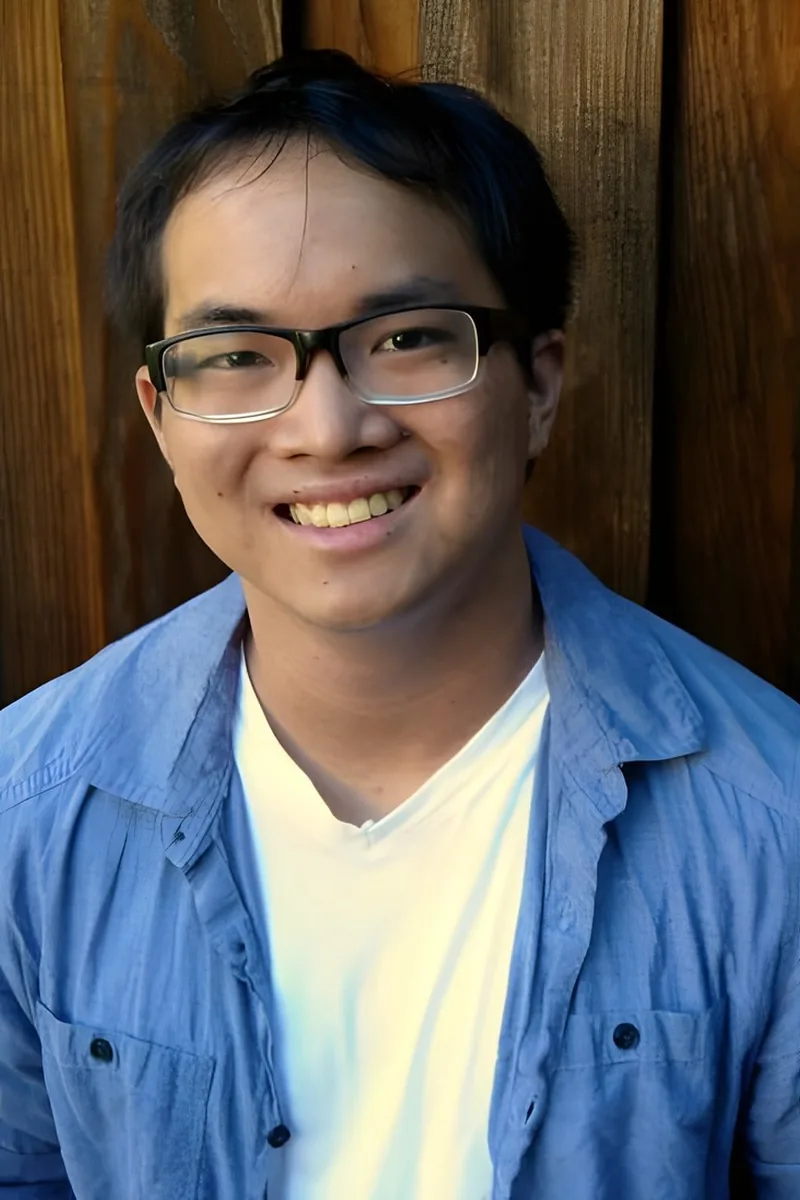
The jump from writing simple programs to reasoning about recursion, sorting algorithms, and ArrayLists trips up a lot of AP CS A students. David teaches Java with the rigor of someone who earned an MS in Computer Science at Stanford, walking through each concept with the kind of tracing and debugging exercises that make exam free-response questions feel routine.
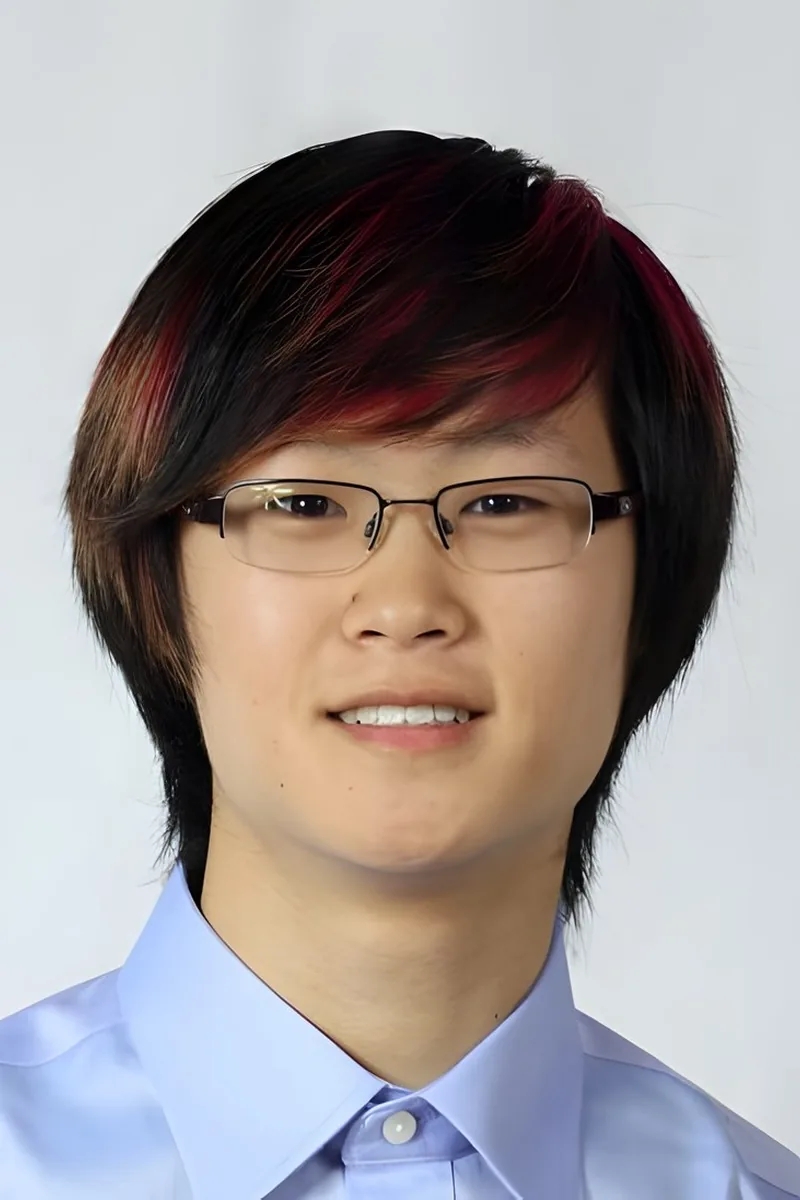
Between simulating cosmic ray acceleration at Princeton and designing optical multiplexer components at Norfolk State, Dennis has written serious computational code in real research settings. He teaches AP Computer Science A concepts like object-oriented design, recursion, and array manipulation by connecting them to how software actually gets used — not just how it appears on the exam. That research experience means he can explain why a particular data structure matters, not just how to implement it.
Kevin's Stanford CS master's work in biocomputation means he writes Python and C++ for AI systems daily — but Java's object-oriented model is the same design thinking in a different wrapper, and he teaches AP CSA students to see class hierarchies, polymorphism, and recursion as transferable patterns rather than Java-specific tricks. His 1590 SAT and 35 ACT signal the kind of precise, methodical reasoning that translates directly to tracing free-response code under pressure. Rated 5.0 by students.
Stanford's STEM magnet program Project Lead the Way and coursework in both political science and computer science gave Margaret a dual fluency — she thinks in Java, C++, and C but also knows how to explain abstract concepts in plain language. For AP CSA, she zeroes in on the logic behind class design and method structure, teaching students to reason through problems before touching a keyboard. Rated 4.8 by students.
Java's object-oriented structure clicks faster when someone can explain why you'd use inheritance over composition, not just how to write the syntax. Ronit studies computer science at Yale and digs into AP CS A topics like array manipulation, recursive methods, and class design with the kind of precision the free-response questions demand. He holds a 5.0 rating from students.
Object-oriented programming trips students up when inheritance hierarchies and polymorphism go from simple examples to complex, layered problems. Srini tackles AP Computer Science A by connecting Java concepts like recursion, array manipulation, and class design to the computational modeling he does in his biophysics coursework at Brown. Rated 4.8 by students.
Economics at Brown means Clive spends more time in Python and Java than most people expect — building models, running simulations, and writing scripts that demand the same object-oriented thinking AP CSA tests on. He teaches topics like loop construction and array manipulation by tying them to real data problems, which gives the abstract stuff a concrete purpose. His 35 ACT speaks to the kind of careful, logical reasoning that pays off on exam day.
iOS and game development projects at Vanderbilt mean Kerr writes in Swift and C# regularly, but that cross-language fluency is exactly what makes Java's quirks — type casting, scope rules, the way interfaces differ from abstract classes — easier to explain from first principles. He digs into AP CSA's trickier free-response territory by having students build and trace small programs in real time, catching logic errors before they become habits. Rated 4.9 by students.
Dylan minors in computer science at Vanderbilt and codes in both Java and C++, so he understands how object-oriented principles like encapsulation and inheritance translate across languages — a perspective that sharpens how he teaches AP CSA's class design and polymorphism questions. His physics background also means he's used to building models from scratch, which maps naturally onto writing and debugging multi-class programs where every method needs a clear purpose.
Java's object-oriented structure is where most AP Computer Science A students get stuck — inheritance hierarchies, polymorphism, and writing classes that actually do what the problem asks. Christina studied these concepts deeply during her CS degree and breaks them down by walking through real code examples line by line. She also drills the free-response question format so students know exactly how to earn partial credit even when a solution isn't perfect.
Having TA'd three courses at Duke — including a databases class and a computer networking class — Florence knows how to spot the gap between students who can read Java and students who can actually write it under exam conditions. She drills the hand-tracing and class-design skills that AP CSA's free-response section punishes you for skipping, drawing on the same object-oriented thinking she uses in her own CS coursework and software development internships. Rated 5.0 by students.
Three Bachelor of Science degrees — including one in Neuroscience — meant Anna spent years writing code to process and analyze data, giving her hands-on Java and Python experience that maps directly onto AP CSA's emphasis on arrays, object design, and algorithmic thinking. She teaches the exam's trickier concepts, like building multi-class programs and writing recursive methods, by connecting them to the real data problems she solved in her own coursework. Rated 5.0 by students.
Studying CS in Cornell's College of Engineering means Ravnoor writes Java alongside lower-level languages daily, giving him a clear sense of how object-oriented concepts like encapsulation and inheritance actually work in memory — not just on paper. He teaches AP CSA by having students build small programs piece by piece, adding complexity only after each layer makes sense, which turns intimidating free-response prompts into manageable steps. Rated 5.0 by students.
Mechanical engineering at the college level means writing code that controls physical systems — and Corrina's background in robotics, Python, and machine learning gives her a programmer's instinct for how objects, methods, and data structures actually behave when something depends on them working correctly. She teaches AP CSA's trickier concepts like recursive logic and class design by grounding them in that engineering mindset, where every line of code has to do exactly what you think it does.
A computer engineering major who codes in Java, C++, and JavaScript daily, Rhamy digs into AP Computer Science A at the level where object-oriented design actually clicks — not just writing classes, but understanding why inheritance and polymorphism make code reusable. He walks through array manipulation, recursion, and sorting algorithms with the kind of precision that turns a 3 into a 5.
Studying computer science at MIT while scoring a perfect 1600 SAT, Brice brings the kind of rigorous, first-principles thinking to AP CSA that turns vague intuitions about Java into precise understanding — particularly when students hit the wall of writing multi-class programs with interacting objects. He's spent years tutoring peers through exactly those sticking points, teaching students to architect their code on paper before writing a single line.
As experienced and passionated educator with a Bachelor's degree in Computer Science from Rice University, I am passionate about empowering students to achieve their academic goals. With over 3 years of tutoring experience in subjects such as AP Computer Science A, Machine Learning, and SAT Math, I adapt to different learning styles and create a supportive learning environment. My teaching philosophy centers on personalized instruction, where I connect with each student to understand their unique learning styles and challenges. I take pride in guiding students through the complexities of computer science and college application essays, equipping them with the skills they need for future success. Outside of tutoring, I enjoy exploring new technologies and engaging in coding projects to improve my teaching approach.
Double-majoring in physics and computer science at Stony Brook means Kiran writes Java and C++ not just for coursework but for computational physics problems — simulations, data analysis, algorithm design — where sloppy code means wrong answers, not just compiler errors. That habit of precision carries directly into AP CSA, where he teaches students to think carefully about how objects interact and why a method behaves differently than expected before rewriting a single line.
I am graduated from Penn State University in Industrial Engineering in 2017. I've tutored ever since I was in high school, and I love helping people! I like to help my students understand math (and other topics) instead of just doing it blindly. My goal is to help my students improve their math (and other topics) and build skills that will help them find learning easier in the future! Fun fact, I used to work for Disney and I like to salsa dance!
Java's object-oriented structure — inheritance, polymorphism, recursion, array manipulation — clicks faster when a tutor can connect it to projects students actually care about. Evan writes production code in C++ and Java for game development and brings that practical fluency to AP Computer Science A's free-response questions and algorithm design challenges.
Having built machine learning systems as a postdoctoral researcher at Princeton, Firas brings a depth of Java knowledge that extends well past the AP Computer Science A syllabus — which means he can explain not just how recursion or polymorphism works, but where these ideas show up in real software. He teaches students to read and trace code like a developer would, breaking down free-response problems into the same structured thinking he uses in his own research. Rated 5.0 by students.
Fresh out of Duke's CS program and heading into a PhD at Michigan, Michelle writes Java the way the AP CSA exam expects — with careful attention to how classes interact, how recursion unwinds, and how data structures behave under the hood. She pairs that technical depth with a sociology-trained instinct for clear communication, breaking down abstract concepts like polymorphism and encapsulation into language that actually sticks. Rated 5.0 by students.
A perfect 5 on the AP Computer Science exam backs up William's ability to teach Java fundamentals — from array manipulation and recursion to object-oriented class design. He breaks down each free-response question type so students know exactly how to structure their logic and earn full credit on exam day.
Java's object-oriented structure trips up a lot of AP CS A students right around inheritance and polymorphism, when the logic stops being intuitive. Matthew programs in Java professionally and academically, so he can unpack concepts like recursion, array manipulation, and class hierarchies using examples that actually click. Rated 4.9 by students.
Penn State's CS program put Nicholas through Java from day one — building projects with inheritance, polymorphism, and data structures in the same language the AP CSA exam tests. That means he can spot exactly where students get tripped up on free-response questions, whether it's a misplaced recursive base case or a confused ArrayList traversal, and walk through the fix in real time. Holds a 5.0 rating.
The AP Computer Science A exam lives and dies on object-oriented Java: inheritance hierarchies, array and ArrayList manipulation, and recursive methods that students need to trace by hand under time pressure. Ryan teaches these concepts in Java daily as part of his Cornell CS program, so he knows exactly where the common logic errors hide. He unpacks each free-response question type so students see the scoring pattern, not just the answer.
Studying computer science at Cornell means Mohammed lives in Java — it's the language his program uses to teach data structures, algorithms, and the object-oriented thinking that AP CSA tests on every free-response question. He breaks down topics like array manipulation and recursive tracing by showing students how to read code the way he learned to: line by line, predicting exactly what happens at each step before running anything.
Cornell's Chemical Engineering and Computer Science dual degree means Jonathan writes Java in the same program where he solves differential equations — so he treats AP CSA's class design and algorithm problems with an engineer's instinct for breaking systems into modular, testable pieces. He's particularly sharp on the free-response side, where knowing how to structure a solution before touching code separates fours and fives from threes.
Debugging a recursive method or tracing through an ArrayList manipulation separates students who understand Java from those who've just memorized syntax. Ankit studied computer science at Duke and tackles AP Computer Science A by building intuition around object-oriented design — inheritance, polymorphism, and class hierarchies — so students can reason through free-response problems confidently. Rated 4.8 by students.
Scoring a 5 on AP Computer Science A himself, Joshua knows exactly where students tend to stumble — recursive methods, array traversal logic, and the finer points of inheritance and polymorphism. He walks through each concept by writing and tracing real Java code rather than relying on abstract explanations, which mirrors how the free-response questions actually test understanding.
Two years building AI and machine learning systems professionally means Brandon writes Java, Python, and C daily — and knows that the object-oriented thinking AP CSA tests is the same design logic that powers real production code. His CS master's work at RIT gives him a depth with recursion, data structures, and algorithm design that lets him show students not just how to trace through a free-response problem, but why the underlying architecture works the way it does. Rated 4.9 by students.
Cornell's pre-med track doesn't typically include Java, and AP Computer Science A isn't Pratik's core teaching area — his strengths sit squarely in chemistry, biology, and standardized test prep. That said, the disciplined, logical problem-solving he brings to organic chemistry mechanisms and ACT Science (he scored a 35 composite) translates well to walking through basic programming logic and structured thinking when a student needs support.
Debugging a recursive method or tracing through an ArrayList manipulation is where AP Computer Science A gets tricky, and John tackles these problems by teaching students to think like the compiler. His CS degree and hands-on work in Java give him the depth to explain object-oriented design patterns — inheritance, polymorphism, interfaces — in ways that click during both free-response and multiple-choice questions.
The AP Computer Science A exam tests Java fluency under pressure: recursion, array manipulation, object-oriented design, and the ability to trace code without a compiler. Mohamed's engineering coursework at Penn keeps him immersed in programming, and he breaks down each concept by writing small, testable programs that make abstract ideas concrete. He holds a 5.0 rating from students.
Having built a career in software development while completing a master's in Computer Science, Daniel writes Java professionally — which means he can teach AP Computer Science A concepts like class design, recursion, and polymorphism the way working programmers actually think about them. He walks students through free-response problems by connecting each prompt to real coding patterns he uses daily, building the kind of fluency that makes exam questions feel like familiar territory.
Four years of tutoring and a computer science major at Boston University mean Irene is actively immersed in Java — writing it for her own coursework while teaching it to others, which keeps her tuned into exactly where AP CSA students get tripped up on concepts like loop logic and object interaction. She's especially sharp at catching the small misunderstandings in how students trace through code, the kind that lead to wrong answers on free-response questions without anyone realizing why. Rated 4.8 by students.
NYU's five-year CS program has Kevin writing Java from day one — not just toy exercises but full object-oriented projects with real class hierarchies, so AP CSA topics like inheritance, encapsulation, and array manipulation are things he's actively using, not just recalling from a textbook. He's the kind of tutor who over-explains on purpose, walking through every step of a recursive trace or loop iteration until the logic is genuinely clear rather than just plausible. Rated 4.8 by students.
I am a undergraduate freshman of the University of Michigan, studying business at the Ross School of Business. Working together with students and having a good time while seeing steady improvements has proven to provide me great joy. I believe that communication and relationship building is crucial for students to open up about their struggles and also for me to identify problems they don't realize they can improve on, so this is a key aspect of all of my lessons. During my free time, I enjoy playing sports or snacking on desserts while binge-watching Friends!
Currently studying Computer Science and Data Science at NYU's Courant Institute, Diego writes code in C++, Python, and Java as part of his daily coursework — so AP CSA's object-oriented concepts like arrays, loops, and class structure are things he's actively using, not distantly remembering. His 34 ACT speaks to the kind of careful, detail-oriented thinking that pays off when students need to trace through recursive methods or debug free-response code on exam day.
Computer engineering at Georgia Tech means Yash writes Java alongside hardware description languages and low-level C, so he understands what's actually happening when AP CSA asks about object references, memory, and how data moves through a program. He uses that deeper-than-the-exam knowledge to make topics like inheritance and recursive method tracing click on the first pass, not the fifth. Holds a 5.0 rating from students.
Testimonials
Because the right AP Computer Science A tutor makes all the difference.
Average Session Rating – Based on 3.4M Learner Ratings
Practice AP Computer Science A
Free practice tests, flashcards, and AI tutoring for AP Computer Science A
Nearby AP Computer Science A Tutors
Other Queens Tutors
Related Technology and Coding Tutors in Queens
Frequently Asked Questions
AP Computer Science A focuses on object-oriented programming and problem-solving using Java. The curriculum includes variables and data types, control structures, arrays and ArrayLists, object-oriented programming concepts (classes, inheritance, polymorphism), algorithms, and recursion. The exam tests both multiple-choice questions and free-response coding problems, so students need to master both conceptual understanding and practical coding skills.
Score improvement depends on your starting point and consistency with practice. Students who work with tutors to identify weak areas—whether that's understanding inheritance, optimizing algorithms, or managing time during the free-response section—typically see meaningful gains. Many students improve by 1-2 score points, especially when they combine personalized instruction with regular practice tests and coding exercises over several months.
Many students struggle with object-oriented programming concepts like inheritance and polymorphism, which require shifting from procedural to structural thinking. Others find the free-response section challenging because it requires writing correct, efficient code under time pressure. Debugging logic errors and understanding how to trace through recursive functions are also frequent pain points. Personalized tutoring helps you target your specific weak areas rather than spending time on topics you already understand.
The AP Computer Science A exam is 3 hours long and consists of two sections: a 90-minute multiple-choice section (40 questions) and a 90-minute free-response section (4 coding problems). The multiple-choice tests conceptual knowledge and code reading, while the free-response requires you to write working Java code to solve problems. Time management is critical—students often benefit from practicing full-length exams and developing strategies for each section type.
Your first session typically involves assessing your current coding skills, understanding which topics feel solid and which need work, and identifying your specific goals (improving overall score, mastering a particular concept, or building confidence for the free-response section). A tutor will review your past assignments or practice test results to pinpoint gaps, then create a personalized study plan tailored to your learning pace and test timeline.
Practice tests are most effective when used strategically: take full-length exams under timed conditions to build stamina and identify pacing issues, then review every mistake to understand not just the right answer but why your approach failed. Focus on the free-response section especially—write code, test it, and compare your solutions to the official rubrics. Spacing practice tests over several weeks (rather than cramming) helps reinforce learning and builds confidence for test day.
The ideal timeline depends on your starting point and the exam date. Students who start tutoring in January or February typically benefit from 8-12 weeks of consistent sessions, meeting 1-2 times per week. If you're starting closer to the exam or have significant gaps in foundational concepts, more frequent sessions earlier on can help you catch up. A tutor can help you develop a realistic timeline based on your current level and goals.
Varsity Tutors connects you with tutors who have strong backgrounds in computer science and experience teaching AP Computer Science A. When matching with a tutor, look for someone who understands both the technical content and the exam format, and who can explain complex concepts like recursion and inheritance clearly. Your tutor should be able to review your code, help you debug, and teach you test-taking strategies specific to the AP exam.
Let’s find your perfect tutor
Answer a few quick questions. We’ll recommend the right plan and match you with a top 5% tutor.