Award-Winning AP Computer Science Principles Tutors
serving Buffalo, NY
AP Computer Science Principles
Tutors in Buffalo
Private 1-on-1 tutoring, weekly live classes for academic support, test prep & enrichment, practice tests and diagnostics, and more to elevate grades and test scores.
Based on 3.4M Learner Ratings
UniversitiesSchools & Universities
DeliveredHours Delivered
ProficiencyGrowth in Proficiency
Who needs tutoring?
No obligation. Takes ~1 minute.
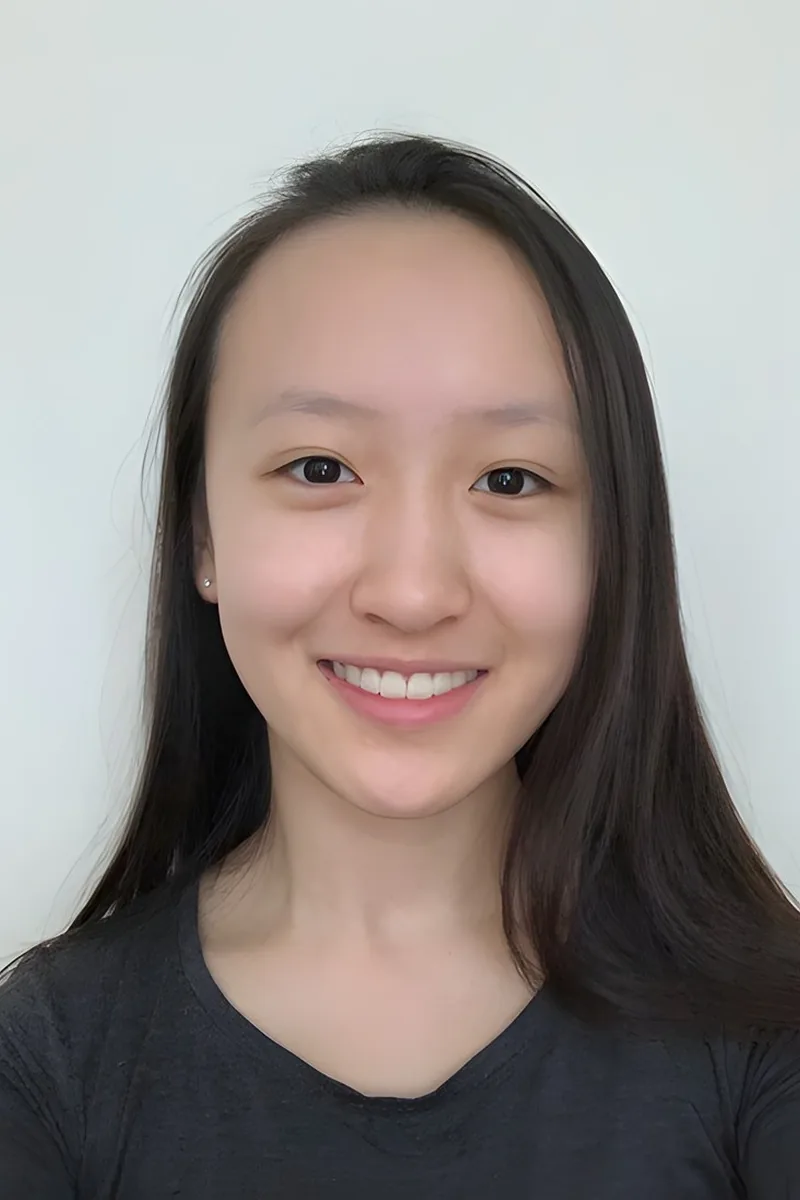
Stanford's economics curriculum leans heavily on data analysis and programming — skills that map directly onto AP CSP's units on data representation, algorithms, and computational thinking. Julia applies that quantitative training to demystify pseudocode logic and the Create Task's written responses, where clearly explaining your program matters as much as building it. Rated 4.8 by students.

Nicholas codes in Java, Python, JavaScript, C#, and HTML/CSS daily — so when AP CSP asks students to reason about algorithms or data representation in pseudocode, he can instantly translate those abstractions into real programming scenarios that make the logic click. His Penn State CS degree also means he understands the networking and cybersecurity concepts woven through the course at a technical level most high schoolers never see. Rated 5.0 by students.
John's CS degree plus years coding in Java, C++, and SQL means he can ground AP CSP's more abstract units — like how the internet actually moves data or why abstraction matters in program design — in real programming experience. He also brings a finance MBA perspective to the data analysis and societal impact questions, giving students a practical lens that makes exam responses sharper and more specific.
Currently studying Computer Science at UCLA's Engineering School with a software engineering internship at Adobe under his belt, David knows how the abstractions taught in AP CSP — algorithms, data representation, internet protocols — actually play out in production code. He uses that industry context to make pseudocode tracing and the Create Task feel purposeful rather than academic. Rated 4.8 by students.
Susanna codes in Java, Python, and MATLAB — but for AP CSP, she shifts gears from syntax to the bigger questions: how does data move across the internet, why does abstraction matter, and what makes an algorithm efficient? Her physics training at UC Berkeley means she's used to translating messy real-world problems into clean logical models, which is exactly the skill the Create Task and exam reward.
I'm a professional software engineer at a top tech company in New York City. I have a strong passion for software development, most notably in the areas of full-stack web development, iOS development, Artificial intelligence, large scale distributed systems, and micro services.
Mathematics trains you to think in abstractions — which is exactly what AP CSP's Big Ideas demand when students encounter data representation, algorithmic logic, or internet protocols for the first time. Nikhil's math background at NYU gives him a natural framework for making pseudocode tracing and binary concepts click, especially for students who think numerically but haven't written much code. Rated 4.8 by students.
I am a sophomore at Columbia University, studying political science and philosophy. I often like to joke that teaching runs in my blood I come from a family of teachers who instilled in me the passion to help others learn. Since I could grasp concepts I learned in school, I've always gone out of my way to help my fellow classmate. As I got older, that became formalized tutoring through school organizations and I eventually worked for the New York City Department of Education. There, I helped students with their standardized testing for the state assessments and the SAT. I love teaching math because I feel it's the subject where I can gauge the strength of my students best. Math is such a versatile (though widely-hated) subject, where every unique learning style can always result in the same answer. I also get the most freedom when it comes to designing questions to help students grow and practicing alongside them easily the most fun part of a tutoring session with me. I'm never shy when it comes to tutoring anything else, though, whether it be any sort of history, literature, or government-related topic. My goal as a tutor is not all about teaching anything new to my students, but instead drawing out the skills they already have.
Kyle knows six-plus programming languages — Python, Java, C++, JavaScript, C, and assembly — which means when AP CSP's exam asks students to trace pseudocode or reason about abstraction, he can pull up a real example in whatever language makes the concept clearest. He also walks students through the Create Task from initial brainstorm to written response, making sure every rubric point is addressed. Rated 5.0 by students.
Before teaching AP CSP concepts, Deeptha spent years as a TA for courses ranging from Introduction to Computation in Python to Automata and Formal Languages — meaning she's watched hundreds of students encounter computational thinking for the first time and knows exactly where confusion sets in. She uses that experience to break down the course's Big Ideas around the internet, data, and global impact into concrete examples students can actually write about on the exam.
Shlomo codes in Java and C++ and has tutored algorithms at the college level, so he can ground AP CSP's pseudocode and algorithmic reasoning questions in actual programming logic rather than hand-wavy definitions. His political science training also sharpens the kind of structured argumentation the Create Task's written responses demand — explaining computational decisions clearly and hitting every rubric point.
AP CSP covers a mile-wide range — from binary and abstraction to the impact of computing on society — and the Create Task alone can make or break a student's score. Serina's computer science major at Yale means she can demystify concepts like data compression, algorithms, and the internet protocol stack while coaching students to write clean, well-documented code for their performance tasks.
Nihar's math and statistics degree means the data analysis and algorithmic reasoning threads in AP CSP come naturally — he can explain how sorting algorithms compare or why a particular data compression method loses information, grounding it in the quantitative thinking most students skip over. His programming experience across Java, JavaScript, SQL, and HTML also lets him translate pseudocode exam questions into real code when a student needs to see the logic in action.
Ronit studies computer science at Yale and knows AP CSP's curriculum from the student side — which Big Ideas actually trip people up on the multiple-choice and where the Create Task rubric quietly punishes vague written responses. He digs into the explanatory writing piece that most students underestimate, teaching how to describe an algorithm's purpose and trace through pseudocode with the precision the exam expects. Rated 5.0 by students.
Adel's PhD in mechanical engineering required extensive work in Java and computational modeling — skills that translate directly to the algorithmic thinking and pseudocode analysis at the heart of AP CSP. He unpacks topics like data representation and abstraction by tying them to engineering simulations where those concepts have real consequences. Rated 4.8 by students.
Intensely curious, I am interested in STEM subjects and the liberal arts. I tutor to help you reach your educational goals and because it's immensely gratifying to see my students succeed.
Pratik doesn't come from a traditional CS background, but his premed training at Cornell — where he regularly works with data sets, statistical models, and logical reasoning — maps directly onto the computational thinking AP CSP tests. He's especially effective at breaking down the data analysis and algorithm units, translating abstract pseudocode into the kind of step-by-step problem solving he uses in biology and chemistry every day.
Having tutored everything from basic programming constructs to finite automata and computational theory, Andrew brings unusual depth to a course most students treat as surface-level. He digs into the algorithmic thinking and pseudocode reasoning behind AP CSP's exam questions, showing students how concepts like abstraction and data representation connect to the real CS pipeline he studied in his degree. Rated 5.0 by students.
Teaching discrete math at Penn means Keenan spends his weeks translating abstract computational thinking into language undergraduates actually absorb — a skill that maps directly onto AP CSP's pseudocode reasoning and algorithm analysis questions. His philosophy degree also gives him an unusual edge on the exam's societal-impact questions, where students need to construct clear written arguments about data privacy, bias in algorithms, and computing ethics. Rated 5.0 by students.
Firas's machine learning research at Princeton means he can show students what abstraction, algorithms, and data representation actually look like in practice — not just as AP exam vocabulary but as tools working scientists use daily. He's particularly sharp at teaching the pseudocode reasoning and written response skills the Create Task demands, since his PhD work required translating complex computational ideas into clear, precise language. Rated 5.0 by students.
Most AP CSP tutors lean on pseudocode drills, but Samuel's computer science engineering coursework at Ohio State means he can pull from real Java and MATLAB projects to illustrate why concepts like data abstraction and algorithm efficiency actually matter beyond the exam. His math minor also sharpens the logic side — binary arithmetic, Boolean expressions, and the kind of structured reasoning that makes multiple-choice questions feel predictable instead of tricky.
Biomedical engineering at Cornell means Annie writes Python and MATLAB to process real research data — skills that map directly onto AP CSP's emphasis on programming, data analysis, and algorithmic thinking. She teaches the Create Task as a scaled-down version of the same design process she uses in lab: define the problem, plan the logic, build iteratively, then explain your choices clearly. Rated 4.9 by students.
Daniel writes production software for a living and is pursuing a PhD in Computer Science, which means he can show students exactly how concepts like abstraction, algorithms, and data representation play out in real codebases — not just on slides. He's particularly effective at coaching the Create Task, walking students through project planning and the written responses that separate a 3 from a 5. Rated 5.0 by students.
Studying neuroscience at Rice means Brett regularly writes code to analyze brain imaging data and model biological systems — practical computing experience that maps directly onto AP CSP's emphasis on data analysis, algorithms, and the real-world impact of technology. He teaches the pseudocode logic and abstraction concepts the exam tests by grounding them in problems students can actually picture. Rated 5.0 by students.
Studying computational science at Stanford while coming from a creative arts background at Juilliard's Pre-College program, Julia brings an unusual lens to AP CSP — she naturally bridges the course's technical units on algorithms and data representation with its emphasis on the societal and creative dimensions of computing. Her 1560 SAT and 5.0 tutoring rating back up the analytical chops, but it's that crossover between engineering and the arts that makes her especially effective at coaching the Create Task, where students need both programming logic and clear written explanation.
Testimonials
Because the right AP Computer Science Principles tutor makes all the difference.
Average Session Rating – Based on 3.4M Learner Ratings
Nearby AP Computer Science Principles Tutors
Other Buffalo Tutors
Related Technology and Coding Tutors in Buffalo
Frequently Asked Questions
AP Computer Science Principles focuses on the foundational concepts of computing, including algorithms, data representation, cybersecurity, and the societal impact of technology. Unlike AP Computer Science A, which emphasizes programming in Java, CSP is language-agnostic and covers broader computational thinking skills. It's designed for students interested in understanding how computing shapes the world, rather than diving deep into object-oriented programming.
The AP CSP exam has two components: a multiple-choice section (70% of your score) and a create performance task (30% of your score). The multiple-choice section tests your understanding of computing concepts, algorithms, and data, while the create task requires you to design and develop a program that solves a real-world problem. The exam emphasizes conceptual understanding over memorization, so practice with actual programming projects and past exam questions is essential.
Score improvement depends on your starting point and study consistency. Many students who work with tutors improve by 1-2 score points, especially when they focus on understanding core concepts rather than cramming. The key is identifying your weak areas—whether that's algorithm design, data representation, or the create task—and developing targeted practice strategies. Regular tutoring sessions combined with consistent practice typically yield the strongest results.
Many students struggle with translating conceptual understanding into working code for the create task, managing the scope of their project within the exam timeline, and understanding how abstract algorithms apply to real-world problems. Additionally, the multiple-choice section often tricks students who haven't mastered the nuances of binary, data compression, and cybersecurity concepts. Tutors can help you practice breaking down complex problems and building confidence with exam-style questions.
Your first session typically focuses on assessing your current understanding of core CSP concepts and identifying your specific challenges. A tutor will review your course progress, discuss your goals (whether you're aiming for a 3, 4, or 5), and work through a practice problem or exam question with you. This helps establish a personalized study plan that targets your weak areas and builds on your strengths.
The create task is one of the most challenging components because it requires you to design a program, document your process, and reflect on its impact—all within strict guidelines. Tutors can help you brainstorm project ideas that are ambitious yet manageable, break down the written requirements, and practice explaining your code and design choices clearly. They'll also review your documentation to ensure it meets the College Board's criteria for full credit.
Ideally, you should begin focused exam prep 2-3 months before the test date, though consistent tutoring throughout the school year helps reinforce concepts as you learn them. If you're starting later, even 4-6 weeks of intensive tutoring can help you review key topics and practice exam-style questions. The earlier you identify weak areas, the more time you have to build mastery and reduce test anxiety.
Varsity Tutors connects you with expert tutors in Buffalo who specialize in AP Computer Science Principles and understand the exam format and curriculum. When you get matched with a tutor, you can discuss your specific goals, preferred learning style, and schedule. Tutors work with you on conceptual understanding, practice problems, and exam strategy to help you feel confident on test day.
Let’s find your perfect tutor
Answer a few quick questions. We’ll recommend the right plan and match you with a top 5% tutor.