Award-Winning Business Statistics Tutors
serving Buffalo, NY
Business Statistics
Tutors in Buffalo
Private 1-on-1 tutoring, weekly live classes for academic support, test prep & enrichment, practice tests and diagnostics, and more to elevate grades and test scores.
Based on 3.4M Learner Ratings
UniversitiesSchools & Universities
DeliveredHours Delivered
ProficiencyGrowth in Proficiency
Who needs tutoring?
No obligation. Takes ~1 minute.

Probability distributions, hypothesis testing, and regression analysis become far less intimidating when taught by someone who uses data to advise real businesses. Jing's cross-border consulting work means she regularly interprets quantitative trends to guide strategy, and her 99th-percentile GMAT quantitative score speaks to the analytical rigor she brings to every session. Rated 5.0 by students.
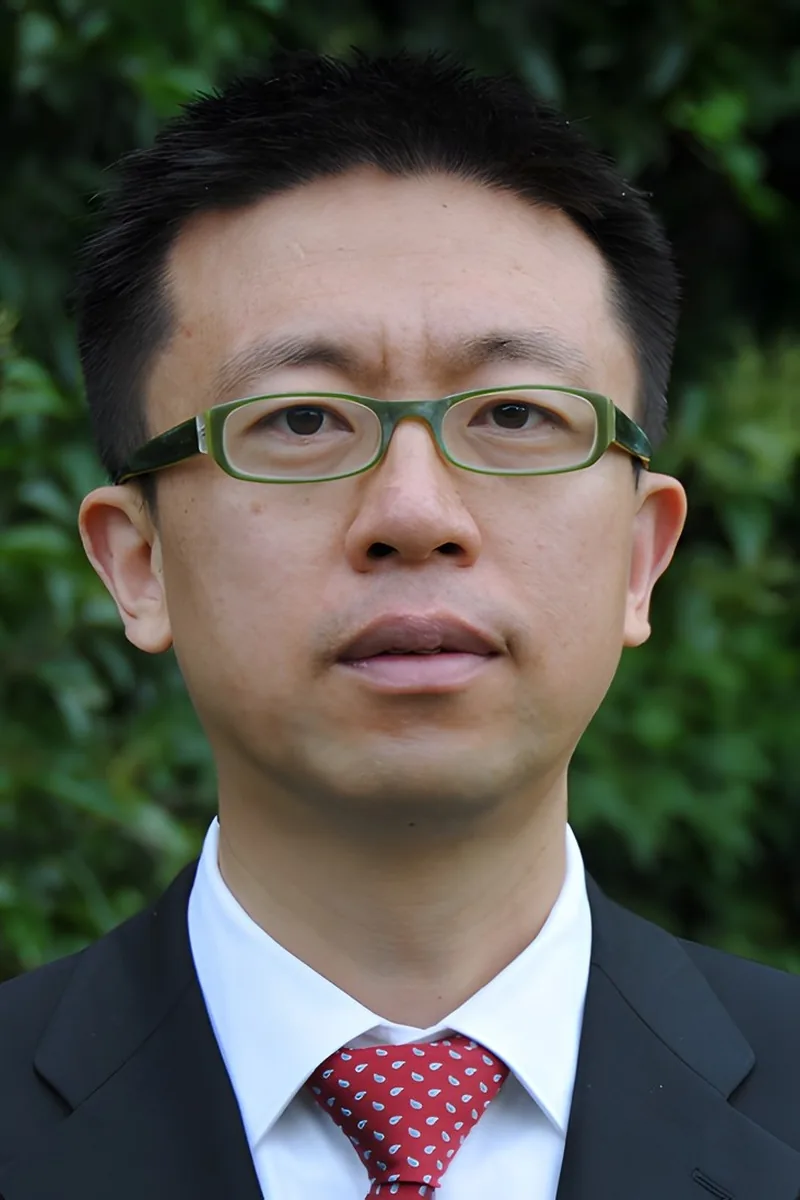
I am highly praised by my students and supervisors. Even today I still kept the communication with many students.
I am a firm believer of this and, as such, I do not spoon feed students during sessions but rather guide them to figure out how to answer their own questions and solve their own problems. Thus, I focus not only on what to do, but how and why to do it. One of the most significant drivers of independent learning is curiosity, and this is one of the primary traits I aim to cultivate in students.
Probability distributions, hypothesis testing, and regression analysis all click faster when someone can explain the math underneath the formulas. Nikhil studies mathematics at NYU and also tutors economics and finance, so he teaches business statistics as a toolkit for real decision-making — not just a set of calculator steps to memorize.
The trickiest part of business statistics for most students isn't the formulas — it's knowing when to use a t-test versus a chi-square, or interpreting a regression output in plain English. Kayla's psychology training at Penn State required heavy coursework in statistical methods and research design, so she explains concepts like p-values, confidence intervals, and hypothesis testing from genuine experience with data analysis.
Regression analysis, hypothesis testing, and probability distributions make a lot more sense when you can tie them to real business decisions — pricing models, quality control, market forecasting. Olga's dual background in economics and statistics means she teaches these tools the way they're actually used, not just as abstract formulas on a homework set. Rated 4.6 by students.
Confidence intervals, hypothesis testing, and regression analysis show up constantly in business programs, and the notation alone can be intimidating. Vicquaja combines her statistics coursework with real economic context, teaching students to interpret p-values and build models that actually answer a business question rather than just satisfy a formula sheet.
Transform Your Study Game with a Tutor Who Knows the Way: Expert Insight, On-Demand! I'm passionate about helping students because I love seeing that "aha!" moment when they finally understand something new. It's incredibly fulfilling to guide them through their learning journey and celebrate their successes. Over the years, I've worked with a variety of students, from those struggling with tough subjects to those aiming for excellence. Each experience has taught me how to adapt my approach to fit different learning styles, making sure every student gets the support they need. My teaching style is all about making learning fun and effective. I believe in personalizing my approach to fit each student's needs, using creative methods to make challenging concepts easier to grasp.
Probability distributions, hypothesis testing, regression analysis — business statistics is essentially a statistics course with corporate case studies layered on top. Irene's doctoral training and her experience teaching statistics at the graduate level mean she can explain both the theory behind a t-test and the practical interpretation a business professor expects to see in a written report.
An economics degree means Shua spent semesters buried in statistical methods — sampling distributions, regression modeling, variance analysis — applied to real economic questions like labor market trends and consumer behavior. That background translates directly to business statistics, where the same toolkit gets aimed at operational and strategic decisions. He breaks down the reasoning behind each test so students can interpret results, not just calculate them.
I am a graduate of the University of Waterloo, with a PhD in Geography-Water, one semester as a sessional instructor, and several semesters as a teaching assistant. I also hold a PhD in agricultural hydrology, along with five years of teaching experience as an assistant professor. These experiences have deepened my passion for teaching and my ability to communicate complex concepts effectively. I believe that while education provides knowledge, it is passion that fosters success. My mission as an educator is to make difficult subjects, such as statistics and mathematics, accessible and engaging for students. By breaking down complex ideas, I aim to create a learning environment where students feel confident and inspired. I am also enthusiastic about teaching in hydrology and environmental sciences and am committed to helping students succeed in these critical areas.
Hidefusa's clinical psychology research at Harvard required designing studies, running analyses in SPSS and Stata, and interpreting output from t-tests, ANOVAs, and regression models — the same core methods that drive business statistics coursework. That hands-on experience with real behavioral data means he teaches the reasoning behind each statistical test, not just the mechanics of running it. He holds a 4.9 rating from students.
Probability distributions, hypothesis testing, and regression analysis can feel like a foreign language when they're thrown at you in a business context. Tanishka connects each statistical method to actual business questions — like whether a marketing campaign moved the needle or if a sample size is large enough to trust — using both her finance background and her programming skills in R and Python to bring the data to life.
Probability distributions, hypothesis testing, and regression analysis all click faster when someone can connect them to real decisions — like whether a marketing campaign actually moved the needle or just got lucky. Andrea's engineering coursework at Drexel is heavy on applied statistics, so she walks through concepts like p-values and confidence intervals with practical examples rather than abstract proofs.
Regression output, hypothesis testing, confidence intervals — business statistics asks students to interpret quantitative results and make decisions under uncertainty. Daniel approaches each concept by connecting it to a concrete business question, like whether a marketing campaign actually moved sales or whether the result was just noise. His accounting and analytics background keeps the instruction grounded in practical application rather than abstract formulas.
Probability distributions, hypothesis testing, and regression analysis tend to feel abstract until they're tied to a concrete business question. Andrew approaches business statistics as a decision-making tool — teaching students to interpret p-values and confidence intervals in the context of real market scenarios. His engineering training built the quantitative rigor, and his MBA sharpened the business intuition.
With a strong background in STEM education and administration, I am passionate about helping students achieve academic success through personalized learning. My experience as a high school STEM teacher has allowed me to guide students in subjects such as artificial intelligence, machine learning, renewable energy technology, supply chain management, and manufacturing systems. Additionally, my administrative expertise has honed my ability to provide structured and efficient support to learners of all levels. I have earned certifications from the Massachusetts Institute of Technology, International Business Machines (IBM), and the New York Institute of Finance, dedicating years to making complex concepts more engaging and accessible. My tutoring style is adaptive, ensuring that each student's unique learning needs are met with patience and clarity. I believe in creating a supportive learning environment where students feel confident in tackling challenges and mastering new skills. While I tutor a broad range of subjects, I am particularly passionate about STEM-related fields, as they shape the future of technology and innovation. Beyond academics, I enjoy exploring advancements in artificial intelligence, renewable energy solutions, and automotive technology. My goal is to inspire curiosity, critical thinking, and a lifelong love of learning in every student I work with.
Gabriel's economics program at Penn means he's worked through the same statistical methods — sampling distributions, regression, hypothesis testing — that show up in business statistics courses, but applied to real economic models rather than textbook exercises. That gives him a practical read on when to use a given test and what the output actually means for a business question. He holds a 4.9 rating and scored a 35 on the ACT.
Regression analysis, hypothesis testing, confidence intervals — business statistics is where many students first confront serious applied math. Muhammad's engineering coursework means he uses these statistical tools daily, so he can explain not just how to run a t-test but why a particular test applies to a given business scenario. He builds intuition around probability distributions so students stop second-guessing which formula to reach for.
Testimonials
Because the right Business Statistics tutor makes all the difference.
Average Session Rating – Based on 3.4M Learner Ratings
Nearby Business Statistics Tutors
Other Buffalo Tutors
Related Business Tutors in Buffalo
Frequently Asked Questions
Business Statistics applies statistical methods to real-world business problems—from analyzing sales trends and market data to making data-driven decisions. It bridges the gap between pure math and practical application, teaching students how to collect, organize, and interpret data to solve actual business challenges. For students in Buffalo, mastering this subject opens doors to careers in finance, marketing, operations, and analytics.
Students often struggle with translating word problems into statistical models, understanding when to use specific tests (like hypothesis testing or regression), and interpreting results in business context rather than just computing numbers. Many also find the connection between concepts unclear—they can calculate a correlation coefficient but struggle to explain what it means for a business decision. Personalized tutoring helps students move beyond memorizing formulas to truly understanding the reasoning behind statistical methods.
In your first session, a tutor will assess your current understanding of foundational concepts like probability, distributions, and data analysis, then identify specific areas where you need support—whether that's hypothesis testing, regression analysis, or applying statistics to case studies. They'll learn about your learning style and goals, then create a personalized plan to help you build both conceptual understanding and problem-solving confidence. This foundation ensures every subsequent session builds exactly what you need.
One of the biggest differences between getting an answer right and truly understanding Business Statistics is being able to justify your approach. Tutors help you develop clear problem-solving strategies by walking through each step—explaining why you chose a particular test, what assumptions you're checking, and how your results answer the business question. This builds the communication skills you'll need in real business environments, where explaining your analysis matters as much as the numbers themselves.
Yes. Business Statistics courses vary significantly depending on your school or program—some emphasize Excel and data analysis, others focus on theoretical foundations, and many blend both approaches. Varsity Tutors connects you with tutors experienced in different curricula and software tools, whether you're using specific textbooks from Buffalo-area schools or learning through your university's unique approach. Your tutor will align their instruction with exactly what your course requires.
Absolutely. Math and statistics anxiety is real, and it often stems from feeling lost during procedural steps or not seeing how concepts connect to real situations. Tutors work at your pace, breaking complex ideas into manageable pieces and showing you concrete business examples that make the material feel relevant and less intimidating. Many students find that personalized instruction—where you can ask questions without judgment and revisit concepts until they click—transforms anxiety into confidence.
Rather than treating each topic as isolated (hypothesis testing, regression, confidence intervals), expert tutors help you recognize underlying patterns—like how all these methods rely on the normal distribution or how they answer similar "does this relationship exist?" questions in different ways. This conceptual framework helps you retain material longer and apply it flexibly to new problems. When you understand the "why" behind statistical methods, you can tackle unfamiliar business scenarios with confidence.
Results vary based on your starting point and goals, but students typically see improvements in test scores, deeper understanding of core concepts, and greater confidence tackling complex problems. More importantly, many students shift from viewing statistics as abstract formulas to seeing it as a practical tool for answering real business questions. Whether you're aiming for a specific grade, preparing for a final exam, or building skills for your career, personalized instruction helps you achieve measurable progress.
Let’s find your perfect tutor
Answer a few quick questions. We’ll recommend the right plan and match you with a top 5% tutor.