Award-Winning History Tutors
serving Kansas City, MO
History
Tutors in Kansas City
Private 1-on-1 tutoring, weekly live classes for academic support, test prep & enrichment, practice tests and diagnostics, and more to elevate grades and test scores.
Based on 3.4M Learner Ratings
UniversitiesSchools & Universities
DeliveredHours Delivered
ProficiencyGrowth in Proficiency
Who needs tutoring?
No obligation. Takes ~1 minute.
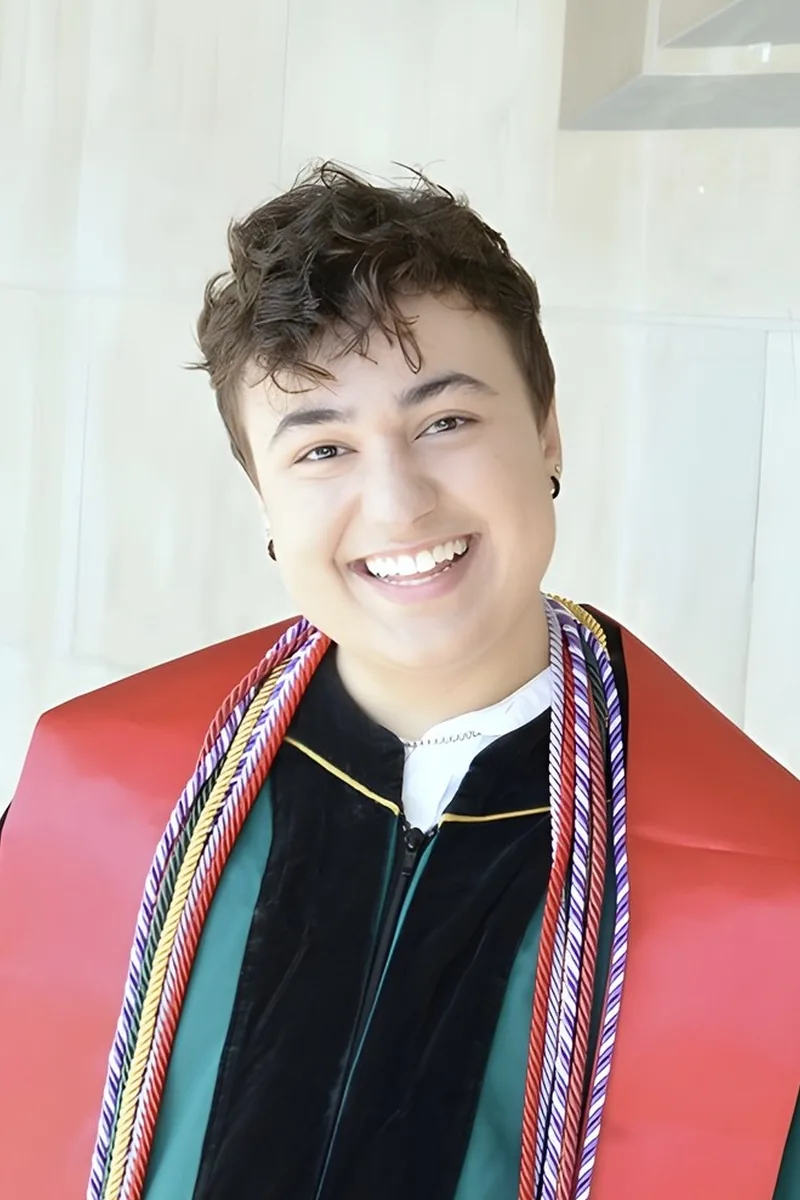
Nik treats history less as a list of dates and more as a series of cause-and-effect chains that students can actually reason through. Whether the topic is the lead-up to the Civil War or Cold War foreign policy, he teaches students to read primary sources critically and build arguments from evidence — skills that transfer directly to essay exams and document-based questions.
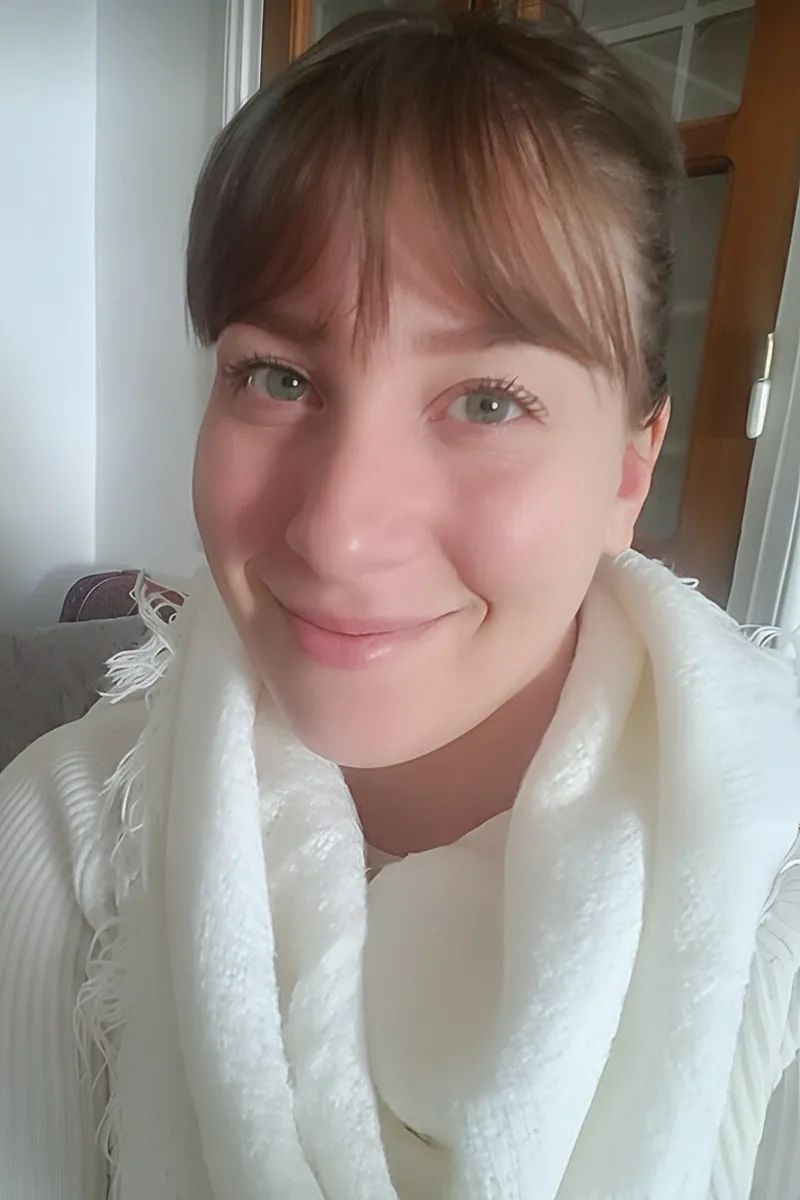
An anthropology degree trains you to read history differently — not just memorizing dates and treaties, but understanding how cultures, economies, and power structures shaped events. Victoria brings that lens to topics like colonialism, westward expansion, and the civil rights movement, teaching students to analyze primary sources and build arguments that go beyond surface-level summaries.
Three years on a high school debate team taught Mubariz to do exactly what history coursework rewards: take a pile of evidence, figure out what argument it actually supports, and defend that argument under pressure. He brings that debate-trained instinct to document analysis and essay writing, pushing students to build claims around evidence rather than summarize events chronologically. His chemistry major at WashU also means he's comfortable with the kind of methodical, cause-and-effect reasoning that stronger historical arguments require.
Ann approaches history the way she approaches literature: as a set of arguments built on evidence that students need to evaluate, not just memorize. Her training in education means she can present complex events — from political revolutions to social movements — through multiple frameworks, helping students write stronger document-based essays and think critically about cause and effect.
Teaching forensic science and biomedical science means Samuel already lives at the intersection of science and human history — tracing how diseases, technological breakthroughs, and environmental shifts shaped civilizations. He brings that same evidence-based reasoning to historical analysis, teaching students to evaluate sources and construct arguments rather than simply memorize dates.
I am interested in Physics and Mathematics and working out practical problems from plumbing to electronics. I will someday go back for my Ph.D. in Physics but until then I am looking to grow as an engineer or computer programmer.
Drew approaches history the way he approaches science: by asking what the evidence actually supports. He teaches students to analyze primary sources, identify cause-and-effect chains, and write document-based arguments that go beyond summarizing events into making a real claim.
Too many students treat history like a list of dates and names to memorize, then wonder why they struggle on document-based questions. Anthony approaches history as argument-building: he teaches students to read primary sources critically, identify cause-and-effect relationships, and write the kind of evidence-driven essays that history courses actually reward.
Two years teaching seventh-grade reading and writing gave Kristen daily practice in one of history's core skills: getting students to pull meaning from a text and explain what it reveals about the people behind it. Her English background makes her especially effective at coaching students through document-based writing, where the challenge isn't knowing the facts but weaving them into a clear, persuasive argument.
Anatoliy treats history less as a set of dates to memorize and more as a series of cause-and-effect chains that reward careful reading of primary sources. His broad liberal arts background — two bachelor's degrees plus a medical education — means he can connect political, scientific, and cultural developments in ways that make essay-based exams much easier to tackle.
Medical school trains you to take a patient's full history before diagnosing anything — Jacob brings that same instinct to history tutoring, teaching students to gather context and weigh competing explanations before jumping to conclusions about why events unfolded. His six-year BA/MD program at UMKC blends humanities and science coursework, which means he's comfortable coaching students through both the analytical reading and the persuasive writing that history essays demand.
Dental school admissions required Katherine to master something most science students skip — writing persuasive personal narratives and analyzing how institutions evolve over time. She brings that same attention to argument structure when teaching history, walking students through how to build a thesis from primary sources and connect causes to consequences in essay responses. Rated 5.0 by students.
Genetics coursework at Iowa State means Taylor spends most of her time tracing how small changes cascade into large outcomes — a way of thinking that maps neatly onto historical cause-and-effect analysis. She brings that same evidence-tracing instinct to history, teaching students to build arguments around *why* events unfolded rather than just recounting what happened. Rated 4.9 by students.
Working full-time as a literacy interventionist means Brianna spends every day teaching kids how to pull meaning from texts — a skill that sits at the heart of history, where students need to read primary sources, understand context, and explain what they've found in their own words. Her elementary education background keeps her explanations concrete and accessible, especially for younger learners encountering historical thinking for the first time. Rated 5.0 by students.
Anita treats history as an ongoing conversation rather than a list of dates to memorize — she's an avid reader who digs into historical topics on her own time, which means she can connect causes, movements, and consequences across eras in ways that make the material click. Whether it's analyzing the economic roots of the Civil War or tracing Cold War foreign policy decisions, she brings genuine curiosity to every session.
Studying history well means learning to think like a historian: evaluating sources, recognizing bias, and constructing arguments from evidence. Austin approaches the subject by connecting political, economic, and social threads so that events like wars and policy shifts make sense as outcomes rather than random facts. His structured, cause-and-effect style of teaching is especially effective for students preparing for document-based and essay-format assessments.
Medical school teaches you to take a patient's full history before diagnosing — Jessica applies that same instinct to history coursework, pushing students to trace the underlying social, political, and economic conditions behind major events before jumping to conclusions. Her liberal arts foundation and wide reading across sciences and humanities give her a cross-disciplinary perspective that's especially useful for essay prompts asking students to connect themes across eras.
Strong history work comes down to reading like a skeptic — asking who wrote a source, why, and what's missing. Bri's English training in textual analysis translates directly to evaluating primary documents, constructing document-based essays, and building arguments grounded in evidence rather than opinion. She brings an analytical reader's eye to every era and topic.
Mechanical engineering is all about understanding how systems work — forces, constraints, feedback loops — and Jordan brings that same systems-level thinking to history, where he teaches students to trace how political pressures, resource constraints, and technological changes combined to produce major turning points. His engineering training makes him especially effective at coaching students through cause-and-effect essay structures, where building a tight chain of reasoning matters more than memorizing dates.
Reading history well means knowing how to ask questions of a source before accepting its claims at face value. Meaghan teaches students to identify bias, contextualize events, and build cause-and-effect arguments — skills she sharpened through her own coursework in political science and American literature. She holds a 5.0 client rating.
A liberal arts degree paired with medical training means Laura has spent years reading across disciplines — interpreting dense texts, weighing evidence, and writing arguments that synthesize multiple sources. She applies that cross-disciplinary rigor to history, particularly when students need to move from passively reading a textbook to actively constructing thesis-driven responses. Rated 5.0 by students.
Sidney treats history the way she treats engineering case studies — every event has causes, constraints, and consequences worth tracing. She's particularly effective at teaching students how to analyze primary sources and build document-based essay responses that connect specific evidence to broader historical arguments. Her structured, evidence-first approach clicks well with students who struggle to move beyond memorizing dates.
Five years in professional sales taught Jessica something that applies directly to history essays: how to read an audience, build a persuasive case, and back every claim with concrete evidence. She brings that communication-first approach to document analysis and essay writing, coaching students to craft arguments about historical causes and motivations rather than just recounting what happened.
Being in a six-year medical program means Vijaya reads everything — including history — with an eye toward cause and effect: what conditions led to an outbreak, a revolution, a policy shift, and what happened as a result. She brings that diagnostic thinking to essay prompts and document analysis, teaching students to build arguments around root causes rather than retelling events chronologically. Rated 5.0 by students.
A math major might seem like an unlikely history tutor, but Hannah's analytical training sharpens the exact skills history demands — structuring a logical argument, weighing evidence, and explaining why one interpretation holds up better than another. She's particularly useful for students who struggle with essay organization, since she approaches thesis-building the way she'd approach a proof: one clear, supported step at a time.
An engineering mindset might seem unrelated to history, but Matt applies the same cause-and-effect logic to historical events — tracing how economic pressures, political decisions, and social movements connect across time. He's particularly effective at teaching students to construct document-based arguments instead of just recalling dates and names.
Political science and international studies at Northwestern means Parag spends most of his time analyzing how governments form, how foreign policy decisions ripple across decades, and how power structures shift — which is essentially what history courses test on every essay and DBQ. That daily immersion in political systems gives him a sharp instinct for explaining the *why* behind events like treaty negotiations, regime changes, and independence movements, not just the chronology. Rated 5.0 by students.
Four years of tutoring across dozens of subjects taught Kathleen something useful for history: every student has a different sticking point, and in history it's usually the leap from knowing facts to building an argument around them. Her math training at Washington University sharpened the kind of logical structuring — isolating key variables, building a case step by step — that turns a rambling essay response into a tight, thesis-driven answer.
Studying Women and Gender Studies meant Rachel spent her undergraduate years analyzing how social movements, legal frameworks, and cultural shifts intersect across centuries — exactly the kind of thinking history courses demand. She teaches students to move past memorizing dates and instead build arguments around cause, consequence, and historical context. Document-based questions and historiographical essays are particular strengths.
Ruth didn't just study history — she taught it in Chinese at an immersion school, which meant making complex events like dynastic transitions and global trade networks accessible across a language barrier. That experience sharpened her ability to teach historical thinking skills: sourcing documents, identifying cause and effect, and building arguments from evidence. Rated 5.0 by students.
Derrick treats history as an ongoing argument rather than a list of dates to memorize — he teaches students to trace cause and effect across eras, whether they're analyzing the political motivations behind Reconstruction or debating the origins of the Cold War. His Political Science background means he naturally connects historical events to the power structures and policy decisions that drove them.
Studying conflict transformation at the graduate level means living inside history — analyzing how power, identity, and narrative shape events from the Troubles in Northern Ireland to broader global movements. Madison teaches students to read historical sources the way her program trained her to: asking who wrote it, why, and what it leaves out. That critical lens turns memorization into real understanding.
History isn't Jacob's primary discipline, but his analytical training in chemistry translates surprisingly well to evaluating sources, identifying cause-and-effect relationships, and constructing evidence-based arguments about historical events. He approaches the subject with the same rigor he brings to the sciences — breaking complex topics into manageable pieces and connecting them into a coherent narrative.
Tutoring for both the Economics and Mathematics departments at TCU meant Mason spent years explaining how quantitative forces — inflation, taxation, resource scarcity — drive the political decisions that end up in history textbooks. He brings that same cause-and-effect thinking to historical essays and DBQs, teaching students to build arguments around institutional and economic pressures rather than just narrating a sequence of events. His pursuit of a Master of Public Administration deepens that lens, connecting historical policy choices to the governance structures behind them.
John treats history the way he treats a complex math problem — by identifying cause-and-effect chains and testing whether the evidence actually supports the conclusion. That analytical lens is especially useful for students who need to write document-based essays or evaluate competing historical interpretations.
Aerospace engineering at CU Boulder means Evan spends most of his time in math and physics — but the engineering mindset of asking 'what conditions made this outcome inevitable?' turns out to be a useful way to approach historical causation on essays and DBQs. He teaches students to map out the political, economic, and technological factors behind events the same way he'd diagram forces acting on a system: identify the inputs, trace the interactions, and explain the result.
I am excited to help anyone who might need it!
A physics PhD might seem far from history, but Mayuri's training in rigorous analysis — sifting through data, questioning assumptions, building arguments from evidence — translates directly to evaluating historical sources and constructing thesis-driven essays. She's particularly sharp at teaching students how to organize their thinking around cause and consequence, turning a jumble of facts into a coherent written argument.
Reading history well means evaluating sources the way a researcher would — asking who wrote something, why, and what's missing. Anna's PhD training in experimental methodology gave her a rigorous approach to evidence and argumentation that translates directly to document-based questions, historiographical essays, and primary source analysis.
Fourteen years in the classroom — with state certification and a master's in curriculum and instruction — means Megan has taught history the way students actually encounter it: as a course with reading loads, document analysis, and essay prompts that reward clear argumentation. She leans on her background in writing and reading instruction to coach students through the parts of history that trip them up most, like turning a stack of primary sources into a coherent thesis. Rated 5.0 by students.
Testimonials
Because the right History tutor makes all the difference.
Average Session Rating – Based on 3.4M Learner Ratings
Nearby History Tutors
Other Kansas City Tutors
Related Social Studies Tutors in Kansas City
Frequently Asked Questions
Many students struggle with memorizing dates and facts without understanding the broader context and connections between events. Others find it difficult to analyze primary sources, construct evidence-based arguments, or see how historical events relate to the present day. Personalized tutoring helps students move beyond memorization by building critical thinking skills and creating meaningful frameworks for understanding how historical events connect and influence each other.
In a classroom with Kansas City's average student-teacher ratio of 12.7:1, teachers often focus on covering curriculum rather than diving deep into individual learning gaps. Personalized 1-on-1 instruction allows tutors to identify whether a student struggles with specific skills—like analyzing documents, understanding chronology, or constructing historical arguments—and tailor lessons accordingly. This targeted approach helps students build confidence and mastery at their own pace.
Tutors work with students across Kansas City's 24 school districts and understand the progression of history standards from elementary through high school. Whether your student is learning about state history, U.S. history, world history, or AP-level courses like AP U.S. History or AP World History, tutors can align lessons with classroom expectations and help reinforce what's being taught in school. This coordination ensures tutoring complements and strengthens classroom learning.
Yes—essay writing and source analysis are core components of History tutoring. Tutors help students develop thesis statements, organize evidence from primary and secondary sources, and construct compelling historical arguments. Whether preparing for DBQ (Document-Based Question) exams, AP essays, or standard history papers, personalized instruction focuses on the specific writing and analytical skills your student needs to succeed.
Tutors help students prepare for state assessments, AP exams (AP U.S. History, AP World History, AP European History), SAT/ACT History sections, and classroom unit tests by building both content knowledge and test-taking strategies. Rather than cramming facts, personalized instruction focuses on understanding historical patterns, analyzing sources under timed conditions, and answering the types of questions that appear on standardized exams.
The first session focuses on understanding your student's current level, identifying specific challenges, and establishing learning goals. The tutor will assess whether your student needs help with foundational skills like timeline comprehension and note-taking, or more advanced skills like source evaluation and argumentation. This personalized assessment ensures the tutoring plan is tailored to your student's unique needs and goals.
Tutors working with Varsity Tutors have demonstrated expertise in History and a track record of helping students succeed. Many have backgrounds in education, advanced degrees in History or related fields, or extensive experience teaching the subject. Each tutor is matched based on your student's specific needs—whether that's middle school state history, U.S. History, world history, or AP-level coursework.
Students typically see improvement in test scores, essay grades, and overall confidence in class participation and discussions. More importantly, many students develop a genuine interest in History as they begin to understand how events connect and why they matter. With consistent personalized instruction, students build stronger analytical skills that apply across all their academic work.
Let’s find your perfect tutor
Answer a few quick questions. We’ll recommend the right plan and match you with a top 5% tutor.