Award-Winning French Tutors
serving Kansas City, MO
French
Tutors in Kansas City
Private 1-on-1 tutoring, weekly live classes for academic support, test prep & enrichment, practice tests and diagnostics, and more to elevate grades and test scores.
Based on 3.4M Learner Ratings
UniversitiesSchools & Universities
DeliveredHours Delivered
ProficiencyGrowth in Proficiency
Who needs tutoring?
No obligation. Takes ~1 minute.
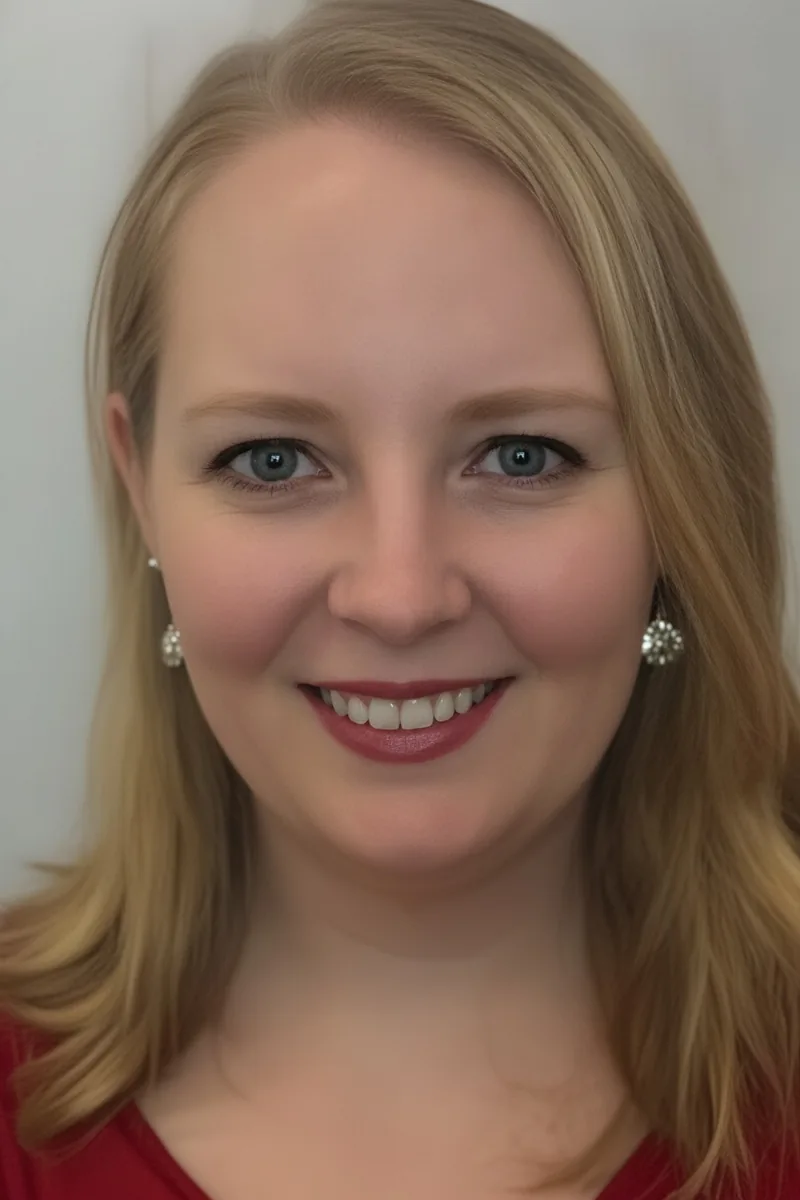
Between her BA in French, her current master's work at UMKC, and daily experience at a French immersion school, Ann lives in this language. She unpacks grammar concepts like the subjunctive mood and object pronoun placement with the patience of someone who's taught everyone from second graders to college students — adjusting her explanations to fit whatever level a student brings.
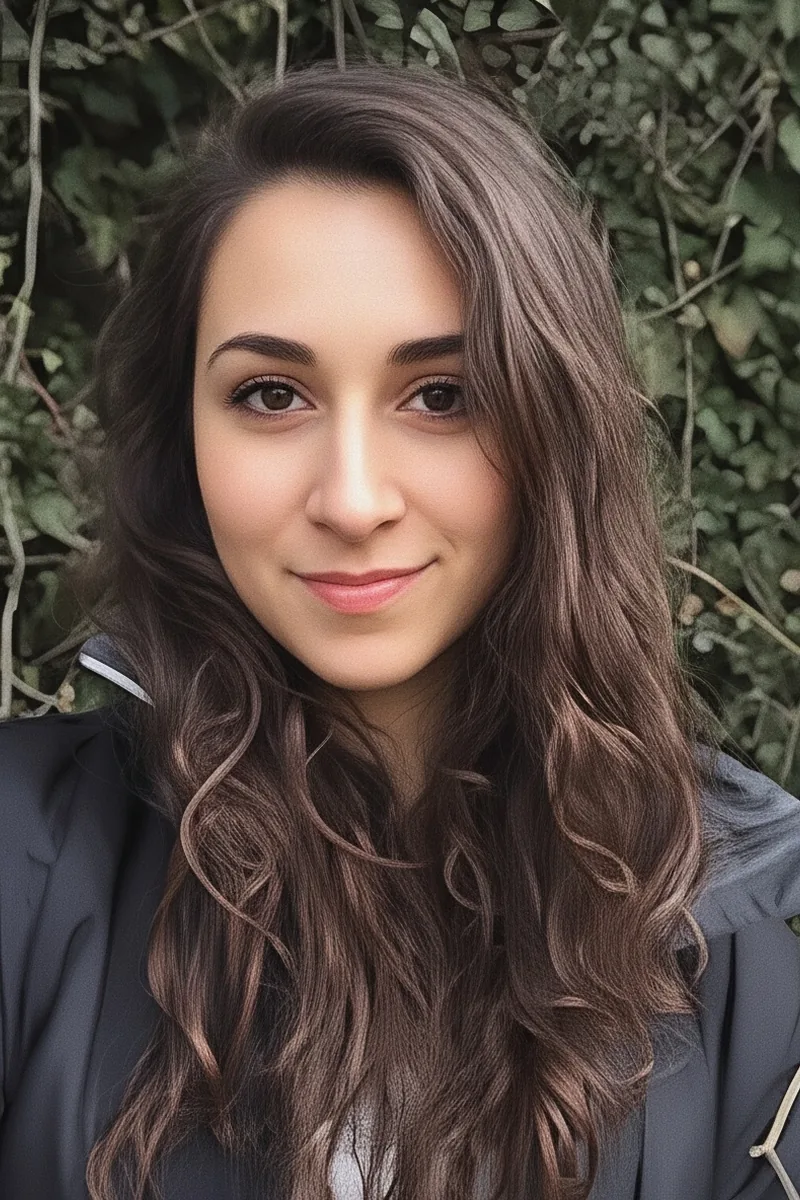
Learning a second Romance language becomes much easier when someone can show you the patterns connecting it to one you already know. Geraldine, who is fluent in Spanish and studied French, draws on those shared Latin roots to demystify French grammar — explaining why subjunctive triggers or gendered nouns work the way they do. She emphasizes pronunciation and listening comprehension alongside written exercises.
Living in France for a year and tutoring in Dartmouth's French department gave Ben a feel for the language that goes well beyond verb charts. He unpacks tricky grammar concepts like the subjunctive and object pronoun placement by connecting them to real spoken patterns, making the rules intuitive rather than arbitrary. Rated 5.0 by students.
Margot's French studies span grammar, reading comprehension, and cultural context — from mastering passé composé versus imparfait to navigating authentic French texts. She connects language rules to real usage patterns so that conjugation tables start making intuitive sense rather than feeling like rote memorization.
Chelsey studied French through two levels of coursework and brings a structured, analytical approach to the language — breaking down verb conjugations, grammatical gender, and sentence construction so patterns become intuitive. Her background in literature also means she can connect French language learning to cultural context, from reading short texts to understanding idiomatic expressions.
Learning French from Laura means learning from someone who didn't just study the language in a classroom — she lived it during an immersion semester in Toulouse and now pursues it as a full major at Washington University. She unpacks tricky grammar concepts like the subjunctive mood and pronoun placement by connecting them to how French speakers actually talk, making rules feel intuitive rather than arbitrary.
Learning French requires consistent practice and the willingness to make mistakes out loud — two things that are harder than they sound when self-consciousness takes over. Kerry teaches across all four levels of French and uses her psychology training to create a low-pressure environment where students actually speak, conjugate, and think in the language. She emphasizes verb tenses, conversational fluency, and the listening comprehension skills that classroom instruction often rushes past.
Studying both linguistics and psychology at the University of Chicago gave Sherry an unusual edge for teaching French — she understands how language systems are structured and how the brain actually acquires new ones. She applies that dual perspective to everything from gendered noun patterns to the nuances of French phonology, making unfamiliar sounds and grammar feel more logical. Rated 5.0 by students.
Four levels of French coursework gave Alessia a thorough command of everything from partitive articles to the plus-que-parfait. She teaches grammar as a system rather than a set of isolated rules, so students start recognizing patterns — like how object pronoun order works — instead of memorizing charts. Her 5.0 rating speaks to the clarity she brings to the language.
Fluency in Spanish and Portuguese gives Lisanne an intuitive grasp of how Romance languages work — the shared Latin roots, the gendered noun systems, the verb tense structures that map across French, Spanish, and Portuguese in predictable ways. She draws on that multilingual foundation to unpack French grammar for students who benefit from seeing the connections between languages rather than learning each rule in isolation. Her PhD work at Harvard, rooted in international and cross-cultural research, keeps her engaged with French-language scholarship and discourse.
Laura studied French through the third-year level and approaches the language with the same analytical rigor she applies to her other subjects. She unpacks grammar concepts like the subjunctive and object pronoun placement by connecting them to patterns students already recognize, making conjugation tables and agreement rules feel less arbitrary.
Most French tutors learned the language; Nicholas studied how it works at the graduate level, earning a master's in French Linguistics and Pedagogy. That means he can explain why certain verb conjugations follow the patterns they do, how pronoun placement shifts in complex sentences, and what makes French syntax feel intuitive rather than arbitrary.
Few tutors can move comfortably between French grammar drills and open-ended conversation, but Olivia has taught French at multiple levels and lists it as one of her favorite subjects. She digs into the mechanics that make French click — verb conjugation patterns, gendered agreement, and the partitive articles that English speakers consistently misuse. Her engineering background also means she brings a systematic, logical approach to what can feel like an overwhelming amount of rules.
Testimonials
Because the right French tutor makes all the difference.
Average Session Rating – Based on 3.4M Learner Ratings
Nearby French Tutors
Other Kansas City Tutors
Related Languages Tutors in Kansas City
Frequently Asked Questions
Speaking practice is one of the biggest challenges in traditional classrooms, where students often get limited time to actually speak. With personalized 1-on-1 instruction, you get dedicated conversation time with a French tutor who can correct your pronunciation, help you think through responses in real-time, and build your confidence speaking. Regular practice in a low-pressure environment helps you move from translating in your head to thinking naturally in French.
French verbs have many tenses and irregular patterns that don't always follow predictable rules, making them one of the most challenging aspects of learning the language. A tutor can break down conjugation patterns into manageable chunks, show you the logic behind irregular verbs, and give you targeted practice so patterns stick. Rather than memorizing endless tables, you'll learn to recognize patterns and apply them naturally in conversation.
Vocabulary sticks best when you encounter words repeatedly in context and actually use them in sentences, rather than cramming from lists. Tutors use spaced repetition and retrieval practice—bringing back words you've learned in new contexts—so they move into your long-term memory. Connecting vocabulary to cultural context, real-world situations, and your personal interests also makes words more memorable and useful.
Kansas City's 24 school districts follow similar French curriculum standards, typically covering grammar, reading, writing, and listening comprehension at each level. Tutors can support what you're learning in class—whether you're building foundational skills or preparing for AP French exams—while also filling gaps and accelerating your progress. Many students find that personalized tutoring helps them master concepts faster so they can tackle more advanced material.
Absolutely. Pronunciation and accent are skills that improve dramatically with feedback from someone who speaks French fluently. A tutor can identify which sounds are tricky for English speakers (like the French 'r' or nasal vowels), show you how to position your mouth and tongue, and give you immediate corrections so you build better habits. Hearing yourself corrected in real-time and practicing with a native or near-native speaker makes a huge difference in developing a more authentic accent.
Grammar is just one piece of language learning—understanding cultural context, idioms, and how French speakers actually communicate is equally important. Tutors can weave cultural insights into lessons, explaining why certain phrases are used, what they really mean in context, and how French culture shapes the language. This approach makes French feel less like a set of rules and more like a living way of communicating with real people.
Your first session is about getting to know each other and assessing where you are with French. A tutor will ask about your goals, what you've already learned, what challenges you're facing, and what motivates you to learn the language. From there, you'll work together to create a personalized plan that targets your specific needs—whether that's acing an upcoming test, building conversational confidence, or mastering grammar concepts that have been confusing.
Look for tutors with strong French language skills—ideally native or near-native speakers—plus teaching experience or certification. It's also helpful if they understand the specific French curriculum taught in Kansas City schools and have experience with students at your level. Varsity Tutors connects you with expert tutors who have been vetted for both language proficiency and teaching ability, so you can focus on learning rather than vetting credentials yourself.
Let’s find your perfect tutor
Answer a few quick questions. We’ll recommend the right plan and match you with a top 5% tutor.