Award-Winning Statistics Graduate Level Tutors
serving Grand Rapids, MI
Statistics Graduate Level
Tutors in Grand Rapids
Private 1-on-1 tutoring, weekly live classes for academic support, test prep & enrichment, practice tests and diagnostics, and more to elevate grades and test scores.
Based on 3.4M Learner Ratings
UniversitiesSchools & Universities
DeliveredHours Delivered
ProficiencyGrowth in Proficiency
Who needs tutoring?
No obligation. Takes ~1 minute.
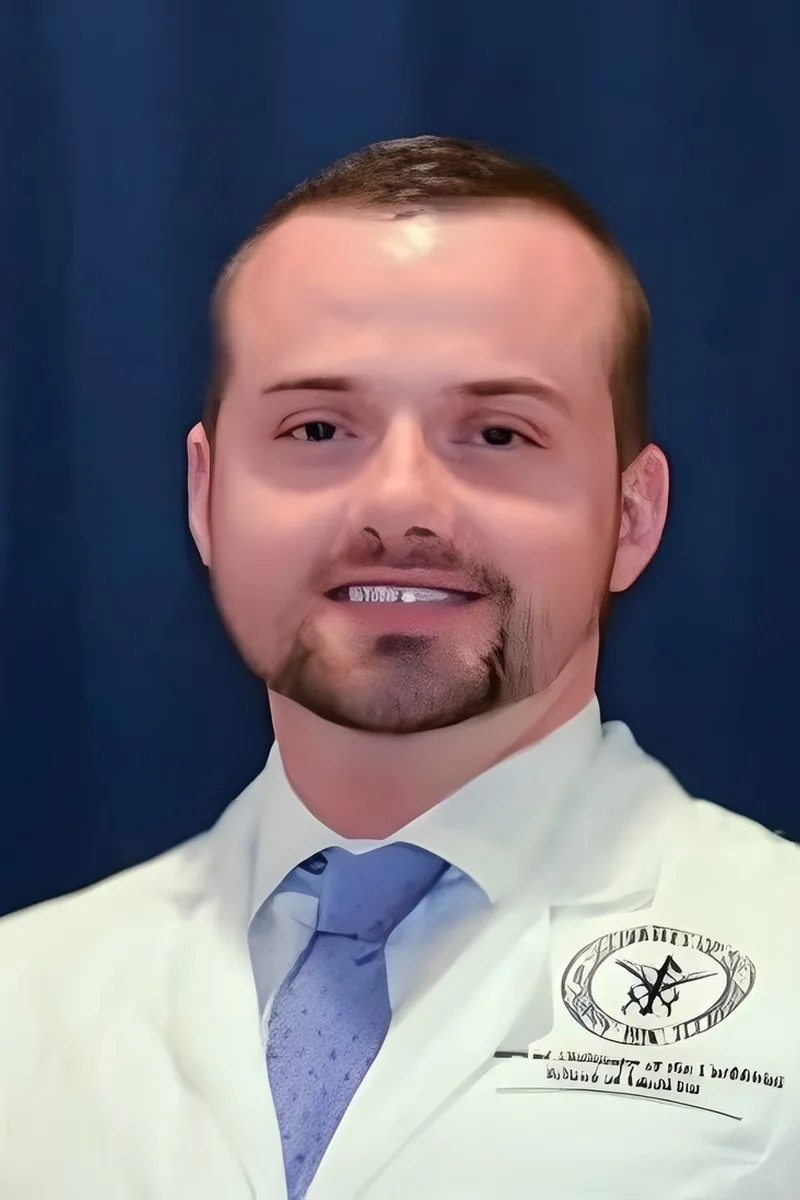
Graduate-level statistics throws students into multivariate analysis, ANOVA designs, and regression modeling where the intuition behind each test matters as much as running it. Macklin applies these methods daily as a medical student analyzing clinical research data, so he teaches the reasoning behind choosing a test — not just the formulas. Rated 5.0 by students.
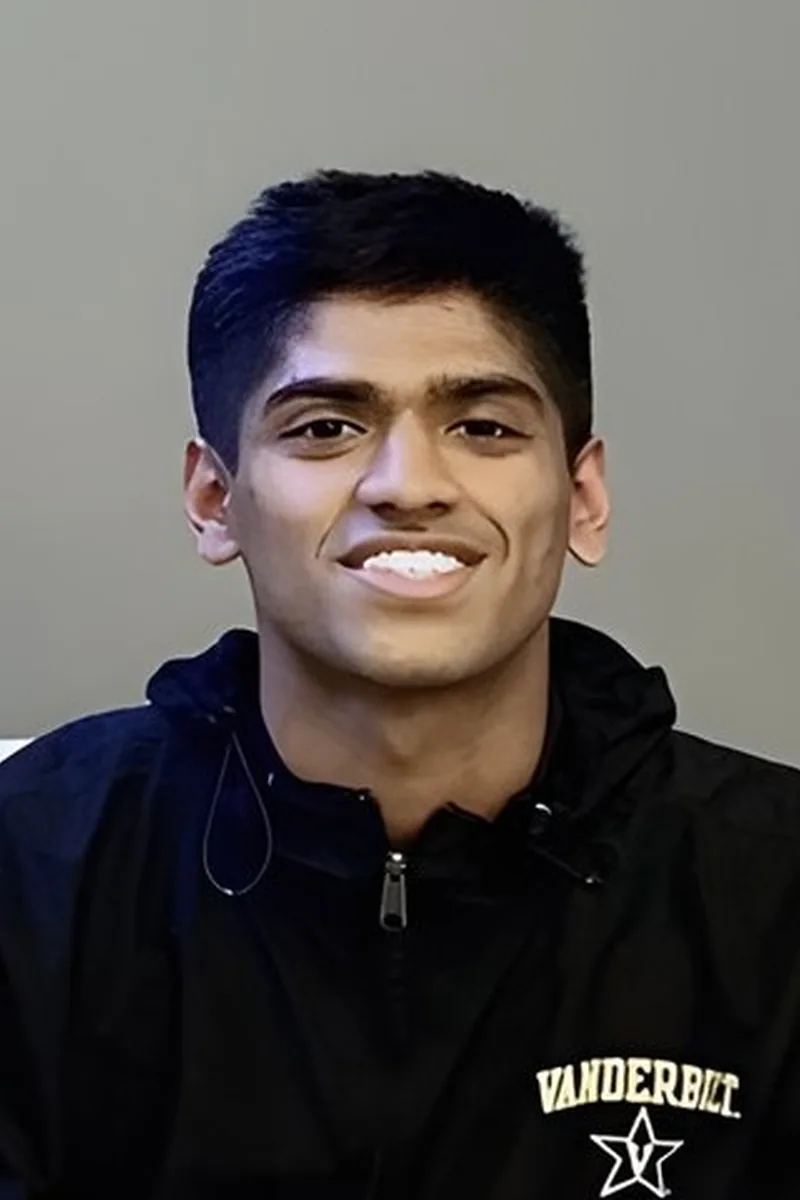
Graduate-level statistics demands comfort with concepts like maximum likelihood estimation, Bayesian inference, and hypothesis testing frameworks that go well beyond intro courses. Abhi's M.S. in Data Science from UIUC and current PhD work at NYU mean he uses these tools daily in research — he teaches the theory alongside the practical intuition for when and why each method applies.
As a PhD student in economics at Yale, Anthony works with graduate-level statistics constantly — maximum likelihood estimation, regression diagnostics, hypothesis testing frameworks, and Bayesian methods all show up in his research. He brings that working fluency to tutoring sessions, breaking down proofs and derivations in ways that clarify the underlying probability theory. Students tackling measure-theoretic foundations or asymptotic theory get someone who's actively immersed in this material.
Graduate-level statistics throws curveballs that intro courses never prepare you for — survival analysis, mixed-effects models, high-dimensional inference. Nina earned her master's in biostatistics at Columbia and is currently pursuing her doctorate at NYU, so she's actively immersed in the theory and application behind these methods. She also served as a teaching assistant at Columbia, giving her a sharp sense of where grad students typically get stuck.
Graduate-level statistics demands fluency with theory — sufficiency, maximum likelihood estimation, Bayesian inference, and the mathematical underpinnings that introductory courses skip. Bahaeddine earned his PhD in Statistics and teaches at the university level, so he can walk through measure-theoretic probability or asymptotic theory with the rigor a graduate program expects.
Graduate-level statistics often demands fluency with multivariate analysis, mixed models, and experimental design — topics Dan tackled extensively during his Master's in Plant Biology and Conservation, where statistical modeling was central to his research. He breaks down the logic behind tests like ANOVA, regression diagnostics, and maximum likelihood estimation so the methodology clicks, not just the software output. Rated 5.0 by students.
Graduate-level statistics in the health sciences — biostatistics, survival analysis, logistic regression — requires more than formula memorization; it demands understanding which test fits which study design and why. Julia's Doctor of Science in Pharmacy means she's applied these methods firsthand in clinical research contexts, interpreting p-values and confidence intervals with real patient data on the line. She teaches students to think like researchers, connecting statistical output back to the questions driving the analysis.
Graduate-level statistics demands comfort with proofs and distributions that introductory courses barely mention — maximum likelihood estimation, Bayesian inference, multivariate hypothesis testing. Channing digs into the mathematical machinery behind these methods, connecting measure-theoretic ideas to practical applications so the theory actually sticks. His broad math background, spanning calculus through biostatistics, keeps the explanations rigorous without losing sight of real-world relevance.
Graduate-level statistics becomes far more intuitive when the examples come from real research — and Nicholas has applied multivariate analysis, mixed models, and hypothesis testing frameworks extensively throughout his genetics PhD work. He breaks down concepts like maximum likelihood estimation and ANOVA designs by tying them to the kinds of messy, real-world datasets students actually encounter in their own programs. Rated 4.8 by students.
I am listening to and learning about him or her as an individual. I can also discover what motivates the student during this conversation and plan for how to frame future tutoring sessions in terms of what the student already knows and enjoys.
Graduate-level statistics throws students into the deep end — maximum likelihood estimation, Bayesian inference, multivariate regression diagnostics — and expects fluency, not just familiarity. Evan is currently completing his own graduate work in statistics, so he's actively immersed in the theory and computation these courses demand. He also codes in Python and SQL, which means he can walk through both the mathematical proofs and the applied implementation side.
Graduate-level statistics demands fluency with concepts like maximum likelihood estimation, Bayesian inference, and multivariate analysis — not just running software but understanding the theory underneath. Michelle brings a quantitative biology perspective to these methods, having applied advanced statistical frameworks to biological data throughout her science training. Rated 4.9 by students.
Graduate-level statistics demands fluency with concepts like maximum likelihood estimation, Bayesian inference, and multivariate distributions that go far beyond introductory coursework. Yuanxin's master's in financial engineering at USC required exactly this depth — she built and analyzed stochastic models where getting the statistics wrong meant getting the entire financial model wrong.
Testimonials
Because the right Statistics Graduate Level tutor makes all the difference.
Average Session Rating – Based on 3.4M Learner Ratings
Other Grand Rapids Tutors
Related Math Tutors in Grand Rapids
Frequently Asked Questions
Graduate-level statistics tutoring covers advanced topics including mathematical statistics, probability theory, statistical inference, experimental design, multivariate analysis, and computational methods. Tutors work with students on rigorous proofs, theoretical foundations, and practical applications—helping you move beyond procedural calculations to deeply understand the mathematical principles underlying statistical methods.
Many graduate statistics students struggle with the transition from applied to theoretical work, particularly with mathematical proofs, probability derivations, and connecting abstract concepts to real-world problems. Additionally, students often face challenges with programming implementations (R, Python, SAS), interpreting complex statistical output, and managing the workload of multiple assignments and projects simultaneously.
Your first session focuses on understanding your specific needs—whether you're preparing for comprehensive exams, working through a challenging course, or completing a thesis project. The tutor will assess your current understanding of key concepts, identify gaps in foundational knowledge, and develop a personalized plan that aligns with your program's curriculum and timeline.
Expert tutors help you develop systematic problem-solving strategies by breaking down complex problems into manageable steps, teaching you how to identify which statistical methods apply to different scenarios, and guiding you through rigorous proof-writing. By working through problems together, you'll learn to recognize patterns, understand when and why certain approaches work, and build confidence in tackling unfamiliar problems independently.
Rather than focusing on memorization, tutors emphasize the 'why' behind statistical methods—exploring the mathematical foundations, assumptions, and limitations of different approaches. Through guided practice and discussion, you'll develop deeper conceptual understanding that helps you apply knowledge to new situations, excel on comprehensive exams, and conduct meaningful research.
Yes. Whether your program emphasizes Bayesian methods, frequentist inference, machine learning applications, or traditional mathematical statistics, Varsity Tutors connects you with tutors experienced in various approaches and textbooks. They can adapt to your specific program requirements and help you navigate different instructional styles or course sequences.
With consistent, focused tutoring, many students see meaningful improvement in understanding within 3-4 weeks, though the timeline depends on your starting point and goals. If you're preparing for comprehensive exams or a thesis defense, starting 2-3 months in advance allows time to build conceptual mastery and practice application. Regular sessions combined with independent practice accelerate progress significantly.
Varsity Tutors connects you with qualified tutors who have advanced knowledge in statistics and experience supporting graduate students. Simply tell us about your specific needs—your program, current challenges, and timeline—and we'll match you with someone experienced in your area of focus. You'll work with someone who understands both the theoretical depth and practical applications you need.
Let’s find your perfect tutor
Answer a few quick questions. We’ll recommend the right plan and match you with a top 5% tutor.