Award-Winning Spanish Tutors
serving Springfield, MA
Spanish
Tutors in Springfield
Private 1-on-1 tutoring, weekly live classes for academic support, test prep & enrichment, practice tests and diagnostics, and more to elevate grades and test scores.
Based on 3.4M Learner Ratings
UniversitiesSchools & Universities
DeliveredHours Delivered
ProficiencyGrowth in Proficiency
Who needs tutoring?
No obligation. Takes ~1 minute.
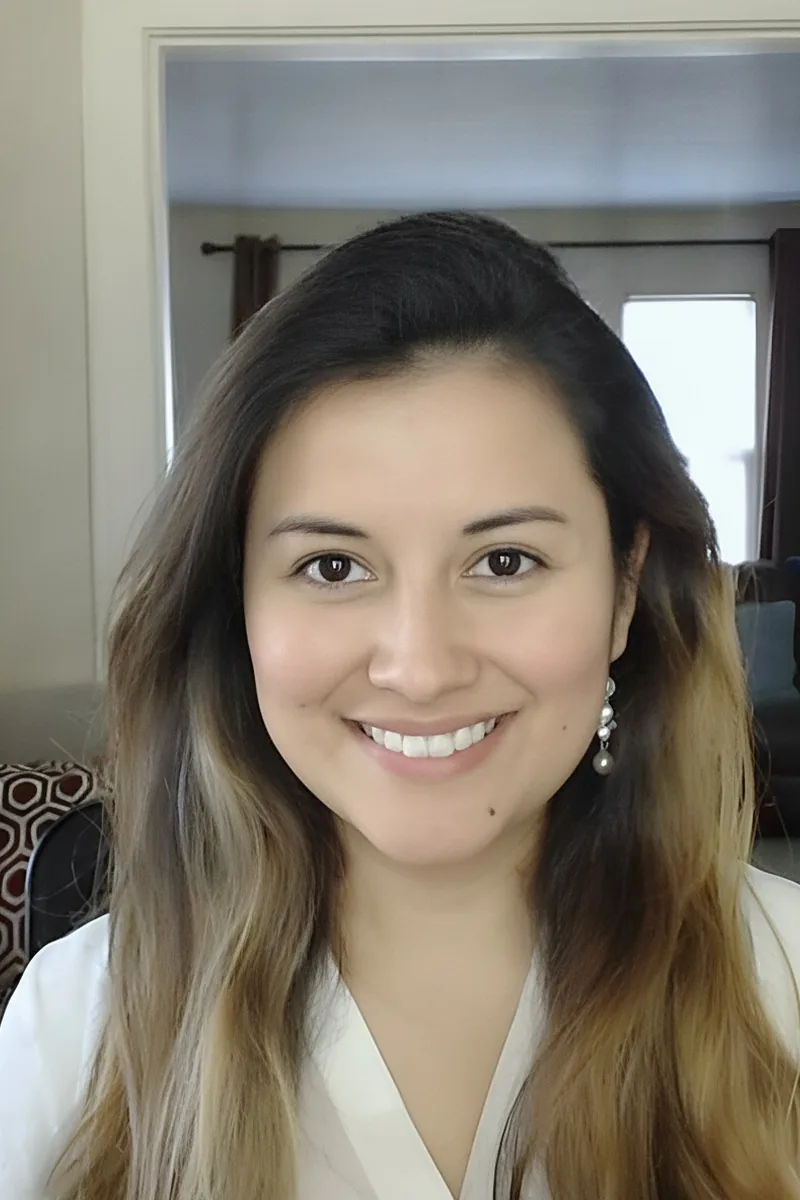
Living and running a nonprofit in Ecuador has given Vanessa the kind of everyday Spanish fluency that classroom instruction alone can't replicate. She uses that immersion experience to teach grammar, vocabulary, and verb conjugations through real-world context — ordering food, reading local news, navigating conversations — so the language sticks instead of feeling like an abstract exercise.
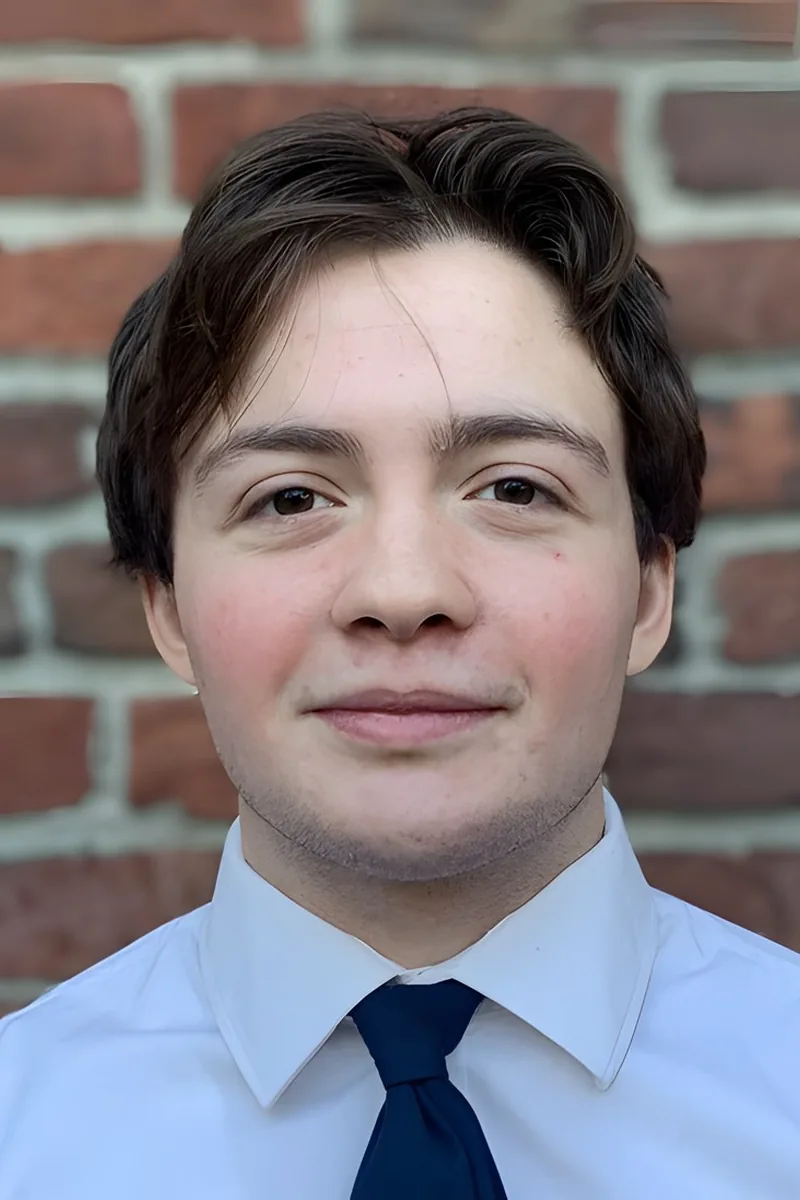
Samuel holds a TEFL certificate and studies linguistics at Harvard, which means he understands how languages are structured at a foundational level — verb conjugation patterns, pronoun systems, sentence-building rules. He applies that systematic approach to Spanish grammar and vocabulary, making concepts like ser vs. estar or preterite vs. imperfect click rather than feel like arbitrary memorization.
Teaching high school students in Vietnam gave Alyssa firsthand experience communicating across language barriers and building comfort with imperfect fluency. She applies that same patience to Spanish, tackling verb conjugation patterns, pronoun usage, and sentence construction in ways that build real conversational and written confidence at the Spanish 2 level and beyond.
Diana's TESOL training gave her deep expertise in how languages are structured and acquired, which she applies directly to Spanish instruction. She breaks down verb conjugation patterns, pronoun placement, and sentence-building in ways that make the grammar feel logical rather than arbitrary. Students in Spanish 1 or 2 especially benefit from her ability to explain why the language works the way it does.
Cassandra teaches Spanish at the introductory and intermediate levels, covering verb conjugation, pronoun usage, and sentence construction. Her background in comparative literature and Latin gives her a structural understanding of how Romance languages work, which makes explaining concepts like the subjunctive or ser-versus-estar distinctions more intuitive for students.
Six months living in Spain turned Rebecca from a classroom Spanish learner into a fluent speaker, and that transition shapes how she teaches the language now. She breaks down verb conjugations, pronoun placement, and subjunctive triggers by connecting them to how Spanish is actually spoken in daily life — not just how it appears in a textbook. Rated 4.5 by students.
Public policy work in Washington, DC means Noel reads, writes, and communicates across cultural contexts daily — a professional habit that translates naturally into language instruction. He approaches Spanish as a communication tool first, connecting vocabulary and grammar concepts like direct object pronouns and verb tenses to practical reading and writing tasks rather than rote drills. Rated 4.9 by students.
Learning new languages is one of Maedeh's ongoing pursuits, and she teaches Spanish at multiple levels from introductory vocabulary through advanced grammar and conversation. She approaches verb conjugations and sentence structure analytically, connecting patterns across tenses so that irregular forms and subjunctive usage start to feel logical rather than arbitrary.
Having taught Spanish 1 through Spanish 3, Lesleigh structures lessons around building verb conjugation patterns and vocabulary in layers so earlier material reinforces what comes next. Her background in classical languages — Latin, in particular — gives her an unusual advantage when explaining Spanish grammar, since so many rules trace back to the same roots.
Four years of TA'ing Spanish at Dartmouth using the Rassias method — an approach built around verb structure, syntax, and pronunciation drills — gave Elise a systematic way to build fluency from the ground up. She tackles grammar not as a set of rules to memorize but as patterns that unlock real communication, whether a student is conjugating in the preterite for the first time or navigating the subjunctive.
Growing up as a native Spanish speaker, reader, and writer, Alex doesn't just know the grammar rules — he knows how the language actually moves in conversation, literature, and formal writing. He has tutored students at every proficiency level, from beginners learning ser versus estar to advanced students refining subjunctive usage and essay composition. His bilingual background also makes him especially effective with heritage speakers working to formalize skills they already have.
Olivia teaches Spanish at the level 1 and level 2 range, covering verb conjugation, sentence structure, and vocabulary acquisition with the kind of systematic grammar knowledge that comes from studying multiple languages at Harvard. Her experience teaching English to Russian speakers in Moldova gave her a practical understanding of how language learning actually works — pattern recognition, repetition, and building confidence one structure at a time.
Learning Spanish as an undergraduate major and then teaching it gave Meagan a double perspective: she remembers what tripped her up as a learner and knows how to explain tricky concepts like ser versus estar or the subjunctive mood clearly. She connects grammar to real communication so that verb conjugations feel like tools, not chores.
Fluent in Spanish alongside English and French, Nicolas understands how Romance languages mirror and diverge from each other — a perspective that makes conjugation patterns and grammatical structures click faster. He covers everything from present-tense basics in Spanish 1 to conversational fluency, emphasizing pronunciation and real-world usage alongside textbook grammar.
Meghan studied Spanish alongside linguistics at the University of Michigan, which means she doesn't just speak the language — she understands how its grammar, verb morphology, and sentence structure actually work at a systematic level. She teaches everything from beginner conjugation patterns through advanced subjunctive usage, connecting each rule to the logic behind it. Rated 5.0 by students.
Ten years of studying Spanish — plus extended time living in Costa Rica and Mexico — gave Sarah the kind of fluency that lets her explain tricky concepts like the subjunctive mood or ser-versus-estar distinctions in ways that actually make intuitive sense. She holds a Spanish degree from Bucknell and has taught students ranging from absolute beginners to advanced learners. Rated 5.0 by students.
Verb conjugations and vocabulary lists only go so far without understanding how Spanish grammar actually works as a system. Sarah teaches across multiple levels of Spanish and breaks down concepts like ser vs. estar, preterite vs. imperfect, and subjunctive mood triggers so that students internalize the logic behind the rules.
Eunice's experience tutoring ESL students and teaching Korean gives her a practical understanding of how language acquisition actually works — the stumbling blocks, the breakthroughs, the moments when grammar rules suddenly click. She applies that cross-linguistic awareness to Spanish, particularly when unpacking verb tenses and sentence construction for students who benefit from seeing patterns mapped out clearly.
Andrea has studied Spanish through the advanced level and teaches everything from verb conjugation patterns and pronoun placement to reading comprehension and written composition. She approaches grammar systematically — breaking down the subjunctive, for instance, by showing when and why it appears rather than asking students to memorize trigger lists. Her cognitive science training also informs how she structures vocabulary practice for long-term retention.
Samantha teaches Spanish with an emphasis on building grammar accuracy alongside real comprehension — verb conjugations in context, pronoun placement that actually makes sense, and reading strategies that go beyond word-by-word translation. Her experience across multiple levels of Spanish means she can pinpoint exactly where a gap in understanding started and address it directly.
Having studied Spanish through advanced coursework, Juanita approaches the language with an educator's eye for what actually trips students up — ser versus estar, preterite versus imperfect, and the subjunctive mood that most learners dread. She connects grammar rules to real usage patterns so that conjugation charts start making intuitive sense rather than feeling like rote memorization.
Learning Spanish grammar rules is one thing; knowing when to use the subjunctive in an actual sentence is another. James tackles both sides, linking conjugation patterns and vocabulary to practical usage so students aren't just filling in worksheets but actually constructing meaning. He adapts his explanations to how each student thinks, which makes tricky concepts like ser vs. estar or indirect object pronouns far less confusing.
Creative writing training sharpens something most people don't associate with language learning — an ear for how sentences are built, how rhythm changes meaning, and how word choice shifts tone. Christine applies that literary instinct from her Emerson College BFA to Spanish sentence construction and vocabulary, treating each new grammar concept as a writing tool rather than an abstract rule. She also teaches across Spanish 1 through Spanish 3, so she's comfortable scaling from beginner conjugation basics to more complex structures.
Kelsey grew up attending a language immersion school and is fluent in Spanish — not the textbook-only kind of fluency, but the kind that comes from years of reading, writing, and thinking in the language. She teaches grammar concepts like subjunctive mood and preterite vs. imperfect through context and usage, so the rules actually stick instead of feeling like arbitrary charts to memorize.
Speaking three languages fluently, Peter picked up Spanish not as an academic exercise but as a living skill — and that shapes how he teaches it. He connects grammar concepts like ser vs. estar or subjunctive triggers to real conversational contexts so the rules actually stick. Students come away understanding the logic behind the language, not just memorizing conjugation tables.
Learning Spanish grammar is a lot like learning English grammar — it clicks faster when someone can explain why the rules exist, not just what they are. Rainier teaches verb conjugation, sentence structure, and vocabulary acquisition with the same analytical clarity he brings to his humanities subjects. He covers Spanish 1 and 2 material and keeps sessions interactive so students actually practice producing the language.
Five years of teaching ESL gave Amanda an unusual advantage in Spanish instruction: she understands how English speakers process a new language's grammar from the inside out. She connects Spanish verb conjugations, pronoun placement, and subjunctive triggers to the English structures students already know, making tricky concepts like ser vs. estar or the preterite/imperfect distinction click faster. Spanish is one of her favorite subjects to teach, and it shows.
Growing up in San Juan, Puerto Rico, Carla spoke Spanish before she ever studied it in a classroom — which means she can explain the difference between how a rule looks on paper and how it actually sounds in conversation. She teaches across multiple levels and draws on that native-speaker intuition to make vocabulary, pronunciation, and everyday phrasing click. Rated 5.0 by students.
Spanish isn't Priyanka's primary discipline, but her medical training includes communicating with Spanish-speaking patients and reading clinical literature in multiple languages. She approaches grammar and vocabulary with the same structured, methodical thinking she applies to science — breaking conjugation patterns and sentence construction into logical systems rather than rote memorization.
Having studied Spanish through advanced levels and maintained conversational fluency, Claire teaches the grammar structures — subjunctive mood, preterite vs. imperfect, indirect object pronouns — that tend to trip students up most. She connects each rule to how Spanish is actually spoken, so the logic sticks beyond the quiz.
Working with young kids at the Marcus Autism Center meant Sydney had to communicate clearly and adapt explanations on the fly — skills she now applies to breaking down Spanish grammar concepts like ser versus estar or preterite versus imperfect. Her master's program at Boston University also involved heavy group teaching, where she got used to re-presenting tricky material from multiple angles until it clicked. Rated 5.0 by students.
While Spanish isn't Sydney's core academic focus, she brings the same structured, patient approach she uses in her English and writing sessions to language learning. She's particularly effective at breaking down grammar rules — verb conjugations, sentence structure, and vocabulary building — in ways that make the logic of the language click rather than relying on rote memorization.
Learning Spanish means juggling verb conjugations, gendered nouns, and sentence structures that don't map neatly onto English — and Samantha tackles all of it by connecting grammar rules to real usage rather than isolated drills. She covers everything from preterite vs. imperfect distinctions to building reading comprehension through short authentic texts. Her experience preparing students for AP-level Spanish means she knows how to build skills that scale up over time.
Learning Spanish grammar is partly about memorizing conjugation tables, but it sticks when a student understands why the subjunctive exists or how pronoun placement changes sentence rhythm. Zach brings a linguist's eye to Spanish instruction, connecting grammatical structures to the logic behind them so that rules feel less arbitrary. He teaches across levels from foundational verb tenses through more complex constructions like the conditional and compound tenses.
Ryan pairs a Spanish minor at Northeastern with years of coursework spanning verb conjugation systems, subjunctive mood, and reading comprehension in authentic texts. That academic grounding means he can explain the why behind tricky grammar rules — like when to use ser versus estar or how direct and indirect object pronouns stack — instead of just drilling flashcards.
Sebastian teaches Spanish across all four levels plus AP Spanish Literature and Culture, and his computer science background gives him a knack for breaking the language down into logical systems — recognizing patterns in verb endings, building vocabulary through structured repetition, and treating grammar like a set of rules to debug rather than memorize. For students who think analytically, that approach can make concepts like indirect object placement or tense selection click in a way that traditional drills don't. Rated 5.0 by students.
Laura teaches Spanish across multiple levels, from introductory vocabulary and verb conjugation through more complex grammar like the subjunctive mood and object pronoun placement. She takes a structured, pattern-based approach — her engineering training makes her especially good at showing students the logic hidden inside Spanish grammar rules.
Studying biology and Spanish as a double major means Andrew lives in both languages daily — reading Spanish-language texts, writing academic papers, and navigating grammar structures like the subjunctive and preterite vs. imperfect distinctions. He teaches Spanish as an interconnected system of rules rather than isolated vocabulary lists, connecting verb conjugations and sentence structure so they actually stick.
I am very patient and will work alongside the student toward reaching that key moment when the material finally clicks and everything makes sense.
Teaching AP Spanish Language & Culture is one of Vicente's core strengths, and he approaches the language at every level with an emphasis on actually communicating — not just conjugating verbs on a worksheet. He builds reading, writing, listening, and speaking skills together so that grammar concepts like the subjunctive or ser versus estar click in context rather than in isolation.
Testimonials
Because the right Spanish tutor makes all the difference.
Average Session Rating – Based on 3.4M Learner Ratings
Nearby Spanish Tutors
Other Springfield Tutors
Related Languages Tutors in Springfield
Frequently Asked Questions
In a typical classroom, students get limited opportunities to speak Spanish one-on-one with an instructor. Personalized tutoring provides dedicated conversation practice where you can develop speaking confidence, work on pronunciation, and receive immediate feedback on your accent and phrasing. This focused speaking practice is one of the most effective ways to build fluency and overcome the nervousness many students feel when speaking a new language.
Verb conjugation is one of the biggest challenges in Spanish because there are so many rules and exceptions. Rather than memorizing tables, expert tutors help you understand the patterns behind conjugations and practice them in real conversation contexts. When you use verbs naturally in dialogue, they stick much better than through rote memorization—and you'll actually remember them when you need them in real situations.
Most students forget vocabulary because they study it in isolation. Tutors use spaced repetition and retrieval practice—techniques backed by learning science—by weaving new words into conversations and real-world contexts. When you learn vocabulary through meaningful dialogue and use it repeatedly across multiple sessions, it moves from short-term memory into long-term retention much more reliably.
Personalized tutoring develops all four language skills: reading, writing, speaking, and listening. Tutors can focus on your specific needs—whether that's reading comprehension for AP Spanish, writing essays for class, or building conversational fluency. Many students benefit from a balanced approach that strengthens all skills together, since they reinforce each other.
Language and culture are deeply connected. Understanding the cultural context behind Spanish—whether it's regional differences across Spain and Latin America, idioms, or social customs—makes the language more meaningful and memorable. Tutors often weave cultural elements into lessons so you're not just learning grammar rules, but developing a real understanding of how Spanish speakers communicate and think.
Your first session is an opportunity for the tutor to understand your current level, learning goals, and specific challenges—whether that's verb conjugation, accent reduction, or test preparation. You'll likely do some conversational assessment and discuss what you want to focus on. This helps the tutor create a personalized plan tailored to your needs rather than following a one-size-fits-all curriculum.
Look for tutors with strong Spanish fluency (ideally native or near-native speakers), teaching experience, and expertise in the specific areas you need help with—whether that's conversational Spanish, AP/IB exam prep, or grammar fundamentals. Varsity Tutors connects you with expert tutors who have been vetted for their subject knowledge and ability to explain concepts clearly.
This depends on your starting point and how much you practice, but research suggests it takes roughly 600-750 hours of study to reach professional proficiency in Spanish. With consistent tutoring combined with your own practice, many students see meaningful improvement in conversational ability within a few months. Regular sessions help you progress faster than studying alone because you get expert guidance and real-time feedback on your progress.
Let’s find your perfect tutor
Answer a few quick questions. We’ll recommend the right plan and match you with a top 5% tutor.