Award-Winning Physiology Tutors
serving Sarasota, FL
Physiology
Tutors in Sarasota
Private 1-on-1 tutoring, weekly live classes for academic support, test prep & enrichment, practice tests and diagnostics, and more to elevate grades and test scores.
Based on 3.4M Learner Ratings
UniversitiesSchools & Universities
DeliveredHours Delivered
ProficiencyGrowth in Proficiency
Who needs tutoring?
No obligation. Takes ~1 minute.
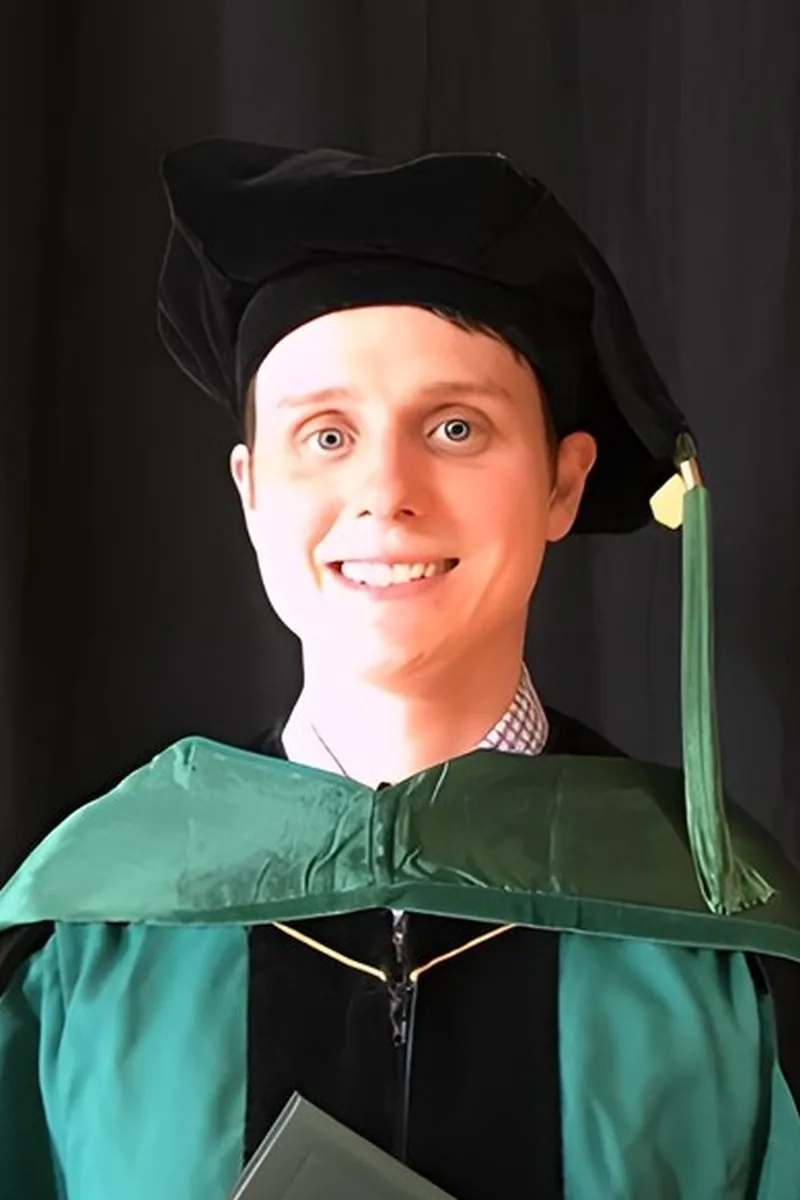
Studying physiology in a doctoral physical therapy program at Washington University means James isn't just reading about organ systems — he's applying concepts like cardiac output, muscle fiber recruitment, and respiratory mechanics to clinical cases every week. That applied lens makes him especially effective at explaining how the body's systems interact under stress, exercise, or disease. He teaches the 'why' behind each mechanism so the details stick.
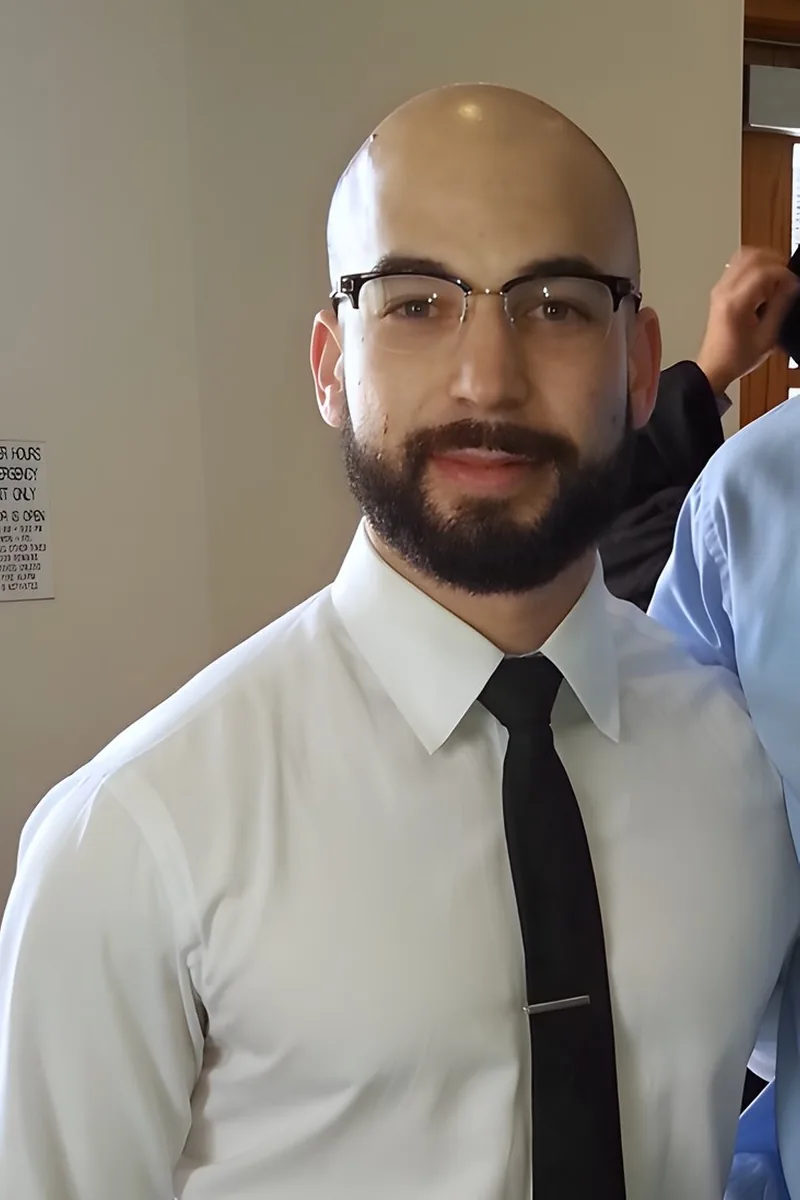
Understanding physiology means thinking in feedback loops — how the kidneys talk to the cardiovascular system, why a drop in blood pH triggers a respiratory response, what happens when one variable shifts and the body compensates. Felix's medical training gave him daily practice applying these mechanisms to real patient scenarios. He unpacks each organ system by tracing cause and effect, so students internalize the logic instead of cramming isolated facts.
I am passionate about learning and assisting others with the intention of becoming an excellent physician in the future. I am eager to apply the knowledge and skills that I have learned along the way to improve the lives of those looking to better themselves.
A human biology degree from UCSD plus ongoing medical coursework gives Kevin an unusually detailed command of how organ systems actually function — from renal filtration mechanics to cardiac action potentials. He teaches physiology by tracing cause and effect through feedback loops, so students understand why a change in one variable cascades through the whole system. Rated 4.9 by students.
I am a law student, but I took an unusual route to get there. I used to attend medical school but had a change of heart in my career path. Part of this was due to my political science major (double major with biology) in college as well as a number of Spanish and other courses that I took. Tutoring is something, I feel, that has come naturally to me, even back to my high school days. My goal is to help you learn as much as you can and reach your true potential. I will work hard to make sure that this happens, as long as you put in the work, too! We will work together to tailor your learning experience to your needs.
Understanding physiology means tracing cause and effect across organ systems — how a hormone released in the hypothalamus cascades through feedback loops to change heart rate or kidney filtration. Nicholas connects these mechanisms to the genetic and cellular biology underlying them, drawing on his deep background in life sciences. He's especially effective at teaching students to think in terms of systems rather than isolated facts.
I am currently studying Medicinal and Biological Chemistry at Palm Beach Atlantic University in West Palm Beach, Florida, where I have just finished my sophomore year. After graduation, I hope to attend medical school, and one day become a physician. For over a year, I have been tutoring my peers in chemistry and anatomy & physiology through a peer tutoring program at my university. My favorite subject to tutor is by far chemistry, because it is extremely rewarding to help a student understand a difficult concept and then watch them be able to work though problems and apply those concepts on their own. I believe that students can only succeed if they understand the purpose of what they are learning, so I always make it a point to explain the "why" behind important concepts and ideas. This way, the student can develop a strong foundation of knowledge and can become more confident in their understanding of the subject. In my free time, I enjoy working out, reading exciting novels, and exploring my home city of Miami, Florida.
I'm often asked about my motivation to become (and stay) a teacher. My answer is always the same:
I am very interested in a career in the medical field, so I am apart of some pre-medical organizations. I really enjoy playing all different sports, from soccer to volleyball to tennis.
I am now pursuing a B.S. in computer science as well as a B.A. in studio art, with minors in mathematics and public health. I feel that my artistic practice has shaped my teaching, pushing me to take a creative, non-rigid approach to education -- I believe in working closely with my students to create individualized plans that cater to their specific learning needs.
I'm currently an undergraduate student at Nova Southeastern University and will be starting medical school next year. My two all time favorite subjects are math and science. Not only do I enjoy learning about those subjects, but I also love helping others understand and find their own passion for learning those kinds of subjects. I also love working with kids and helping them in areas in which they may struggle in. I look forward to working with you in the near future! :)
I am currently a senior in the Honors program, on track to graduate summa cum laude, and approaching completion of an undergraduate thesis on my work in the university's nanotechnology lab.
I am interested in the field of Science as I am studying to be a dentist! I enjoy going on dental mission trips on my breaks from school as well as spending time with my family.
Laura's dual biology and anthropology degree from Fordham gave her an interesting vantage point on physiology — she learned human body systems both through the molecular lens of biology courses and through the evolutionary, whole-organism perspective that anthropology demands. Now pursuing her MPH in environmental health sciences at Columbia, she's especially sharp on how external factors interact with physiological processes like respiratory gas exchange or immune response cascades. Rated 5.0 by students.
Medical training gave Rachel a command of physiology that goes well beyond textbook diagrams — she understands how cardiac output responds to hemorrhage, why the nephron's countercurrent multiplier actually works, and how hormonal feedback loops break down in disease. She unpacks these systems step by step, tying structure to function so each mechanism makes sense rather than requiring brute memorization.
Teaching physiology well means connecting the molecular details — ion channels, hormone cascades, oxygen-hemoglobin dissociation — to how whole organ systems actually behave. Emad has taught physiology as an adjunct professor and brings a clinician's perspective from two medical degrees, making concepts like cardiac output regulation or renal filtration tangible rather than theoretical.
Pre-med students need to understand physiology at the systems level — how cardiac output responds to exercise, how nephrons regulate fluid balance, how neurons propagate action potentials. Jaya's coursework in genetics and cell biology gives her the molecular foundation to explain *why* these systems behave the way they do, not just describe what happens. She connects organ-level function back to the cellular mechanisms driving it, which makes the material stick.
Neuroscience coursework gave Mary a deep familiarity with the systems where physiology and neural control overlap — topics like action potential generation, synaptic transmission, and autonomic regulation of heart rate and respiration. Her chemistry minor and teaching assistant role in organic and general chemistry also mean she can dig into the biochemical details when a concept like oxygen-hemoglobin binding or renal acid-base balance demands it. Rated 4.8 by students.
Studying kinesiology at Rice meant Tori lived in physiology — muscle contraction cascades, cardiac output regulation, renal filtration, respiratory gas exchange — for four years. She teaches these systems by tracing cause and effect through feedback loops, so students can predict what happens when one variable changes instead of memorizing isolated facts. That systems-level thinking is exactly what physiology exams reward.
Preparing for an Occupational Therapy doctorate means Alex has spent years inside physiology — not just memorizing organ systems but understanding how cardiac output, respiratory mechanics, and renal filtration actually behave in living patients. That clinical lens turns dense material like action potentials and hormonal feedback loops into stories about how the body maintains homeostasis under stress.
Kelly's cancer biology PhD at Cornell involved deep study of how cells signal, divide, and maintain homeostasis — the same organ-system physiology that dominates undergraduate coursework. She digs into membrane transport, cardiac function, and endocrine feedback loops with the precision of someone who's spent years researching how these systems break down in disease.
Studying physiology at Morehouse School of Medicine, Eugene lives inside the material he teaches — cardiac output equations, renal filtration mechanics, and the feedback loops that keep the body in homeostasis. He unpacks each organ system by linking structure to function, so students see the logic behind processes like action potentials or gas exchange rather than treating them as isolated facts.
Rachel's approach to physiology leans on breaking down the overlap between systems — showing, for example, how the muscular and nervous systems coordinate during a reflex arc, or how respiratory adjustments compensate for metabolic acidosis. Her biology and anatomy teaching background means she can scaffold unfamiliar material by anchoring it to structures and processes students already know. That knack for organizing intersecting ideas into a clear sequence is what makes dense physiology content manageable.
Understanding physiology means tracing cause and effect across organ systems — why a drop in blood pH triggers faster breathing, or how the nephron maintains electrolyte balance. Paul's pre-med biology training at Brown gave him a systems-level view of the human body, and he teaches each mechanism by linking structure to function rather than treating chapters as isolated units.
Understanding physiology means tracing cause and effect across organ systems — how a drop in blood pressure triggers the renin-angiotensin pathway, or why the SA node sets heart rate. Leonard teaches these cascades as logical chains rather than isolated facts, asking students to predict what happens when one variable changes. His approach turns dense material like renal filtration or respiratory gas exchange into something students can reason through on an exam.
Testimonials
Because the right Physiology tutor makes all the difference.
Average Session Rating – Based on 3.4M Learner Ratings
Nearby Physiology Tutors
Other Sarasota Tutors
Related Science Tutors in Sarasota
Frequently Asked Questions
Physiology requires students to understand complex systems—from cellular processes to organ interactions—which can feel overwhelming without a clear framework. Many students struggle to visualize how different body systems work together, memorize detailed terminology, or apply concepts to real-world scenarios. Personalized 1-on-1 instruction helps break down these interconnected systems into manageable pieces, allowing you to focus on the concepts that are giving you the most trouble rather than moving at a classroom pace.
Your first session is about building a foundation for success. A tutor will assess your current understanding of physiology concepts, identify specific areas where you need support—whether that's cellular respiration, cardiovascular function, or exam preparation—and create a personalized learning plan tailored to your goals. This initial conversation ensures that every session afterward is focused on your unique needs and learning style.
Tutors work with students across Sarasota's 72 schools and understand the various physiology curricula taught at different grade levels and institutions. Whether you're in an AP Biology course covering human systems, a college-prep physiology class, or a specialized health sciences program, a tutor can align instruction with your specific course requirements and learning objectives. This targeted approach ensures you're mastering exactly what you need to succeed in your class.
In a classroom with a 12.9:1 student-teacher ratio, instruction moves at an average pace that may not match your learning speed. With personalized 1-on-1 instruction, you get immediate feedback, can ask questions without hesitation, and spend time on concepts that challenge you rather than reviewing material you've already mastered. This focused approach typically leads to faster skill development and deeper understanding of physiology concepts.
Yes. Tutors help students master the physiology content covered on AP Biology exams, including cell structure, photosynthesis, cellular respiration, and human body systems. Beyond content review, a tutor can teach you test-taking strategies specific to AP questions, help you practice with released exam questions, and build confidence in areas where you typically struggle. This combination of content mastery and exam strategy significantly improves performance.
Many students need to strengthen foundational concepts like cell biology, chemistry basics, or anatomy before diving deeper into physiology. A tutor can identify these gaps and work backward to build a solid foundation, ensuring you understand the 'why' behind physiological processes rather than just memorizing facts. This approach prevents frustration and accelerates your progress in the course.
Look for tutors with strong backgrounds in biology, physiology, or related sciences—ideally with experience teaching or tutoring high school and college-level students. Varsity Tutors connects you with expert tutors who understand both the subject matter and how to explain complex systems in ways that make sense. During your initial conversation, you can ask about their experience with your specific course or exam to ensure the right fit.
Results vary based on your starting point and goals, but students typically see improvements in test scores, deeper understanding of concepts, and increased confidence in class participation within a few weeks of consistent tutoring. Some students move from struggling with basic concepts to mastering advanced topics like organ system integration. The key is regular, focused practice combined with expert guidance tailored to your learning style.
Let’s find your perfect tutor
Answer a few quick questions. We’ll recommend the right plan and match you with a top 5% tutor.