Award-Winning Physiology Tutors
serving Cape Coral, FL
Physiology
Tutors in Cape Coral
Private 1-on-1 tutoring, weekly live classes for academic support, test prep & enrichment, practice tests and diagnostics, and more to elevate grades and test scores.
Based on 3.4M Learner Ratings
UniversitiesSchools & Universities
DeliveredHours Delivered
ProficiencyGrowth in Proficiency
Who needs tutoring?
No obligation. Takes ~1 minute.
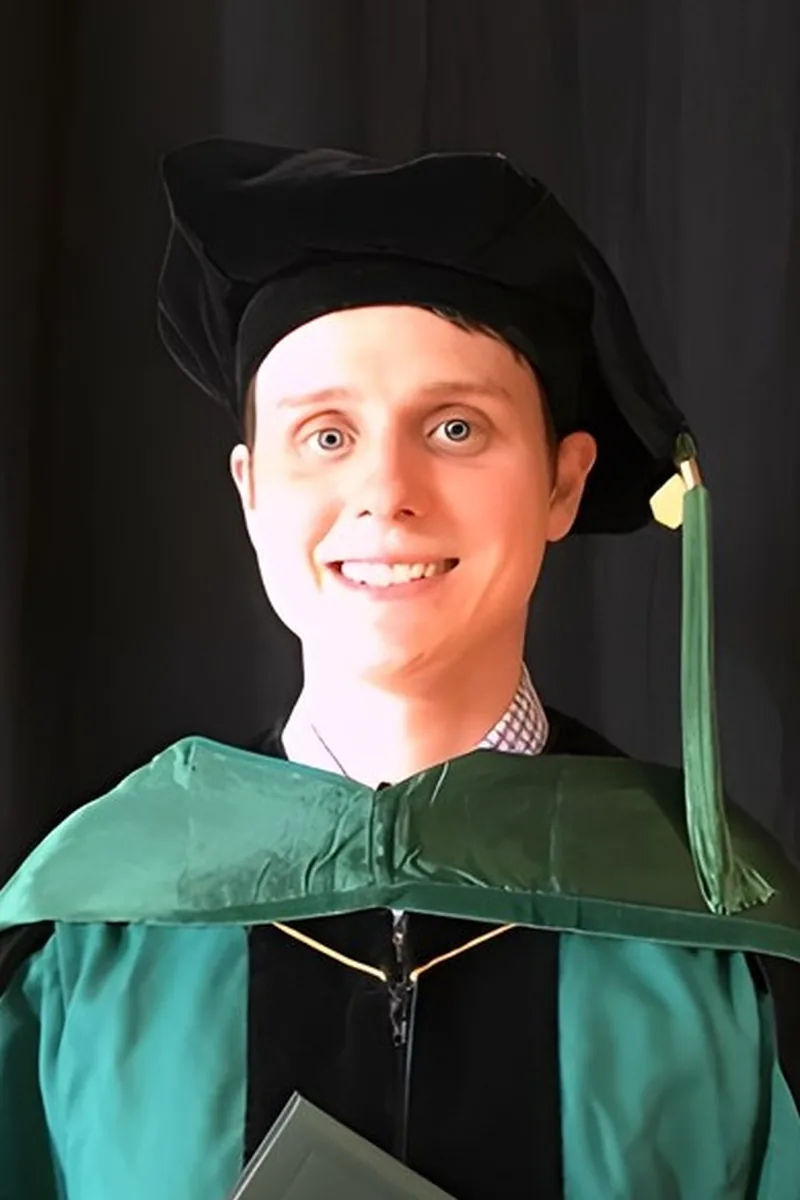
Studying physiology in a doctoral physical therapy program at Washington University means James isn't just reading about organ systems — he's applying concepts like cardiac output, muscle fiber recruitment, and respiratory mechanics to clinical cases every week. That applied lens makes him especially effective at explaining how the body's systems interact under stress, exercise, or disease. He teaches the 'why' behind each mechanism so the details stick.
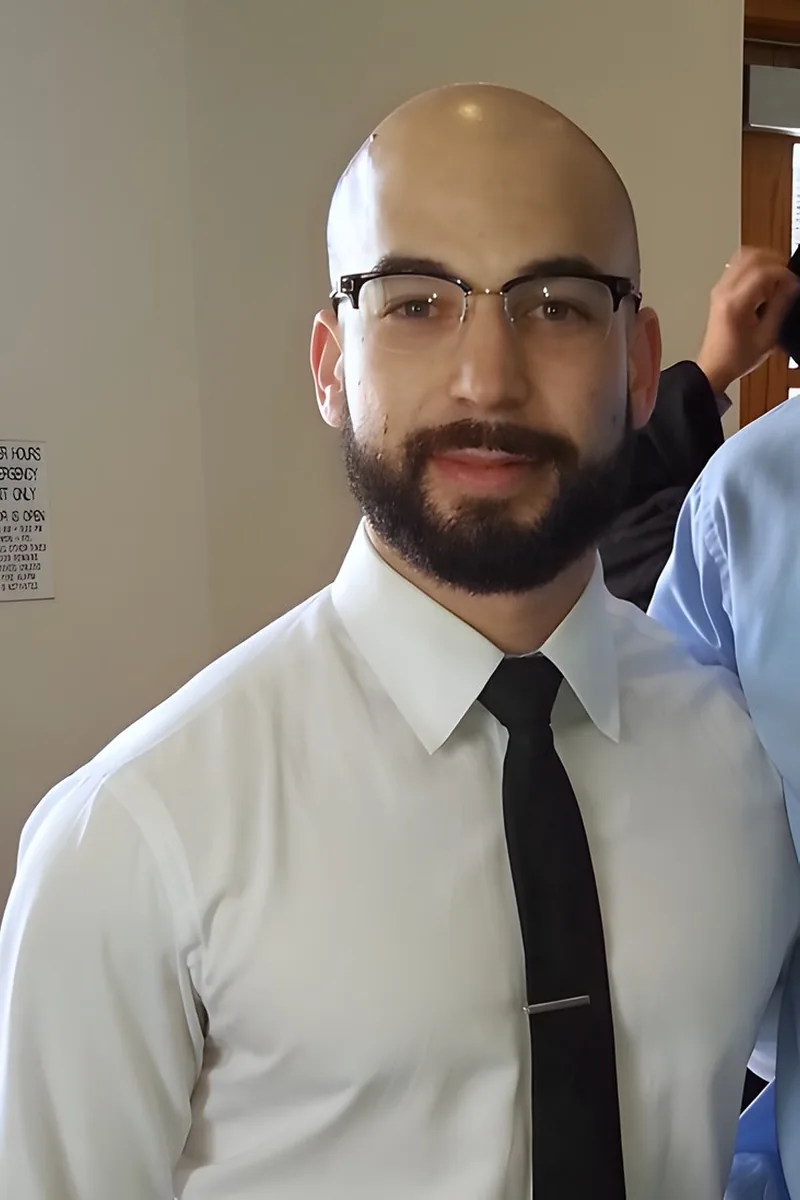
Understanding physiology means thinking in feedback loops — how the kidneys talk to the cardiovascular system, why a drop in blood pH triggers a respiratory response, what happens when one variable shifts and the body compensates. Felix's medical training gave him daily practice applying these mechanisms to real patient scenarios. He unpacks each organ system by tracing cause and effect, so students internalize the logic instead of cramming isolated facts.
I am passionate about learning and assisting others with the intention of becoming an excellent physician in the future. I am eager to apply the knowledge and skills that I have learned along the way to improve the lives of those looking to better themselves.
A human biology degree from UCSD plus ongoing medical coursework gives Kevin an unusually detailed command of how organ systems actually function — from renal filtration mechanics to cardiac action potentials. He teaches physiology by tracing cause and effect through feedback loops, so students understand why a change in one variable cascades through the whole system. Rated 4.9 by students.
I am a law student, but I took an unusual route to get there. I used to attend medical school but had a change of heart in my career path. Part of this was due to my political science major (double major with biology) in college as well as a number of Spanish and other courses that I took. Tutoring is something, I feel, that has come naturally to me, even back to my high school days. My goal is to help you learn as much as you can and reach your true potential. I will work hard to make sure that this happens, as long as you put in the work, too! We will work together to tailor your learning experience to your needs.
Understanding physiology means tracing cause and effect across organ systems — how a hormone released in the hypothalamus cascades through feedback loops to change heart rate or kidney filtration. Nicholas connects these mechanisms to the genetic and cellular biology underlying them, drawing on his deep background in life sciences. He's especially effective at teaching students to think in terms of systems rather than isolated facts.
I am currently studying Medicinal and Biological Chemistry at Palm Beach Atlantic University in West Palm Beach, Florida, where I have just finished my sophomore year. After graduation, I hope to attend medical school, and one day become a physician. For over a year, I have been tutoring my peers in chemistry and anatomy & physiology through a peer tutoring program at my university. My favorite subject to tutor is by far chemistry, because it is extremely rewarding to help a student understand a difficult concept and then watch them be able to work though problems and apply those concepts on their own. I believe that students can only succeed if they understand the purpose of what they are learning, so I always make it a point to explain the "why" behind important concepts and ideas. This way, the student can develop a strong foundation of knowledge and can become more confident in their understanding of the subject. In my free time, I enjoy working out, reading exciting novels, and exploring my home city of Miami, Florida.
I'm often asked about my motivation to become (and stay) a teacher. My answer is always the same:
I am very interested in a career in the medical field, so I am apart of some pre-medical organizations. I really enjoy playing all different sports, from soccer to volleyball to tennis.
I'm currently an undergraduate student at Nova Southeastern University and will be starting medical school next year. My two all time favorite subjects are math and science. Not only do I enjoy learning about those subjects, but I also love helping others understand and find their own passion for learning those kinds of subjects. I also love working with kids and helping them in areas in which they may struggle in. I look forward to working with you in the near future! :)
I am now pursuing a B.S. in computer science as well as a B.A. in studio art, with minors in mathematics and public health. I feel that my artistic practice has shaped my teaching, pushing me to take a creative, non-rigid approach to education -- I believe in working closely with my students to create individualized plans that cater to their specific learning needs.
I am currently a senior in the Honors program, on track to graduate summa cum laude, and approaching completion of an undergraduate thesis on my work in the university's nanotechnology lab.
I am interested in the field of Science as I am studying to be a dentist! I enjoy going on dental mission trips on my breaks from school as well as spending time with my family.
Understanding physiology means tracing cause and effect across organ systems — why a drop in blood pH triggers faster breathing, or how the nephron maintains electrolyte balance under stress. Garrett's biology degree gives him the depth to walk through these feedback loops at the molecular, cellular, and systems level. He connects mechanisms to each other so students aren't memorizing isolated facts.
Understanding physiology means tracing cause and effect through entire organ systems — how a nerve impulse triggers muscle contraction, or how the nephron maintains electrolyte balance. Ian's molecular biology training and medical research career put him right at the intersection of cellular mechanisms and whole-body function, so he can walk students from ion channels all the way up to systemic responses.
Understanding physiology means tracking cause and effect across organ systems — how a change in blood pH triggers respiratory compensation, or why cardiac output depends on both stroke volume and heart rate. Courtney's biology graduate work and undergraduate teaching experience at ASU give her a detailed command of these integrative mechanisms, and she excels at walking through the logic chain that connects stimulus to response.
Medical school gave Amir a deep, systems-level understanding of physiology — from renal filtration and cardiac electrophysiology to endocrine feedback loops. He breaks down complex processes like the Frank-Starling mechanism or oxygen-hemoglobin dissociation using diagrams and step-by-step visual walkthroughs that make the logic behind each system stick.
Understanding physiology means tracing cause and effect through interconnected organ systems — why a drop in blood pressure triggers a specific renal response, or how ion channels drive an action potential. Jeff's molecular biology background gives him a ground-up perspective on these mechanisms, connecting molecular events to whole-body function. Rated 5.0 by students.
Nikolas earned his Exercise Science degree at Ohio State studying exactly how the body regulates itself — cardiac output, gas exchange, renal filtration, neuromuscular signaling. That background means he teaches physiology as interconnected systems, not isolated chapters, connecting topics like the Frank-Starling mechanism to broader homeostatic principles. He holds a 5.0 client rating.
Studying physiology means understanding how organ systems actually function — why the nephron filters blood the way it does, how action potentials propagate along neurons, what drives gas exchange in the alveoli. Pooja's biology degree from UC Irvine included extensive coursework in human physiology, and she connects each mechanism to the bigger picture of homeostasis. She walks through complex pathways step by step, making dense material manageable.
Completing premed coursework at NYU while earning a finance degree gave Hanna an unusual double fluency — she thinks about the body's regulatory systems with the same rigor she'd apply to financial models, tracing inputs, outputs, and feedback the way she'd track capital flows. That analytical habit pays off in physiology topics like hormonal feedback loops, cardiac cycle timing, and renal clearance, where students who can follow the logic outperform those who just memorize the steps. Her subsequent classroom teaching experience also means she's practiced at breaking a dense process into smaller, sequenced pieces that actually stick.
Studying physiology in a Physician Assistant program means Joyce doesn't just know how the cardiac cycle or nephron filtration works on paper — she sees these systems in clinical patients every week. That real-world context turns dense topics like action potentials, endocrine feedback loops, and gas exchange into stories with clear cause-and-effect logic.
Understanding physiology means tracing cause and effect across organ systems — why a drop in blood pH triggers faster respiration, or how the nephron maintains electrolyte balance through filtration and reabsorption. Casey's bioengineering degree required deep fluency in these mechanisms, and she explains them by building each pathway step by step rather than presenting finished diagrams to memorize. She's especially strong at connecting cellular-level processes to whole-body function.
Understanding physiology means tracing cause and effect across organ systems — how a drop in blood pressure triggers the renin-angiotensin-aldosterone pathway, or why disrupting one ion channel can cascade through cardiac function. Nicholas's biology training gives him a systems-level perspective, and he teaches students to map these feedback loops rather than memorize isolated facts about each organ.
Studying how toxins disrupt normal body function means Joseph learned physiology by learning exactly how it breaks. His Cornell training in pharmacology and immunology gave him deep knowledge of organ-system integration — from renal clearance mechanisms to autonomic nervous system signaling. He walks through each system by tying structure to function and then to what happens when that function fails.
Testimonials
Because the right Physiology tutor makes all the difference.
Average Session Rating – Based on 3.4M Learner Ratings
Nearby Physiology Tutors
Other Cape Coral Tutors
Related Science Tutors in Cape Coral
Frequently Asked Questions
Physiology courses in Cape Coral schools generally cover human body systems including the cardiovascular, respiratory, nervous, endocrine, and musculoskeletal systems. Students also study cellular physiology, homeostasis, and how different organ systems work together. The specific topics depend on whether students are taking high school anatomy and physiology, AP Biology, or college-level physiology courses, each with increasing depth and complexity.
Many students struggle with visualizing complex body systems and understanding how different processes work at both cellular and whole-body levels. Memorizing anatomical structures and physiological pathways can feel overwhelming without context, and connecting concepts like how the nervous system controls heart rate requires integrating information across multiple topics. Personalized instruction helps break these concepts into manageable pieces and build connections at your own pace.
In a classroom with a 19.7:1 student-teacher ratio, it's difficult for teachers to address individual learning gaps or adjust pacing to your needs. Personalized 1-on-1 instruction focuses specifically on the concepts you find most challenging, whether that's understanding ion channels, interpreting physiological graphs, or mastering organ system interactions. A tutor can use diagrams, animations, and real-world examples tailored to how you learn best.
Your first session typically involves an assessment of your current understanding—what physiology concepts you've mastered and where you're struggling. The tutor will ask about your learning goals, whether that's improving test scores, understanding specific systems, or preparing for AP or college-level exams. From there, they'll create a personalized plan that targets your needs and builds a strong foundation for future sessions.
Many students notice improved understanding within 2-3 sessions, especially when focusing on specific challenging topics. More significant improvements in test performance or mastery of complex systems typically develop over 4-8 weeks of consistent tutoring. The timeline depends on your starting point, how frequently you meet, and how actively you engage with the material between sessions.
Varsity Tutors connects you with tutors who have strong backgrounds in physiology, often including biology degrees, teaching experience, or healthcare training. Tutors are selected based on their subject expertise and ability to explain complex concepts clearly. When you connect with a tutor, you can review their qualifications and experience to ensure they're a good fit for your specific physiology needs.
Yes—personalized physiology tutoring is particularly effective for exam preparation because tutors can focus on the specific concepts your teacher emphasizes and the question types you'll encounter. For AP Biology, tutors help you master both the detailed physiological processes and the broader connections between systems that the exam tests. Regular practice with feedback and targeted review of weak areas significantly improves exam performance.
Getting started is simple—tell Varsity Tutors about your physiology needs, your current level (high school, AP, college), and your goals. You'll get matched with an expert tutor who fits your schedule and learning style. Your first session is an opportunity to discuss what you want to achieve and build a customized plan to help you succeed.
Let’s find your perfect tutor
Answer a few quick questions. We’ll recommend the right plan and match you with a top 5% tutor.