Award-Winning AP Art History Tutors
serving Sarasota, FL
AP Art History
Tutors in Sarasota
Private 1-on-1 tutoring, weekly live classes for academic support, test prep & enrichment, practice tests and diagnostics, and more to elevate grades and test scores.
Based on 3.4M Learner Ratings
UniversitiesSchools & Universities
DeliveredHours Delivered
ProficiencyGrowth in Proficiency
Who needs tutoring?
No obligation. Takes ~1 minute.
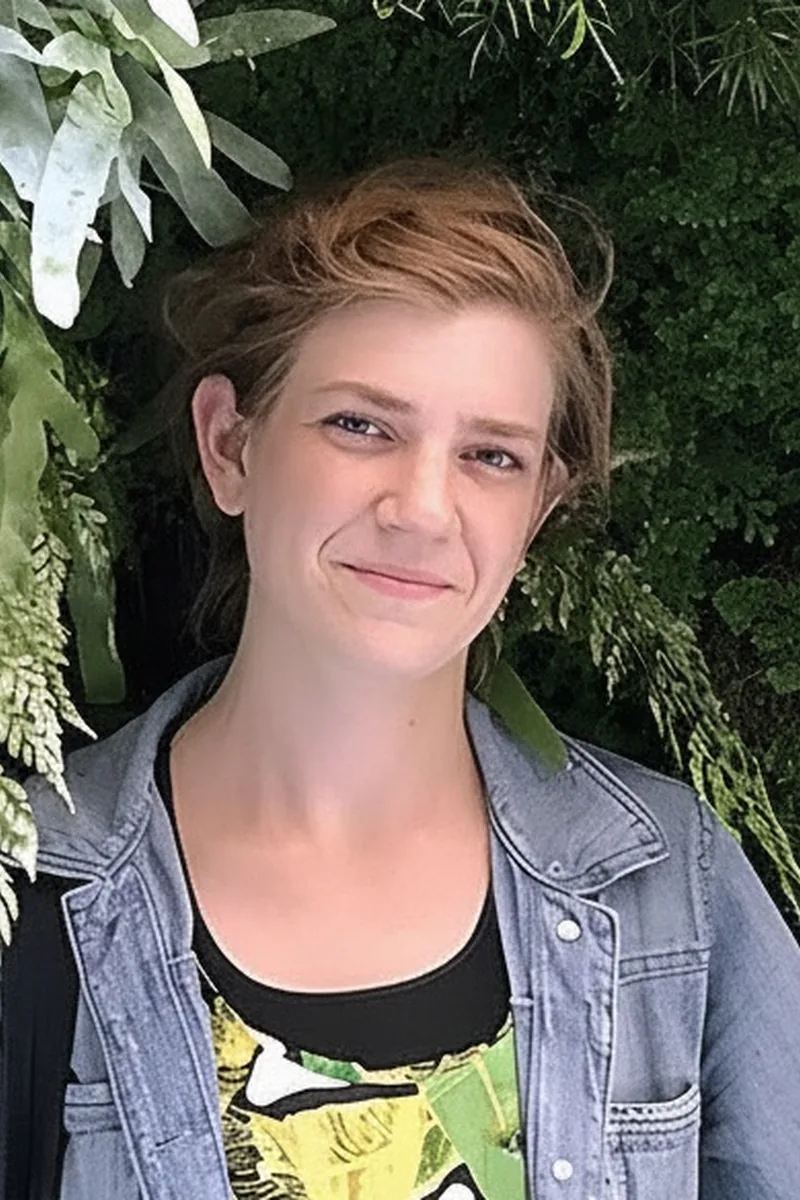
A practicing photographer with an MFA from SCAD, Emily brings real fluency in visual analysis to AP Art History — she teaches students to move past surface description and articulate how form, context, and function intersect in works from the Global Prehistory image set through contemporary installations. Her background in both studio art and academic writing makes the comparison essay feel far less intimidating.

This is Shelby's home turf. As Assistant Curator of Visual Resources in Vanderbilt's History of Art department, she works daily with the kinds of images, architectural plans, and cultural objects that appear on the AP Art History exam. She breaks down the 250-image set by teaching students to compare works across time periods using formal analysis vocabulary — line, composition, patronage, function — rather than brute-force memorization.
Working as a museum educator at the Hudson River Museum, Vivian does daily what the AP Art History exam asks students to do on paper — she walks people through artworks and teaches them to see how historical context, religious function, and patronage shaped what ended up on the wall. Her Fordham training in theology, philosophy, and Medieval Studies gives her particular depth with the sacred and medieval works in the 250-image set, where understanding iconography and liturgical purpose is the difference between describing a work and actually analyzing it. Rated 5.0 by students.
The AP Art History exam asks students to do something surprisingly difficult: look at an image they may have never seen and write a convincing argument about its cultural context in minutes. Monitha's philosophy background at Michigan sharpened exactly that skill — constructing tight, evidence-based claims under pressure. She teaches students to move between visual analysis and historical argumentation without losing the thread.
Trudy's master's dissertation at the University of Edinburgh focused on early modern South Asian and Islamic art — two content areas that consistently challenge AP Art History students who've had mostly Western-focused coursework. She brings firsthand research depth to those non-Western sections of the 250-image set while teaching students how to write the kind of cross-cultural contextual arguments the exam's free-response prompts demand.
Growing up as the person who dragged her parents through art museums, Charlotte developed an instinct for contextualizing visual works within the stories and power structures behind them — the exact skill AP Art History's exam is built to measure. Her NYU Drama training sharpened her ability to read imagery as performance, teaching students to analyze how artists stage meaning through composition, space, and symbolism for the free-response essays.
An accounting background might seem far from art history, but Amy's economics training at Purdue taught her to analyze how trade, wealth, and patronage systems shaped artistic production — exactly the kind of contextual thinking the AP Art History exam rewards. She pairs that with a genuine love of art and reading to teach students how to connect works from the 250-image set to the economic and cultural forces behind them.
Most students walk into AP Art History expecting to memorize 250 images and call it a day. Rachel reframes the course around the questions the exam actually asks: how context shapes artistic choices, how form communicates meaning, and how to write a sharp comparative analysis under time pressure. Her background in political science adds depth when discussing art tied to power, propaganda, and social movements.
Leading debates on Senate bills with high schoolers at the Edward M. Kennedy Institute taught Danlan how to make students argue from evidence about institutions, power, and policy — skills that transfer directly to AP Art History's free-response essays on patronage, governance, and the cultural forces behind artistic production. Her international relations degree adds genuine depth when students need to contextualize works across non-Western political and religious traditions. Rated 5.0 by students.
David's liberal arts training in English and critical reading translates well to AP Art History, where the real challenge isn't memorizing the 250-image set but writing tightly argued essays that connect visual evidence to cultural context. He treats each work like a text to be read — teaching students to identify formal choices, ask what they communicate, and build that analysis into the kind of structured prose the free-response questions reward.
Studying art history alongside history at the graduate level at the University of Chicago gave Ryan a dual fluency — he reads visual works through the same rigorous source-analysis methods he applies to written documents, which is precisely the skill AP Art History's contextual and comparison essays demand. His background means he's especially sharp on connecting artistic movements to the broader political and social narratives that produced them, from Reformation iconoclasm to Cold War abstraction. Rated 5.0 by students.
Erica's English and Latin degrees from Oberlin give her a surprisingly useful toolkit for AP Art History — she can parse the cultural and literary contexts behind Classical and Renaissance works while teaching students to write the precise analytical prose the exam's free-response questions demand. Her experience across both humanities writing and K-12 instruction means she knows how to break down a comparison essay into manageable steps. Rated 5.0 by students.
I'm a native Spanish and English speaker. I graduated with Honors in Art History and Philosophy from the University of Chicago. As a trilingual, I easily understand the difficulties and processes involved in learning a new language! I have been teaching Spanish and English to students worldwide for years. I am passionate about teaching languages as I have been blessed by life-changing opportunities by speaking fluidly with people from other cultures.
Christianna holds a master's in architecture, which means she doesn't just teach AP Art History's required works — she can explain the structural innovations behind the Pantheon's dome, the flying buttresses at Chartres, or Le Corbusier's use of reinforced concrete. That firsthand design knowledge turns memorization of periods and styles into genuine understanding of how and why art was made.
I am a rising sophomore at Kenyon College, a small liberal arts school an hour out of Columbus, Ohio, majoring in Philosophy. It is difficult to identify a specialty of mine because I have worked with students from 1st grade through high school on topics ranging from elementary science to trigonometry test prep, but my foremost strength is the three sections of the SAT. I have roughly three years of experience tutoring and last year taught a test prep class. My approach to tutoring is to identify a students strengths and build upon them through frequent quizzes and reflective analysis. Additionally, having just gone through the college admissions process, I am privy to its length and complexity so can lend advice on anything, namely essays. I have plenty of experience writing and have been published in a local newspaper. While I think math is the easiest subject for me to teach, writing and writing skills are my favorite to teach because to see a writers progress is an extraordinary sight and, further, challenge.
Testimonials
Because the right AP Art History tutor makes all the difference.
Average Session Rating – Based on 3.4M Learner Ratings
Practice AP Art History
Free practice tests, flashcards, and AI tutoring for AP Art History
Nearby AP Art History Tutors
Other Sarasota Tutors
Related Social Studies Tutors in Sarasota
Frequently Asked Questions
AP Art History covers art and architecture from prehistoric times through the present day, organized into four time periods: Global Renaissance (1400-1600), Age of Exploration (1600-1800), Industrial Revolution through World War I (1800-1914), and Modern and Contemporary Art (1914-present). The course emphasizes understanding artistic movements, cultural contexts, and the ability to analyze and compare works across different cultures and time periods. Students learn to identify artworks, understand their historical significance, and develop critical thinking skills about visual culture.
The AP Art History exam consists of two sections: a multiple-choice section with 80 questions (50 minutes) and a free-response section with 3 essays (70 minutes). The multiple-choice section tests your ability to identify artworks and understand art historical concepts, while the essays require you to analyze and compare artworks, discuss cultural contexts, and support arguments with specific examples. Success requires both memorization of key works and the ability to think critically about connections between art and history.
Many students struggle with memorizing the large volume of artworks and artists required for the exam—there are over 250 works on the AP Art History curriculum. Others find it difficult to move beyond simple identification and develop the analytical skills needed for the essay section, such as comparing works across cultures or explaining why an artwork matters historically. Time management during the exam is also a common challenge, as students must balance quick identification on the multiple-choice section with thoughtful, detailed writing on the essays.
Personalized tutoring helps you develop efficient study strategies for memorizing artworks while building the analytical skills needed for essays. Tutors can create customized study plans that target your specific weak areas, whether that's a particular time period or type of artwork, and teach you strategies for organizing information so it sticks. They can also help you practice essay writing with feedback on your arguments and analysis, build confidence in identifying works quickly, and develop test-taking strategies to manage the exam's time constraints effectively.
Score improvement depends on your starting point and commitment to studying, but students who work with tutors typically see meaningful gains by focusing their preparation on weak areas rather than studying everything equally. Many students improve by 1-2 AP score points (from a 3 to a 4 or 5, for example) when they combine tutoring with consistent practice. The key is starting early enough to build both content knowledge and analytical skills, rather than cramming at the last minute.
Practice tests are most effective when used strategically: take a full practice exam early to identify your weak areas, then focus your studying on those specific time periods or artwork types before taking another full exam. For the multiple-choice section, time yourself strictly to practice pacing—aim to spend about 30-40 seconds per question. For essays, practice writing under timed conditions and get feedback on your analysis and argument structure. Review every question you miss, not just to learn the right answer but to understand why you chose incorrectly.
Ideally, you should begin serious preparation 3-4 months before the exam in May, though starting earlier gives you more time to absorb the large volume of material without feeling rushed. If you're already in the course, consistent weekly study throughout the year is more effective than last-minute cramming. Connecting with a tutor early in the course can help you develop strong study habits and ensure you're building both knowledge and analytical skills from the beginning, rather than trying to catch up later.
Look for tutors with strong knowledge of art history and proven success helping students prepare for the AP exam—ideally someone who has scored well on the exam themselves or has extensive experience teaching AP Art History. They should be able to explain not just what artworks are, but why they matter historically and how to analyze them critically. Experience helping students develop essay-writing skills and test-taking strategies is also important, as these are key to scoring well on the exam.
Let’s find your perfect tutor
Answer a few quick questions. We’ll recommend the right plan and match you with a top 5% tutor.