Award-Winning Spanish Tutors
serving Mission Viejo, CA
Spanish
Tutors in Mission Viejo
Private 1-on-1 tutoring, weekly live classes for academic support, test prep & enrichment, practice tests and diagnostics, and more to elevate grades and test scores.
Based on 3.4M Learner Ratings
UniversitiesSchools & Universities
DeliveredHours Delivered
ProficiencyGrowth in Proficiency
Who needs tutoring?
No obligation. Takes ~1 minute.
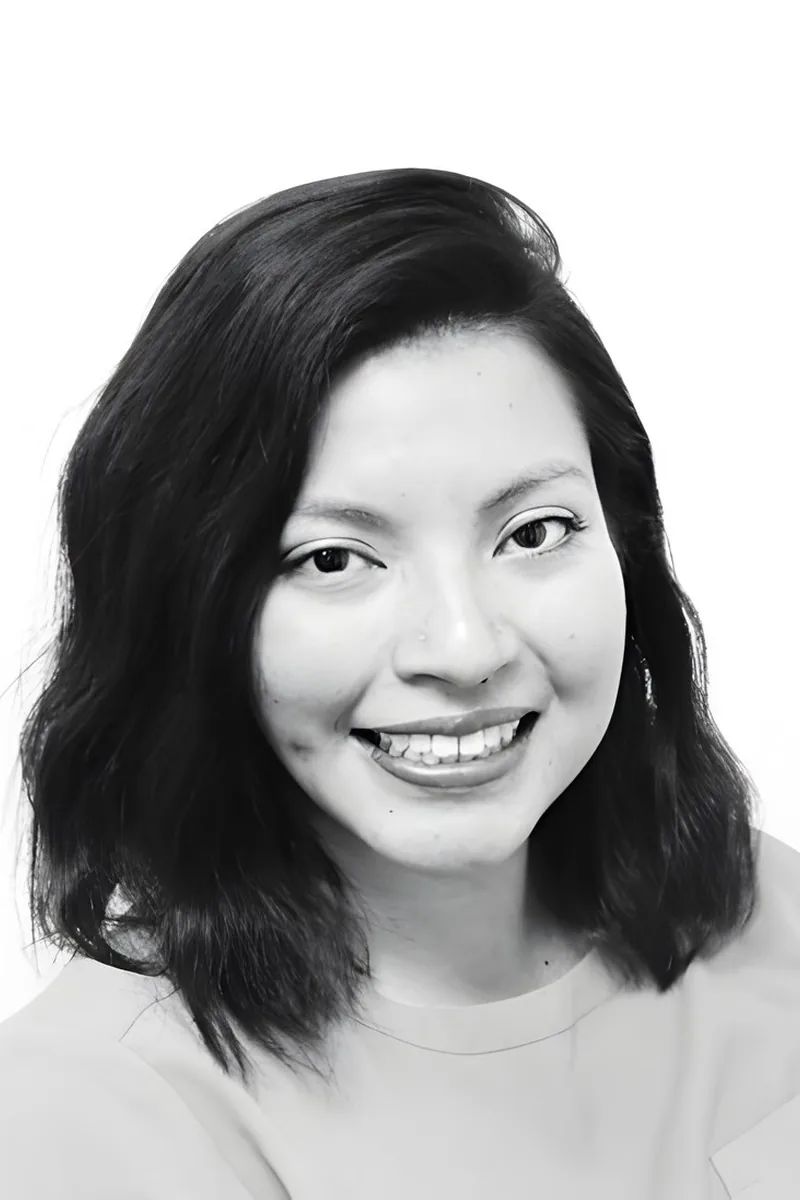
Teaching both Spanish and conversational Spanish means Jennifer covers the full arc — from grammar drills on preterite versus imperfect to the messy, real-time work of actually holding a conversation. Her public policy background also trained her to read and synthesize dense material across disciplines, a skill she applies to helping students decode unfamiliar texts and build reading comprehension in a second language. Rated 4.9 by students.

John teaches Spanish at multiple levels, from foundational grammar and verb conjugation through more complex structures like the subjunctive mood. His experience as a literary editor sharpens his attention to how language actually works at the sentence level — a skill that translates directly into breaking down Spanish syntax for students who find grammar rules abstract or confusing.
Across four levels of Spanish instruction — from beginner conjugations to advanced subjunctive usage — Anna adapts her teaching to wherever a student's gaps actually are. Her background in Near Eastern Studies trained her in second-language acquisition more broadly, and she applies that same systematic approach to Spanish verb tenses, pronoun placement, and reading comprehension.
Learning Spanish can feel overwhelming when verb conjugations, gendered nouns, and unfamiliar sentence structures hit all at once. Linda isolates one concept at a time — say, the difference between ser and estar, or when to use the subjunctive — and connects each rule to real conversational contexts so it actually sticks. She's taught everyone from complete beginners to advanced speakers polishing their grammar.
Learning Spanish verb conjugations — especially the subjunctive — clicks faster when you can tie each tense to real conversational situations instead of rote charts. Janani teaches across multiple Spanish levels and builds lessons around practical usage, connecting grammar rules to reading and writing so vocabulary and structure reinforce each other naturally.
Learning Spanish sticks when grammar concepts connect to real usage rather than isolated drills. Milan breaks down verb conjugations, pronoun placement, and subjunctive triggers by linking each rule to the kinds of sentences students actually want to say and write. His experience across every level from Spanish 1 through AP gives him a clear map of where students typically get stuck.
Steven majored in Spanish at the university level, so he understands the grammar from the inside — not just the rules but the logic behind why subjunctive triggers work the way they do, or when ser versus estar actually matters beyond a memorized list. He pinpoints the specific interference patterns that trip up English speakers, like pronoun placement and gendered agreement, and tackles those head-on.
Megan's approach to Spanish zeroes in on building practical fluency — verb conjugation patterns, sentence structure, and everyday vocabulary that students can actually use in conversation. Her analytical background in neuroscience gives her a useful lens on how the brain acquires a second language, so she tailors practice around spaced repetition and contextual learning.
Amy earned her bachelor's degree with a double focus in English and Spanish, giving her deep familiarity with verb conjugation systems, subjunctive mood triggers, and the grammatical structures that trip up English speakers most. She approaches Spanish as a living language — connecting vocabulary and grammar to real reading, writing, and conversation rather than isolated drills.
Growing up as a native Spanish speaker and then mastering English as a second language gave Abraham deep insight into how the two languages map onto each other — and where they don't. He teaches verb conjugations, subjunctive mood, and sentence structure by drawing on those real bilingual instincts rather than rote memorization charts. Students across all levels, from Spanish 1 through AP, benefit from that native fluency.
Lizzy covers Spanish from foundational verb conjugations through more complex grammar like subjunctive mood and object pronoun placement. She approaches each concept with clear structural explanations before drilling practice, so students understand the logic behind the language rather than relying on rote memorization alone.
Growing up between Los Angeles and Paris, Sarah developed an ear for multiple Romance languages early on. She teaches Spanish grammar by drawing connections to Latin roots and French cognates, making verb conjugations and sentence structure feel less like rote memorization and more like solving a puzzle.
I'm a New York transplant to LA, and a freelance composer and musician by nature. I am an artist and a teacher-- these are my two passions! I'm also a translator, linguistics nerd, avid reader, and fabulous teacher. I went to NYU and studied Linguistics, and am continuing my studies for an Applied Linguistics Masters here in California.
Studying Latin American history at Duke meant Jean spent years reading Spanish-language primary sources — colonial documents, political speeches, literary texts — and building fluency that goes well beyond classroom drills. She teaches grammar and vocabulary in context, connecting verb tenses and sentence structures to how Spanish is actually used in writing and conversation.
Learning Spanish means internalizing patterns — verb conjugation systems, pronoun placement, the subjunctive triggers that trip up English speakers. David has taught every level from Spanish 1 through AP and knows exactly where students tend to stall out, whether it's ser vs. estar or navigating preterite and imperfect in the same paragraph.
Mica teaches Spanish across four levels, from foundational conjugation and noun-adjective agreement through advanced grammar like the subjunctive mood and complex sentence structures. Her analytical background at Stanford carries over into how she breaks down tricky verb tenses — she treats grammar rules as logical systems rather than lists to memorize.
Medical school at Baylor means Sugi regularly encounters Spanish-speaking patients and medical terminology rooted in Latin — a context that sharpens her ear for vocabulary patterns and grammatical structures in ways a standard classroom can't replicate. Her cognitive science background from Rice also gives her a research-backed understanding of how the brain acquires new languages, so she tailors practice around the memorization and retrieval techniques that actually stick. Rated 5.0 by students.
From Spanish 1 verb conjugations through Spanish 4 literary analysis, Pinelopi has tutored every level of the language and knows exactly where students tend to stall — usually around the subjunctive mood and indirect object pronouns. She breaks these tricky structures down into patterns that stick, building real fluency rather than rote translation skills.
Public policy work in Washington, DC means Noel reads, writes, and communicates across cultural contexts daily — a professional habit that translates naturally into language instruction. He approaches Spanish as a communication tool first, connecting vocabulary and grammar concepts like direct object pronouns and verb tenses to practical reading and writing tasks rather than rote drills. Rated 4.9 by students.
Studying at the Horace Mann School in New York City meant Ethan took Spanish alongside a rigorous academic curriculum, and his current economics and public policy coursework at UChicago keeps him reading and analyzing across disciplines — skills that transfer directly to parsing Spanish texts and constructing grammatically sound written responses. He's particularly sharp at breaking down the logic behind ser versus estar or preterite versus imperfect, treating tricky distinctions as puzzles with clear rules rather than exceptions to memorize.
Having taught across four levels of Spanish, Ivan knows exactly where students tend to stall — usually around the subjunctive mood and the difference between preterite and imperfect tense. He breaks down verb conjugation patterns systematically and builds reading comprehension through context rather than word-for-word translation.
Seven years of formal Spanish study plus a year living in Spain gave Matthew the kind of fluency that covers both grammar rules and the intuitive feel for how the language actually works. He tackles everything from subjunctive mood and preterite-vs-imperfect distinctions to building conversational confidence. Students get someone who learned Spanish as a second language and remembers exactly where the sticking points are.
Lucas teaches Spanish with an emphasis on building conversational confidence alongside grammatical structure — verb conjugations, pronoun placement, and sentence formation in real-world contexts. His experience with ESL learners gives him a sharp sense of how language acquisition actually works, which he applies in reverse when English speakers are tackling Spanish.
Having tutored Spanish formally throughout high school and studied it through advanced levels, Christopher tackles everything from subjunctive mood conjugations to nuanced reading comprehension passages. He treats grammar as a logical system — similar to how he approaches engineering problems at Harvard — which makes verb tenses and pronoun placement click for students who struggle with rote memorization.
Diana's TESOL training gave her deep expertise in how languages are structured and acquired, which she applies directly to Spanish instruction. She breaks down verb conjugation patterns, pronoun placement, and sentence-building in ways that make the grammar feel logical rather than arbitrary. Students in Spanish 1 or 2 especially benefit from her ability to explain why the language works the way it does.
Testimonials
Because the right Spanish tutor makes all the difference.
Average Session Rating – Based on 3.4M Learner Ratings
Nearby Spanish Tutors
Other Mission Viejo Tutors
Related Languages Tutors in Mission Viejo
Frequently Asked Questions
Classroom settings often limit one-on-one conversation time, but personalized tutoring provides dedicated speaking practice that's essential for fluency development. Tutors can engage you in real conversations, correct pronunciation and accent in real-time, and tailor discussions to your interests and proficiency level. This consistent speaking practice is one of the most effective ways to build confidence and natural communication skills.
Verb conjugation is one of the most challenging aspects of Spanish grammar, but it becomes manageable with structured practice and pattern recognition. Expert tutors break down conjugation rules by tense and verb type, then use spaced repetition and real-world examples to help these patterns stick. Rather than memorizing tables, you'll learn to apply conjugations naturally through conversation and writing exercises.
Vocabulary retention improves dramatically when words are learned in context and used repeatedly across different skills—reading, writing, speaking, and listening. Tutors use retrieval practice techniques, connecting new vocabulary to your interests and real-life situations you'll actually use. Building vocabulary this way, rather than through isolated lists, helps words stick long-term and makes them accessible when you need them.
Yes, tutors working with students in Mission Viejo are familiar with the Spanish programs across the area's 33 schools and understand the progression from foundational skills through advanced proficiency. Whether you're preparing for AP Spanish, working on class assignments, or building conversational fluency, tutors can align instruction with your school's curriculum and pacing while addressing your specific learning gaps.
Effective Spanish learning requires development across all four skills, and personalized tutoring integrates them throughout each session. You might listen to authentic Spanish audio, discuss what you heard, read relevant texts, write responses, and practice speaking naturally. This balanced approach mirrors real-world language use and ensures you're building comprehensive proficiency rather than excelling in just one area.
Language and culture are deeply connected—understanding cultural nuances helps you use Spanish authentically and communicate more effectively. Tutors incorporate cultural context into lessons, helping you understand not just what to say, but when and how to say it appropriately. This immersion-style approach makes learning more engaging and prepares you to communicate naturally with Spanish speakers from different regions and backgrounds.
Reaching professional-level Spanish proficiency typically requires around 600 hours of study according to language learning research, but conversational fluency can develop much faster with consistent, focused practice. With personalized tutoring and regular speaking practice, many students notice significant improvement in conversation skills within a few months. Your timeline depends on your starting level, frequency of tutoring, and how much you practice outside sessions.
Your first session focuses on understanding your goals, current proficiency level, and specific challenges—whether that's verb conjugation, pronunciation, vocabulary, or exam preparation. The tutor will assess your strengths and areas for growth across reading, writing, speaking, and listening, then create a personalized plan tailored to your needs. This foundation ensures every session after builds on what works best for your learning style.
Let’s find your perfect tutor
Answer a few quick questions. We’ll recommend the right plan and match you with a top 5% tutor.