Award-Winning College Essays Tutors
serving Buffalo, NY
College Essays
Tutors in Buffalo
Private 1-on-1 tutoring, weekly live classes for academic support, test prep & enrichment, practice tests and diagnostics, and more to elevate grades and test scores.
Based on 3.4M Learner Ratings
UniversitiesSchools & Universities
DeliveredHours Delivered
ProficiencyGrowth in Proficiency
Who needs tutoring?
No obligation. Takes ~1 minute.
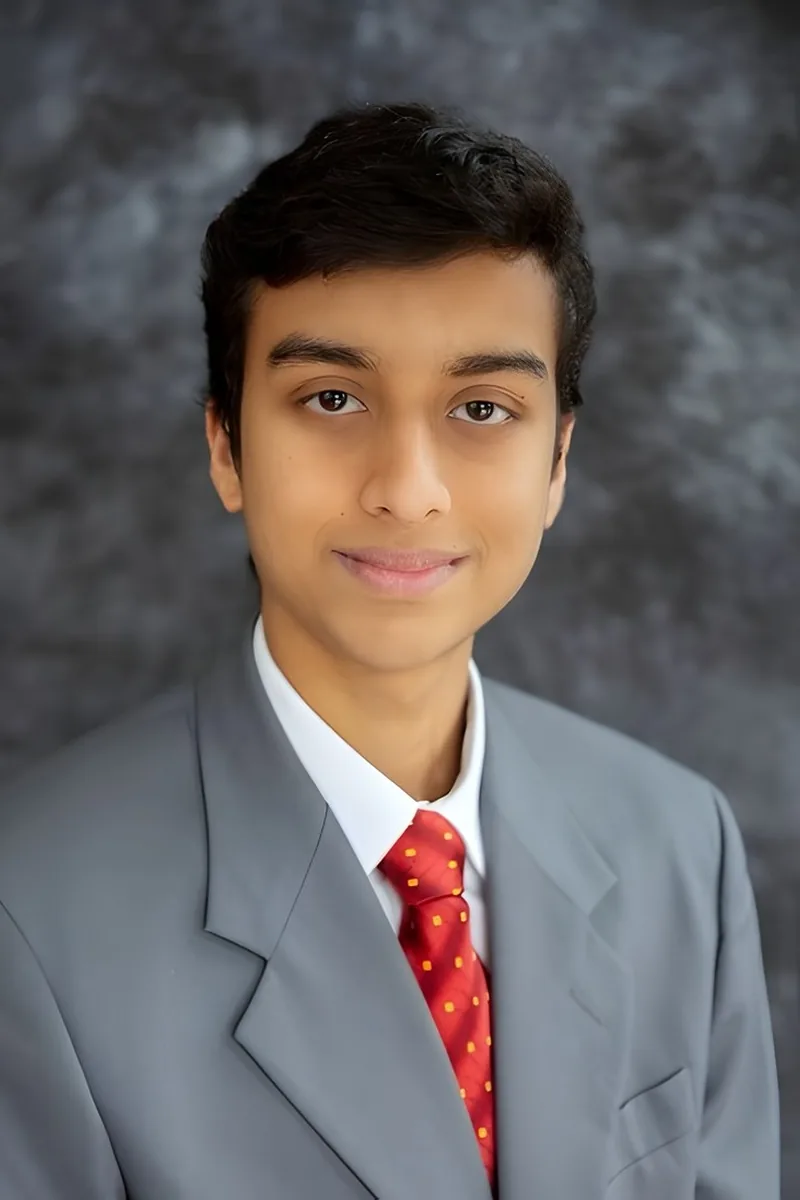
A strong college essay doesn't summarize a résumé — it zooms in on one moment or detail and reveals how the writer thinks. As a Cornell student who navigated the application process from an international background spanning India, Singapore, and the U.S., Sharan knows how to uncover a compelling personal angle and shape it into a draft that admissions readers remember.
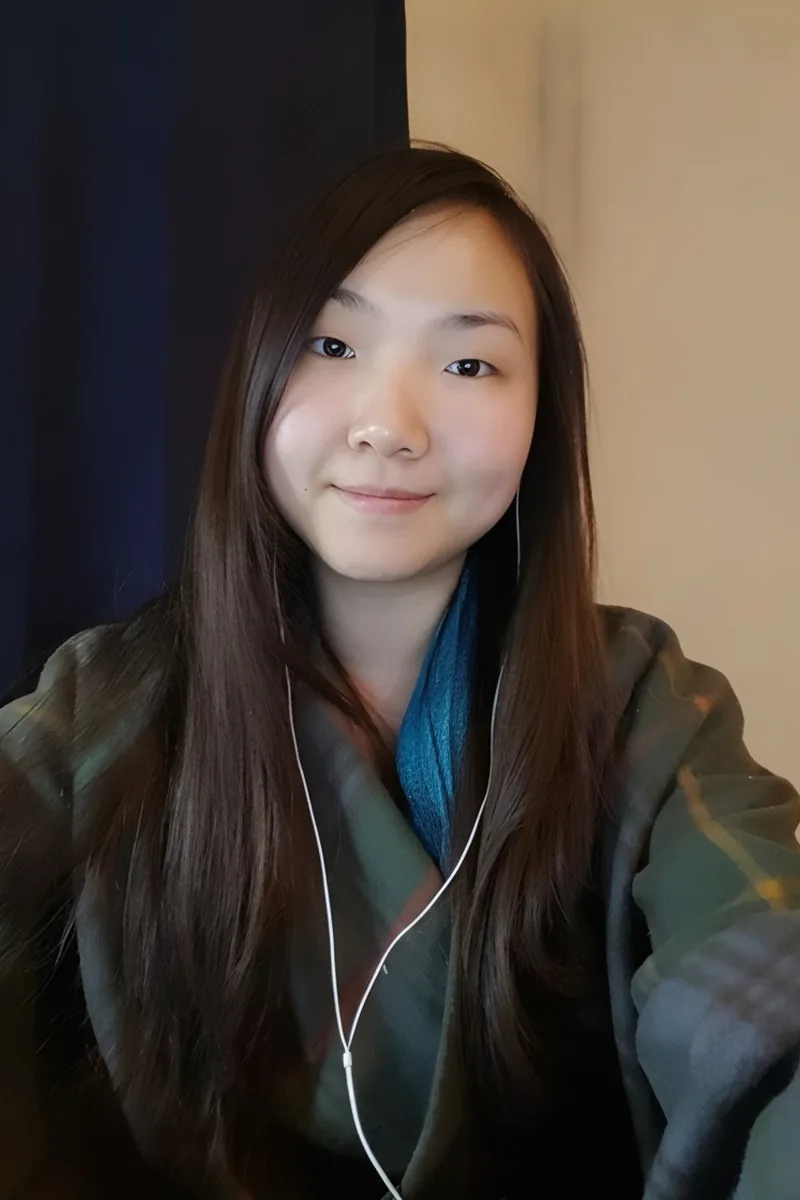
Sophia wrote her way into a competitive pharmacy program and through a doctoral dissertation, so she understands how to craft a personal narrative that's both authentic and strategically structured. She walks students through identifying a genuine central theme, cutting filler, and making sure every paragraph earns its place in the final draft.
A strong college essay doesn't summarize a résumé — it reveals how a student thinks. Daniel went through the application process recently as a current University at Buffalo undergrad, so he knows what makes a personal statement feel genuine versus generic. He walks students through brainstorming, drafting, and tightening their narrative until every sentence earns its place.
As a chemistry professor who reviews graduate applications and personal statements at SUNY, Sourav knows what admissions committees actually look for — specificity, voice, and a narrative arc that makes the reader care. He walks students through brainstorming, drafting, and revising so the final essay sounds like them at their sharpest, not like a thesaurus.
An engineer writing college essays might sound unlikely, but Sabry's experience navigating graduate admissions — including crafting his own statements for a competitive PhD program — gives him a sharp sense of what admissions readers look for. He teaches students to identify one compelling thread in their experience and build a narrative around it, cutting the vague filler that weakens most first drafts.
Having gone through the college application process as a science student, Deana knows how to craft essays that reveal personality without reading like a résumé in paragraph form. She digs into brainstorming with students to find the one specific story — not the most impressive one, but the most revealing — and then shapes it into a narrative admissions officers actually remember.
College admissions essays aren't academic papers — they need a real voice and a clear narrative arc, which is exactly what James zeros in on during drafting sessions. Having recently gone through the college process himself at SUNY Geneseo, he knows what makes an essay feel authentic versus what reads like a résumé in paragraph form. He's particularly good at pulling a compelling angle out of a student's experiences when they feel like they have nothing to write about.
Pursuing dual degrees in philosophy and biology gives Michaela a rare perspective on college essays — she understands what admissions readers look for across disciplines. She walks students through brainstorming, structuring a narrative arc, and revising until the essay sounds unmistakably like them rather than a polished template.
A strong college essay doesn't summarize a résumé — it reveals how a student thinks. Ryan, an avid reader and writer himself, digs into brainstorming and drafting with students to find the one specific story or perspective that admissions officers will remember. He then sharpens structure, voice, and clarity through multiple revision passes.
Having gone through the medical school application process — including writing personal statements that earned him a spot at Buffalo's Jacobs School of Medicine — Alex knows how to shape a compelling narrative under tight constraints. He digs into what makes an applicant's story distinctive and teaches students to structure their essays around specific moments rather than broad claims about character.
A strong college essay doesn't summarize a résumé — it reveals how a student thinks. Tess spent years in print journalism at American University learning to find a compelling angle in any story, and she applies that same instinct to brainstorming, drafting, and revising personal statements. She's especially good at pulling out the specific, telling details that admissions readers remember.
A college essay isn't a five-paragraph theme — it's a 650-word argument for why a specific person belongs at a specific school. Caroline, who studied English Literature and tutors writing across multiple levels, tackles the hardest part first: finding the one story or detail that actually reveals something about the applicant. From there, she sharpens voice, tightens structure, and cuts the generic language admissions readers skim past.
The hardest part of a college essay isn't the writing — it's figuring out which story to tell and how much of yourself to reveal. Ashutosh approaches the brainstorming phase like a diagnostic, asking targeted questions until a genuine, specific narrative emerges that admissions readers won't forget. From there, he edits for structure, voice, and clarity across multiple drafts.
A compelling college essay isn't a résumé in paragraph form — it's a story that reveals how a student thinks. Mimi's arts and humanities background at Dartmouth sharpened her eye for narrative structure and authentic voice, and her Harvard education training means she knows how to draw out the specific details that make an applicant's essay memorable to admissions readers.
Having navigated applications to Columbia's master's program and NYU's doctoral program, Nina understands what admissions committees are actually looking for — specificity, self-awareness, and a narrative that connects experiences to goals. She's particularly strong at helping STEM-oriented students translate lab work, research interests, or quantitative passions into compelling personal stories. Her editing is direct and structural, not just cosmetic.
A strong college essay doesn't summarize a résumé — it reveals how a student thinks. Reid, who holds a PhD in Education from Harvard and a sociology degree from Wesleyan, knows how to draw out the specific personal narratives that admissions committees remember. He walks students through brainstorming, structural choices, and revision until every sentence earns its place.
A strong college essay doesn't summarize a résumé — it reveals how a student thinks. Liz's humanities and anthropology training at Washington University in St. Louis sharpened her ability to find the specific, telling detail in a broader narrative, which is exactly what admissions readers look for. She walks students through brainstorming, drafting, and revision with an emphasis on authentic voice and structural clarity.
Having worked in Harvard's admissions office, Solange has read application essays from the other side of the desk and knows what makes a reader pause versus skim. She teaches students to identify a single, specific narrative thread — not a résumé recap — and shape it into a personal statement that sounds unmistakably like them. That insider perspective is hard to replicate from a guidebook.
A strong college essay needs a genuine voice and a specific story — not a résumé rewrite or a thesaurus exercise. Justin went through the admissions process himself for the University of Chicago's PhD program and understands how to shape a personal narrative that stands out to selective readers. He works through brainstorming, structure, and revision with a methodical eye, making sure each draft gets sharper and more authentically the student's own.
A strong college essay doesn't summarize a résumé — it reveals how a student thinks. As a Johns Hopkins student who went through the admissions process herself, Sabira walks applicants through brainstorming, drafting, and refining a personal narrative that sounds genuinely like them. Her own love of writing and reading gives her a sharp editorial eye for voice and structure.
Having navigated the admissions process into Harvard and then into Columbia Medical School, James understands what admissions committees are actually looking for — a specific, authentic voice rather than a résumé repackaged as prose. He walks students through brainstorming, structural choices, and revision with an eye toward making each essay unmistakably theirs. His 4.9 rating speaks to how well he balances honest feedback with encouragement.
A strong college essay doesn't summarize a résumé — it reveals how a student thinks. Daniel, who has a sociology background, excels at drawing out the personal narratives and specific moments that admissions readers remember, then shaping drafts until the voice on the page sounds unmistakably like the applicant.
A strong college essay doesn't summarize a résumé — it reveals how a student thinks. Sherry's dual background in psychology and linguistics at the University of Chicago gives her a sharp eye for both narrative voice and the subtle ways word choice shapes a reader's perception. She walks students through brainstorming, drafting, and revising until the essay sounds unmistakably like them.
A strong college essay doesn't summarize achievements — it reveals how a student thinks. Sung, who lists writing and reading among his core interests, digs into brainstorming sessions that surface the specific moments and reflections admissions officers remember. He then tackles structure, voice, and revision with an editor's eye, making sure every draft sounds authentically like the student writing it.
Having been selected by Joyce Carol Oates as one of her two advisees at Princeton — and having written a full novel under that mentorship — Sash knows what it takes to find a genuine story within yourself and put it on the page. That skill translates directly to college essays, where admissions readers can spot the difference between a polished-but-generic personal statement and one with an authentic voice. Sash teaches students to identify the specific moment or detail that makes their essay theirs alone.
College admissions officers read thousands of essays that all sound the same — Meghan's journalism training at Northwestern is built around making sure writing doesn't. She digs into a student's specific experiences to find the story worth telling, then shapes the narrative arc, voice, and structure until the essay reads like something only that student could have written.
Julie went through the Princeton admissions process herself and knows what makes a personal statement land — a specific moment, an authentic voice, and a structure that doesn't read like a five-paragraph essay. She walks students through brainstorming, drafting, and ruthless revision so the final piece sounds like them at their sharpest. Rated 4.9 by students.
College admissions officers read thousands of essays that all sound the same — Maya's job is to make sure a student's doesn't. As a Yale graduate and working writer, she digs into brainstorming sessions that surface genuinely personal stories, then shapes drafts until the voice on the page sounds like the student at their sharpest. She's especially experienced with Common App personal statements and supplemental "Why This School" prompts.
Having navigated the admissions process at Cornell, Josef understands what makes a personal statement land — specificity, genuine reflection, and a narrative arc that doesn't read like a résumé in paragraph form. He walks students through brainstorming, structural choices, and revision with an eye toward making each essay sound unmistakably like the person writing it.
Getting into Princeton's engineering program required essays that stood out in a sea of STEM applicants, so Matthew knows how to translate technical interests into compelling personal narratives. He coaches students on finding a specific angle, structuring their drafts around a single vivid idea, and revising until every sentence earns its place.
The college essay asks something most high school writing never does: make yourself the subject without sounding self-absorbed. Jennifer's English degree and MAT training in language arts give her a sharp editorial eye for voice — she pinpoints where a draft sounds generic and shows how to replace it with the specific, honest detail that admissions readers remember.
Getting into a top school takes more than strong scores — Jai went through the admissions process himself and landed at Stanford. He teaches students to find the one specific story or moment that reveals something an admissions reader can't get from the rest of the application, then sharpen every sentence until it earns its place.
Having navigated Yale's admissions process herself — and scored a 1570 SAT — Zosia knows what makes an essay land with a reader versus what gets lost in a pile of 50,000 applications. She digs into brainstorming, structure, and voice, pushing students to find the one specific story that no other applicant could tell. Rated 4.9 by students.
A strong college essay doesn't summarize a résumé — it reveals how a student thinks. Garrett, who scored a 1530 on the SAT and brings serious writing chops, digs into brainstorming and narrative structure to help applicants find the one specific story that admissions officers will remember. He edits for voice and authenticity, not just grammar.
Applying to a conservatory and a traditional university simultaneously taught Vivian how to tailor a personal narrative for wildly different audiences — a skill she now brings to college essay brainstorming and drafting. She digs into what makes each student's story distinct, then shapes that raw material into a compelling essay with a clear arc and authentic voice. Rated 4.9 by students.
Writing a college essay that stands out requires knowing what admissions readers are actually looking for — and as a Harvard student who went through that process successfully, Richard has firsthand insight. He walks students through brainstorming personal narratives, cutting generic filler, and crafting an opening that makes a reader want to keep going. His strength is pushing drafts from "polished but forgettable" to genuinely specific and memorable.
Having gone through the admissions process at the University of Pennsylvania, Noah knows firsthand what selective schools look for in a personal statement — specificity, voice, and a narrative arc that reveals character rather than recites accomplishments. He walks students through brainstorming, drafting, and ruthless revision until every sentence earns its place. Rated 5.0 by his students.
Writing a college essay that sounds like you — not like every other applicant — is harder than it looks, and Julia went through that process recently enough to remember exactly how it feels. At Stanford, she refined her own writing through academic research and peer editing, and she brings that editorial eye to brainstorming, drafting, and revising personal statements. She asks the pointed questions that pull out the specific details admissions readers actually remember.
As a pre-med student at Washington University in St. Louis, Judah recently navigated the college application process that rewards specificity over grandeur. He knows how to help a student take a vague "meaningful experience" and sharpen it into a personal statement with a clear narrative arc and an authentic voice that admissions officers remember.
A strong college essay doesn't summarize a résumé — it reveals how a student actually thinks. As an incoming Washington University in St. Louis student who recently navigated this process himself, Vansh brings a fresh memory of what admissions readers respond to. He digs into brainstorming and narrative structure to turn a vague idea into a distinctive personal statement.
Testimonials
Because the right College Essays tutor makes all the difference.
Average Session Rating – Based on 3.4M Learner Ratings
Nearby College Essays Tutors
Other Buffalo Tutors
Related English Tutors in Buffalo
Frequently Asked Questions
College essay tutoring focuses on helping you develop a compelling personal narrative and craft essays that stand out to admissions committees. Tutors work with you on brainstorming topics, structuring your essay, developing a strong thesis, refining your voice, and revising for clarity and impact. The goal is to help you tell your authentic story in a way that showcases who you are beyond grades and test scores.
Most tutors start by helping you explore potential essay topics and understand what makes a strong college essay. From there, you'll work through drafting, where tutors provide feedback on organization, thesis development, and your unique voice. The revision process typically involves multiple rounds of feedback focused on strengthening your argument, eliminating redundancy, and ensuring your essay feels authentically you.
Many students struggle with writer's block when trying to find a topic that feels both meaningful and distinctive. Others have difficulty balancing showing rather than telling, or they over-edit their voice to sound "more impressive" rather than authentic. A common challenge is also staying within word limits while fully developing ideas—tutors help you learn to be concise without sacrificing depth.
In Buffalo's school districts with an average student-teacher ratio of 10.2:1, teachers often have limited time for in-depth writing feedback. A tutor provides focused, one-on-one attention to your specific essay, offering detailed comments on everything from thesis clarity to sentence-level revision. This personalized approach helps you understand *why* changes strengthen your writing, not just what to fix.
Bring any college essay prompts you're responding to, along with any drafts you've started—even rough outlines or brainstorm notes are helpful. If you haven't started writing yet, bring information about the schools you're applying to and any ideas you're considering. Your tutor will use this to understand your goals and tailor the session to your needs.
Most students benefit from starting essay work several months before application deadlines, ideally in the summer before senior year. Depending on how many essays you need to write and your starting point, working with a tutor for 4-8 sessions spread over several weeks allows time for drafting, feedback, and meaningful revision. This paced approach also helps you avoid last-minute stress.
Your authentic voice comes through when you write naturally about topics that matter to you, rather than trying to sound like what you think colleges want to hear. Tutors help you recognize when your writing feels forced or overly formal, and guide you toward language and examples that feel genuinely yours. Through revision and feedback, you'll learn to trust your perspective and let it shine in your essay.
Yes—many students work with tutors on several essays as they apply to multiple schools. Each college may have different prompts, so tutors help you adapt your storytelling approach while maintaining consistency in your voice and values across essays. This is especially helpful for managing supplemental essays that require you to explain your interest in specific programs or schools.
Let’s find your perfect tutor
Answer a few quick questions. We’ll recommend the right plan and match you with a top 5% tutor.